

People want to know… What can I do that actually matters to protect the environment? And while tips like recycling, reducing plastic, and switching to reusable bags all play a role, they barely scratch the surface of what our planet needs right now.
Environmental protection isn’t just a checklist. It’s a mindset shift, a willingness to rethink how we show up for the natural world, and an openness to the idea that we all have a role—large or small—in shaping a livable future.
Below are four high-impact, perspective-shifting ways to protect the environment. These are actions that go deeper than the typical “green tips” and empower you to engage with the issues that matter most to you.
1. Protect the Environment by Protecting the Places You Love
Most people care deeply about at least one part of the natural world—a local trail, a lake they grew up visiting, a national park they return to again and again, or the ocean they dream of diving into.
One of the most meaningful ways to protect the environment is to start with the place that already has your heart. Caring grows into commitment, and commitment turns into action. When people focus their energy where they feel connected, they stay engaged longer, give more generously, learn more deeply, and advocate more effectively.
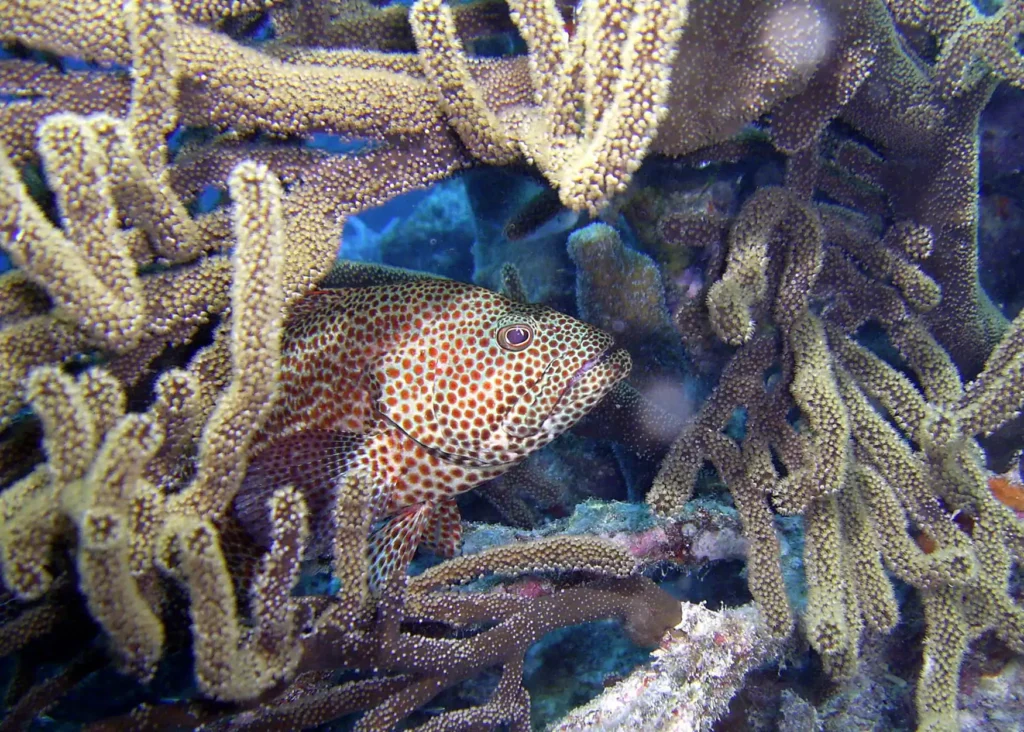
For example, coral reefs support 25% of ALL marine life and protect millions of people from storms, but warming oceans are pushing them to the brink. Many ocean lovers channel their passion into organizations driving large-scale, evidence-based conservation in places like Hawai‘i, the Mesoamerican Reef, and now the Eastern Caribbean.
If you want to help the planet, start by asking:
What ecosystem do I love enough to fight for?
2. Support Solutions that Strengthen Nature, Not Just Slow Harm
Traditional environmental advice often focuses on limiting damage—use less, waste less, drive less. These steps matter, but they don’t address the root issues or help ecosystems adapt to a changing planet.
A more impactful approach is to support solutions that actively strengthen natural systems, such as:
- Clean water initiatives that reduce pollution at the source
- Sustainable land management that improves soil health
- Science-based conservation that allows ecosystems to adapt to climate stress
- Community-led environmental projects that create long-term change

Coral reefs offer a powerful example. When communities reduce pollution and protect fish populations, reefs become more resilient to rising temperatures. Research shows that healthy reefs can adapt to climate change, but only if the ecosystems around them are strong.
See Also – Exploring Reef Resilience Through the Science of Coral Adaptation
Protecting the environment is not only about minimizing our footprint—it’s about maximizing nature’s ability to thrive.
3. Protect the Environment by Getting Involved in Policy, Even in Small Ways
Individual choices matter, but policy changes reshape entire landscapes. Even small acts of civic engagement can lead to outsized impact.
Positive environmental policies are more likely to pass when everyday people:
- Attend a local meeting
- Submit a public comment
- Vote in down-ballot races
- Support community groups working on land, water, and ocean protection
- Learn how decisions made far away impact ecosystems they love
In regions like the Eastern Caribbean, strong environmental policies help reduce land-based pollution that flows into the ocean, affecting coral reefs, fisheries, and local communities. The cleanest ocean water often starts far inland—with upstream decisions.
Protecting the environment doesn’t require becoming a policy expert. It simply requires showing up—because when people participate, nature wins.
4. Find Your Lane in the Movement and Use Your Skills for Good
One of the most overlooked ways to protect the environment is this:
Your unique skills are part of the solution.
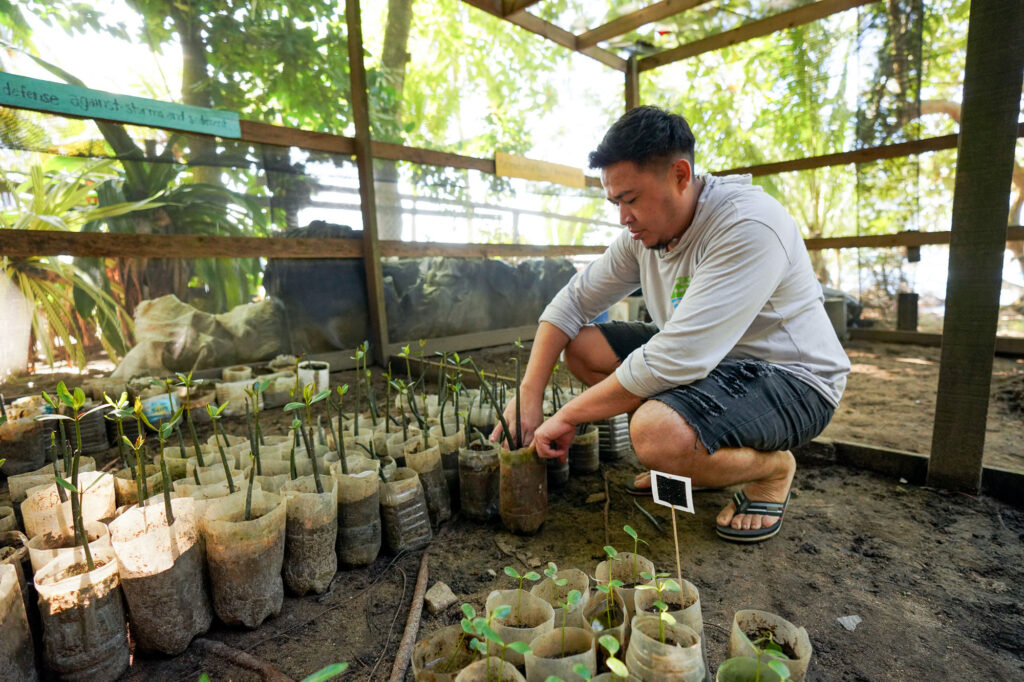
Researchers, artists, divers, teachers, finance professionals, storytellers, engineers, and community organizers all contribute in meaningful ways. Environmental protection isn’t a single path—it’s a million different offerings that add up.
Ask yourself:
- What am I great at?
- How can I use that skill to help the environment?
- Who is already doing work I can support?
Some people take underwater photos that inspire global action. Others post about solutions on social media, develop clean-energy policies, build community networks, fund conservation projects, or create data systems that help scientists track changes in the ocean.
Protecting the environment becomes far more powerful when people lean into their strengths—and recognize that the movement needs all of us.
Our Executive Director agrees, and she touches on the subject in this exclusive Q&A.
Caring Is the First Step Toward Change
The most effective ways to protect the environment aren’t always the most obvious. They’re grounded in connection, commitment, community, and curiosity. They take us beyond simple actions and into long-term, meaningful engagement.
When we zoom out, it’s clear that every action—whether local, global, personal, or collective—shapes the world we’re passing forward. Nowhere is that more evident than in our oceans, where strengthened ecosystems can mean stronger communities, healthier coastlines, and a more stable future for us all.
Look to a coral reef, and you’ll see the truth: small acts, working together, build extraordinary resilience. The same is true on land. When each of us leans into what we can do, we strengthen the world we all depend on.


