

Coral reefs are changing fast, and the people who spend the most time underwater are often the first to notice.
Around the world, divers, snorkelers, and freedivers are witnessing shifts in reef health in real time. Warmer waters. Fewer fish. Algae creeping where corals once thrived.
These observations aren’t just anecdotal… They’re invaluable. And they position underwater goers and their networks as some of the most important allies coral reefs have.
Last year, our team started partnering with dive clubs, and the impact was immediate. Divers became better informed about what was happening beneath the surface, our alliance of reef advocates grew stronger, and more people began turning firsthand experience into meaningful action for coral reefs.
Divers are the Eyes and Ears of the Reef
Unlike tourists who often visit reefs only once and move on, passionate divers, snorkelers, and freedivers tend to return to their favorite reefs again and again. This long-term relationship creates something powerful: context.
They notice when coral cover declines, when fish populations shift, or when water clarity changes. These patterns, observed consistently over time, can help scientists and conservation organizations better understand what’s happening beneath the surface.
By engaging with reef-focused organizations like the Coral Reef Alliance (CORAL), underwater communities help bridge lived experiences with science. For example, their observations can help inform science, strengthen local monitoring efforts, and support data-driven conservation strategies.
Education Happens Best Peer-to-Peer
Dive clubs, snorkel groups, and freediving communities are natural hubs for learning. New members are mentored by experienced ones. Techniques, ethics, and values are passed along dive by dive, trip by trip.
This makes members uniquely positioned to normalize reef-safe behaviors, such as:
- Proper buoyancy to avoid coral contact
- Respectful wildlife interactions
- Understanding how land-based pollution impacts reef ecosystems
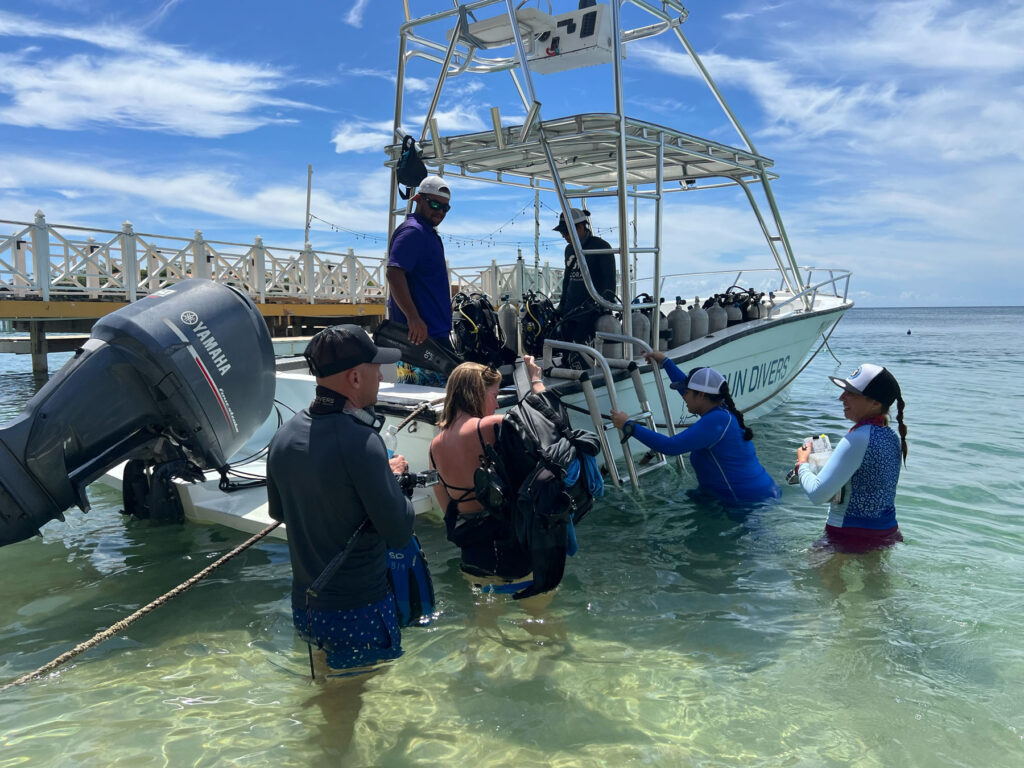
When conservation knowledge is shared within trusted peer networks, it sticks – and that translates into real-world benefits for reefs.
Local Groups Strengthen Local Reefs
Healthy reefs depend on healthy local systems: clean water, protected areas, and community stewardship.
Many groups, like dive clubs, often have deep ties to local operators, coastal communities, and marine managers. When the groups partner with conservation organizations working on the ground, they can:
- Support clean water initiatives
- Amplify science-based solutions
- Advocate for reef-friendly policies and practices
This locally-rooted engagement helps create the conditions reefs need to survive—and adapt—in a changing climate.
Turning First-hand Experience into Powerful Stories
Seeing a reef firsthand changes people. And sharing that experience changes others.
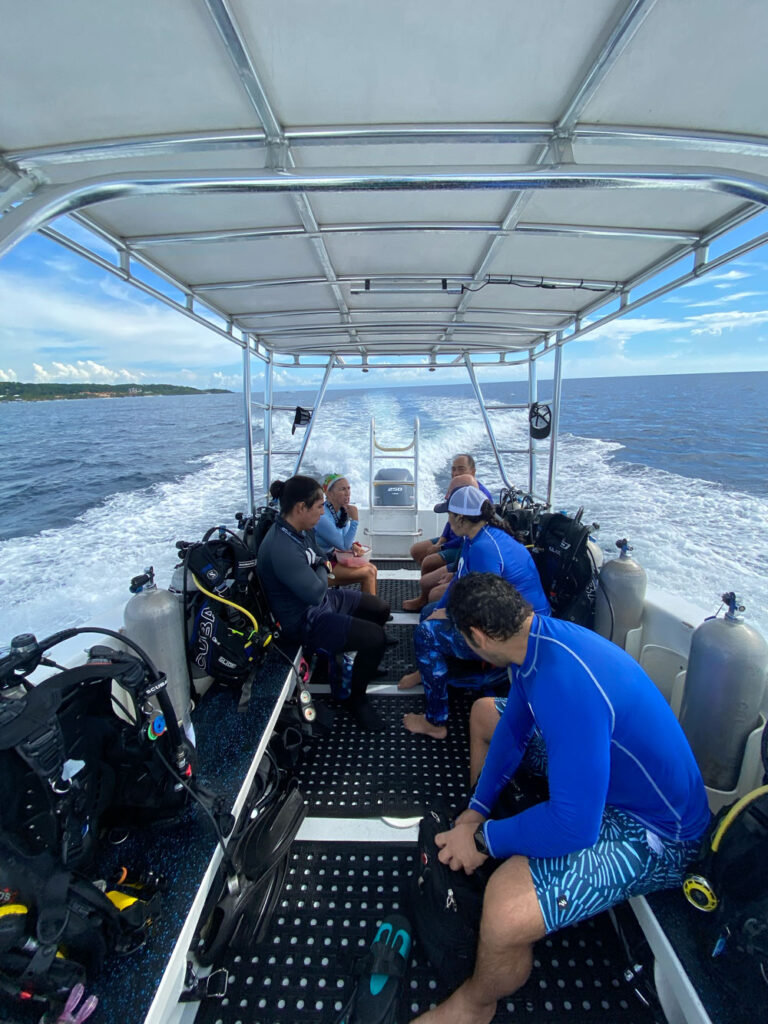
Dive clubs produce some of the most compelling reef stories through photos, videos, trip recaps, and social media. These stories:
- Build emotional connections to reefs
- Raise awareness beyond the dive community
- Inspire action from people who may never dive
When divers align their storytelling with credible conservation efforts, their voices help cut through noise and move people from concern to action.
Collective Action Multiplies Impact
Individually, divers, snorkelers, and freedivers make a difference. Collectively, their networks move the needle.
We’ve seen this first-hand through club-led fundraisers, members becoming supporters of our conservation initiatives, and increased participation in field site visits and learning opportunities. When groups organize around a shared mission—fundraising, education, advocacy, or awareness—their impact scales quickly.
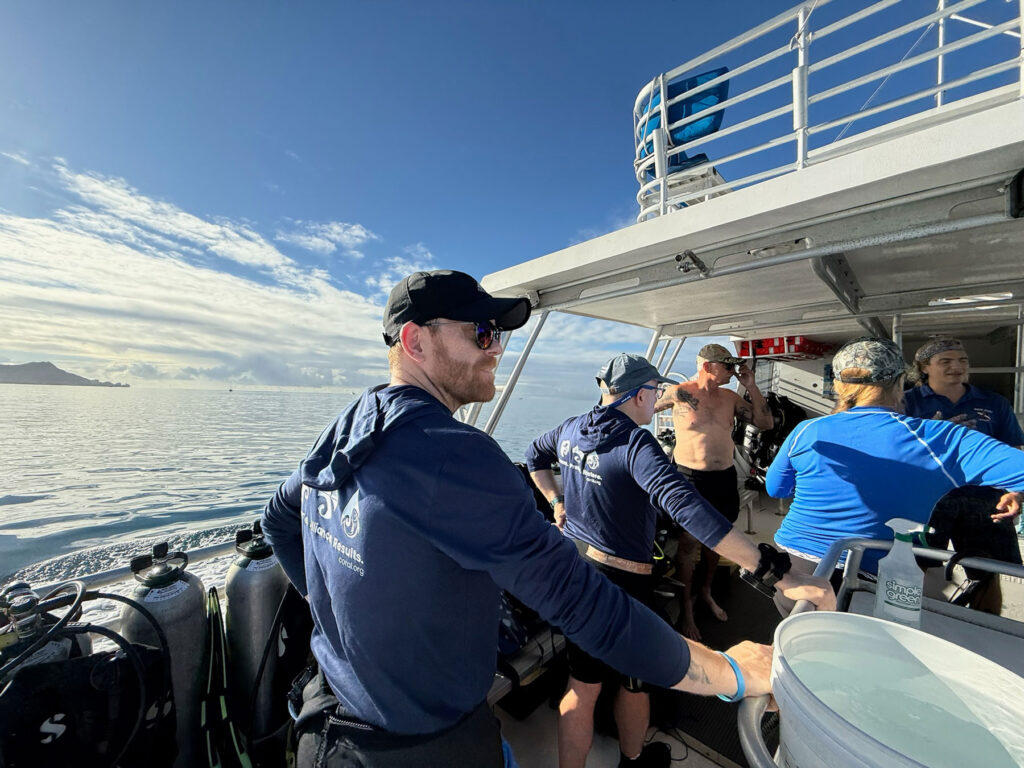
It’s not about doing everything. It’s about doing the right things, together.
How Underwater Communities Can Get Involved with CORAL
CORAL works with communities, scientists, and local partners around the world to protect coral reefs by reducing threats and strengthening reef resilience.
Last year, what started as a few conversations and connections quickly became something more: educational talks, fundraisers, site visits, and new relationships built around a shared love of reefs. Almost immediately, we saw an impact – new donors joined our community, curiosity turned into deeper engagement, and members began connecting what they see underwater with the solutions reefs need to survive.
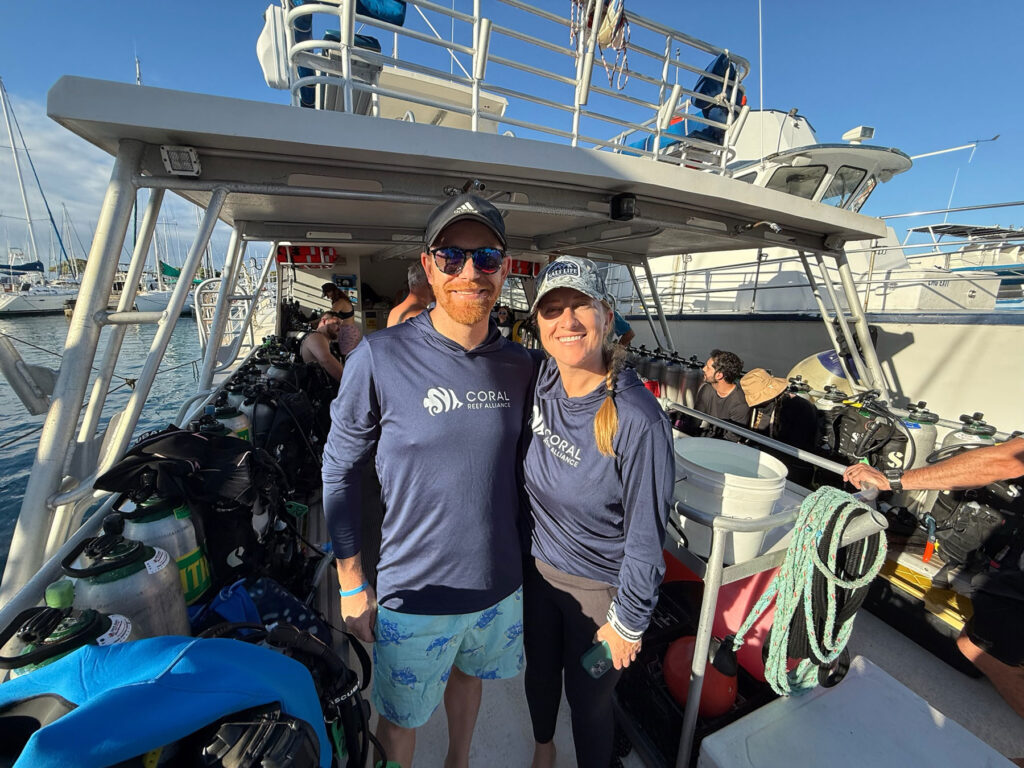
By leaning into the connections of our supporters, CORAL has worked with dive clubs to offer opportunities to deepen understanding of reef ecosystems, the threats they face, and the role clean water, healthy fisheries, and local stewardship play in reef resilience. Within these peer-to-peer environments, reef-safe behaviors become normalized.
The Future of Reefs Is a Team Effort
Coral reefs don’t just need saving—they need champions who understand them, respect them, and are willing to show up for them again and again.
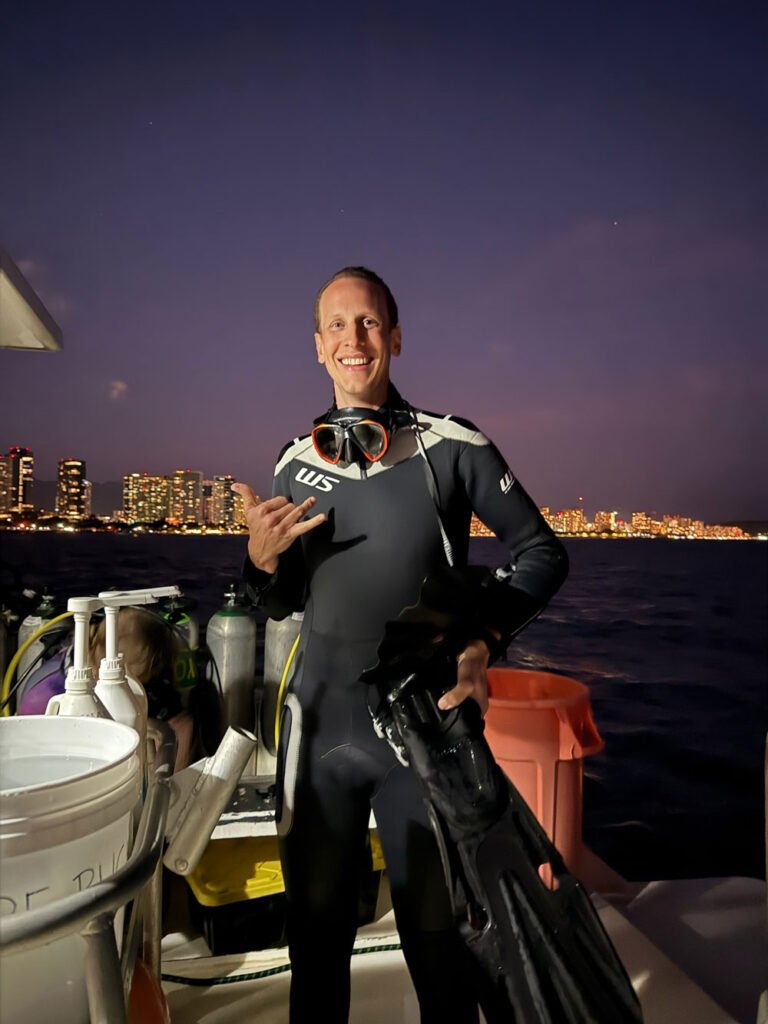
Dive clubs, snorkel groups, and freediving communities can play a meaningful role by:
- Sharing reef science and conservation stories with members
- Hosting educational talks or learning sessions
- Organizing fundraisers or awareness campaigns
- Supporting CORAL’s clean water and reef resilience initiatives
- Participating in fundraising or awareness campaigns
- Connecting members to science-based reef protection efforts
You and your network of underwater buddies already do that every time they descend below the surface. By deepening their involvement in reef protection, dive communities can help ensure that the places they love to explore today are still thriving tomorrow.
What You Can Do
Are you part of a dive club, snorkel group, or freediving community – or do you know one that cares deeply about the ocean? We’d love to connect.


