

When you support a nonprofit, you’re doing more than giving money. You’re placing trust.
Trust that your dollars lead to cleaner water.
Trust that wildlife is healthier.
Trust that ecosystems are stronger tomorrow than they are today.
But good intentions aren’t enough. In conservation especially, effort doesn’t always equal results. A beach cleanup might feel meaningful, a new protected area might sound impressive, and a social media campaign might look successful.
Yet the environment can still decline, and that’s why impact numbers matter.
An impact report isn’t just a recap. It’s accountability. It shows whether an organization is investing in actions that lead to measurable, lasting change—not just activity.
Impact data helps answer the only question that truly counts: Is this work actually improving conditions for the planet and the people who depend on it?
And as a donor, it helps you decide where your support will do the most good.
What is an impact report, really?
At its core, an impact report connects three things:
Actions → Outcomes → Ecological results
Not how many events happened, how many posts were shared, or how busy the team was. But really, what changed for the environment and in the environment, what threats were reduced, and what conditions improved for wildlife?
In other words, the difference between doing work and moving the needle.
For coral reefs, that distinction is critical. Because reefs aren’t failing from lack of awareness. They’re suffering from very specific, measurable pressures, like polluted water, overfishing, and climate stress.
Which means the best conservation focuses on reducing those stressors and tracking whether the solutions are working.
Coral reefs need more than just hype. They need the right conditions.
Here’s something many people miss: Corals already know how to survive.
They’ve existed for millions of years, adapting to changing ocean conditions long before humans arrived. What they need now is for us to fix the problems we created. They need breathing room.
Clean water, fish, balanced ecosystems, and less stress.
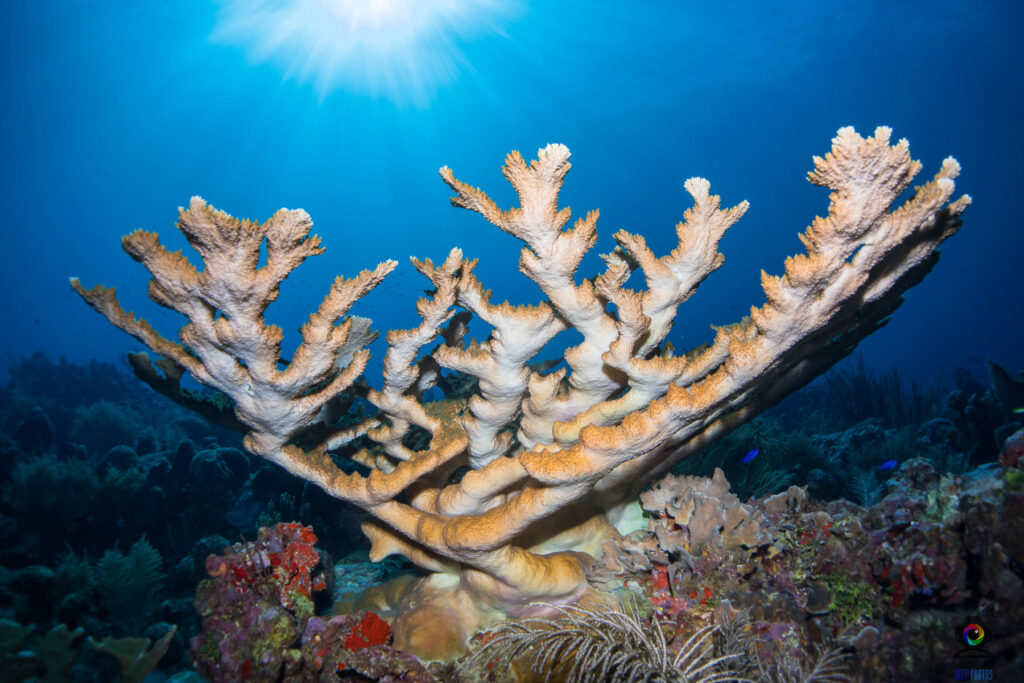
Scientists call these enabling conditions—the local factors that give reefs a fighting chance to adapt to warming seas.
This is where impact metrics become powerful. Because when you measure the right things, you can see whether those enabling conditions are improving.
The coral reef conservation metrics that actually matter.
If you’re reading an impact report for a reef organization, these are the numbers worth paying attention to—and why.
1 – Effectively managed marine protected areas (not just acreage)
Headlines like “100,000 acres protected” sound impressive, but size alone doesn’t tell the story. A protected area on paper that isn’t enforced can still experience illegal fishing, anchor damage, and habitat loss.
What matters more is effective management.
Look for:
- Active enforcement (like patrolling)
- Community buy-in and partnerships
- Monitoring and compliance
- Demonstrated improvements in fish populations or reef health

This matters because healthy fish communities control algae, maintain balance, and allow corals to grow. Without good management, reefs quickly tip out of balance.
Management quality > map coverage. Every time.
2 – Water quality improvements
Corals are extremely sensitive to pollution. Sewage, nutrients, and bacteria don’t just make water murky. They can increase disease, smother corals with algae, affect reproduction, slow growth, and raise mortality rates.That’s why water quality metrics are some of the strongest indicators of real reef recovery.

Look for:
- Gallons of properly-treated wastewater (sewage)
- Reductions in sediment runoff
- Nutrient load and fecal bacteria reductions
- Upgrades to wastewater systems
- Communities connected to sanitation infrastructure
These numbers may sound less glamorous than planting coral fragments. But they often deliver far bigger and longer-lasting ecological returns.
Clean water is foundational. Without it, nothing else sticks.
3 – Science that informs real decisions
Science is all about gathering data to improve choices on the ground (and underwater).
Strong conservation organizations track and contribute to peer-reviewed research, make plans from critical data, influence management plans, and drive evidence-driven policies.
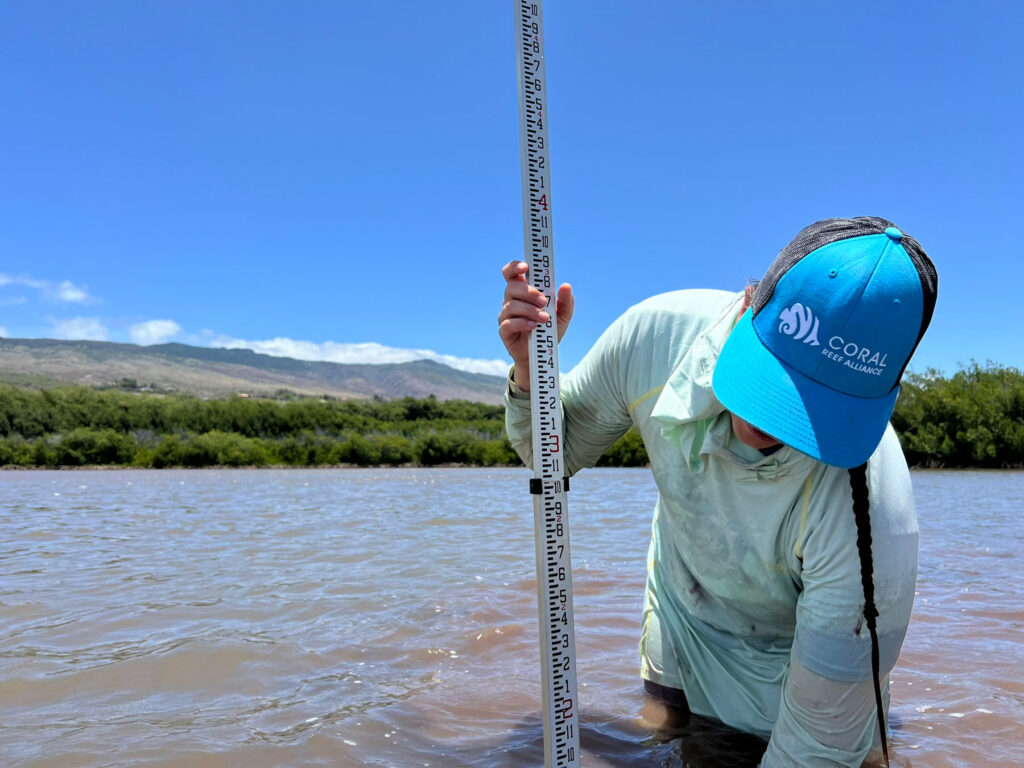
For coral reefs, this might include identifying heat-tolerant reef areas, strong current zones that reduce bleaching stress, critical fish spawning areas, and places with high recovery potential. This also includes educating other scientists and conservationists on new data and methods of coral reef monitoring and recovery.
This ensures conservation investments go where reefs can actually adapt based on research, not guesswork.
Tomorrow’s reefs depend on today’s vision.
4 – Durable, community-led solutions
Reefs don’t exist in isolation. They are deeply embedded in coastal communities, most of which are economically dependent on tourism.
If conservation doesn’t work for people, it won’t last.
Meaningful impact often shows up as local partnerships, long-term stewardship programs, community compliance with protections, and co-management agreements.

These aren’t always flashy metrics, but they determine whether progress holds five or ten years down the road. Look for that local involvement.
Putting it all together
When you read a coral reef impact report, ask yourself:
Are these numbers showing activity… or outcomes?
Are they measuring effort… or ecological change?
Are they focused on short-term optics… or long-term reef health?
The strongest reports demonstrate cleaner water, healthier fish populations, better managed protected areas, science guiding action, local leadership, and systems that reduce stress on reefs.
Because when those pieces fall into place, reefs can do what they’ve always done: adapt.


