

Across the Western Caribbean, coral reefs are shaped by local leadership as much as environmental conditions.
In 2025, the Coral Reef Alliance (CORAL) worked closely with communities, governments, and partners to reduce pollution, strengthen reef protection, and support the enabling conditions reefs need to withstand climate change. From Honduras to Belize and Mexico, this work focuses on addressing the root causes of reef decline, all while ensuring solutions remain locally-led and future-focused.
The Mesoamerican Barrier Reef
The Western Caribbean is home to the Mesoamerican Reef, the largest barrier reef system in the Western Hemisphere. These reefs support fisheries, tourism, coastal protection, and livelihoods for millions of people. They are ecologically vital—and increasingly vulnerable.
One of the most pressing threats facing the region is untreated or poorly treated wastewater. When sewage enters coastal waters, it introduces harmful nutrients and bacteria that weaken coral health and disrupt reproduction. Without addressing this land-based pollution, reefs face higher stress and are at greater risk of disease.
That’s why our Western Caribbean Hub focuses on reducing pollution at the source, strengthening local stewardship, and ensuring reefs are protected and managed effectively.
Turning Science into Lasting Impact
In 2025, our team worked alongside communities, governments, and local partners to assess water quality, identify pollution sources, and design wastewater solutions tailored to each place’s social, economic, and environmental context. This groundwork is essential. It’s what turns short-term fixes into long-term solutions. Designed to last decades, not just funding cycles.
Across the region, CORAL actively advanced 9 wastewater improvement projects, spanning assessment, design, implementation, and long-term sustainability. Together, these efforts are already preventing an estimated 34 million gallons of untreated sewage from reaching the ocean each year, with additional homes and communities scheduled to connect in 2026 and 2027.
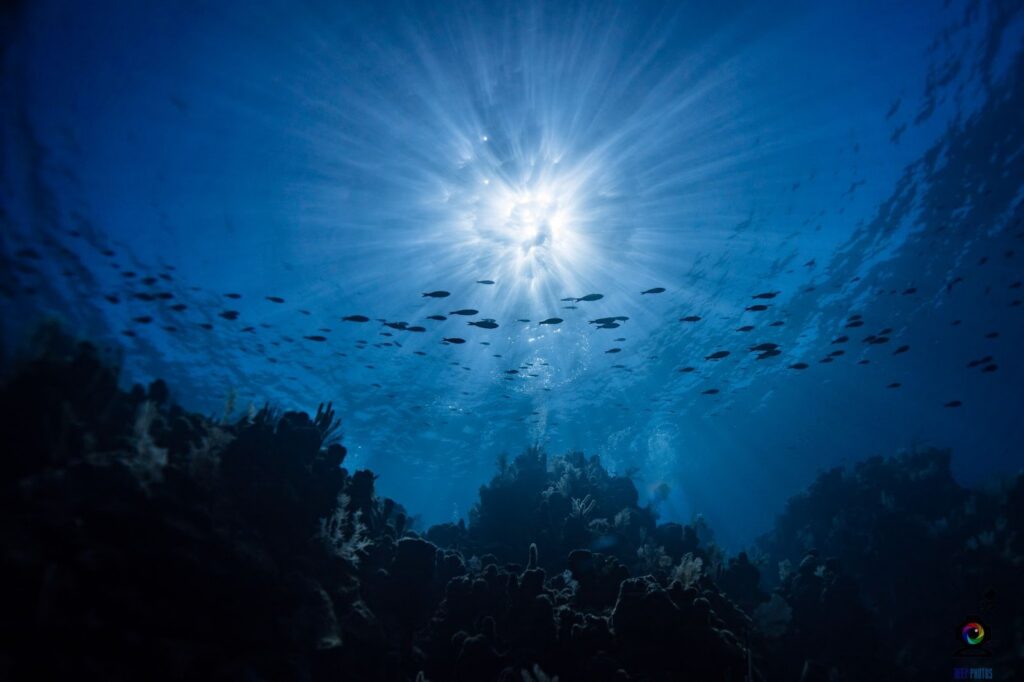
CORAL also finalized comprehensive water and sanitation infrastructure assessments in Roatan, Utila, Tela, and Trujillo, while moving similar efforts forward in Caye Caulker and Cozumel. These assessments brought up-to-date comprehensive information to support more coordinated planning across all participating parties, supporting continuity and long-term impact.
Progress Across the Region
In the Bay Islands of Honduras, CORAL supported system upgrades, long-term planning to address wastewater challenges, and is looking into collaborating with partners on new household connections in growing coastal communities.
In Belize, work continued in Caye Caulker to evaluate wastewater needs and solutions that protect nearshore reefs while supporting the island’s tourism-based economy. A similar process is underway in Mexico, setting the stage for future implementation.
Across these sites, the emphasis remained the same: gain a deeper understanding of wastewater needs, propose the right solutions—focusing on either governance, infrastructure, finances, or all three—based on science, local context, and long-term feasibility.
Protecting Reefs Through Effective Management
Reducing pollution is only part of the equation.
Healthy reefs also depend on well-managed protected areas that sustain fish populations, maintain ecological balance, and support coastal communities.
In 2025, alongside partners, CORAL continued strengthening protection within the Bay Islands National Marine Park, supporting efforts to strengthen governance and protect its management plan and regulatory instruments. Through technical assistance, legal support, and facilitated discussions among co-managers, local leaders, and national authorities, the plan was successfully reinstated and republished in late 2025.
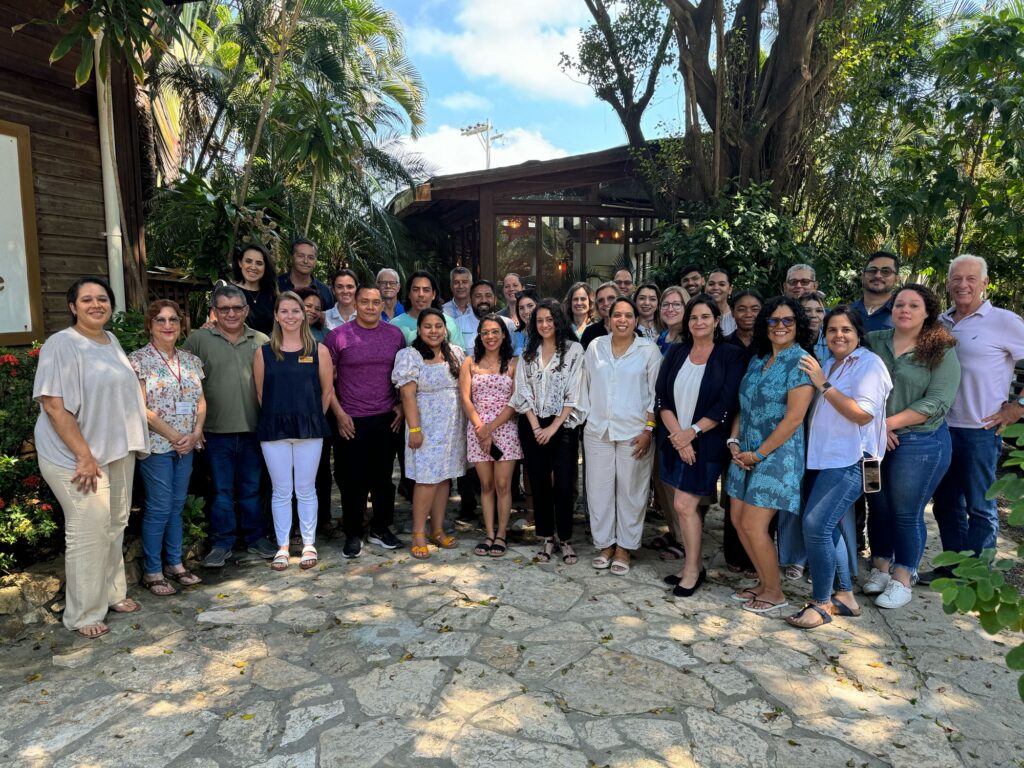
To help shape what comes next, CORAL developed and launched a survey tool across 16 fishing communities in Roatan, with more than 300 surveys planned. These surveys capture fishers’ perspectives on the proposed No-Take Zone, including how it could affect livelihoods and local economies. This data collection aims to shape the project to integrate a more inclusive design—highlighting concerns and strengthening transparency, trust, and community voice in policy conversations.
This work highlights an important reality: protecting reefs isn’t just about drawing lines on a map. It requires local leadership and shared responsibility from the people and institutions that depend on these reefs. Through this work, our team helped protect years of progress and set the stage for future improvements, including proposed no-take zones and deeper community participation.
Why These Efforts Matter
Coral reefs cannot recover (or have a better chance at adaptation) if they are overwhelmed by pollution, overfishing, and weak management. By reducing everyday stressors, our work in the Western Caribbean helps reefs maintain their resilience, giving them a better chance of survival in a warming world.
Just as importantly, these efforts support the people who depend on reefs. Clean water, sustainable fisheries, and well-managed coastal ecosystems strengthen local economies, protect public health, and preserve cultural connections to the sea.


