There are stories in the Amazon rainforest that can’t be told from a distance. “Lanawaru” is one of them.
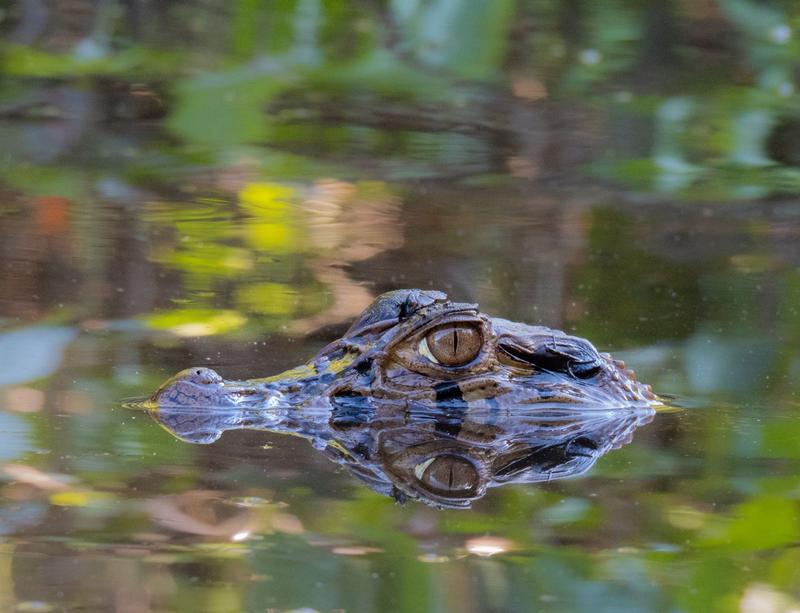
Set in La Pedrera, in Colombia, the film is shaped by ritual, quiet conversations and the haunting presence of the black caiman, the largest crocodilian species in the Amazon. This intimate glimpse into the world of the Curare-Los Ingleses Indigenous community reflects decades of collaboration with Conservation International.
That partnership has been shaped in large part by Erwin Palacios, a biodiversity expert with Conservation International-Colombia, who has worked in La Pedrera since 1992.
Speaking with Conservation News, Palacios reflects on what it means to build trust across generations, his decades working alongside the Curare–Los Ingleses community and what a short film like “Lanawaru” can teach the rest of the world about living in balance with nature.
Conservation News: “Lanawaru” won the Gold Hugo award for best documentary short film at the Chicago International Film Festival. What did that honor mean to you — and to the community?
Erwin Palacios: It was meaningful for the community to feel that their story was considered worthy of being told. What moved them most was seeing themselves portrayed with respect, in a cinematic language that doesn’t always reach them. The film affirms their story: who they are and why they protect their ancestral territory.
Where did the idea for “Lanawaru” come from?
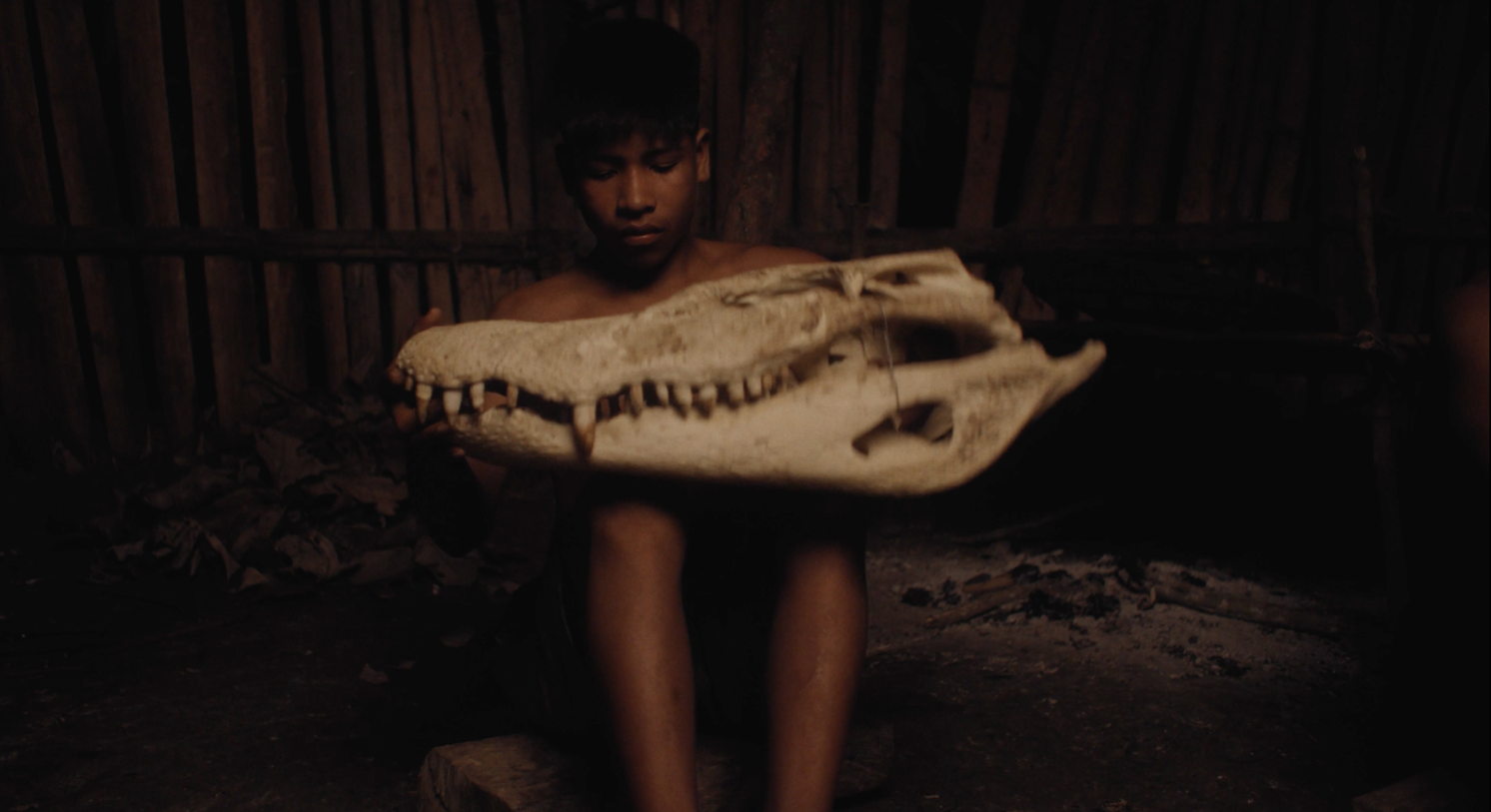
EP: It all started with a funding opportunity from the Bezos Earth Fund to create a short film in the Amazon. It was essential that the story was written with the community, not a story imposed from outside. I invited the director Angello Faccini to La Pedrera, where he spent time observing, listening and understanding life in the region, which included the community’s relationship with the river, their respect for the black caiman, the long boat trips and the spiritual interpretations of life in the forest.
It was from this experience that the idea for the film was born: a child trying to understand a major event — the disappearance of a community member — with the help of his grandfather.
Why do you think the community opened up its spiritual and cultural world to this project?
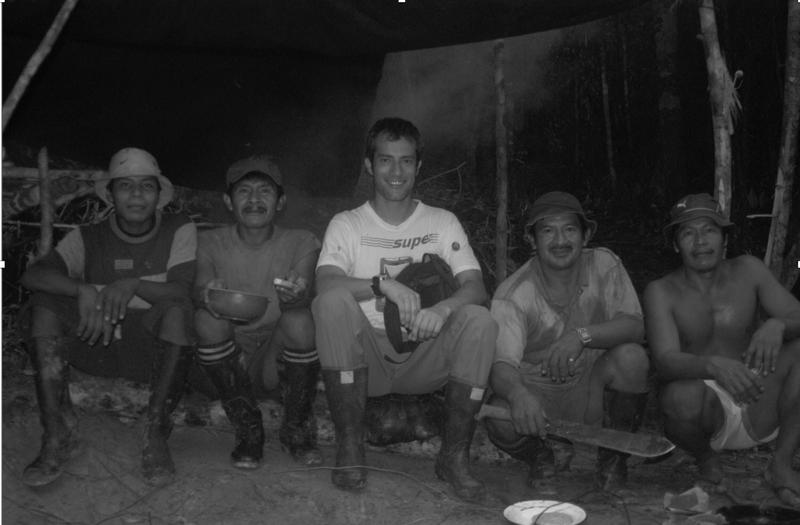
EP: Trust did not happen overnight. For more than three decades, I’ve worked with these households on fishing agreements, black caiman monitoring and conservation processes that we designed together. I put down roots here. I spent 13 years living in this community; my wife and kids moved with me, and we raised our family alongside the people of the community. For a while, my kids even picked up the Amazonian accent. It was one of the most special chapters of my life. And those roots allowed me to grow alongside the community, along multiple generations — to build a bond that goes beyond any project.
Many of today’s community conservation leaders are the very children who participated in the environmental education workshops that I led years ago. That bond, that trust, opened the door for the community to share aspects of a spiritual world that is rarely shown to outsiders. They are very careful with their spiritual world. They don’t share it with just anyone. It was an honor.
What does the caiman represent within the community’s worldview?
EP: The community holds two truths at once about the black caiman: it is the largest crocodilian in the Amazon, capable of inspiring very real fear, but it is also understood as a spiritual guardian of the forest — part of an unseen force that binds people and nature together.
For years, I’ve worked alongside the community to build community-led monitoring programs, where local monitors track black caimans and help protect the places they live. The community understands that protecting these species is part of protecting the territory itself, and they’ve taken an active role in that work.
This duality is essential to the film. The sudden disappearance of one of their own stirs fears rooted in the nearby river — both the physical danger the caiman represents and its role in maintaining balance within the forest.
What do you hope comes out of the international attention the film is receiving?
EP: I hope that “Lanawaru” will open more doors for other communities to tell their own stories. For me, the fact that a story born in a remote corner of the Amazon is now traveling the world is a celebration of the territory and those who care for it. It’s a reminder that when there is trust, anything is possible.