

On January 19, 2026, the Potomac Interceptor, a major sewer pipeline, collapsed along Clara Barton Parkway in Montgomery County, Maryland. The pipeline runs through the C&O Canal National Historical Park near the Potomac River, and the collapse caused the significant overflow of 200-300 million gallons of untreated wastewater into the Potomac River.
Crews installed emergency bypass and flow-control measures to reduce and ultimately contain the overflow while the longer-term repairs are planned alongside federal, state, and local agencies. The incident brought increasing attention to the condition of aging infrastructure that carries wastewater beneath our communities every day. It also raises scary questions about the consequences that occur when those systems fail.
The Potomac Interceptor’s collapse functions as an important symbol. It represents the risk that communities across the country face on a daily basis as they rely on wastewater systems that were built decades ago and which now exceed the amount of time they were intended to function. These systems break down, and the impacts go far beyond utilities and ratepayers. The failures can threaten water quality and harm river ecosystems. They require costly emergency responses that take resources away from long-term solutions.
The scale of the challenge is national. The U.S. Environmental Protection Agency’s Clean Watersheds Needs Survey is the federal government’s comprehensive assessment of wastewater and stormwater infrastructure needs. It notes that about $630 billion will be required over the next 20 years simply to maintain and modernize publicly owned wastewater treatment works and other clean water infrastructure across our nation. This figure shows how much investment is truly needed to repair these aging systems and meet water quality goals in order to protect rivers and downstream communities. Infrastructure failures will continue to occur without sustained funding, and with them will be real consequences for public health and the environment.
What Are State Revolving Funds?
State Revolving Funds (SRFs) are one of the best and most important tools at cities’ disposal to solve this need for better infrastructure. The Clean Water State Revolving Fund and the Drinking Water State Revolving Fund are long-standing federal–state partnerships that provide affordable financing to communities for water infrastructure projects. SRFs support investments in wastewater treatment and stormwater management. They also aid projects that protect drinking water supplies. These programs allow states to tailor investments to local needs, which can mean anything from upgrading treatment plants to improving stormwater systems to restoring natural features that support water quality.
SRFs are designed to let public dollars stretch over time because, as loans are repaid, the money goes back into the fund and can be used again to support new projects. SRFs are a proven tool that empowers states to address community water needs and support job creation and long-term economic benefits tied to infrastructure investment.
Why SRFs Work for Rivers and Communities
SRF investments help prevent failures in these systems — like what happened on the Potomac — because they enable communities to upgrade infrastructure before it reaches a breaking point. SRFs play an important role in cutting down pollution and improving water quality while supporting resilient water systems. SRFs can fund nature-based infrastructure such as wetlands and floodplains, and some recent policy proposals call for dedicating a significant share of SRF capitalization to these projects because of their flood-risk and water-quality benefits. They are an incredible tool to deliver co-benefits for people and rivers.
These approaches are especially valuable as communities face increasing pressure from extreme weather and changing hydrologic conditions. Investing in solutions that work with natural processes, SRF-funded projects can strengthen resilience while protecting drinking water sources and downstream ecosystems.
Why This Moment Matters
The Potomac Interceptor collapse offers a clear illustration of what happens when aging systems are pushed beyond their time limits. Emergency repairs and temporary fixes are costly, and they are disruptive. This clean-up is far less effective and more expensive than proactive investment. At the same time, the EPA’s national assessment shows that infrastructure needs are widespread and substantial. These realities point to a simple conclusion that continuing to defer investment will only increase risks and costs over time.
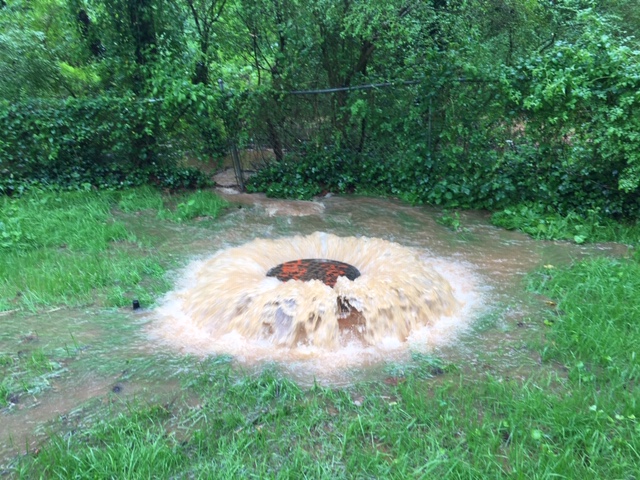
The nation’s documented clean water infrastructure needs are roughly seven times greater than current annual federal investment levels. While the State Revolving Funds (SRF) are currently authorized up $3-4 billion per year, American Rivers estimates that at least $10 billion annually is needed to adequately address wastewater and stormwater infrastructure demands.
People across the country depend on functioning wastewater systems every day, even though many rarely think about them. The failure of these wastewater systems can contaminate rivers and impact recreational waters, causing communities to face significant environmental and financial consequences. Investing in water infrastructure is therefore a choice to dedicate funds for the protection of public and river health, as well as community resilience.
A Call to Action for Congress
Investing in State Revolving Funds is one of the most direct ways Congress can help communities modernize wastewater systems and protect rivers. State Revolving Funds work, but their impact depends on strong federal leadership. It is key to reauthorize and strengthen SRFs through increased federal investment and streamlined access for small and disadvantaged communities. In addition, there must be dedicated funding to natural infrastructure and modernization of permitting and project delivery. These reforms would help ensure that SRFs are equipped to meet today’s infrastructure challenges and support solutions that protect both people and rivers.
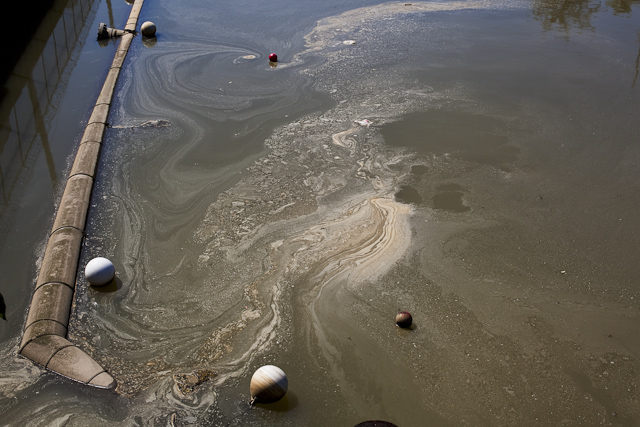
The infrastructure needs identified by EPA and the visible consequences of water system failures like the Potomac Interceptor collapse show that this is not a problem Congress can afford to ignore. We know how to fix the problem. What is needed now is the political will to scale to match the magnitude of the challenge.
As Congress considers a water infrastructure package, American Rivers will urge Members of Congress to enact SRF reforms to fix our pipes, modernize water systems, and protect rivers.
You can join us by taking action now.

