

On a cold and overcast day in November 2025, a small team stood at the edge of a degraded wetland in Seattle, Washington, and excitedly discussed construction plans for a wetland restoration project that had been decades in the making.
A 10,000-year-old wetland in Roxhill Park known as the Roxhill Bog is one of the few surviving fragments of a much larger peat bog ecosystem that once flourished in the Northwest. The 5.3-acre wetland is the headwaters of Longfellow Creek, which travels for about four miles before entering the Duwamish River, the only naturally flowing river that still runs through Seattle, and one of America’s Most Endangered Rivers® in 2019.
Peat bogs occur in cool, wet environments and are exceedingly rare, covering only 3% of the Earth’s land. They form over millennia from the accumulation of dead plant material and act like sponges, holding water and slowly releasing it over time. This provides stable flows and cooler water to downstream river systems during drier summer months and helps to retain water when it floods.
Peat bogs filter water pollutants and provide a home for many unique plants and animals, including sphagnum moss, bog laurel, Labrador tea, Makah butterflies, and bog lemmings. They also contribute outsized benefits to the world’s climate, storing about 30% of land carbon.
Over time, peat bogs in Seattle were drained, filled, and paved over by urban development. The remaining patch in Roxhill Park slowly dried up due to groundwater diversions, which impaired water quality, destroyed downstream salmon habitat, and limited safe public access to open recreational spaces.
“One of my colleagues at Seattle Public Utilities put it best — the bathtub is broken, the natural processes that once allowed water to remain onsite are no longer working,” said Danielle Devier, senior urban ecology analyst with Seattle Parks and Recreation. “Repairing the broken bathtub is one of the best ways to rewet the bog.”
Members of the surrounding community in West Seattle were alarmed at what was happening in their local park. They came together in 1999 to advocate for the restoration of the Roxhill Bog to help recover lost habitat and ecosystem functions.
“This is the last of Seattle’s original 32 peat wetlands, located within an urban area of low-income, diverse communities where this natural area is their sole connection to nature,” explained Sharon Leishman, executive director of the Duwamish Alive Coalition.
“People gather here to experience the ethereal bloom of the fawn lily, hear chorus frogs at twilight, and see the magic of dragonflies, but this special ecosystem is being lost.
The power of community, which started with two neighbors, has grown into a broad, collaborative effort of persistence, patience, and passion. We are all stewards of these lands and waters. We are all connected.”
With support and funding from the Seattle Parks Foundation, King County Wastewater Treatment Division, the Rose Foundation, and the Cox Foundation, plans for the bog’s restoration eventually began to form. American Rivers joined the effort in 2019, serving as project manager for engineering and construction.
Finally, in late November 2025, construction contractors with Rodarte Construction, Inc., excavated earth and installed 15-foot-high pilings into the Roxhill peat. The pilings form an underground wall for 300 feet along the park’s trails. The wall is designed to slow the flow of groundwater and raise water levels to rehydrate the degraded peat wetland.
Just like the day construction started, rain drizzled down as contractors placed the last shovel of gravel. Nature responded almost immediately. By mid-December, groundwater had risen three feet, with water pooling at the surface of the bog. This showed the engineering design of the groundwater block was working well and starting to rehydrate the peat bog.
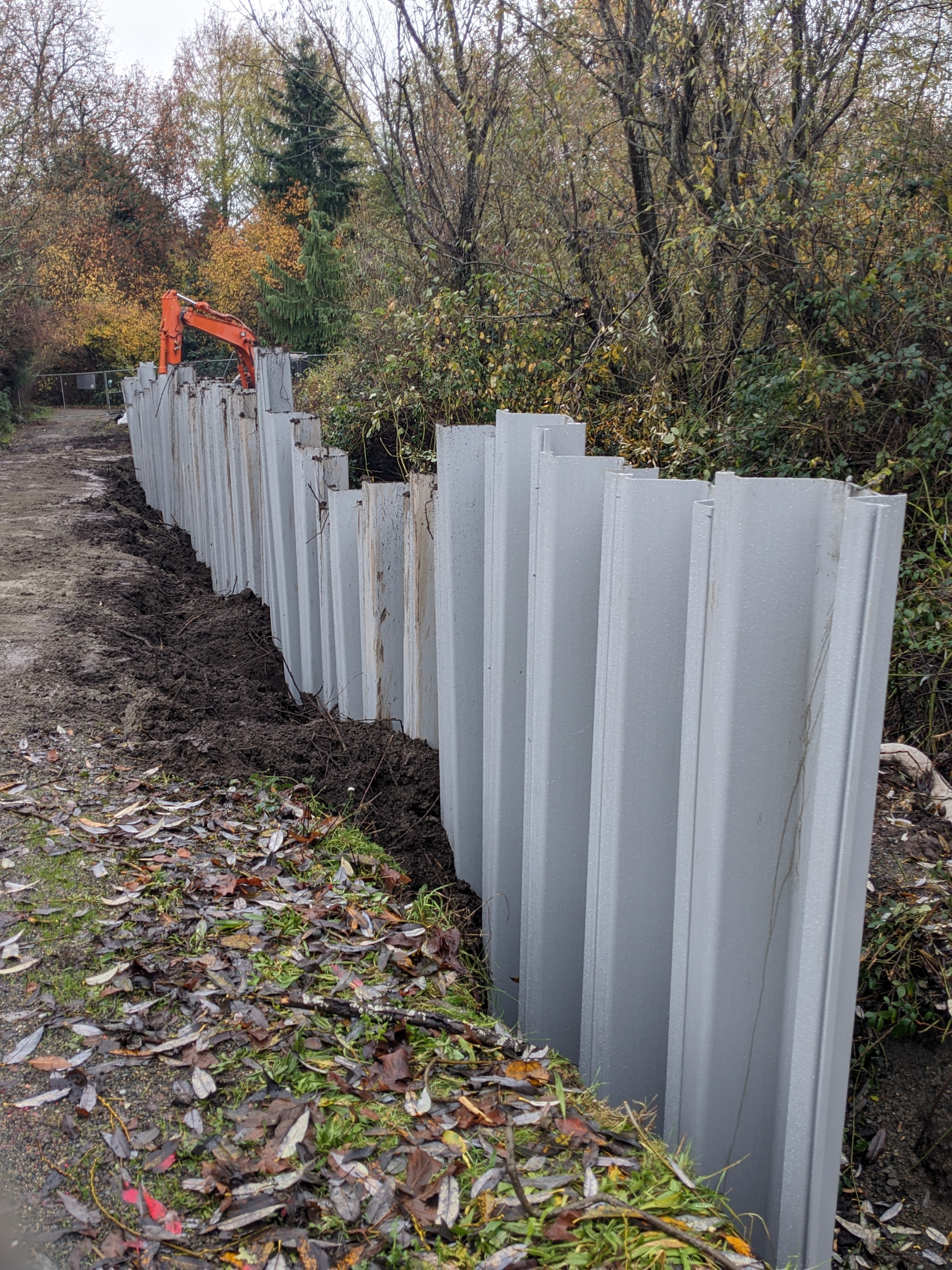
“Completing this first phase of the bog’s restoration provides a model for how urban areas across the country can restore wetland functions and improve the quantity and quality of water for people, fish, and wildlife,” said Sarah Dyrdahl, Northwest regional director for American Rivers. “In addition to the West Seattle community, we hope salmon in the downstream Duwamish will be the big winners of this work.”
The bog’s water level will be monitored over the coming years to help inform additional restoration, including work by Seattle Public Utilities to reroute stormwater and by Seattle Parks and Recreation, which may install more blocks to increase groundwater retention.
A few days after construction, community volunteers planted native species in the project area to jumpstart the revitalization of the wetland ecosystem. Local organizations and project partners, such as the Delridge Neighborhoods Development Association, plan to host more nature walks, art activities, and class field trips centered on peat bog ecology. They are also facilitating trash pick-up events in collaboration with the Green Seattle Partnership.
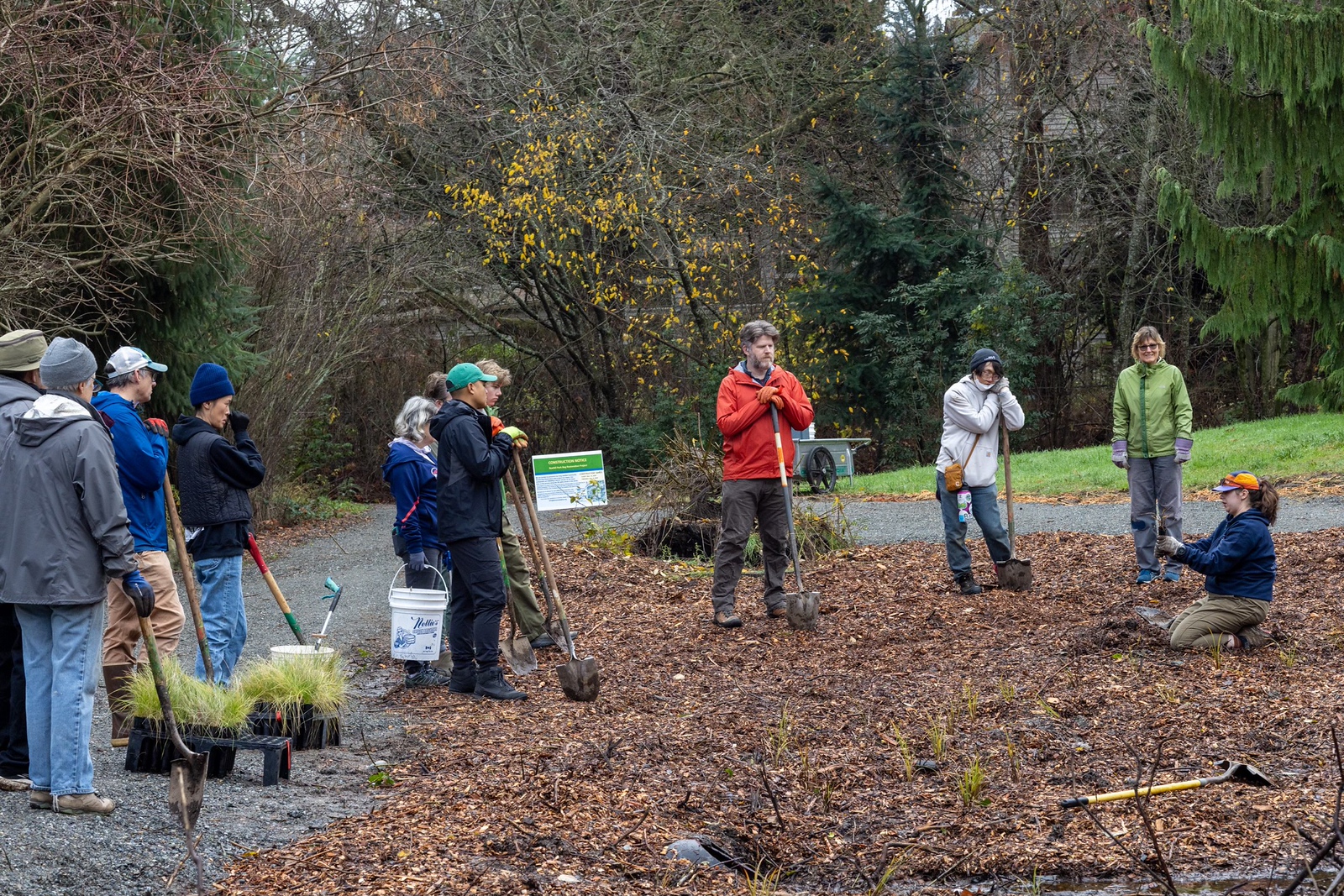
“It’s been an honor to be part of the restoration of Roxhill Bog and to work alongside the community in caring for this important ecosystem,” said Caroline Borsenik, environmental programs director with the Delridge Neighborhoods Development Association. “I’m excited to see Roxhill continue to grow as a place where restoration and community come together, and where people can connect with, celebrate, and enjoy this special place.”

