

By Kasey Short
Thoughtfully planned community reads, paired with author visits, have the power to strengthen school community, support belonging, and create shared experiences that are long-lasting and memorable.
For the past three years, I have worked with our faculty to design author visits that extend beyond a single assembly. By centering these visits around shared texts, summer community reads, advisory discussions, interdisciplinary curriculum connections, and small group interactions, we’ve succeeded in creating experiences that have lasting impacts on students and faculty.
We begin in summer
Asking students and faculty to read a book over the summer written by a guest author that will visit in the fall establishes a shared language and experience before the author arrives on campus. This advance engagement builds excitement and engagement while also allowing authors to engage students at a deeper level.
Students arrive prepared to ask thoughtful questions, make meaningful connections, and experience how the author’s message connects across disciplines. Maybe most important, students begin to view the author and their work as a part of their educational experience rather than a one-day guest.
Upping the Impact
While each author’s visit is unique, I have found five key elements that consistently help make a “community read paired with an author” visit meaningful and impactful for the school community.
1. The Community Read: Choose an anchor text that students and faculty read before the visit. This works especially well as a required summer read for both students and faculty. When possible, having additional picture books or shorter texts by the author available during the school year allows for continued engagement.
2. Designated Advisory Lessons: In my role as Middle School Director of Studies, for each author I create questions and activities for teachers to use with their advisory students. This provides opportunities to deepen engagement, process ideas, explore themes, make personal connections, and develop a deeper understanding in a small group setting.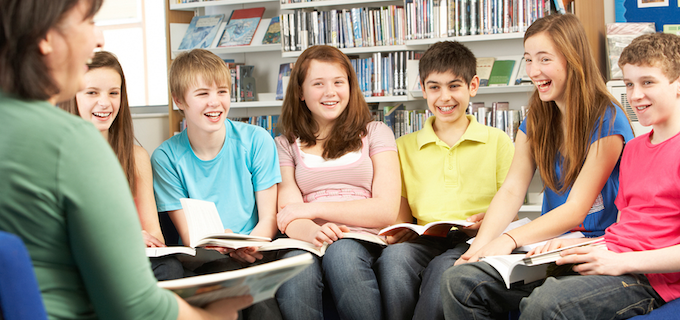 3. Interdisciplinary Focus: When deciding which authors and books to choose, I look for ones that allow for an interdisciplinary focus. For the past three years, our community reads have supported interdisciplinary connections among art, history, science, and English Language Arts (I also teach eighth grade ELA classes), reinforcing that stories are central to all areas of learning.
4. Large and Small Group Opportunities: We plan a mix of experiences so that all students can participate while also offering smaller, more personalized interactions. Assemblies help build larger-scale shared experiences, while workshops, lunches, and small-group sessions allow interested students to engage on a more individual level.
5. Vary the Texts and Focus: Consider author visits and texts with a multi-year lens, with a child’s entire middle school experience in mind. In our fifth through eighth middle school, we plan within a four-year cycle to ensure students experience a range or genres, perspectives, and topics. In the current cycle students have read a graphic novel, a fantasy novel, a historical fiction novel in verse, and will read an illustrated memoir this summer.
Some Visiting Author Highlights
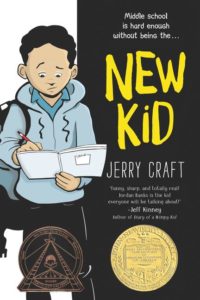 Jerry Craft’s visit was the first that I planned using this model. Faculty and students in grades 6-8 read New Kid as their community summer read before his fall 2023 visit. Craft engaged students from third through twelfth grade, sharing his experiences as an author, illustrator, and former student at an independent school similar to ours.
During his visit, he spoke candidly about how his own school experiences inspired the New Kid series, demonstrated drawing techniques during an assembly, led a small-group art workshop focused on creating comics, and shared lunch with a group of students. His visit reinforced themes of identity, belonging, and voice that resonated across grade levels.
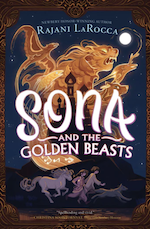 In 2024 Rajani LaRocca brought together literature, science, culture, fantasy, and personal narrative in ways that deeply engaged students. Students and faculty read Sona and the Golden Beasts as the summer community read, 6th grade students read Red, White and Whole as part of the Language Arts curriculum, and many teachers also shared her picture books in advisory.
During her visit LaRocca spoke to the entire middle school about connecting fantasy to real-world issues and demonstrated how her lived experience shapes her writing. She also worked with two small groups of students to complete a banana DNA extraction lab and had lunch with a group of students.
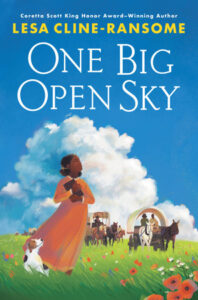 Earlier this school year, we welcomed Lesa Cline-Ransome and James Ransome following our community read of One Big Open Sky, a historical fiction novel written in verse. Teachers also shared their picture books during advisory. The guest author and illustrator duo offered students opportunities to engage with history, art, research, poetry, and storytelling.
After a joint presentation and live drawing demonstration, some students attended a small group session with James where they created a collage, and another small group attended a poetry writing workshop with Lesa. Then an additional small group had lunch with both creators.
Next year we plan to welcome James Robinson and focus our community read on his illustrated memoir, Whale Eyes.
Opting for Virtual Visits
 You don’t need a famous author or a large budget to create meaningful author experiences. When in-person visits are not an option, virtual visits can provide students with opportunities with less cost and more flexibility. Many authors refined their virtual presentation skills during Covid and still offer virtual visits for schools and communities. In 2022 we had an amazing Zoom author visit with Kelly Yang.
What matters most is intentional planning, shared reading, and a commitment to build community through stories. When students and faculty come together to read a book and then interact with the person who created it, reading becomes relatable, memorable, and transformative.
These lasting experiences remind our students that stories connect us, help us understand the world, and give us language for our own experiences.
Kasey Short is the Middle School Director of Studies and an 8th Grade English Teacher and Advisor at Charlotte (NC) Country Day School. She loves to share ideas from her classroom and her leadership roles. Kasey attended the University of North Carolina at Chapel Hill where she earned a bachelor of arts in middle school education with a concentration in English and history. She went on to earn a master’s in curriculum and instruction from Winthrop University. Browse all of Kasey’s MiddleWeb articles here and follow her at Bluesky.

