

If you’ve ever stood beside a rushing river and felt a particular kind of peace — the sound of water moving the way it was always meant to move — you might appreciate just how significant our new report on dam removals across the country really is.
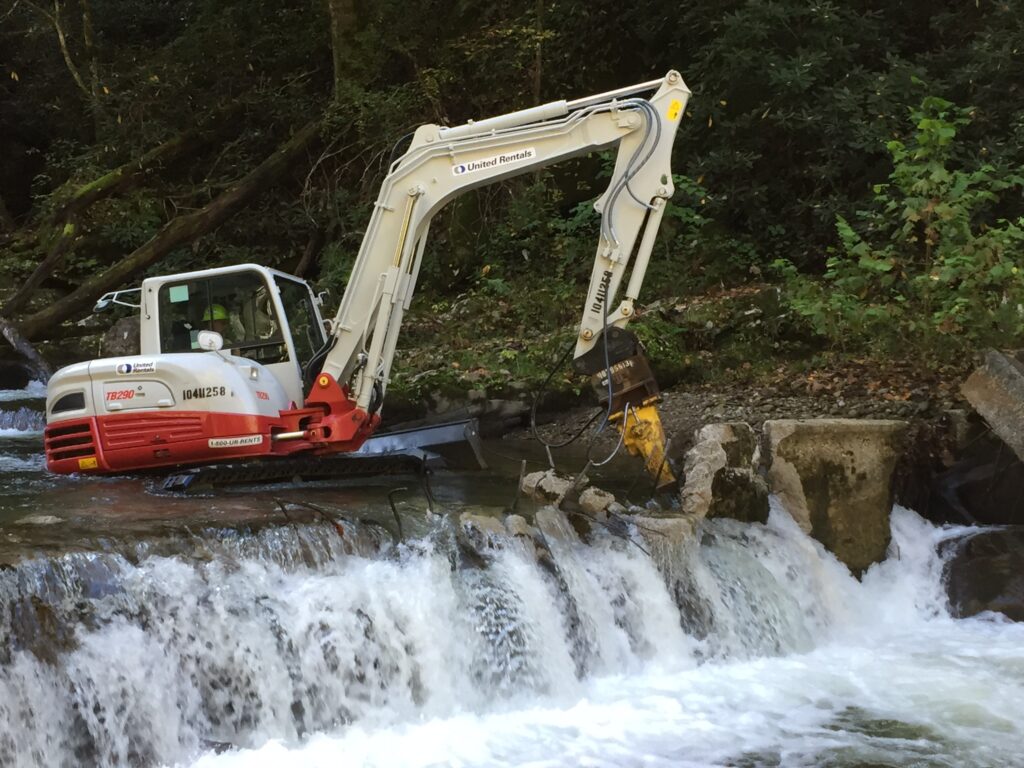
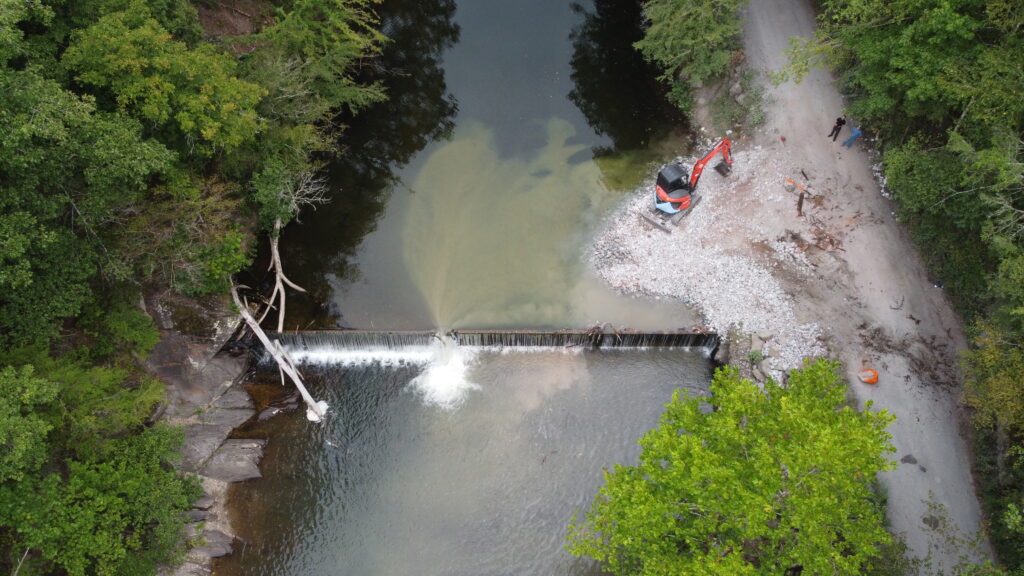
In 2025, the United States removed 100 dams. One hundred outdated, often crumbling, and frequently dangerous structures were pulled from our waterways across 30 states. In their wake, more than 4,893 miles of river were reconnected — the most upstream miles ever reconnected in a single year in the U.S. through dam removal. In these rivers, water is flowing freely again for the first time in decades, sometimes centuries.
That’s not just a conservation win. That’s a transformation.
There have now been 2,350 documented dam removals in the U.S. since 1912.
So why are we removing dams, exactly?
You might be wondering: weren’t dams built for a reason? Yes, but most of those reasons are outdated, much like these dams. The U.S. has more than 500,000 dams in its national inventory, and a staggering number of them are simply sitting there: no longer generating power, no longer supplying water, no longer serving any practical purpose. What they are doing is blocking fish from reaching spawning habitat, warming water in stagnant reservoirs, threatening public safety, and accelerating flooding risks during storms.
Removing a dam is one of the fastest and most effective ways to bring a river back to life. Within days of removal, bugs return. Within weeks, native fish are swimming reaches they haven’t accessed in generations. The whole watershed starts breathing again.
American Rivers has a bold goal: remove 30,000 dams by 2050. With 2,350 removals logged since 1912 — and momentum clearly building — that mission feels more achievable than ever.
The most common reason cited for removal? Ecology — cited in 59 of the 100 projects last year. Dilapidated or failing structures came in second (37 projects), followed by safety concerns (20). It’s a telling breakdown: communities aren’t just tearing out dams because they’re falling apart. They’re doing it because they understand that living river systems depend on free-flowing water to thrive.
Tell Congress to fund water infrastructure
Put public safety first and provide dedicated funding for the regular upkeep, rehabilitation, or removal of dams. Tell Congress to invest in healthy rivers for future generations.
Where are Dams Coming Out?
Pennsylvania continues to lead the nation in dam removals, with 14 dams removed in 2025, for a total of 433 dams removed since 1912. Pennsylvania has been a historical leader in dam removal and river restoration, its momentum illustrating an acknowledgment of state agency leadership in prioritizing the removal of obsolete and failing infrastructure.
The Northeast region really showed up in 2025 as well— Massachusetts removed 11 dams, and Vermont removed nine! Massachusetts and Vermont learned valuable lessons after significant flooding in their states highlighted the need to address failing dams and undersized road-stream crossings.
In particular, Massachusetts’ Division of Ecological Restoration has provided much-needed funding and technical support to restore rivers, streams, and wetlands. Their effort is further supported by the Dam and Seawall Repair or Removal Program, which provides funding for critical water resource projects and is a good model for other states. Vermont’s momentum can, in part, be attributed to first-of-its-kind legislation— the Flood Safety Act— passed by the state in 2024. The law made significant investments in protecting people from the flood risk that aging dams present while also restoring rivers and community health.
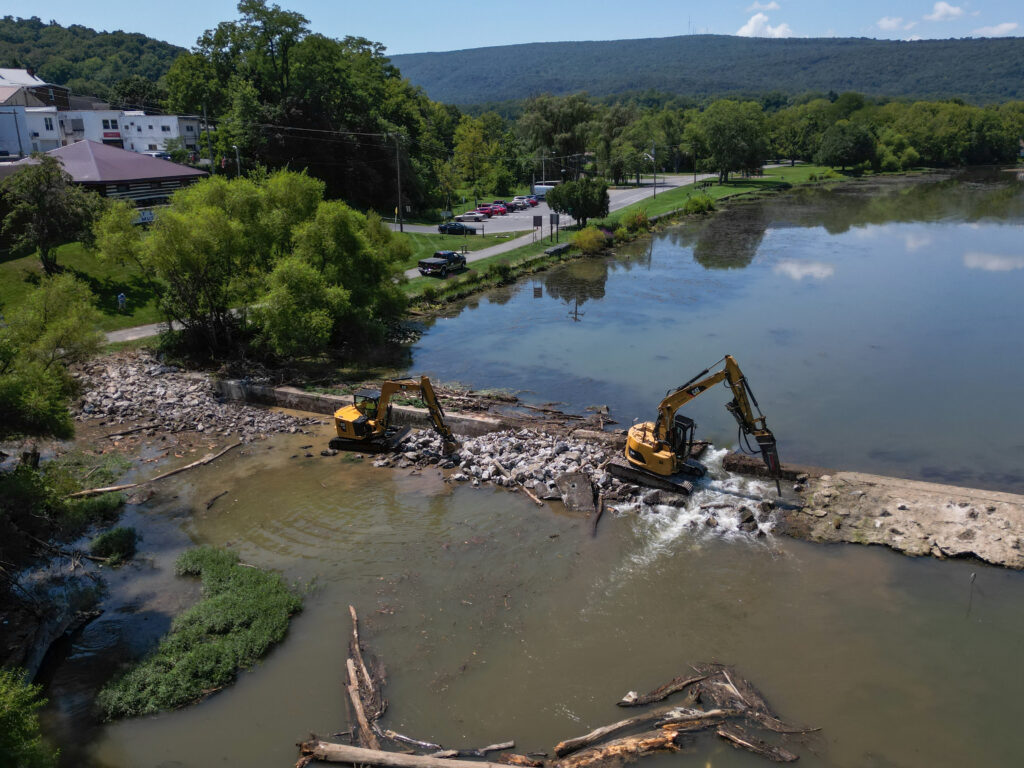
That’s not all! The Southeast alone reconnected 2,424 upstream river miles in 2025. The Great Lakes and Central regions added more than 1,446 miles. These numbers represent real habitat — real spawning grounds, real migration corridors, real flood buffers — returned to function as nature intended. The record reconnection of upstream river miles in 2025 was driven by major river stretches in the Great Lakes and Southeast regions from Florida, Indiana, Kentucky, Ohio, and Tennessee. Communities across the nation are showing up in support of healthy rivers and safer river corridors.
In Iowa, the Forest City Dam came down on the Winnebago River, reconnecting 99 upstream miles for fish passage and opening up wetland spawning habitat for northern pike. It also reduced flood risk to a local park — a reminder that dam removal benefits extend well beyond the water itself.
In Delaware, the historic DuPont Experimental Station Dam on the Brandywine River was removed as part of a multi-dam effort. After a previous removal upstream in 2019, American shad were spotted spawning in the Brandywine in Wilmington for the first time in over a century. These projects are literally bringing back fish that had not been seen in living memory.
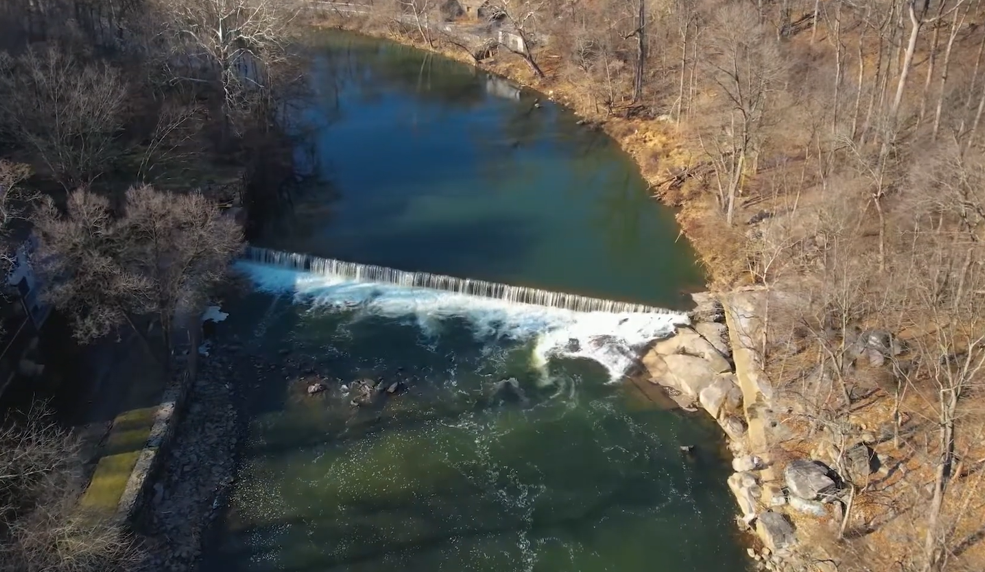
In Virginia, the Georges Mill Dam came out of the South Mayo River. Seven people had drowned at that site over the years. Its removal didn’t just improve passage for the endangered orangefin madtom — it eliminated a genuine hazard that had cost human lives.
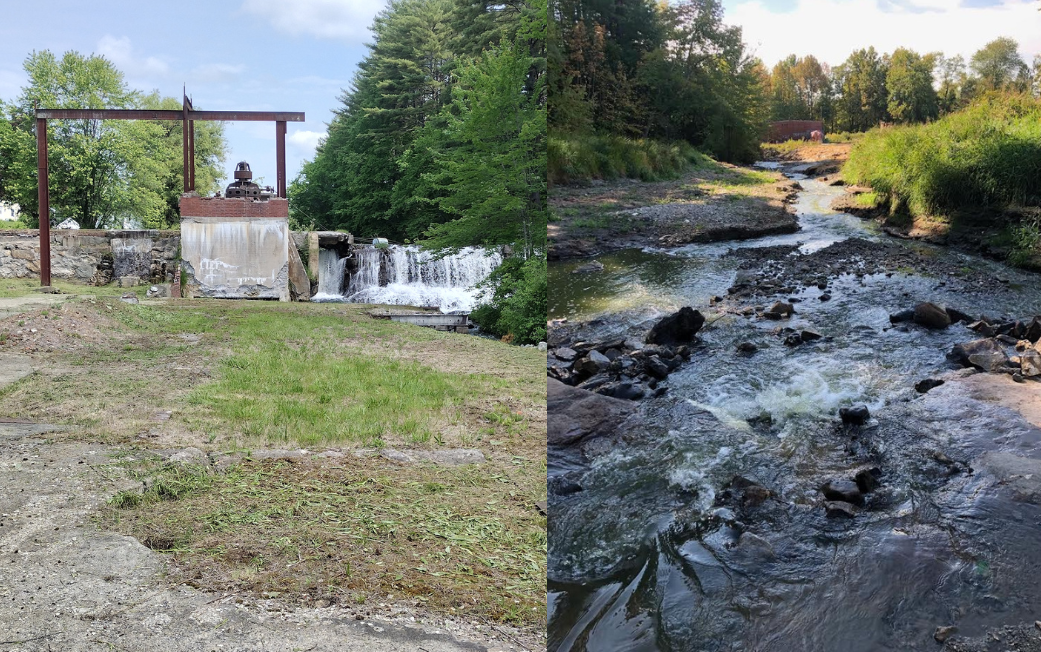
In Maine, the Mill Pond Dam removal on the Sabattus River was part of a broader effort to open access to 2,429 acres of spawning habitat and 75 miles of stream for sea-run fish. The potential? An annual run of more than one million adult alewives — a keystone species that feeds everything from eagles to whales.
In California, the Jenny Creek Diversion Dam near the Klamath River was removed by Trout Unlimited and the state Department of Fish and Wildlife, with the Yurok Tribe and Shasta Indian Nation participating in cleanup and cultural monitoring. It’s a powerful example of how dam removal can be an act of cultural restoration just as much as an ecological one.
In Utah, Zion National Park’s Temple of Sinawava Dam came down as part of a program to restore the Virgin River — a Wild and Scenic River — for species like the Virgin River chub and woundfin, fish that once thrived there and are now fighting for survival.
What This Means for the Future
Dam removal isn’t just an environmental story — it’s a community story. It’s about cities in Indiana removing hazardous lowhead dams that were threatening kayakers. It’s about a college in Vermont turning a dam removal into a living classroom for students. It’s about tribal nations in California and the Pacific Northwest reclaiming cultural practices tied to salmon runs that were nearly wiped out.
The goal of 30,000 dam removals by 2050 is ambitious. But 2025’s 100 dams down is proof that when communities, agencies, conservation groups, and tribal nations work together, rivers can come back — and they can come back fast.
One hundred dams. Nearly five thousand miles of river, flowing free again. Not bad for a single year.
If you want to learn more about some of the great projects completed in 2025, check out our annual summary.

