

On a snowy February morning, Toby Rodgers strapped on a pair of snowshoes and trudged across a snowy field in Washington’s Cascade mountains. Rodgers, a hydrologist for the U.S. Department of Agriculture’s Natural Resources Conservation Service, had traveled into the mountains that morning to sample snow. He had also brought along something unusual looking: a long aluminum tube, with a sharp serrated bit on the end.
When he reached his destination, Rodgers carefully positioned the tube in front of him, then quickly drove the tube into the ground. Then, he pulled the snow-filled tube out of the ground, and weighed it on a spring scale. From this simple measurement, Rodgers could get a sense of how much snow was in the mountains — and how much water might be in the rivers, lakes, and reservoirs downstream when it melts in the summer.
The tube that Rodgers used is called the Church Sampler. And while it’s super-simple and low-tech, it’s arguably one of the most influential devices ever invented for predicting drought and managing water.
A century-old device that’s still in use today
The Church Sampler was invented by James Church, often known as the father of snow science. Church was a classics professor in Reno, Nevada in the early 1900s, and when he wasn’t teaching Latin or old literature, he loved taking winter hikes in the Sierra Nevada mountains. And it was probably on one of those snowy hikes that Church made a realization.
Reno, like much of the West, got most of its water from mountain snow, which melted into Lake Tahoe and flowed down the Truckee River. But even back then, water resources were starting to get a little thin. There were all these farms and industries popping up, using more and more water, but no one was really managing the water in any serious way.
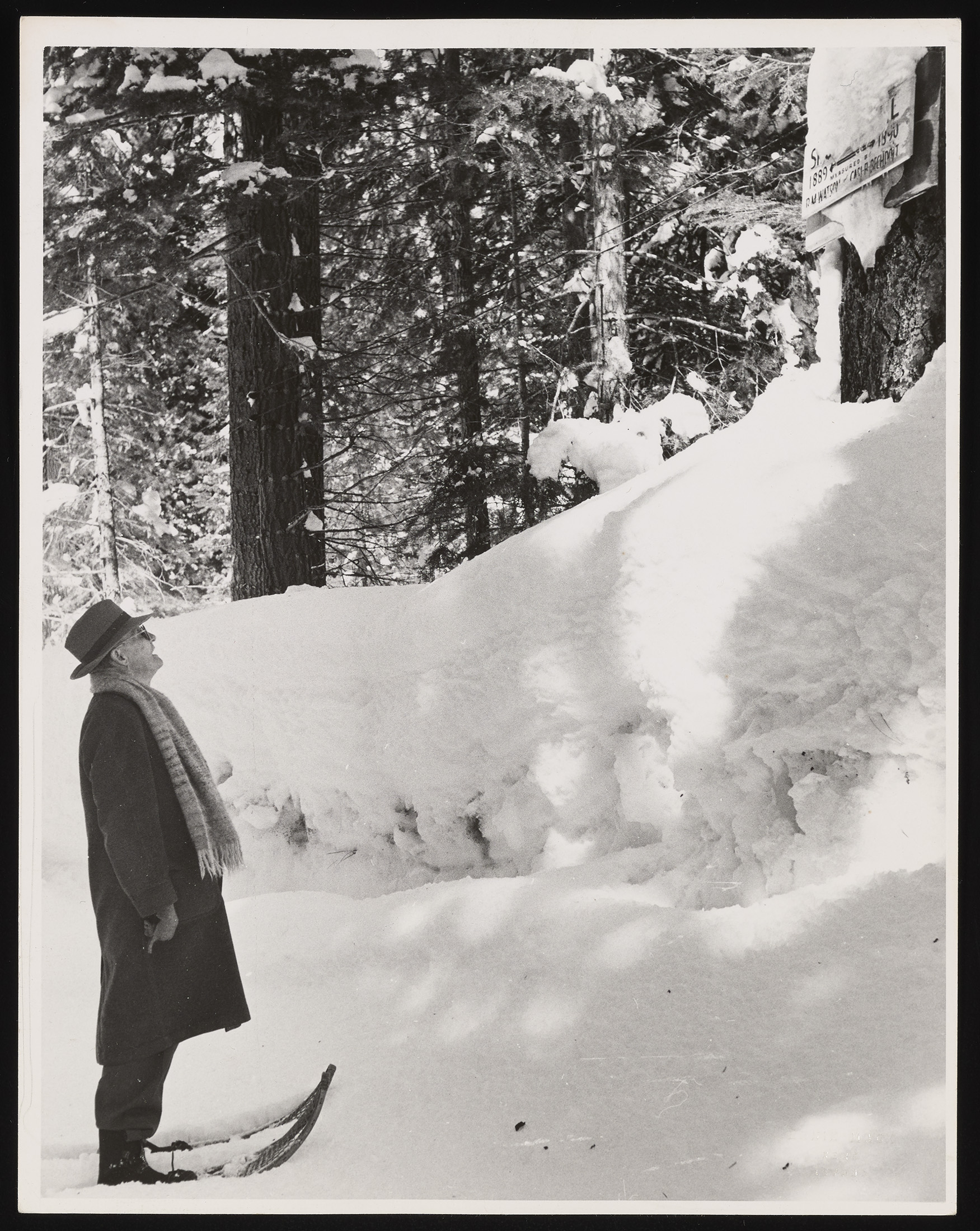
UNR Libraries Special Collections and University Archives Department
What Church realized was that you could measure snow in the winter to get a pretty good picture of how much water you might have in the summer, when it melts. And if you knew how much water you’d have in the future, you could take measures to manage it responsibly, to make sure everyone had enough.
Church started tinkering and eventually invented a very simple, but extremely useful, tube. He called it the Mount Rose Sampler, in honor of the mountain where he first started using it. But today, it’s often called the Church Sampler.
Every winter, snow scientists will go out into the mountains and stick this tube into the ground. They pull out a core of snow and use a very high-tech butter knife to scrape out the dirt at the very bottom. Then they weigh the tube full of snow, and regardless of whether the snow is fluffy or dense, the weight of the snow will be the same as the weight of the water when it melts in the summer.
“It’s such a simple technology,” Rodgers said. “You plop a tube through the snow, pull out a core. You weigh the amount of snow in it, and from that weight, you get inches of water sitting on the ground in your snowpack. We measure snow still to this day with that tube.”
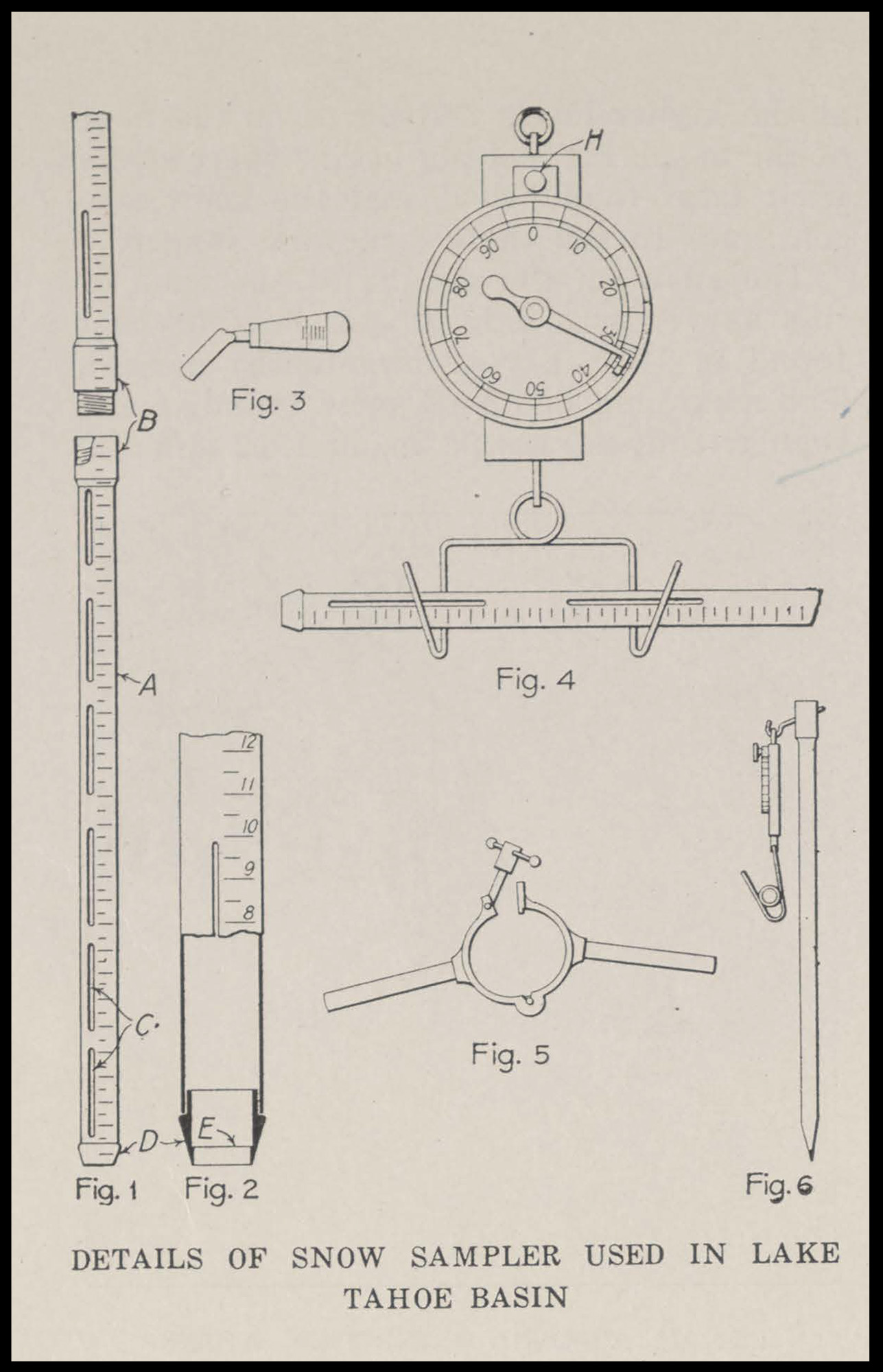
UNR Libraries Special Collections and University Archives Department
Church’s measurements in the mountains above Lake Tahoe were so useful that soon states, and eventually the federal government, started copying techniques.
“And from there, it spread throughout California and then throughout the West,” Rodgers said. “And we do that in every state in the Western states. We measure snow all winter, because it’s vitally important to all of our lives.”
Even though there are all sorts of modern, high-tech instruments to measure snow, the humble Church Sampler continues to be a big part of the snow science toolkit.
A critical time for snow science
Today, snow science is more important than ever before, because climate change is making snow prediction less … predictable. Because of warmer winters, many monitoring sites that scientists have tracked for decades just don’t have snow anymore.
“Some of the courses that were established a hundred-plus years ago … you used to get more consistent snowpack,” Rodgers said. “When we measure it now, we don’t know for sure what we’re going to find on the ground when we get there.”
At the same time, big winter storms that used to dump snow are now dumping rain. That happened this past winter near the sampling site Rodgers was visiting at Stevens Pass in Washington State. While this site received plenty of precipitation this past winter, the vast majority of it fell in the form of rain. Unlike snow, that rainwater immediately rushed downstream. One storm caused a massive flood that wiped out the nearby highway for months.
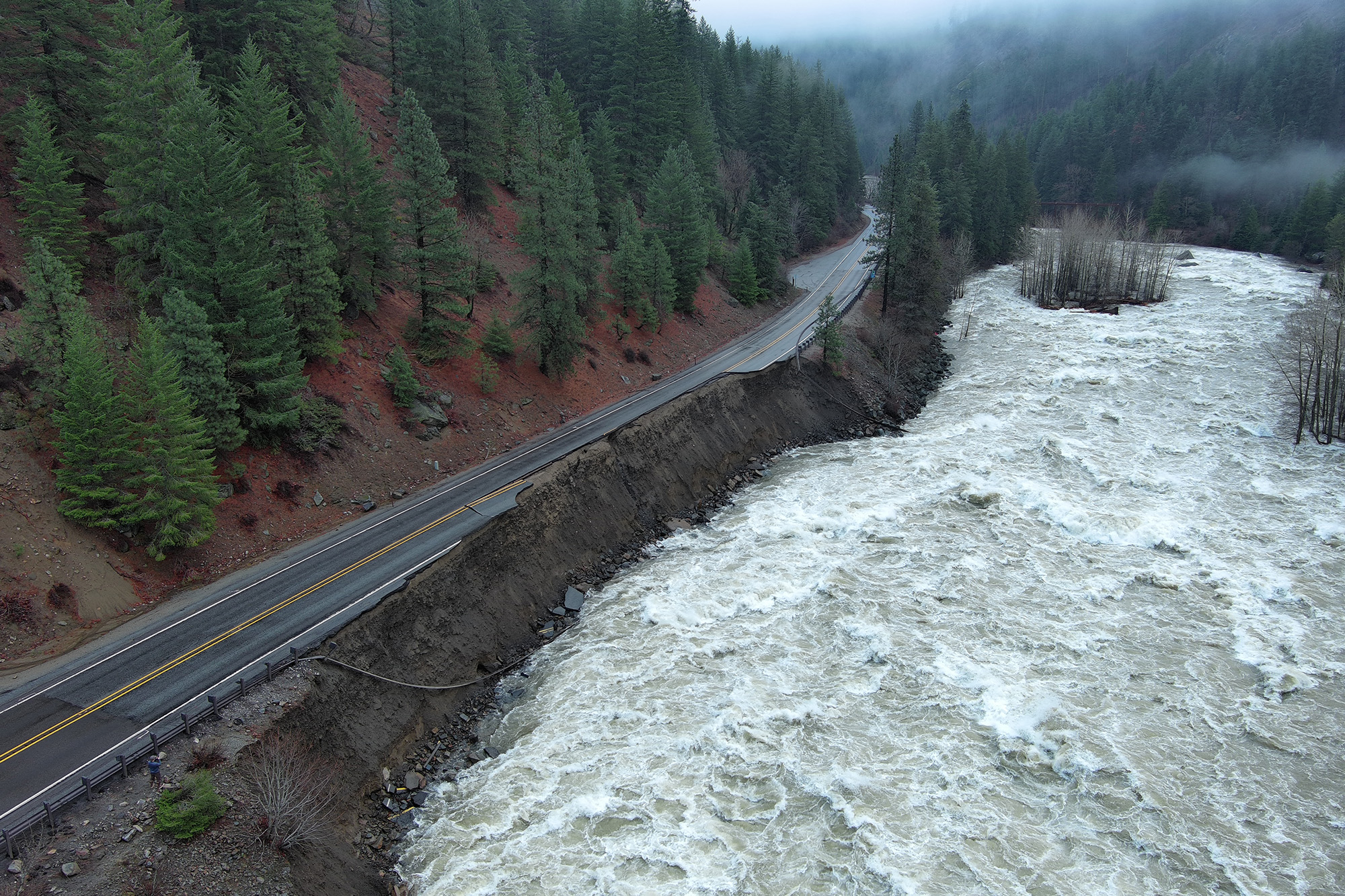
WSDOT
The lack of snow is concerning for the summer, too, since it means there will be less water to go around when it’s most needed.
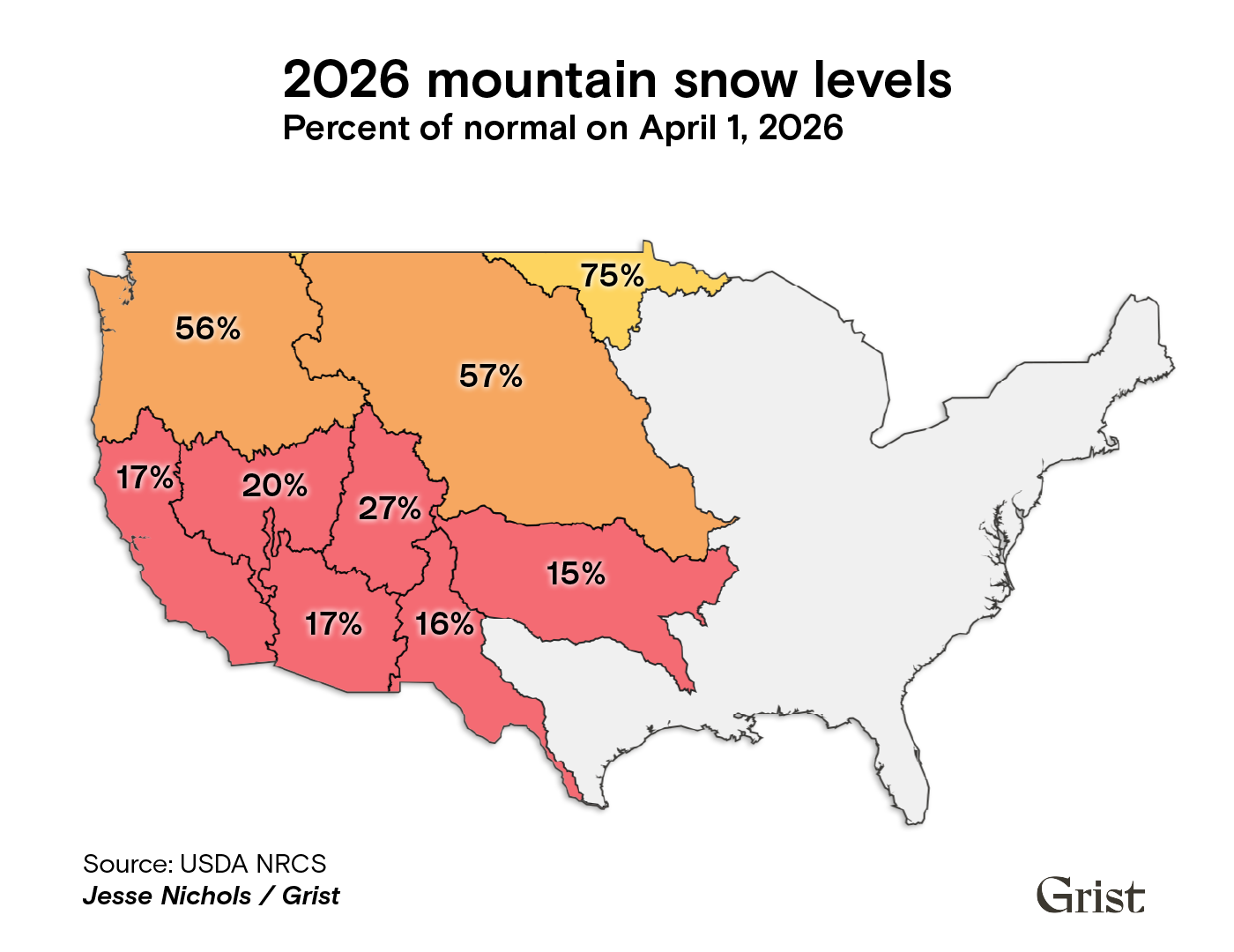
This phenomenon is called a snow drought. And it’s not just happening in Washington — it’s happening all across the West. On April 1 — a date that snow scientists often use to estimate the peak snow levels for the year — snow levels were abnormally low throughout the entire West. Some parts of California and the Southwest had only 17 percent of the snow they typically have in the early spring. Much of the region is already preparing for the droughts and wildfires likely to result from this snow drought.
A 2021 review article published in the journal Nature found that over the next quarter-century, the West could lose about a quarter of its historical mountain snow. And if we continue to warm up the climate, that trend will likely continue to get worse.
We’re in a perilous moment for water — but at the same time, we have all this amazing science and information that could help us make better decisions in the face of this crisis. In many ways, that’s thanks to the humble Church Sampler, and the field of snow science it helped create.
Read more about snow science and the state of water in the West

