Nigeria is currently grappling with a waste crisis that poses significant threats to public health, the environment, and the overall quality of life in both urban areas and rural communities.
Annually, Nigeria generates approximately 25 to 32 million tonnes of municipal solid waste (MSW), a figure that continues to rise due to rapid urbanisation. This waste stream is primarily composed of organic materials (over 50%) and plastics.
Unfortunately, waste management practices in the country are largely inadequate, relying heavily on open dumpsites and suffering from low recycling rates. The sector faces numerous challenges, including insufficient funding, weak infrastructure, and inefficient waste collection systems, all of which contribute to serious environmental and health risks.
As Nigerian cities expand and consumption patterns evolve, the volume and complexity of waste are increasing faster than existing waste management systems can manage. Urgent action is needed to mitigate the crisis’s impact and implement viable strategies.
The Multi-Solving Action for Methane Reduction in Nigeria (MAMRN) Project is one of these strategies that offers a light at the end of the tunnel. As Nigeria intensifies efforts to cut greenhouse gas (GHG) emissions, particularly methane.
This project is simultaneously addressing the country’s mounting waste problem while creating new opportunities for communities.
The MAMRN project promotes a zero-waste system, an approach that aims to conserve all resources through responsible production, consumption, reuse, and recovery of products, packaging, and materials, without incineration and without discharges to land, water, or air that threaten the environment or human health.
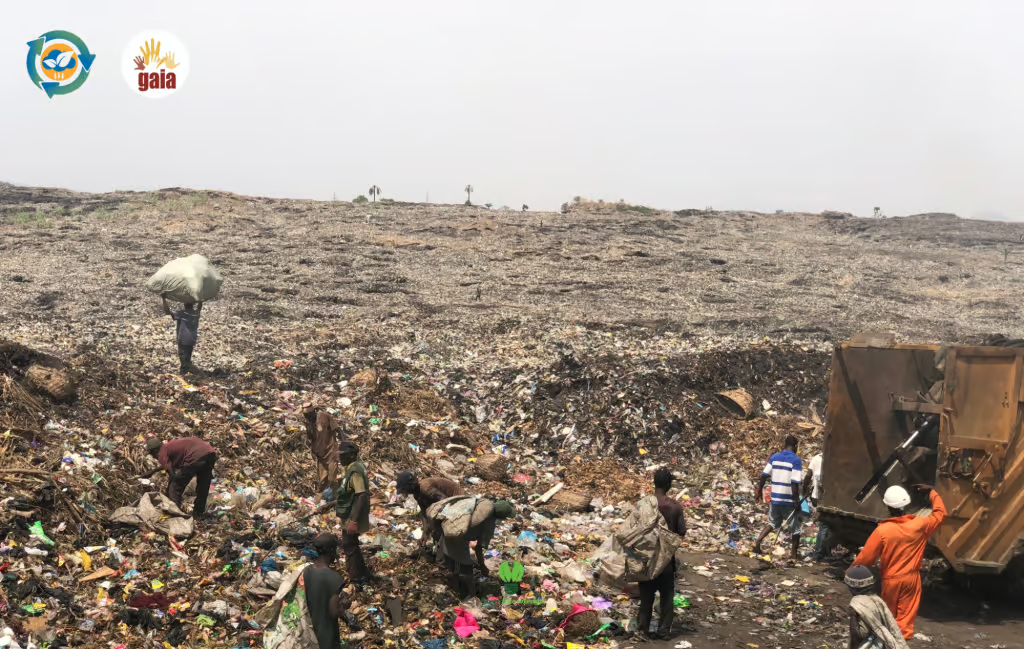
It supports agriculture through nutrient-rich compost and black soldier fly (BSF) farming, whose larvae efficiently convert organic waste into high-protein feed. The project also strengthens income opportunities for waste pickers, whose services are crucial to the waste recovery value chain, ensuring that reusable and recyclable materials are collected from residential and commercial waste bins, landfill sites, and open spaces, and revalued to generate income.
To kick off the Multi-Solving Action for Methane Reduction in Nigeria (MAMRN) Project, a baseline survey was conducted in four major cities—Lagos, Abuja, Jos, and Benin City- to understand their waste composition and identify opportunities for methane reduction.
Lagos: A Mega-City Under Pressure
Lagos, Nigeria’s economic city, generates thousands of tonnes of waste daily. The baseline report highlights that a significant portion of this waste is organic, largely from households, markets, and food businesses. Plastics also account for a significant share, reflecting the city’s dense population and vibrant commercial activity.
While Lagos has made progress in waste collection, disposal remains heavily dependent on dumpsites, leading to high methane emissions. Yet, the large volume of organic waste presents a clear opportunity for composting, BSF farming, and recycling.
Abuja: A Growing Capital with Modern Challenges
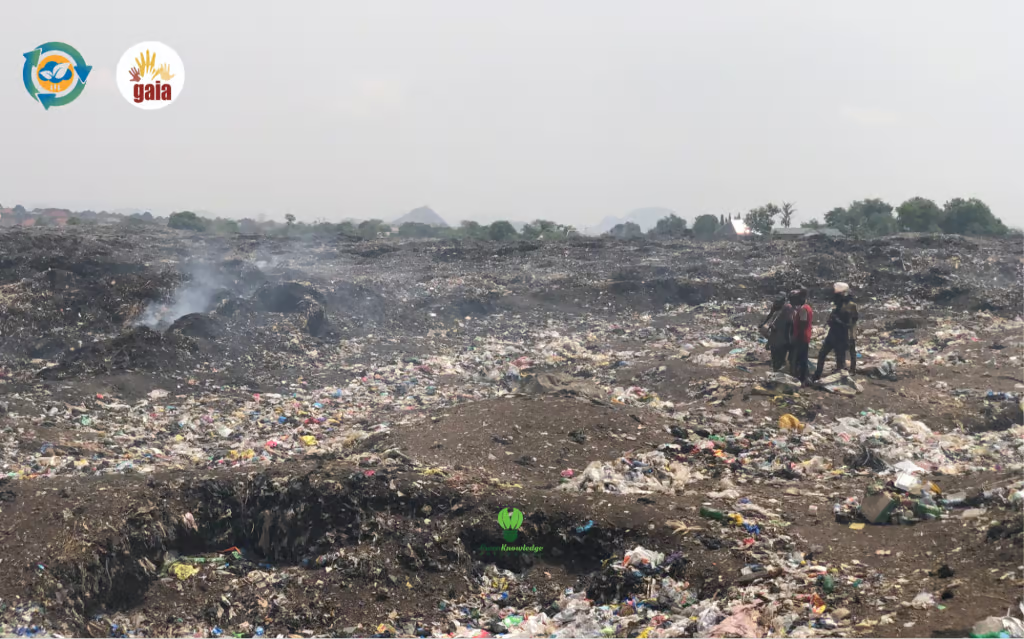
Abuja is expanding rapidly, and its waste composition mirrors that of Lagos, with organic waste accounting for the majority of the stream. Despite its structured city layout, the baseline study found no formal system in place to address the growing volume of organic waste, particularly at the government-approved Gosa dumpsite.
As the seat of power, Abuja is strategically positioned to drive national policies, regulatory reforms, and circular-economy solutions. Combined with Lagos, Nigeria’s poster child in the fight against pollution, both cities offer strong potential for Material Recovery Facilities (MRFs) and community-led recycling systems.
Waste composition in Abuja shows:
- 49.3% organic waste
- 28.8% plastics
- 6.88% paper
- 5.67% wood
- 8.9% others
Jos: Unique Climate, Similar Waste Patterns
Despite its cooler climate and smaller population, Jos faces many of the same waste challenges as other cities. The baseline survey revealed that 53.3% of its municipal waste is organic, unsurprising given the region’s strong fruit and vegetable farming culture. This creates clear potential for composting systems that support local agriculture while reducing methane emissions.
Other components recorded include:
- 21.8% plastics
- 8.8% paper
- 7.4% wood/furniture
- 16.9% others
Benin City: Rich Culture, Rising Waste
Benin City, a major economic and cultural hub, showed a balanced mix of waste materials. Its markets and commercial centres are major hotspots for waste generation.
Waste composition in Benin City includes:
- 36.1% organic waste
- 23% plastics
- 8.5% paper
- 9.85% wood
- 22.35% others
Across all four cities, one message is clear: Nigeria’s waste stream is rich in organic, recoverable and recyclable resources, essentially environmental, social, and economic ‘gold.’ However, without effective systems to capture these materials, this value is being wasted, ending up in open dumps and contributing to methane emissions, environmental degradation, and lost economic opportunities.
The MAMRN baseline report offers a clearer picture of these challenges while highlighting a unique opportunity to transform Nigeria’s waste sector, from a system focused on disposal to one centred on resource recovery, climate action, and sustainable development.
This article is the first in a series on the Methane Reduction in Nigeria (MAMRN) Project, implemented in collaboration with CfEW Jos, SraDev Lagos, Pave Lagos, CODAF Epe Lagos, and SEDI Benin City.