

Most students at the University of California, Santa Barbara pass this place every day without fully realizing how special it is.
Just beyond campus sits Coal Oil Point Reserve and Devereux Slough, a tidal wetland shaped by shifting water and a surprising abundance of life. What might look like an open stretch of land from a distance is actually a dynamic, water-connected landscape.
We asked UCSB students what this place means to them.
“It just feels like a quiet break from everything, even if you’re right next to campus.” — UCSB Environmental Studies Student
More Than Open Space
Coal Oil Point Reserve spans over 170 acres and protects a mix of coastal habitats, including salt marshes, estuaries, dunes, grasslands, and seasonal wetlands. At the center of it all, Devereux Slough shifts throughout the year, sometimes filling with water and at other times drying into salt flats and shallow channels.
That constant transformation is part of what makes the landscape so compelling. It moves and responds, changing with the seasons.
“Spaces like Coal Oil Point give students a controlled but natural environment to not just conduct research in, but also connect to it. These spaces allow UCSB undergrads to be as close as possible to some of our beautiful native wetland species, such as great blue herons, brown pelicans, garter snakes, slender salamanders, and countless more wildlife.”
— UCSB Seeds Club Communications Chair
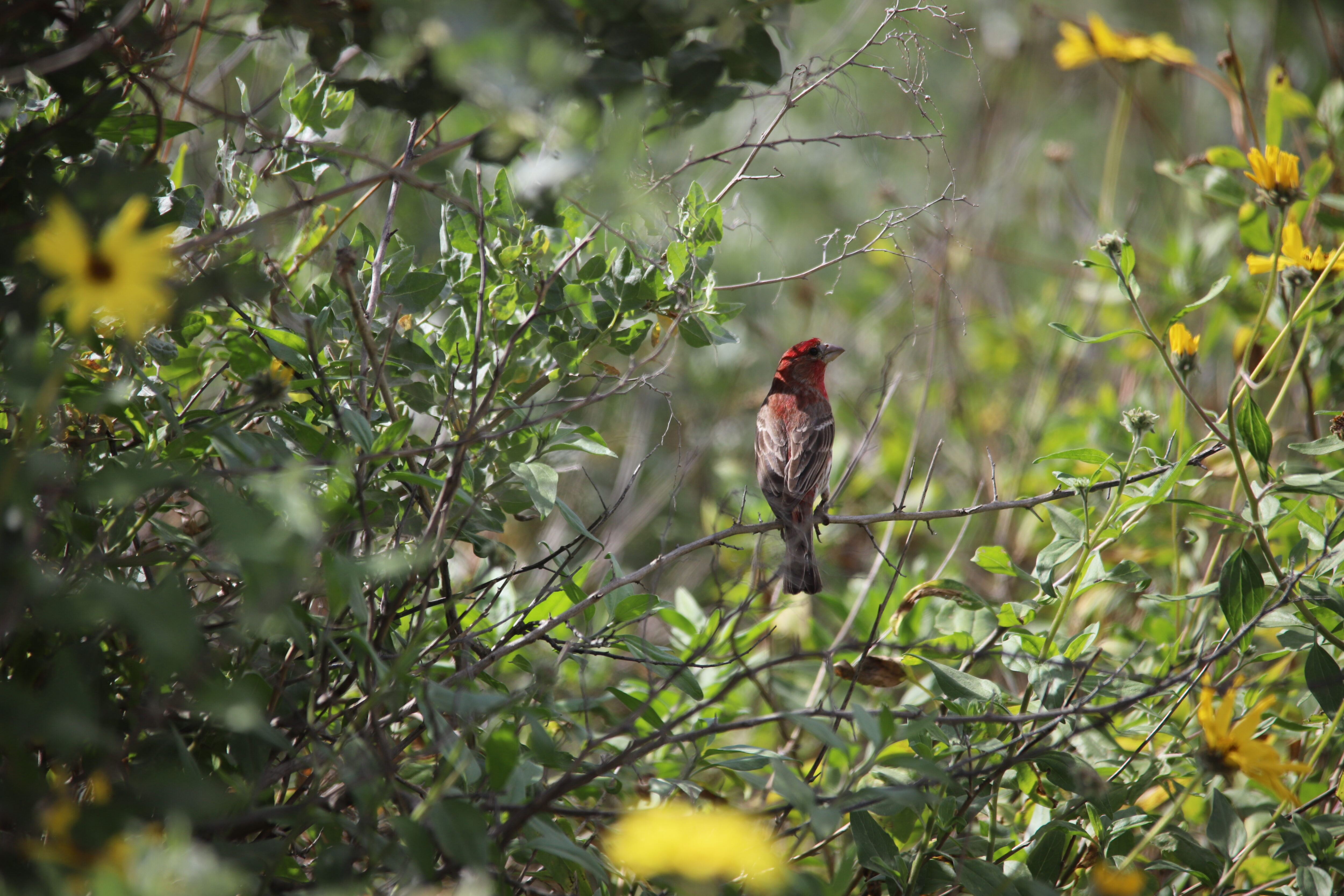
A Landscape Full of Life
Look closer, and the wetland reveals itself as a place full of activity. Birds move through the area in large numbers using the slough and surrounding habitats to rest and feed as well as lay their nests.
Coal Oil Point is especially known for the western snowy plover, which is a small shorebird that relies on this coastline. Each winter, hundreds gather here which makes it one of the most significant sites for the species in the United States.
“Once you actually stop and look, there’s so much going on. Birds and so many sounds, it’s definitely way more alive than you might think.” — Earth Sciences UCSB Student
“I didn’t realize how important the area is for wildlife until one of my classes talked about it. It really makes you want to visit it more during the school year.” — UCSB Student
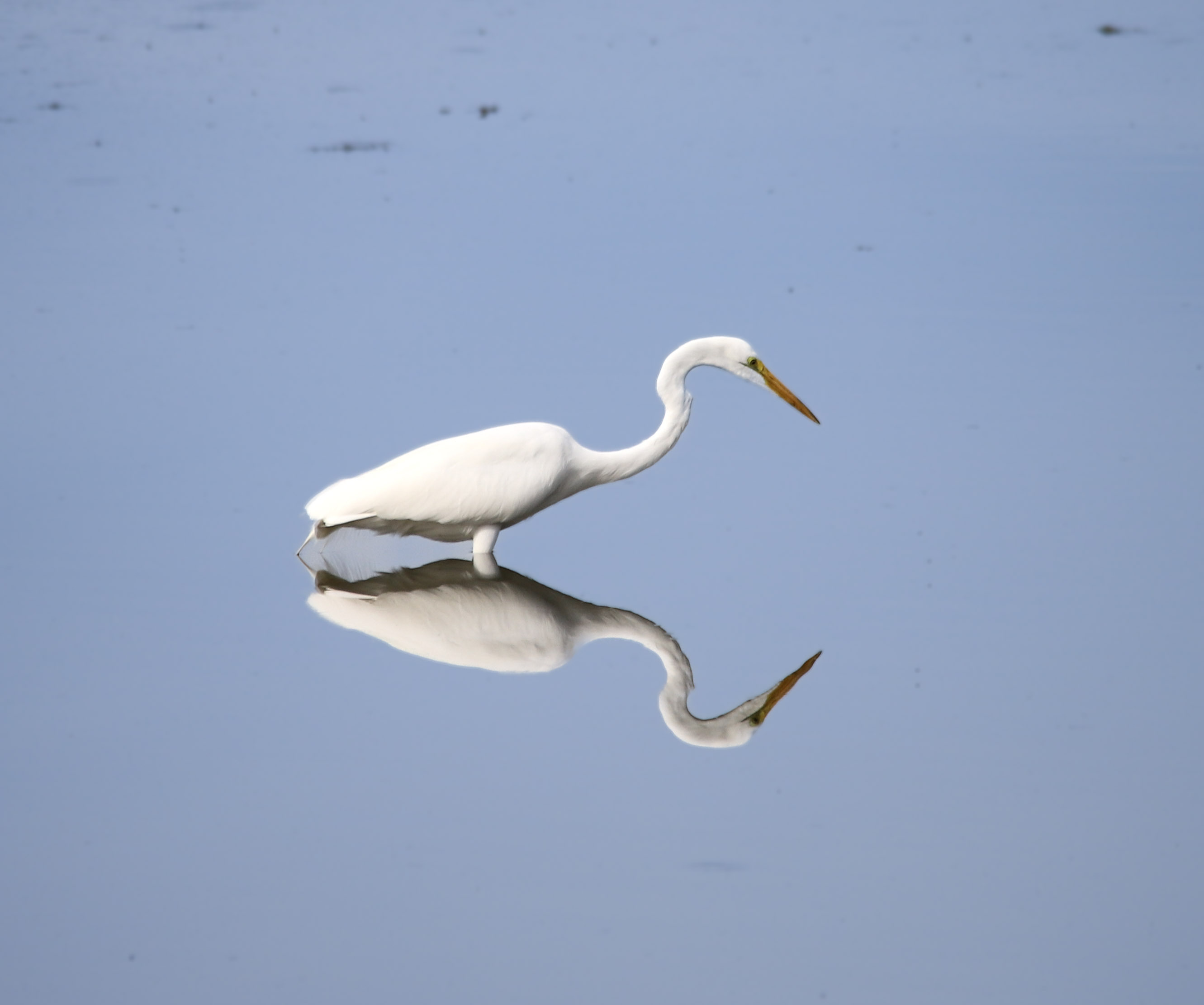
What People See in a Place Like This
People connect to landscapes like this in different ways. For some, it’s about wildlife. For others, it’s about peace and simply having a place nearby that feels different from everyday routines.
“It’s just nice that it’s there. Like you can go out and it’s quiet for a second, even during midterm seasons when things get hectic.” — UCSB Geography Student
“It’s really pretty at sunset. That’s honestly when I notice it the most.”— UCSB Biological Studies Student
“As an environmental student, it’s kind of a reminder for me that there’s really ecologically important functioning habitat right next to all this developed space.”— UCSB Environmental Studies Student
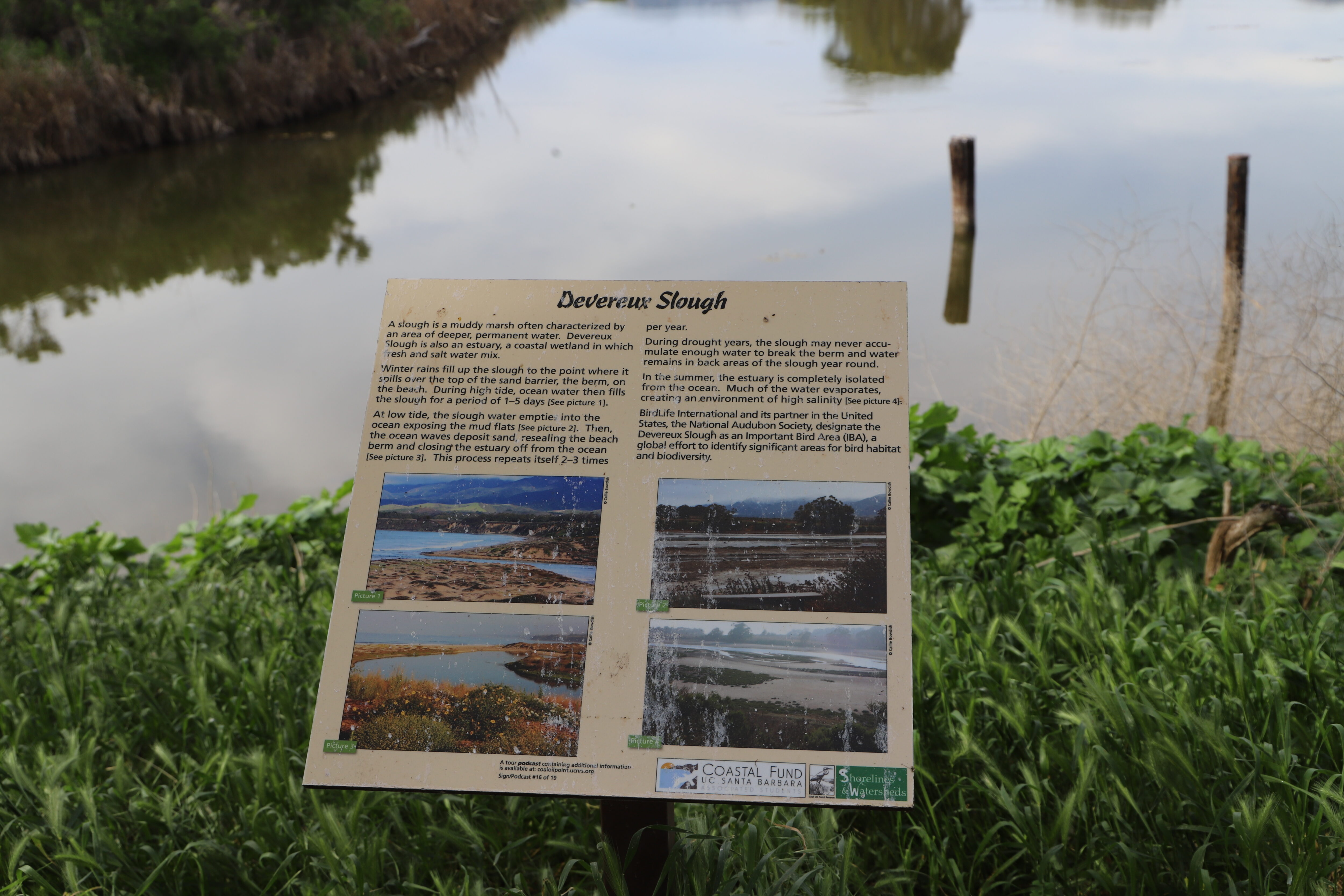
Why It Matters
Places like Devereux Slough are easy to overlook, but they play a critical role in coastal ecosystems. Wetlands filter water, provide habitat, support biodiversity, and connect land and ocean systems in ways that are not always visible.
They also offer a way for people to connect with water and nature in their everyday lives.
“It reminds me that we live in nature, not just around it, and we should always keep working to ease the integration of people with our environment.” — UCSB Coastal Fund Board Member
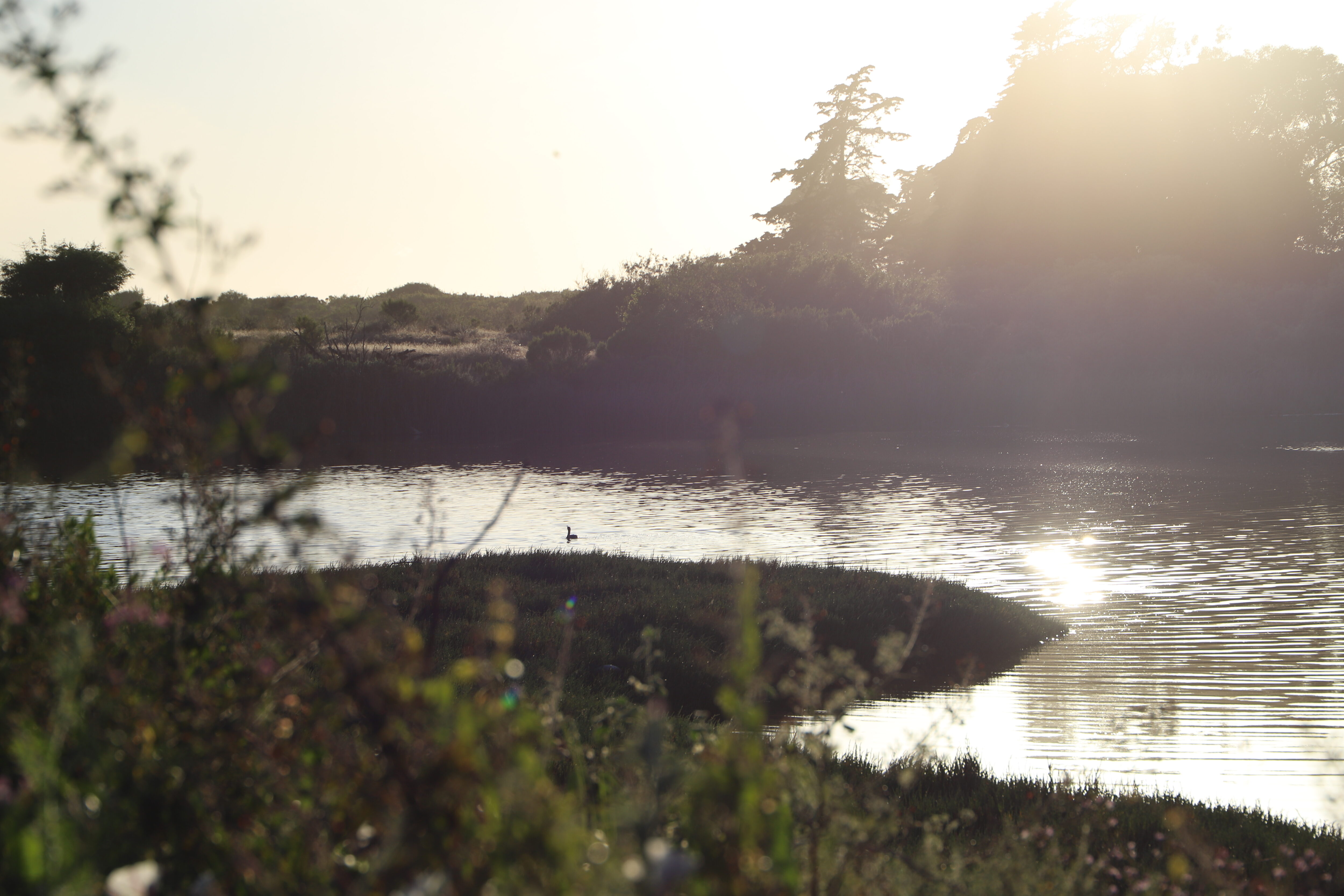
Coal Oil Point sits at the boundary between campus life and a living, changing ecosystem. It’s a place many students enjoy for recreation, whether they are jogging, biking, doing wildlife photography, or having a picnic. Students fill the area. Once they notice it, community members throughout Goleta find themselves returning to the peaceful haven.
A Closing Reflection
Over the past year, as American Rivers’ Communications Intern, I’ve spent a lot of time thinking about the connection between people and the natural places around them. It could be a nationally recognized river system or a quiet wetland beside a college campus, and in both cases, I’ve found that these landscapes matter because they give people a chance to pause and remember that nature is a central and meaningful part of our everyday lives.
That’s part of the power of conservation storytelling. Sometimes protecting a place means starting with simply noticing it.
The next time you walk past your town’s natural oasis like Devereux Slough, I suggest you stop for a few minutes. Watch the birds glide across the water and listen to the breeze through the tall grasses, maybe even sit quietly at sunset before heading back into the rush of the day.
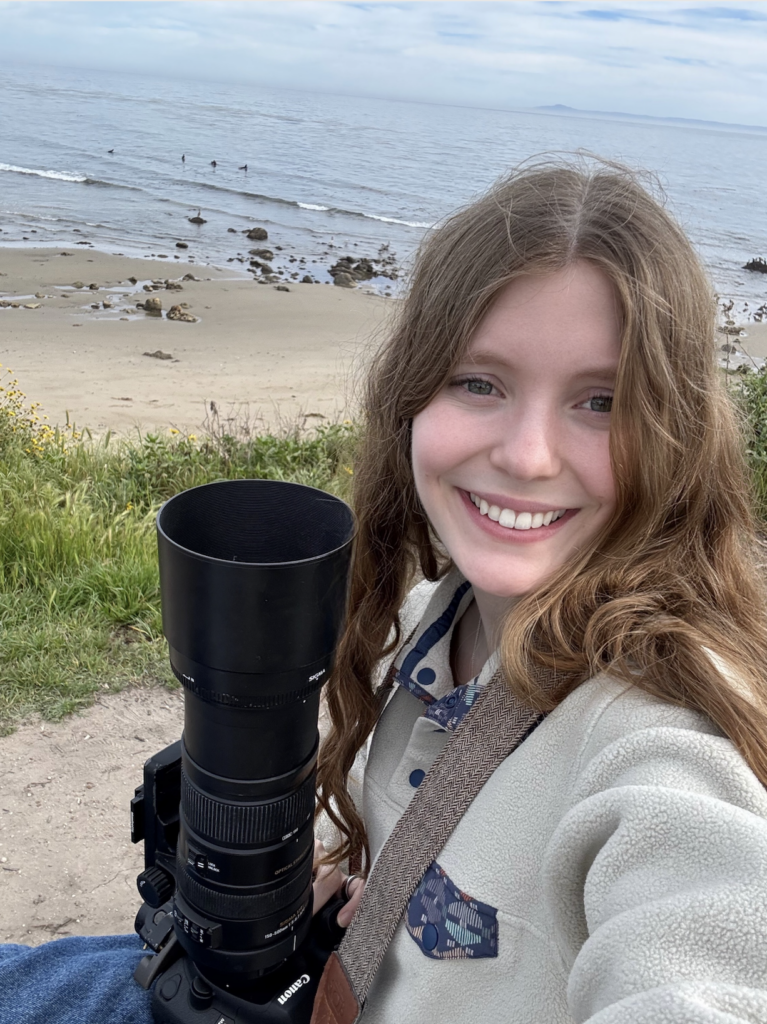
As my time with American Rivers comes to a close, it feels fitting to end with a place like this one. This is a place that reminds us that even in the middle of busy lives and constant movement, there is still value in slowing down long enough to connect with the landscapes around us.
Places like Devereux Slough reveal that the natural spaces woven into our everyday lives are both beautiful and deeply worth protecting for our future generations.
The post The Places We Notice Become the Places We Protect appeared first on .

