

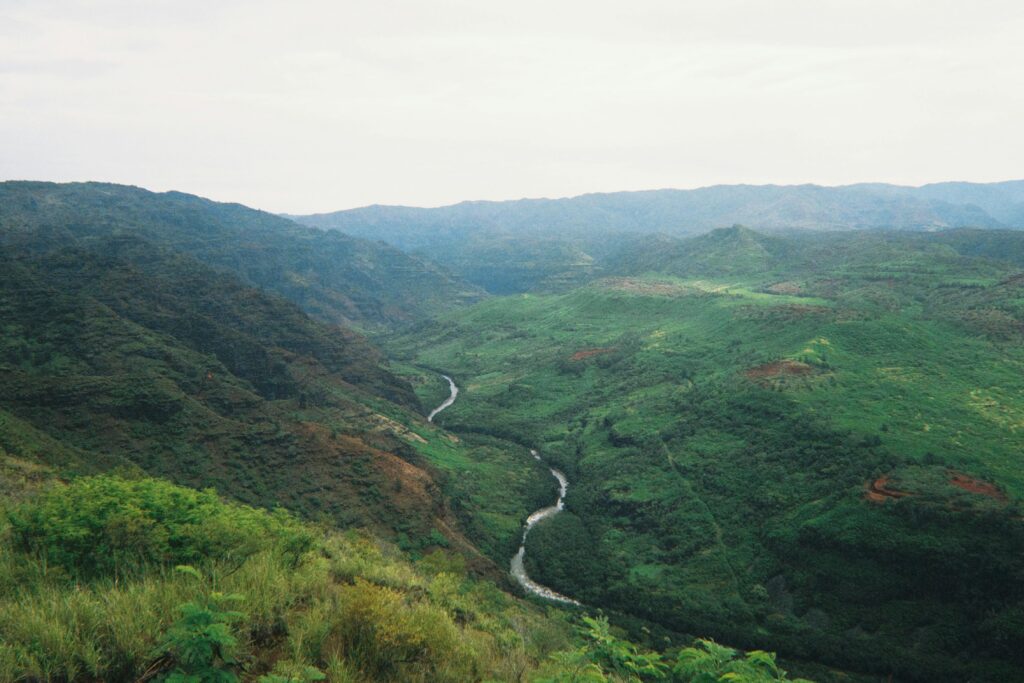
A riparian zone is the area of land alongside rivers, streams, and other freshwater systems where water and land meet. These spaces are often lined with native vegetation, including trees, shrubs, grasses, and wetlands that help stabilize soil and support biodiversity.
Riparian zones may seem far removed from coral reefs, but they are deeply connected. Everything that flows through a watershed eventually reaches the ocean. When riparian areas are healthy, they help keep sediment, pollution, and excess nutrients out of coastal waters. When they are damaged or removed, reefs downstream often feel the impact.
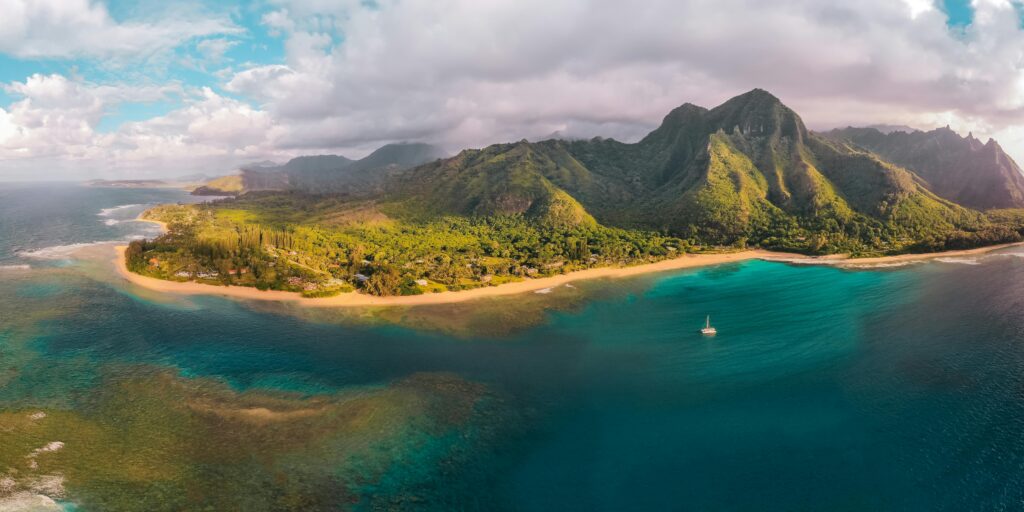
In places like Hawaiʻi, where steep landscapes quickly funnel rainwater from mountains to the sea, riparian zones play a critical role in protecting nearshore ecosystems.
The Elements of a Riparian Zone
Riparian zones are made up of several interconnected features that work together to support clean water and healthy habitats.
Native Vegetation
Plants and tree roots help hold soil in place, reducing erosion during storms and heavy rainfall. Native vegetation also slows water flow, allowing sediment and pollutants to settle before entering streams.
Streams and Wetlands
Freshwater systems transport water, nutrients, and organic material through the landscape. Wetlands within riparian zones act like natural filters, trapping contaminants and absorbing excess runoff.
Wildlife Habitat
Riparian areas support birds, insects, fish, and other wildlife by providing food, shelter, and breeding grounds. Many species rely on these habitats to survive.
Flood Protection
Healthy riparian zones absorb and slow floodwaters, helping reduce damage during intense rain events and protecting nearby communities.
Together, these elements create a buffer between human activity and the ocean.
Healthy vs. Poor Riparian Zone
Not all riparian zones function the same way. Their condition can dramatically influence downstream ecosystems, including coral reefs.
Healthy riparian zones are typically lined with dense native vegetation that helps stabilize streambanks and reduce erosion. Their soils remain intact, waterways run clearer and slower, and wildlife thrives within connected floodplains and wetlands. These natural systems act as buffers, helping maintain water quality while reducing the amount of sediment and pollution that eventually reaches the ocean. Degraded riparian zones look very different. Streambanks may be bare or eroding, invasive plants can outcompete native species, and waterways often become murky with excess sediment. Development, agriculture, and altered water flow can further damage these ecosystems, making it easier for runoff to carry pollutants downstream.
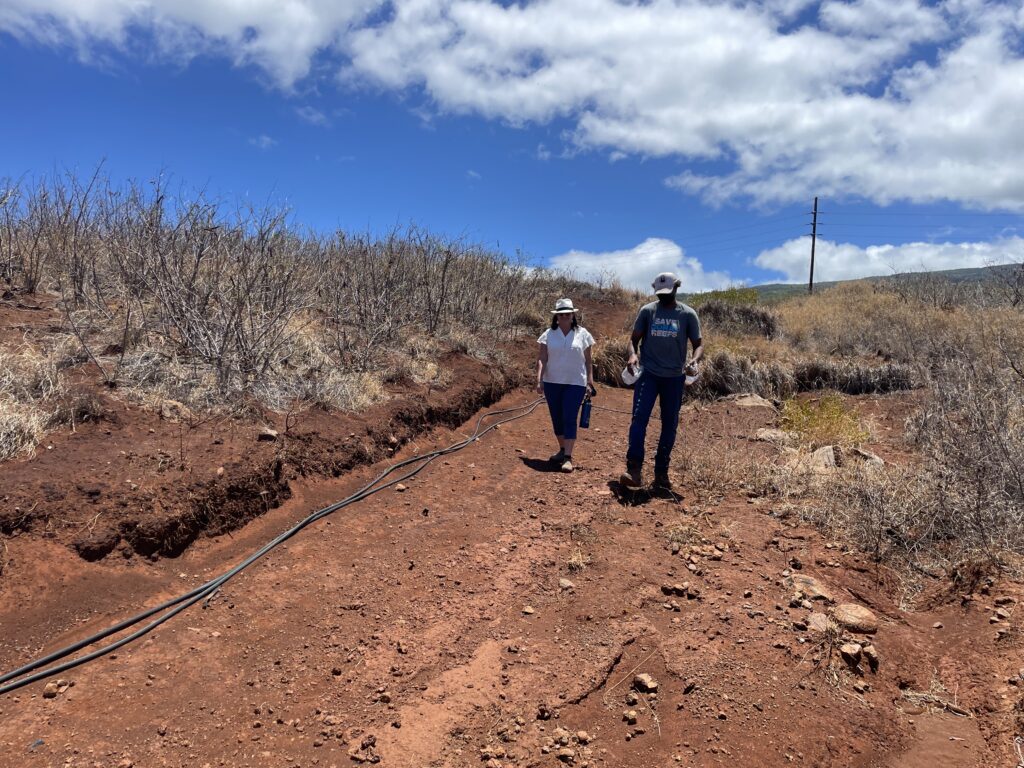
When riparian zones are damaged, rain can wash sediment, fertilizers, bacteria, chemicals, and debris into coastal waters. This runoff can smother coral reefs, block sunlight, and fuel algae growth that competes with corals for space and resources.
How do Riparian Zones Affect Coral Reefs?
Coral reefs depend on clear, balanced ocean conditions to survive, and healthy riparian zones help maintain those conditions upstream.
When forests and vegetation near streams are removed, sediment washes into the ocean more easily. This sediment clouds the water, reducing the sunlight corals need to survive. Fine particles can also settle directly on corals, interfering with feeding, growth, and reproduction.
Runoff often carries additional pollutants into reef ecosystems, including excess nutrients from fertilizers, bacteria from wastewater, chemicals from roads and development, and plastic debris. Together, these stressors weaken reefs that are already facing rising ocean temperatures and coral bleaching.
In Hawaiʻi, the connection between land and sea is especially visible. During heavy rain events, brown sediment plumes can often be seen flowing from streams directly onto nearshore reefs. Protecting riparian zones is one way communities can improve reef health from the mountains to the ocean.
Riparian Zone Restoration Efforts in Maui Nui
Across Maui Nui, communities and local partners are restoring landscapes that help protect coral reefs downstream. In Hawaiʻi, what happens upstream directly affects what happens on the reef, making watershed health an important part of coral conservation.
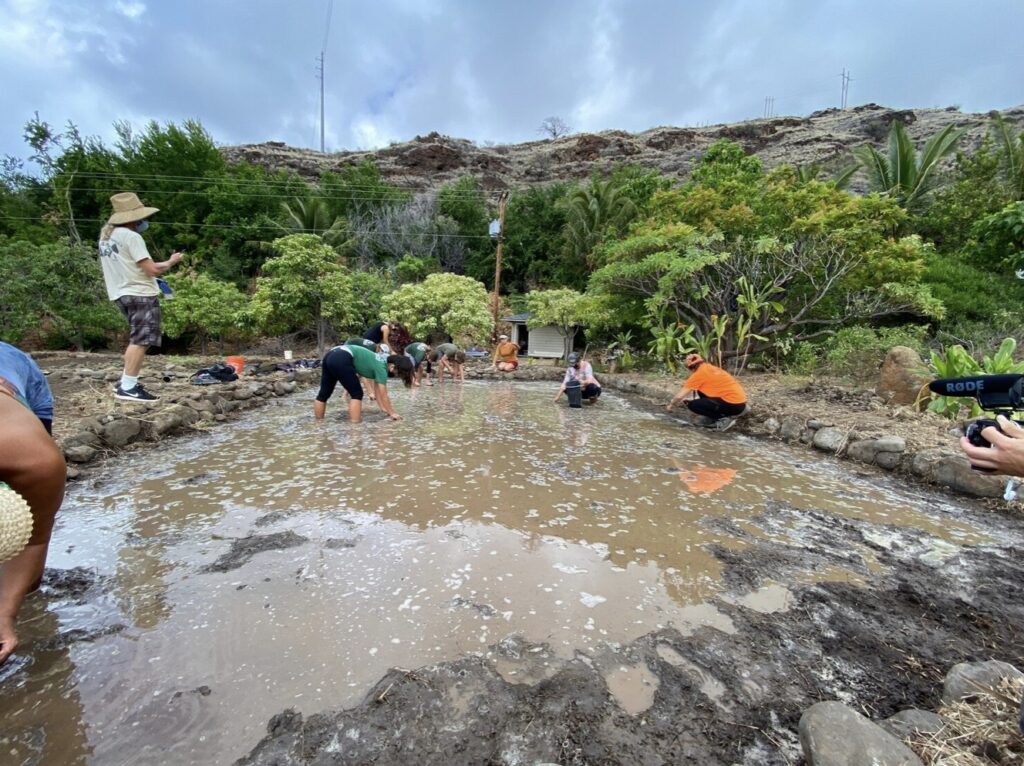
At the Coral Reef Alliance, our local partners in Hawaiʻi focus on reducing land-based pollution before it reaches coral reefs. Together with partners including Kipuka Olowalu and Ka Honua Momona, we support ridge-to-reef conservation efforts that combine science, cultural knowledge, and community stewardship.
This work includes collecting water quality data to better understand how sediment and pollutants move through watersheds and into nearshore reef systems. We also support restoration efforts that remove invasive species, restore native and canoe plants, stabilize coastal areas, and strengthen natural systems like wetlands, loʻi kalo, and loko iʻa that can help slow runoff and improve water quality.
These efforts do more than protect reefs. They support local leadership and cultural practices, and help create healthier ecosystems from ridge to reef. Because healthy coral reefs start long before the shoreline.


