The broken dam
In a small village in the Catskill Mountains, the century-old Lake Jefferson Dam still stands, crumbling.
This seemingly innocuous dam has the potential to cause a fatal flood if it fails. Its spillway, completed in 1926, is no longer large enough to safely pass the floods the region is facing as storms grow more intense. It has already been damaged in past floods. Today the owners, whose home sits just below the dam, are working with partners to remove the obsolete structure before it catastrophically collapses.
Built on the pristine East Branch of Callicoon Creek in the Upper Delaware River Basin, the decaying dam also blocks important habitat for fish and other species. Decades of sediment have built up, leaving the dam’s impoundment only a few feet deep. The spillway is scarred from past floods and chunks of concrete are missing, exposing the core of the structure.
The Lake Jefferson Dam was built for recreation and later repurposed as a micro-hydropower project in the 1980s. Now it sits unused and in disrepair, waiting to be safely removed. It provides no flood control and in fact poses a serious hazard for flooding. If it were to fail, it could send a wall of water downstream, threatening nearly a hundred homes.
This dam is not unique.
Across the country, dams are failing, or on the verge of failing, more than ever. Over the past twenty years, the number of dam failures or emergency incidents has risen from an average of three per year to more than 70.
We are facing an infrastructure crisis hidden in plain sight.
Tell Congress to fund water infrastructure
Put public safety first and provide dedicated funding for the regular upkeep, rehabilitation, or removal of dams. Tell Congress to invest in healthy rivers for future generations.
Rising dam safety emergencies
Dam safety challenges are being driven by two major forces: aging infrastructure and increasingly severe storms.
While age alone does not make a dam unsafe, older dams require more maintenance and upgrades to remain secure. At the same time, more intense storms are producing floods that many dams were never designed to withstand, making failures more likely. In addition, development has often expanded downstream of dams, putting more people at risk should dams fail.
Bringing dams up to modern dam safety standards is expensive. For owners of uneconomic dams or obsolete dams, it is often a nonstarter. As a result, many dams are poorly maintained and, in some instances, abandoned altogether.
State dam safety offices are responsible for regulating more than seventy percent of the dams that are in the U.S. National Inventory of Dams. Yet many offices lack the staff and resources needed to oversee their vast inventory of dams. As a result, dam safety offices are forced to prioritize their oversight, leaving thousands of dams unchecked. Even when safety upgrades are identified, dam owners often lack the resources or will to implement them.
Dam safety offices need greater funding and capacity not only to monitor existing dams, but also to support the removal of those that are obsolete and unsafe.
Unregulated killers
Some dams pose a danger not just if they fail, but simply by existing.
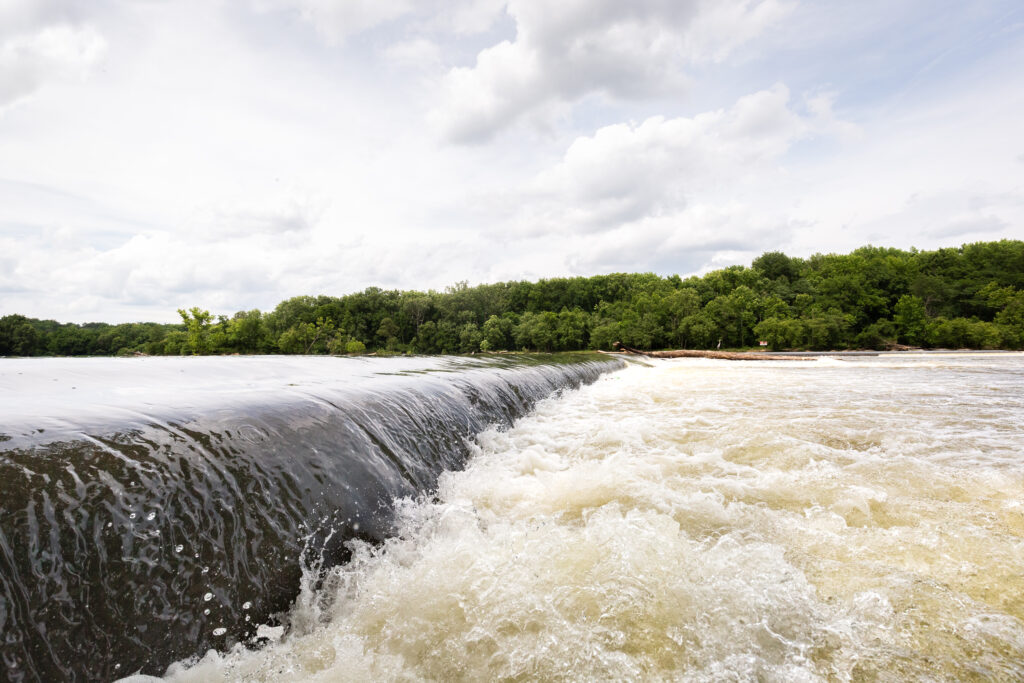
Low head dams, typically less than 15 feet tall, are designed to allow water to continuously flow over the crest of the dam. This design can create a powerful recirculating current at the base of the dam, a hydraulic that can trap and hold swimmers, paddlers, and even rescuers underwater.
These structures are often referred to as “drowning machines,” and have been linked to at least 780 deaths in the U.S.
Most low head dams fall outside of state dam safety jurisdiction. While some states require warning signs, enforcement is often limited by gaps in authority and resources. As a result, known lethal hazards can remain in place for decades, long after they have outlived any useful purpose.
Maintain them or drain them
Selective removal of dams, particularly those that have become obsolete or unsafe, is an increasingly practical and cost-effective solution.
Dam removal eliminates long-term liability for dam owners while also improving river health, making it an economical and effective solution to costly repairs and upgrades. More than 2,300 dams have been removed around the country, most within the past two decades, and dam removal is now widely recognized as part of the natural lifecycle of infrastructure.
Dam safety professionals are increasingly embracing this approach. Federal and state guidance, along with technical resources, now help dam owners evaluate when removal makes more sense than repair. As well-known dam safety engineer Charles Karpowicz often puts it, “Maintain ‘Em or Drain ‘Em.”
Beyond eliminating safety risks, dam removal can also strengthen climate resilience. Research from Utah State University found that removing aging and obsolete barriers helps rivers regain their natural function, allowing them to better adjust to and recover from extreme weather events.
In other words, strategically removing dams doesn’t just reduce risk, it helps prevent future disasters.
Back in New York
Each spring, ice melts off Lake Jefferson, revealing the aging dam beneath it.
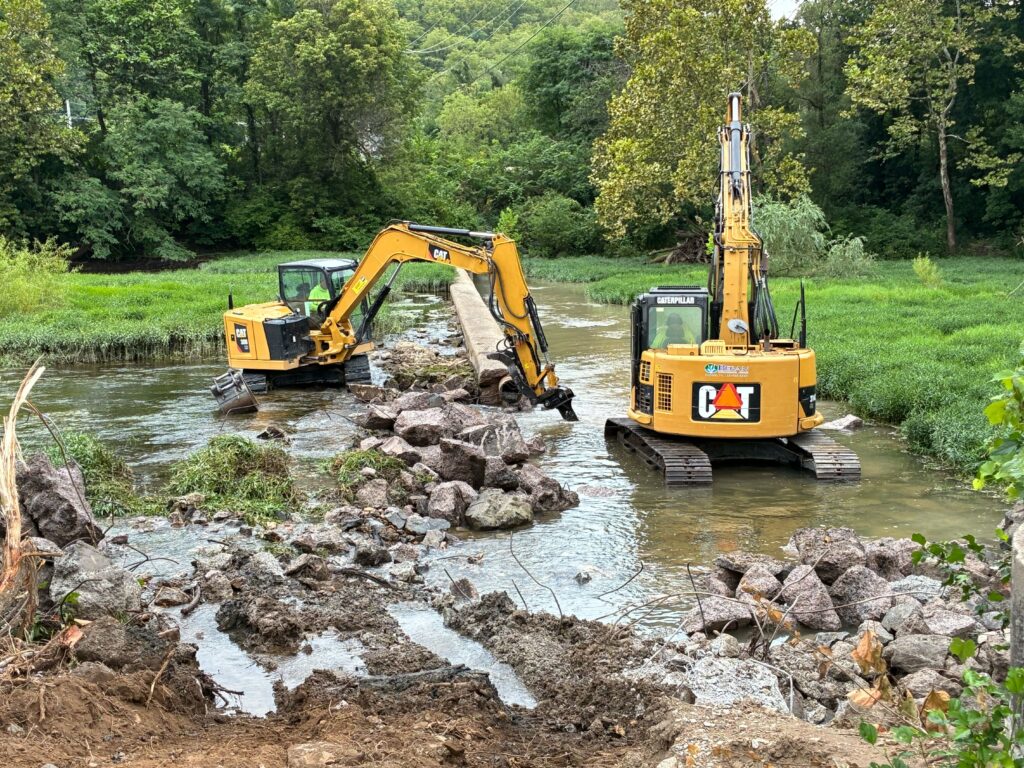
This spring, engineers have been collecting data and finalizing plans to remove the structure and restore the East Branch of Callicoon Creek. The work takes time, but the goal is simple: eliminate a known hazard before it becomes a catastrophe.
The dam owners, community members, and dam safety officials are all working toward the same outcome: a future where this stretch of river flows freely again and where the community downstream can breathe a little easier, knowing one more dangerous dam is no longer a risk.
May 31 is National Dam Safety Awareness Day. Find out what dams are at risk near your community and push for repairs, upgrades, or removal.