

Communities across North Carolina’s Cape Fear River Basin are facing renewed uncertainty after the Environmental Protection Agency’s (EPA) proposed rollback of drinking water protections for several PFAS chemicals, commonly known as “forever chemicals.”
The EPA recently announced two proposed rules on May 18, 2026. One would roll back protections for several PFAS compounds, while the other would delay implementation of existing standards.
What are PFAS?
PFAS are a group of human-made chemicals that can enter rivers and streams through industrial discharges and other sources. They are highly persistent in the environment. Exposure, even at very low concentrations, can cause human health concerns and developmental impacts on infants and children. Drinking water standards are critical to protecting public health. They also create incentives for industries to reduce PFAS pollution at its source—often the most effective and affordable way to protect rivers, communities, and downstream drinking water supplies.
Two years ago, the EPA finalized the nation’s first enforceable drinking water standards for several PFAS chemicals, which marked a major step forward in addressing long-standing contamination concerns. For communities like the ones downstream of the Chemours facility in Fayetteville, North Carolina, that action reflected years of local advocacy, scientific attention, and public pressure to address PFAS pollution in the Cape Fear River system.
Let’s stay in touch!
We’re hard at work in the Southeast for rivers and clean water. Sign up to get the most important news affecting your water and rivers delivered right to your inbox.
PFAS in the Cape Fear River Basin
Communities in the Cape Fear River Basin, just like others across the country, have already borne significant costs associated with PFAS contamination. Now, with these proposed rollbacks, communities are once again confronting basic questions about drinking water safety, long-term health protections, and whether current systems are doing enough to prevent future pollution.
The Cape Fear River Basin is one of the most ecologically diverse regions in North Carolina, with interconnected rivers, wetlands, and floodplains that support unique wildlife, local economies, recreation, and drinking water supplies.
The proposed changes to existing standards focus on drinking water, but they also raise broader concerns about how communities address pollution in rivers and waterways. Communities in the Cape Fear River Basin are facing the reality that protecting clean water requires sustained attention, coordinated action, and accountability across entire watersheds.
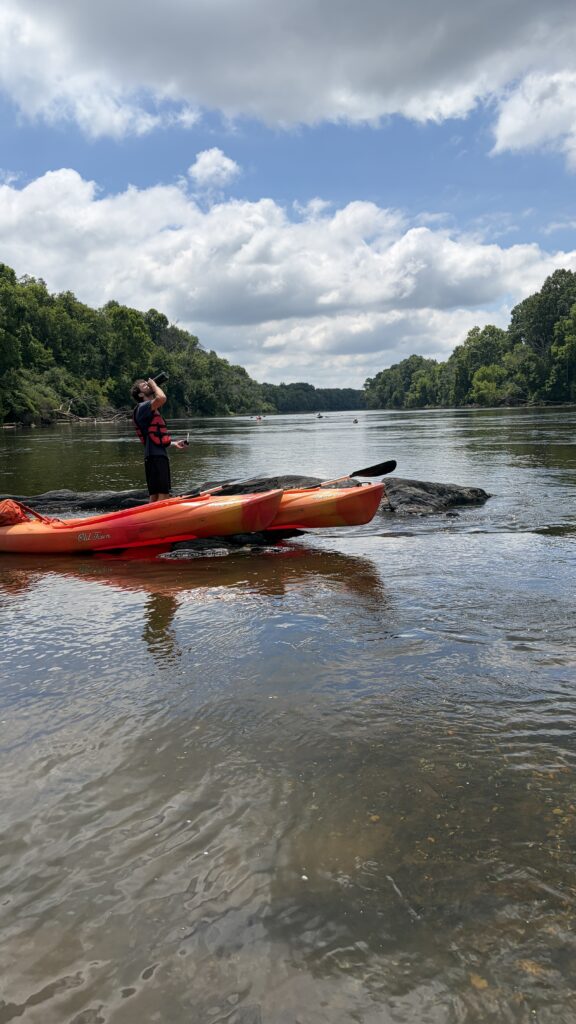
American Rivers is proud to support our local partner organizations working in those communities most directly impacted. Across the watershed, local partner organizations continue to play a critical role in elevating community concerns, documenting pollution impacts, and advancing solutions that protect both people and clean water. Clean Cape Fear, Cape Fear River Watch, Haw River Assembly, and Sustainable Sandhills have helped build public awareness of PFAS contamination while advocating for stronger protections and greater accountability from polluters.
What can we do to protect clean water?
American Rivers supports bipartisan federal legislation that would help communities address PFAS contamination and modernize aging water infrastructure.
Congress can help strengthen protections for communities facing PFAS contamination. We are asking Senators to support the Healthy H2O Act (H.R. 4721 / S. 2436), which would help rural homeowners and communities access water quality testing and treatment resources for contaminants such as PFAS, particularly in areas that rely on private wells.
Protecting drinking water requires more than treating pollution after it reaches the tap. It also means preventing harmful chemicals from entering rivers and wastewater systems in the first place. Keeping pollution out of rivers protects public health, reduces treatment costs, and helps safeguard fish, wildlife, and recreation.

