

Like much of the Southwest, the San Luis Valley in Southern Colorado, home to the headwaters of the Rio Grande, is facing a historic, near record-setting snow drought; early runoff and all signs point to a severe water shortage. Snow water equivalent (SWE) – how much liquid water is available in snow – in the region is among the lowest on record, triggering dire concerns about the impacts of reduced runoff on agriculture, communities, and ecosystems.
The Rio Grande is essential to the livelihood of people, economies, and the environment, and the demands from human populations and the impacts of climate change have put the Rio under increasing pressure. These pressures are well documented; numerous studies conclude that rivers in the southwest are facing critical shortages, largely as a result of these compounding pressures. Local communities, including those along the Rio Grande and its tributaries, are acutely aware of their water challenges and have come together to identify innovative solutions to address the threats. River and riparian restoration projects, agricultural efficiency and modernization projects, recharging the local aquifer, and protecting small streams and wetlands are just some of the initiatives communities along the Rio are undertaking to protect and restore their community’s lifeblood.
In the San Luis Valley (Valley), the community has long been working on flexible, innovative water solutions to make every drop count. Water managers, conservation organizations, irrigation companies, communities, businesses, agencies, and recreationists have come together to identify programs and projects that provide multiple benefits while also addressing drought and water scarcity challenges head on. Many of the solutions being implemented have known benefits while others are in the earlier stages of research and impact analysis, but early indications suggest some of these solutions provide significant opportunities to address some of the challenges facing Valley communities, and beyond.
Frozen Assets
One such project, “Frozen Assets,” is an innovative and collaborative water management project under way in the San Luis Valley, led by American Rivers in close collaboration with our partners from Wetland Dynamics, Ducks Unlimited, Rio Grande Headwaters Land Trust, Colorado Parks and Wildlife, and other private, state, and federal partners. Frozen Assets is an ongoing project designed to research how winter sheet ice, an innovative water management strategy that mimics natural processes, can support aquifer recovery, assist with native re-vegetation on retired agricultural lands, enhance wildlife habitat, and allow flexibility for agricultural producers in the Valley.
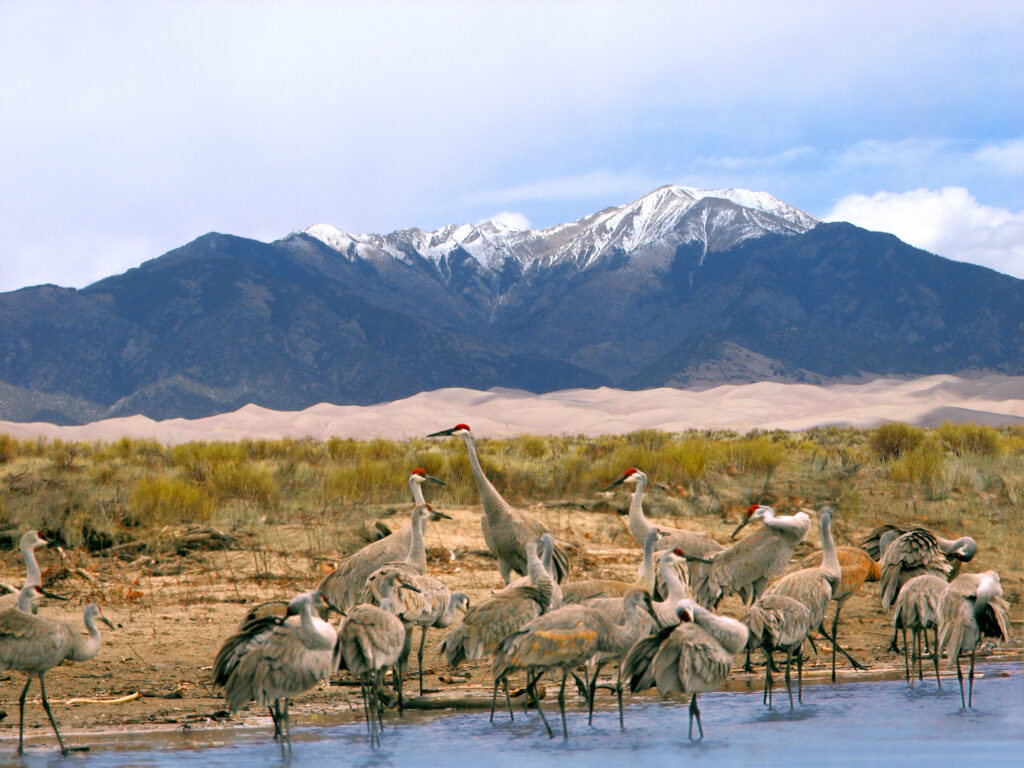
Winter sheet ice has been used historically in the Valley to spread water shallowly across the landscape during the winter and ‘store’ it as ice for early spring use. Sheet ice starts developing when temperatures freeze in the fall, and, through consistent application of water in the winter, producers slowly ‘push’ shallow water across the surface to build upon the frozen layer, creating a large sheet of ice. The slowly melting ice provides water and foraging resources for over-wintering birds and wildlife and early spring migrants like waterfowl and cranes. This slow process results in less water lost to evaporation and transmission, and allows water to infiltrate soils and recharge aquifers, facilitating the growth of early season plant species.
This Project is designed to simultaneously equip water users with information about winter sheet ice and demonstrate its viability as an alternative for seasonal water use that is beneficial to wildlife, enhances soil moisture retention, boosts the resilience of local water tables, improves habitat quality, and promotes the growth of native plant communities.
Let’s stay in touch!
We’re hard at work in the Southwest for rivers and clean water. Sign up to get the most important news affecting your water and rivers delivered right to your inbox.
Rye Resurgence
The Rye Resurgence Project has benefited not just the Valley, but businesses and consumers around Colorado and the greater Southwest region. Established to address the Valley’s groundwater depletion challenges and improve soil health, the Rye Resurgence Project is a community-driven initiative focused on revitalizing the local agricultural economy and environment by promoting San Luis Valley Rye. A winter cover crop, rye requires significantly less water than other rotational crops and has a deep, complex flavor profile that can be used in a larger variety of ways.
The Rye Resurgence Project has a dual mission, partnering with local farmers to grow rye and establishing a market for Valley rye. Ensuring there is a market and diverse buyers for new crops is an essential piece of the puzzle for producers when considering less thirsty crops. The Project has made connections with local and regional businesses – including bakers, millers, brewers, and distillers – to utilize rye in their products. In its first year, the project partnered with farmers to grow 4,500 acres of winter rye in the fall of 2023, which yielded an estimated 4,670 acre-feet in water savings over the course of the first year, and 24 businesses identified as partners.
River and Habitat Projects
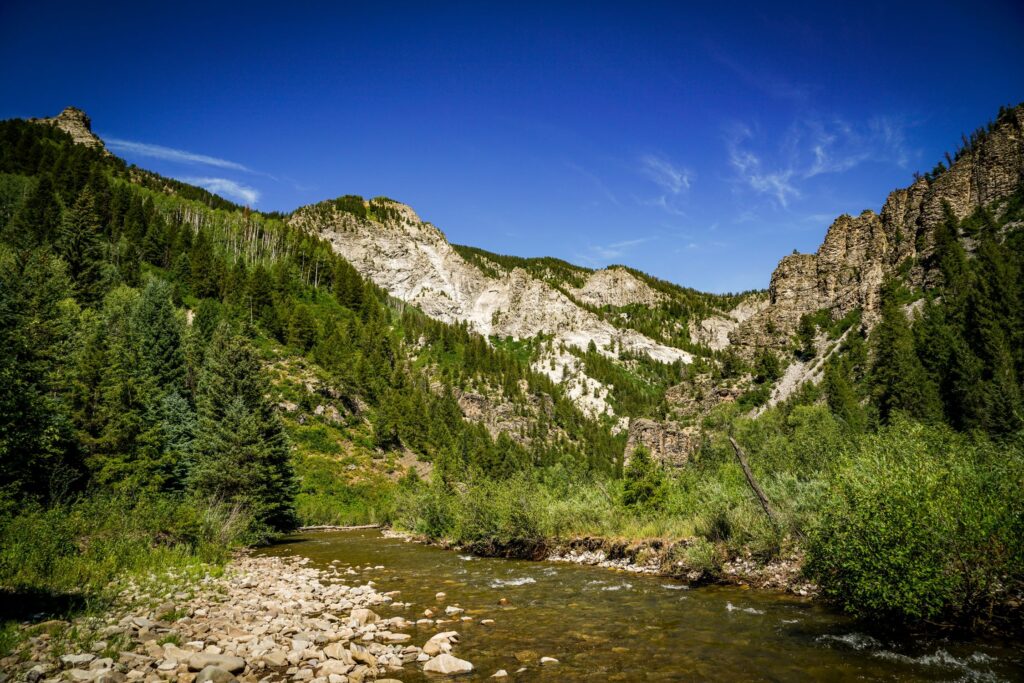
The rivers and water flowing through San Luis Valley provide critical habitat for many different species of wildlife; multiple wildlife refuges and state wildlife areas line the river throughout the Valley. The Alamosa National Wildlife Refuge (NWR) provides important habitat for native fish. However, the NWR experiences a highly variable flow regime that places stress on both riparian and aquatic health, and lower streamflows are occurring more frequently, resulting in stress on aquatic species, including fish. To address these challenges, the Rio Grande Headwaters Restoration Project worked with partners to plan and implement the Rio Grande Corridor Restoration Project at the Alamosa NWR.
This Project resulted in restoration and aquatic habitat enhancement both within the Alamosa NWR and on adjacent private lands by reshaping and stabilizing eroding streambanks with rock and native plants, which allows for better floodplain access when higher flows are present. Additionally, channel shaping and enhanced instream habitat improved low-flow and off-channel aquatic habitat. Importantly, this included a specific off-channel habitat feature created for Rio Grande chub, which are present in the area. The Project also benefited visitors to the NWR by redefining adjacent public trail access that reduces recreational disturbance to the area. This is just one example of the many multi-benefit, cross-sector river restoration projects happening in the Valley.
Water is the lifeblood of this region, and collaborative solutions like these will help preserve the economic vitality of the Valley while conserving its most precious resource for the human and wildlife communities that depend on it.

