

Most people have a reef on their travel bucket list.
Maybe it’s Australia’s Great Barrier Reef. Maybe it’s the crystal-clear waters of French Polynesia or the incredibly biodiverse reefs of the Philippines. Every year, millions of people travel the world hoping to experience one of nature’s greatest wonders.
But here’s the fun part: no two coral reefs are the same.
Some are famous for enormous schools of fish. Others are known for dramatic underwater walls, sea turtles, manta rays, or coral gardens that seem almost impossible in their color and complexity. Each reef tells its own story, shaped by the people who live nearby, the ocean that surrounds it, and thousands of years of growth.
Whether you’re planning your next dive trip or simply dreaming from home, these are some of the most extraordinary coral reefs on Earth (and why they’re worth protecting, of course).
Can’t hop on a plane just yet?
Our 2027 CORAL Calendar brings the underwater world to your wall, so you can enjoy a different view every month. Donate $50 at this link during the month of August to get your calendar!
Raja Ampat, Indonesia
If divers had to choose one place that feels like another planet, Raja Ampat would be at the top of the list.
Located in eastern Indonesia, this remote archipelago sits at the heart of the Coral Triangle, the global center of marine biodiversity. More than 1,600 species of reef fish and hundreds of coral species have been recorded here, making it one of the richest marine environments ever studied.
Underwater, every direction offers something different. Soft corals sway in the current. Tiny pygmy seahorses cling to sea fans. Reef sharks patrol the drop-offs while clouds of anthias shimmer above the coral.
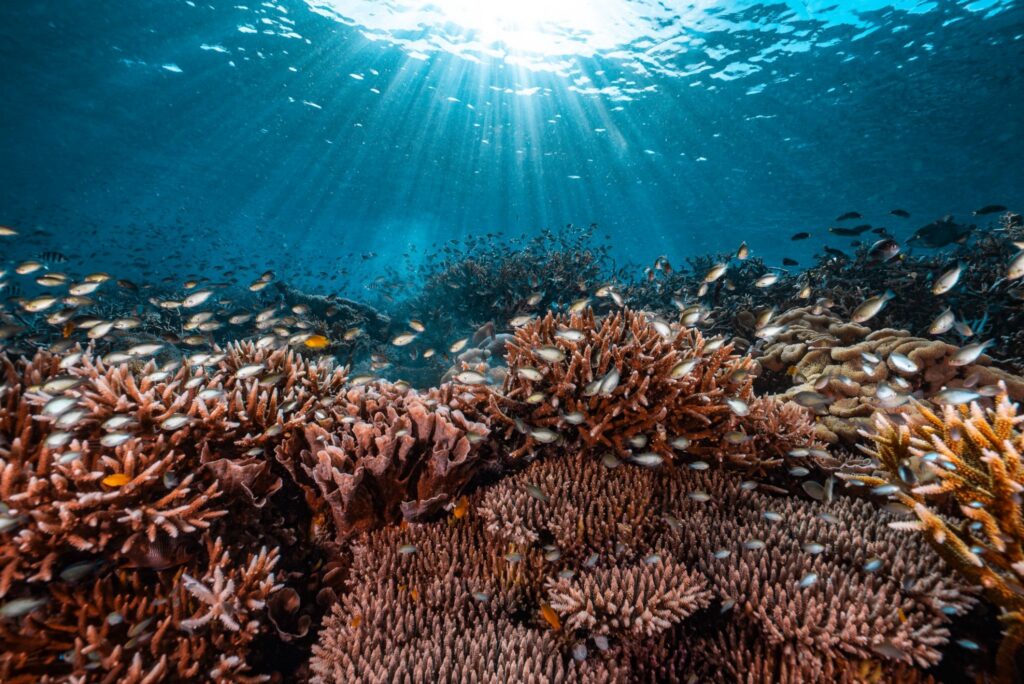
What makes Raja Ampat remarkable isn’t just its beauty. It’s what happens when healthy reefs are given the chance to thrive. Local communities, governments, scientists, and conservation organizations have spent years working together to improve reef management, helping many reefs remain among the healthiest in the world.
It’s a reminder that conservation can work.
The Great Barrier Reef, Australia
The Great Barrier Reef hardly needs an introduction.
Stretching more than 1,400 miles along Australia’s northeast coast, it’s the largest coral reef system on Earth and can even be seen from space.
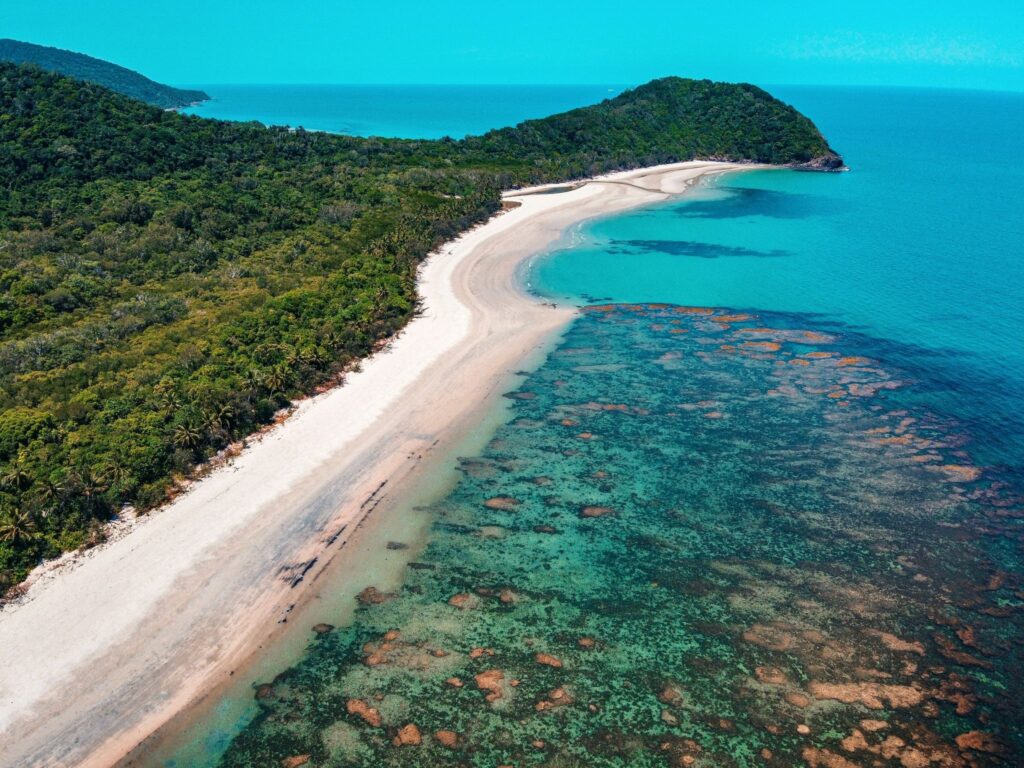
Its sheer size is difficult to imagine until you’re there. Thousands of individual reefs create a connected network filled with coral bommies, giant clams, sea turtles, reef sharks, and more than 1,500 species of fish.
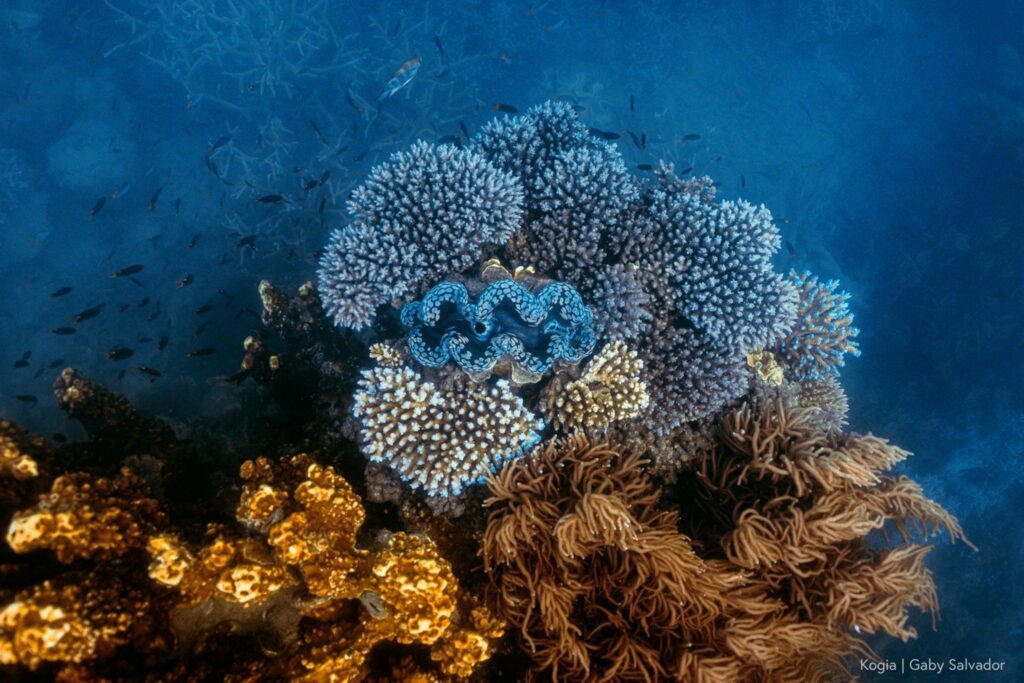
The Great Barrier Reef has also become a symbol of what’s happening to coral reefs around the world. Marine heatwaves have caused widespread bleaching events in recent years, drawing global attention to the challenges reefs face as ocean temperatures rise.
Despite those challenges, the story isn’t over. Reefs respond differently to warming, and many areas continue to recover when local pressures like poor water quality and overfishing are reduced.
Palau
Palau has become something of a model for ocean conservation.
This small Pacific island nation has protected a large portion of its surrounding waters while continuing to welcome visitors from around the world.
Its reefs are famous for dramatic walls, clear water, and encounters with manta rays, reef sharks, and swirling schools of fish. Blue Corner, one of the world’s best-known dive sites, is often described as an underwater highway where ocean currents bring an incredible concentration of marine life.
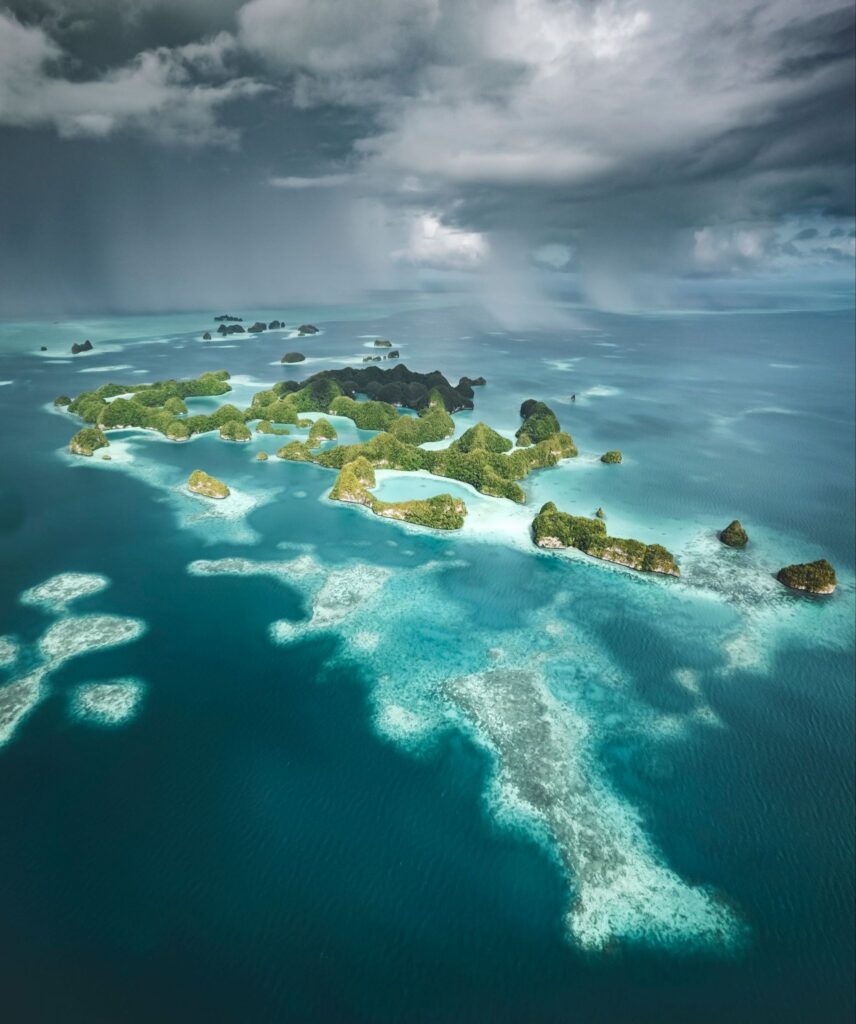
Palau also reminds visitors that conservation isn’t something that happens in isolation. Healthy reefs depend on clean water, responsible tourism, sustainable fishing, and local leadership. Protecting reefs isn’t just about what happens underwater.
Belize Barrier Reef
The Belize Barrier Reef stretches for nearly 190 miles along the Caribbean coast and is the largest barrier reef in the Western Hemisphere.
Many people know it because of the Great Blue Hole, but the reef itself is the real attraction.
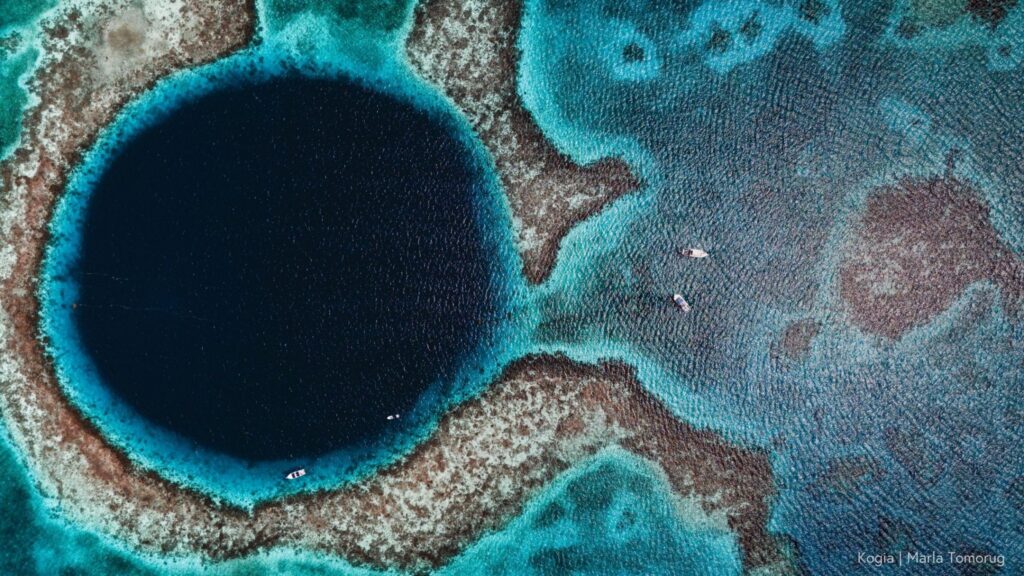
Colorful coral gardens support sea turtles, nurse sharks, rays, and hundreds of fish species. Mangrove forests and seagrass beds nearby provide nursery habitat for young marine life before they move onto the reef.
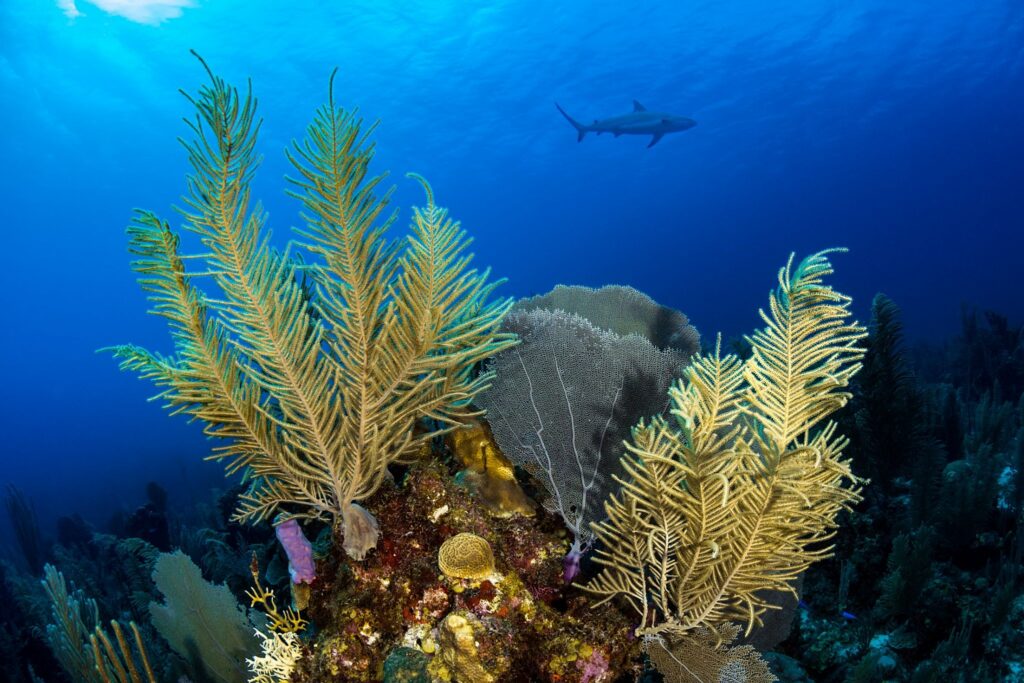
Belize has also shown that conservation decisions matter. In recent years, stronger protections and efforts to reduce damaging activities have helped improve the reef’s outlook, proving that positive change is possible when science and policy work together.
French Polynesia
Imagine looking down through water so clear that the reef seems close enough to touch.
That’s everyday life in much of French Polynesia.
Spread across a vast area of the Pacific Ocean, these islands are surrounded by reefs that range from calm lagoons to dramatic outer reef slopes. Divers and snorkelers often encounter blacktip reef sharks, eagle rays, sea turtles, and dense coral gardens that seem to stretch forever.
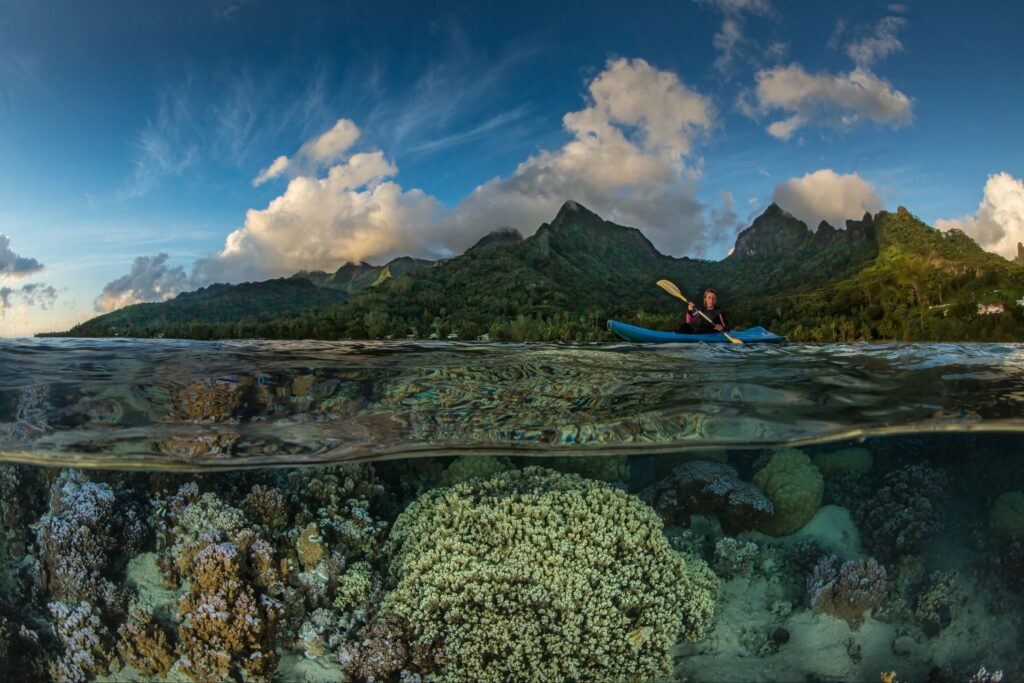
Many visitors leave talking about the color of the water, but they should also leave thinking about the reef beneath it.
The colors, the wildlife, and the clarity of the water are the kind of beauty that stays with you. Bring a little of that wonder home with the 2027 CORAL Calendar.
Hawaiʻi
Coral reefs around Hawaiʻi are unlike anywhere else on Earth.
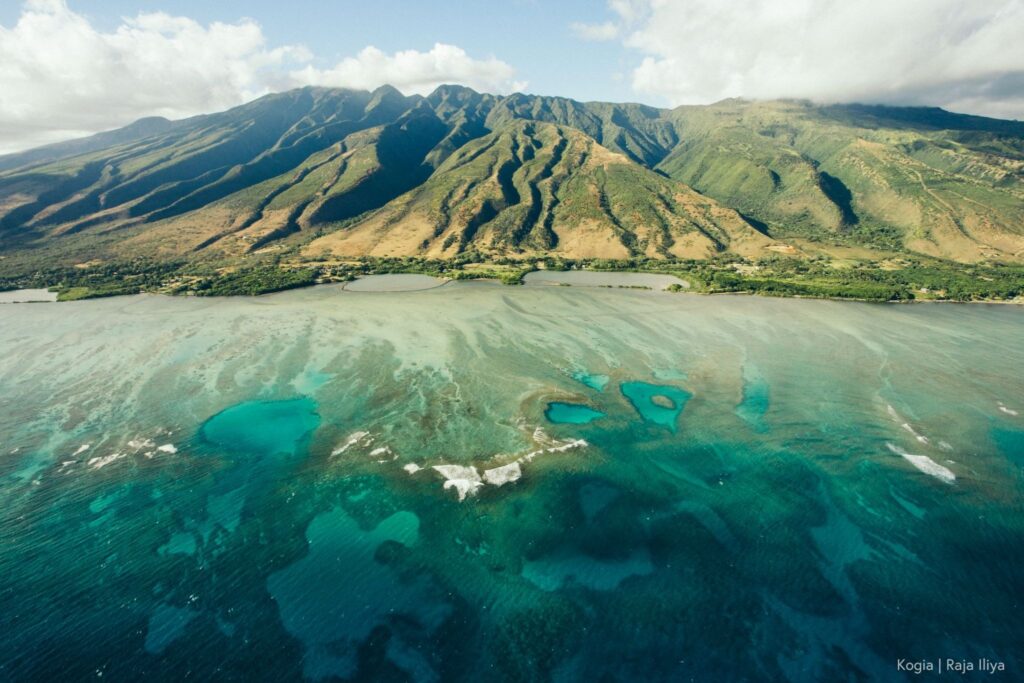
Because of the islands’ isolation, many of the fish found here exist nowhere else. Bright yellow tangs, butterflyfish, triggerfish, and other endemic species have evolved over millions of years in these waters.
Hawaiian reefs are deeply connected to local communities and Native Hawaiian culture, providing food, recreation, and cultural significance that extends far beyond tourism.
Like reefs around the world, they also face growing pressure from warming oceans, pollution, invasive species, and coastal development. Across the islands, communities are working to improve water quality, restore fisheries, and protect places that have supported both people and marine life for generations.
The Maldives
From above, the Maldives looks like a scattering of turquoise rings floating in the Indian Ocean.
Those rings are coral atolls and are some of the most recognizable reef formations on Earth.
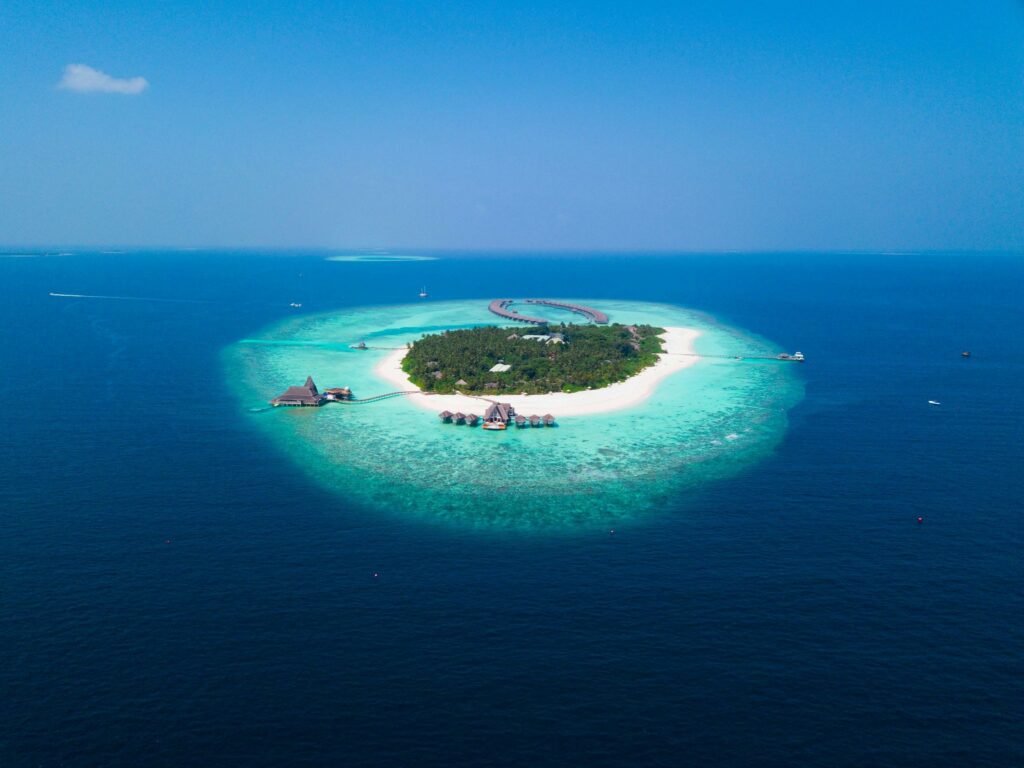
The reefs here attract whale sharks, manta rays, sea turtles, and countless tropical fish. Many resorts have reefs just offshore, allowing visitors to snorkel within minutes of stepping onto the beach.
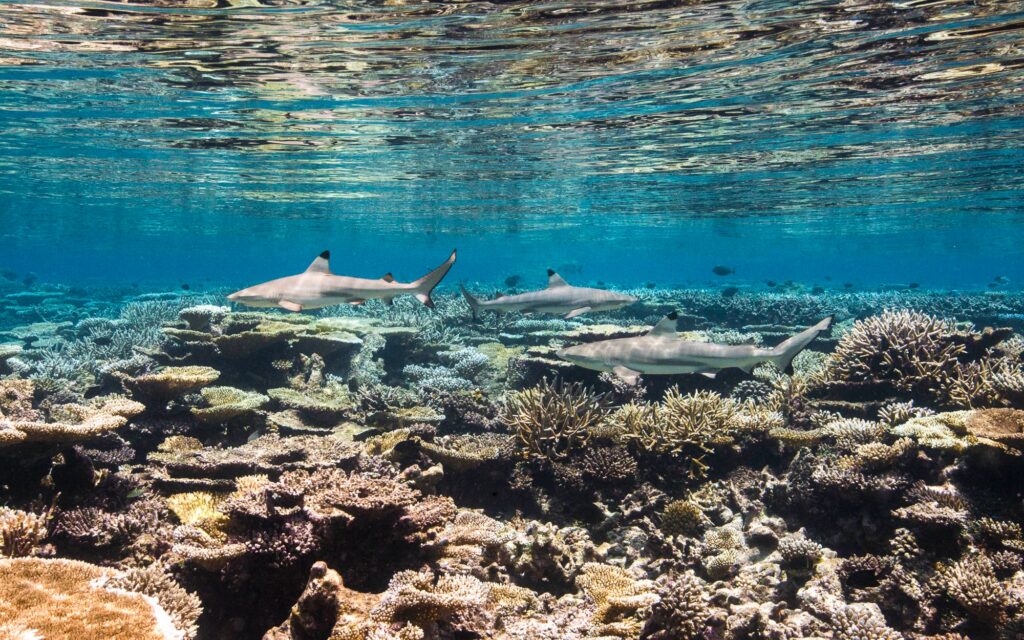
The Maldives has also become an important place for coral restoration research as scientists and local organizations explore ways to help reefs recover after bleaching events.
Fiji
Known as the “Soft Coral Capital of the World,” Fiji offers an underwater landscape unlike almost anywhere else.
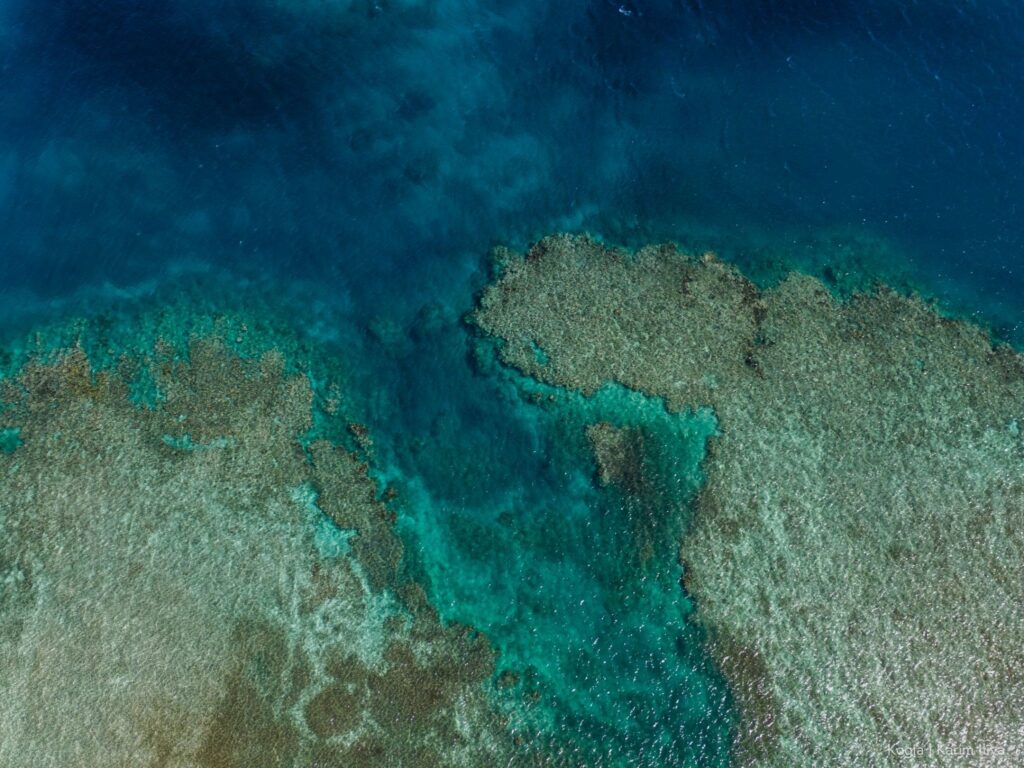
Currents carry nutrients through narrow passages, creating ideal conditions for colorful soft corals that cover reef walls in shades of pink, orange, purple, and red.
The reefs also support healthy populations of reef fish, sharks, turtles, and invertebrates.
For many visitors, Fiji is where they truly understand how much life a healthy reef can hold.
Florida Keys, United States
The only living coral barrier reef in the continental United States lies just offshore of the Florida Keys.
Millions of people visit every year to snorkel, dive, fish, and experience this unique marine environment.
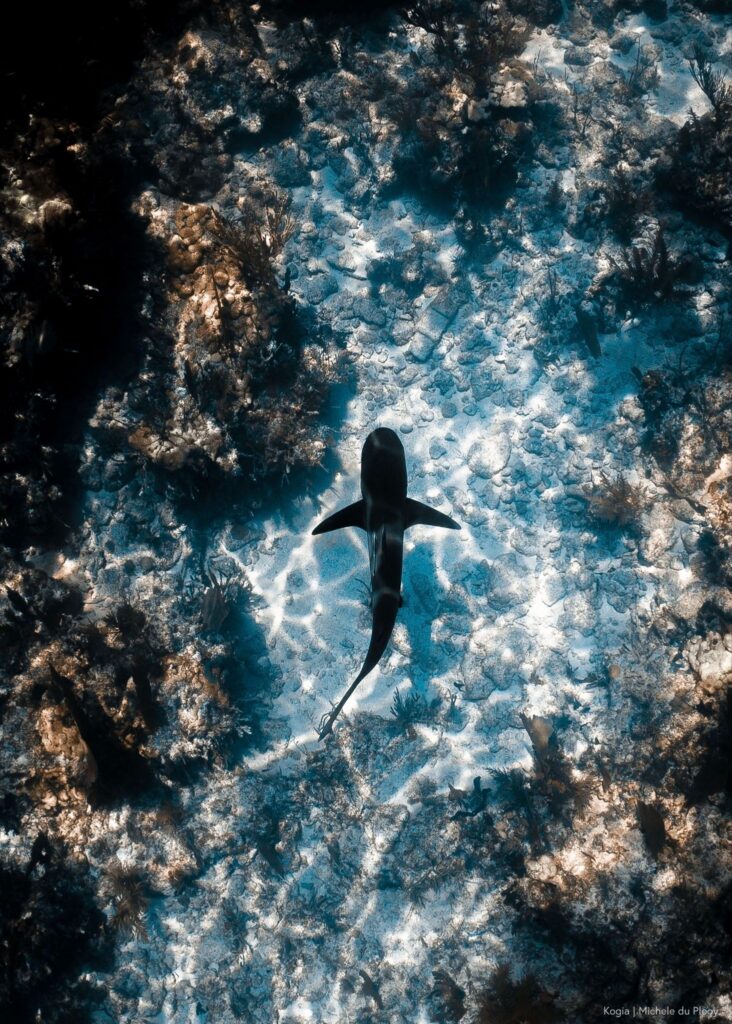
The reef has changed dramatically over the past several decades, affected by disease, bleaching, hurricanes, and declining coral cover. At the same time, restoration projects are growing, with scientists working to grow resilient corals and return them to damaged reefs.
It’s a reminder that restoration has an important role to play, but protecting the conditions reefs need to survive remains just as important.
Every Reef Is Worth Seeing
Lists like this always leave somewhere out.
The Red Sea. The Philippines. New Caledonia. The Solomon Islands. Bonaire.
Every reef has something special.
Some are famous around the world. Others are known only by the people who live beside them. Some are recovering. Others are struggling. All of them matter.
The good news is that coral reefs are remarkably resilient when we reduce the pressures they can actually control. Cleaner water. Sustainable fishing. Strong local management. These actions don’t stop climate change, but they can give reefs a much better chance to recover and adapt.
That’s exactly where CORAL focuses its work. By partnering with communities to improve water quality, strengthen reef management, and apply the latest science, we’re helping reefs become more resilient in a changing world.
The next time you visit a reef, remember that you’re seeing something that took thousands of years to grow. Swim carefully and give wildlife space. Leave everything exactly where you found it.
And if your next reef adventure is still a dream, that’s okay too.
Until you can experience these places in person, let them inspire you from home. The 2027 CORAL Calendar features spectacular reef photography from around the world, and every purchase helps support CORAL’s work to protect the places that make moments like these possible. Get your copy today.


