

If you’ve ever searched for ways to help coral reefs, you’ve probably come across the opportunity to “adopt a coral.”
It’s easy to understand the appeal. You can picture the coral you’re helping, follow its story, and feel connected to something happening underwater thousands of miles away.
And coral restoration has an important role to play. Growing and outplanting corals can help rebuild damaged areas, support research, and accelerate recovery in places where coral has been lost.
But here’s another way to think about it: What does that coral need before and after it’s planted?
That’s where the story gets bigger.
A Coral Needs a Healthy Place to Live
A newly planted coral faces many of the same pressures as the reef around it.
Did you know? About 80% of global wastewater enters marine environments untreated, adding a major source of stress to coral reefs already facing warming oceans.
If untreated wastewater is flowing into the ocean, poor water quality can fuel algae growth and increase disease. If a reef has lost too many herbivorous fish, algae can compete with young corals for space. And as ocean temperatures rise, corals need the best possible conditions to survive periods of heat stress.
This doesn’t make restoration less important. It means restoration is one part of a much greater effort.
The Coral Reef Alliance (CORAL) takes a broad view of coral reef restoration, following NOAA’s definition of restoration as assisting the recovery of reefs that have been degraded, damaged, or destroyed. That can mean supporting direct restoration projects. It can also mean reducing the threats that make it harder for corals to recover in the first place.
Clean Water and Healthy Fish Go Hand in Hand
Giving corals a better chance to recover often means working on the conditions around them.
That starts with clean water. Wastewater, sediment, fertilizers, and other pollutants can make their way from land to the ocean, fueling algae growth and adding stress to already vulnerable corals. In Roatan, Honduras, CORAL’s support for a wastewater treatment plant in West End has helped keep over 30 million gallons of sewage out of nearby reefs each year.
Fish matter, too. Herbivores like parrotfish and surgeonfish graze on algae to keep the reef clear for corals to grow. When too many of these fish are removed, algae can take over and make it much harder for corals to survive.
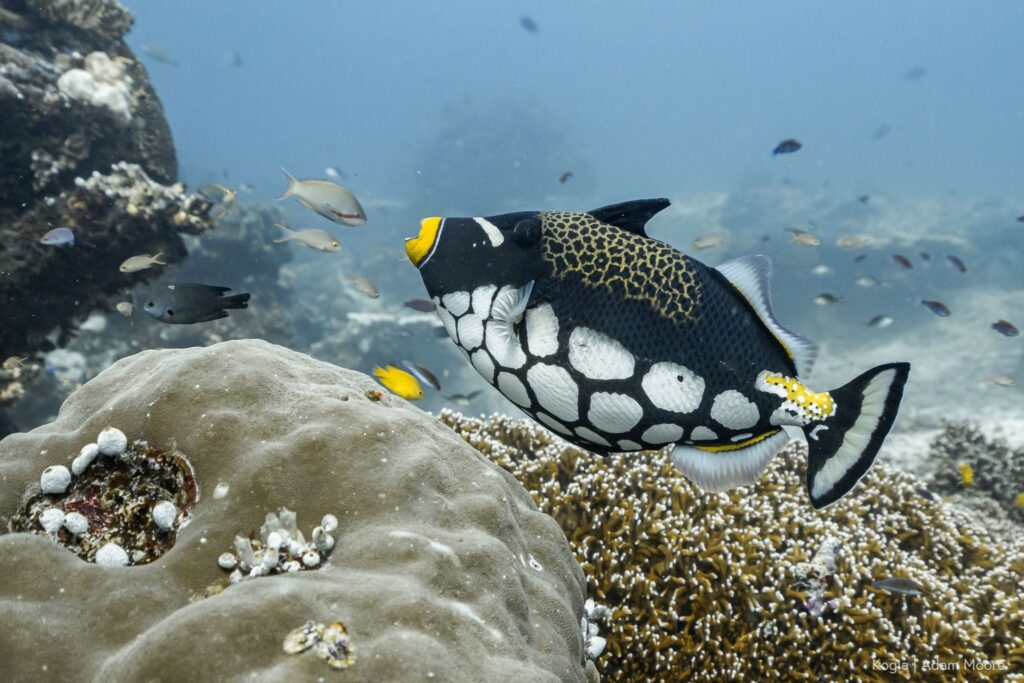
Protection can sometimes look like patrolling MPAs or policy work. See how Honduras issued a nationwide fishing ban to protect grouper, key marine species, and ultimately coral reefs.
Clean water and healthy fish populations may not look like traditional coral restoration, but both help create something every restored coral needs: a healthy place to grow.
One reef can help another
There’s one more piece of the puzzle… Reefs aren’t isolated.
Ocean currents carry coral larvae between reefs. A healthy reef can send new generations of corals elsewhere, including corals with traits that may make them better able to tolerate warmer conditions.
That means protecting one healthy reef can contribute to recovery beyond its boundaries.
It’s why CORAL’s conservation strategy increasingly focuses on connected reef networks, rather than treating every reef separately.
So, Should You Adopt a Coral?
If a credible coral adoption or restoration program speaks to you, supporting it can absolutely be worthwhile.
But it’s not the only way to help coral reefs.
You can also support the clean water, healthy fish populations, science, and conservation work that give corals (whether newly planted or thousands of years old) a better chance of survival against climate change.
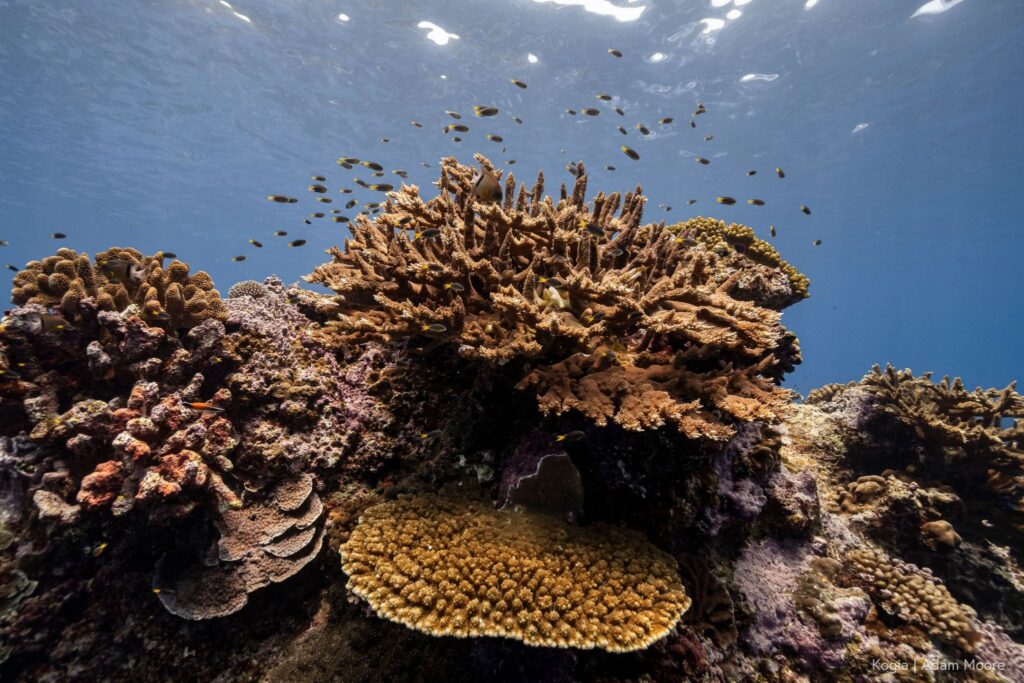
At CORAL, we’re working on the foundational issues that give individual corals (and the whole reef network) the right conditions for survival and adaptation.
Want to be part of it? Donate $50 to support CORAL’s work and receive our 2027 CORAL Calendar, filled with incredible underwater photography to keep the reefs you’re helping close all year long.


