

For more than 50 years, the Endangered Species Act has protected species from going extinct and disappearing from our planet forever. Animals and plants alike have benefited from these protections, and many are thriving today. One of the most crucial aspects of the Endangered Species Act that has led to such success is ensuring that no “harm” can be inflicted upon them or their habitat.
Disappointingly, in the last month, the administration changed the definition of “harm” to exclude “habitat”, leaving crucial areas that these species depend on open to destruction. Without habitat protection, it is easier for extractive industries to degrade protected areas that serve as a lifeline for entire ecosystems. Habitat loss is already the leading cause of extinction, and freshwater species are going extinct at a significantly higher rate than land or ocean species.
When the Endangered Species Act was first written and passed with an overwhelming bipartisan majority in Congress, preserving habitat was part of the original intention. The Supreme Court has previously upheld the Fish and Wildlife Service’s definition of “harm” due to the known scientific importance of a species’ habitat. The Administration’s decision to eliminate this foundational and commonsense element of the Endangered Species Act goes against decades of precedent and work to protect these crucial species.
One group of species at greatest risk of extinction in the United States is freshwater mussels. Freshwater mussels are fascinating species that have a complex life cycle. Baby mussels even hitch a ride on fish to move upstream. They also play an important role in keeping streams clean and healthy since they are filter-feeders.
Some individual freshwater mussels can filter 30 gallons of water a day! And they can remove harmful pathogens such as E. coli from the water. Sadly, freshwater mussel populations are declining, and American Rivers is working with partners to identify the cause. This change in the Endangered Species Act is now another challenge. How will mussels be saved from extinction if the rivers they live in and depend on are being destroyed?
With proper protection, we can save species. The Roanoke logperch was recently delisted after almost 36 years, largely due to the locally supported removal of 4 obsolete dams, reconnecting hundreds of miles of its habitat in Virginia and North Carolina. Recognizing the importance of habitat under the Endangered Species Act, agencies funded and coordinated the work to reconnect river habitat and restore the Roanoke logperch.
Approximately a quarter of the world’s freshwater wildlife is already at risk of extinction due to loss of habitat. It is possible to bring more species back from the brink of extinction if local, state, and federal agencies all come together with a common goal of saving their habitat. Show your support for endangered species below!
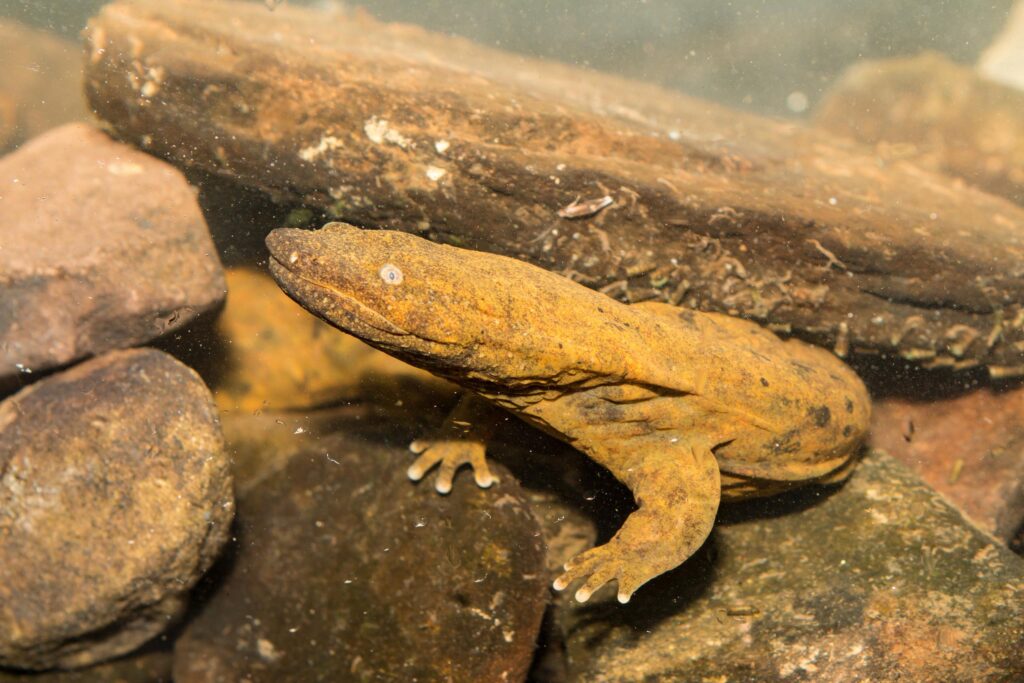
Speak Up for Endangered Species
Approximately a quarter of the world’s freshwater wildlife are at risk of extinction due to loss of habitat. Join us by pledging to protect the rivers that endangered species depend on to survive!

