

In October 2026, Swipe Out Hunger hosted its first ever national convening to end college hunger. Hundreds of students, campus staff, nonprofit leaders, and food security experts joined us in New Orleans, Louisiana for two days dedicated to the issue of college food insecurity.
The convening featured 15 sessions across the two days, led by students and campus leaders across the country. We also had representatives from the Hope Center for Student Basic Needs, the Congressional Hunger Center, the National Coalition for College Student Essential Needs, and Omicron Delta Kappa present through the convening to share information and resources with attendees.
The event, like everything we do, was rooted in our mission to end college hunger today, tomorrow, and forever. Here’s how the event supported this mission.
We Heard From Campus Leaders Ending Hunger Today
Every campus comes with unique challenges that fuel food insecurity. While that means there is no one-size-fits-all solution, it also means that unique and innovative solutions can pop up on any campus. Many sessions focused on solutions that have worked on campuses across the country, sparking new ideas that attendees can take back to their schools.
Multiple presenters shared how their campus pantries grew beyond a traditional food pantry model to serve more students in more ways. Approaches included centralizing all basic needs resources at one spot on campus, a professional clothing rack to prepare students for employment opportunities, and initiatives that encourage a sense of belonging and center mental health.
Improved access to information was also a common theme in the sessions. Presenters asked the question: what information will help more students combat food insecurity? Awareness about the issue itself and available resources is often the starting point. Presenters shared approaches that work to not only reach students with information, but reduce stigma and inspire trust in those resources. Students also cannot become food secure if they are unable to cook the food they can access into nutritious meals, leading to cooking demonstrations popping up on campuses across the country.
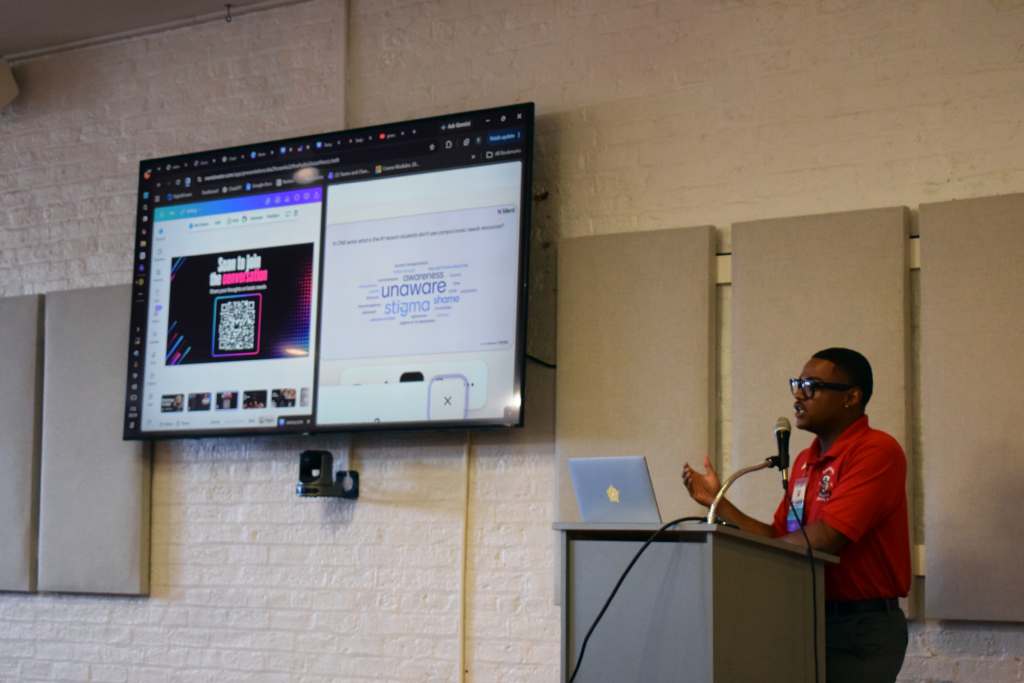
Finally, some presenters focused on one of the most important lessons for anyone working on this issue: The solutions must center students and what they actually need. Some sessions focused on how to identify food security challenges and realistic solutions on any given campus. Additionally, the convening ended with a food packing event that supported local campuses in New Orleans. Hundreds of food bags were packed and distributed, which not only allowed participants to serve the city that hosted us, but provided a model for how to host similar events.
We Learned How to Build Movements to End Hunger Tomorrow
While it is essential to uncover and fill the food insecurity gaps on individual campuses, long-term solutions need to go beyond any one place. Presenters also shared their insights on how to create state- and region-wide movements that achieve this goal.
Many of these sessions were rooted in Hunger-Free Campus, a state-level bill that dedicates funding and resources to campuses for food security work. Panelists from three different states discussed how they built movements that supported this legislation.
Presenters from Massachusetts shared how they focused on partnerships among a wide array of groups, including campuses, government partners, and food banks, all with students at the forefront. At Michigan State University, the formation of the Spartan Food Security Council paved the way for more conversations with university leadership and institutional buy-in. Finally, panelists from Texas shared the importance of a “shared power principle” that centers empathy and relationships in coalition work.
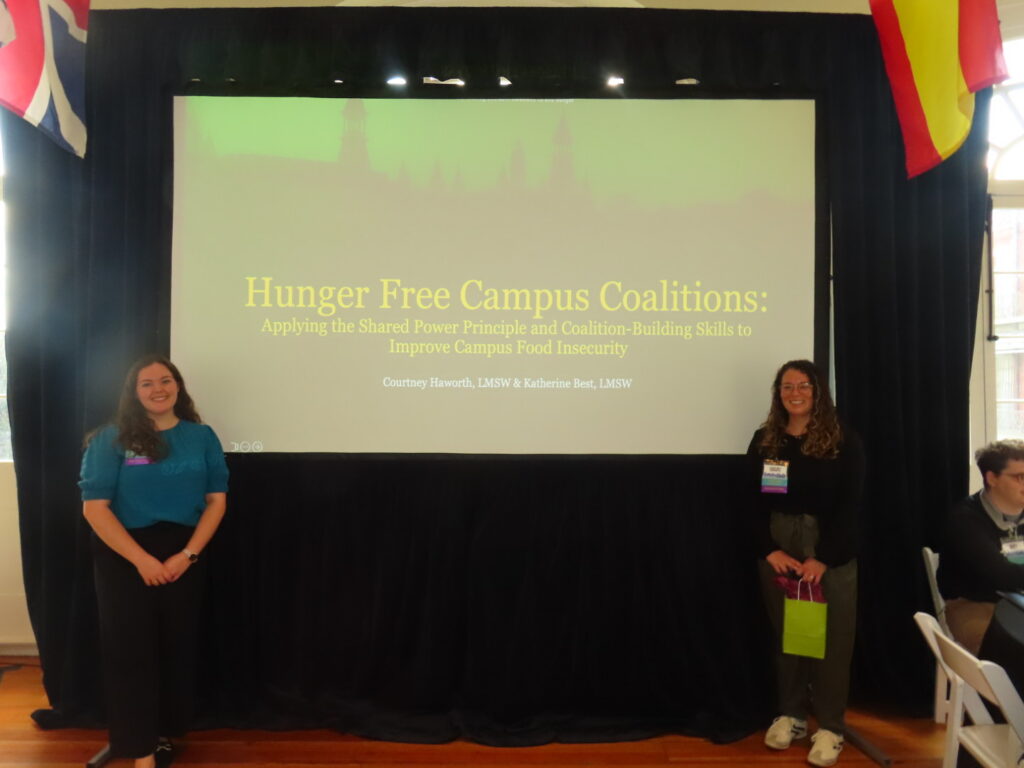
To date, Massachusetts and Michigan are two of the 12 states to have passed Hunger Free Campus legislation, and Texas is among the additional 11 to introduce the bill.
We Affirmed Our Collective Commitment to End Hunger Forever
While college hunger looks different on every campus, collaboration and collective action are critical to end college hunger everywhere. This truth is what inspired the convening in the first place. In total, people from 30 states came to New Orleans to connect, share ideas, and work toward a common goal.
In between sessions, during lunch breaks, and after the days ended, the Cabildo was filled with the sounds of excited chatter. One participant shared that this work can often be very siloed; one or two people on a campus who lead the majority of programming, often in the position to justify their work rather than collaborate on it. The convening served as a space for people who understand the importance of college student hunger to forge connections that push the movement forward.
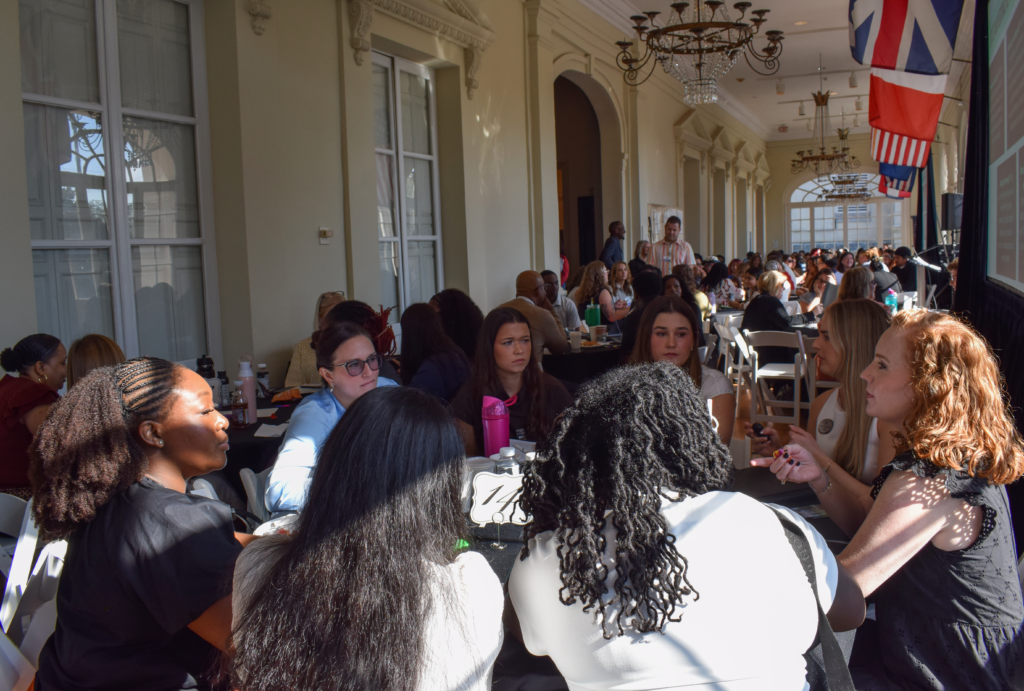
We need the people working on this issue in the same room, united by the same goal. When we return to our different corners of the world, we carry with us the passion, knowledge, and commitment shared in spaces like this. Everyone at Swipe Out Hunger is grateful for everyone who shared their time, knowledge, and ideas with us. We look forward to seeing what will come of the next one!