

Cities today face growing and interconnected challenges, from climate change and public health concerns to economic instability and social inequality. This increasingly complex reality requires new approaches to governance, planning, and collective action. It also calls for resilience to be understood not only through a risk-focused lens, emphasizing the capacity of cities to cope with and recover from shocks and stresses, but also through a more holistic perspective that considers how urban systems can evolve and strengthen to support pathways of high sustainability. In this sense, resilience is not only about being prepared to withstand disruption, but also about building the capacities, systems, and conditions that enable cities and their residents to adapt and thrive amid evolving challenges and risks.
Such a process-focused understanding of resilience also casts light on the importance of valuing and actively engaging communities in shaping the changes that affect them. This article explores the interdependence between equity and resilience, with a particular focus on climate-related risks. It reflects on how these risks are experienced across different regions and highlights how equity and resilience are jointly embedded in ICLEI‘s work around the world.
In our understanding, equity and justice are defining conditions of resilience. A city cannot be considered resilient if the costs and benefits of adaptation are distributed unequally or if sustainability efforts reinforce existing patterns of disadvantage and exclusion.
Evidence from climate resilience research suggests that preparing for, responding to, and recovering from crises is not enough to build resilient development pathways: Equitable and inclusive decision-making are also essential to addressing vulnerability and avoiding outcomes that exacerbate existing inequalities. Through our work with cities around the world, we see that enhancing resilience requires looking beyond systems and infrastructure to ask who benefits, who is left behind, and whose voices must be included in shaping decisions.
This means that reducing risk, advancing social justice, strengthening democratic participation, and empowering communities cannot be treated as separate goals. Taken together, these form the foundation of resilient and equitable urban development.
Climate change is a shared global challenge. However, the ways in which individual communities are exposed and vulnerable to risks, and their capacity to build resilience, are shaped by their geographic and socioeconomic contexts, historical inequalities, governance structures, and access to infrastructure and resources. Looking at these patterns in their regional context helps to illuminate how resilience and equity intersect in practice, and why effective resilience efforts must consider not only the hazards themselves, but also the conditions that shape how people are affected by them.
Across regions, climate-related challenges vary considerably. Heatwaves, flooding, drought, wildfires, storms, and sea level rise interact with existing social and economic pressures, shaping both exposure to risk and the ability to cope with and navigate these challenges. As a result, those most affected are often individuals and communities who face economic disadvantage, have historically experienced barriers to participation and decision-making, and whose knowledge has been sidelined.
Effective resilience approaches therefore need to be grounded in local environmental and social contexts. European cities increasingly face combined pressures from heatwaves, flooding, drought, wildfires, and rising energy costs, with older people, children, and migrants among those most exposed. Here, strengthening resilience requires approaches that protect those most at risk while ensuring that adaptation becomes accessible for all.
In North America, extreme heat, flooding, and wildfires intersect with long-standing patterns of social inequality, affecting Indigenous communities, communities of color, migrants, and other historically disadvantaged populations. Resilience approaches therefore need to strengthen community capacity while addressing persistent inequalities and valuing diverse knowledge and perspectives.
Across Africa, efforts to address risks related to drought, flooding, and extreme heat need to account for their interaction with poverty, rapid urbanization characterized by high levels of informality, and persistent gaps in access to basic services. As these overlapping challenges particularly affect women, low-income households, and residents of informal settlements, responses need to be locally grounded and recognize the systemic conditions that shape vulnerability.
In Mexico, Central American and Caribbean, hurricanes, drought, sea level rise, and water insecurity highlight the importance of resilience approaches that strengthen community capacity and recognize local knowledge, particularly among Indigenous, rural, and resource-dependent communities. In South America and the Amazon region, resilience is closely connected to protecting ecosystems, strengthening Indigenous rights, and valuing traditional knowledge as a foundation for adaptation.
In Southeast Asia, rapid urbanization and coastal exposure demonstrate the need for approaches that combine local innovation, community participation, and regional cooperation, particularly in supporting communities facing disproportionate risks. In East Asia, extreme heat, typhoons, heavy precipitation, and demographic shifts, particularly aging populations, are driving efforts to strengthen urban infrastructure while improving accessibility and universal design. And across Oceania, where climate change and sea level rise threaten livelihoods as well as cultural identity and ways of life, resilience approaches need to be locally grounded and responsive to diverse communities and knowledge systems.
Despite their differences, these regional spotlights reveal common principles: Meaningful engagement of disadvantaged groups, an intersectional understanding of vulnerability, the integration of local and Indigenous knowledge, and attention to the structural conditions that influence risk exposure and the capacity to adapt. Effective resilience efforts depend on understanding who faces the greatest risks, and why, while also recognizing and building on the assets that communities already possess. It also means enabling people to participate meaningfully in decisions that shape their futures.
There is no single model for putting these principles into practice. Cities around the world are translating them into action in ways that reflect their local contexts, priorities, and capacities. The following examples highlight four approaches to fostering fair participation, strengthening trust, building support networks, and addressing the institutional conditions that shape vulnerability.
1. Understanding vulnerability beyond climate risk
Fair and inclusive resilience enhancement begins with understanding not only where climate hazards occur, but also why some people are more exposed than others. Local assessments increasingly combine climate data with social and economic indicators to identify communities facing intersecting vulnerabilities, such as poverty, age, migration status, disability, or energy insecurity.
In Beira, Mozambique, socio-economic vulnerability mapping under the INACCT Resilience Project has helped to identify neighborhoods where climate risks overlap with social disadvantage, allowing resilience investments to better reflect the realities of impacted communities. Similarly, under the FairFuture project, local assessments in Thessaloniki, Greece, and Zagreb, Croatia, identified elderly residents living in upper-floor apartments without air conditioning, revealing how heat stress and energy poverty reinforce one another. These examples demonstrate that resilience planning becomes more effective when it starts from people’s lived experiences rather than hazards alone.
2. Including affected voices in climate and resilience planning
Inclusive resilience depends on communities not simply being consulted, but actively shaping solutions. Co-design strengthens trust, improves the relevance of interventions, and builds local ownership.
In Izmir, Türkiye, neighborhood action plans are developed together with residents using the Climate Resilience Measurement for Communities methodology, ensuring that local priorities guide investments. Throughout the Climate Resilience for Communities project, particular attention is given to disadvantaged women through initiatives that strengthen food security and adaptive capacity, while multilingual workshops encourage participation by migrant communities.
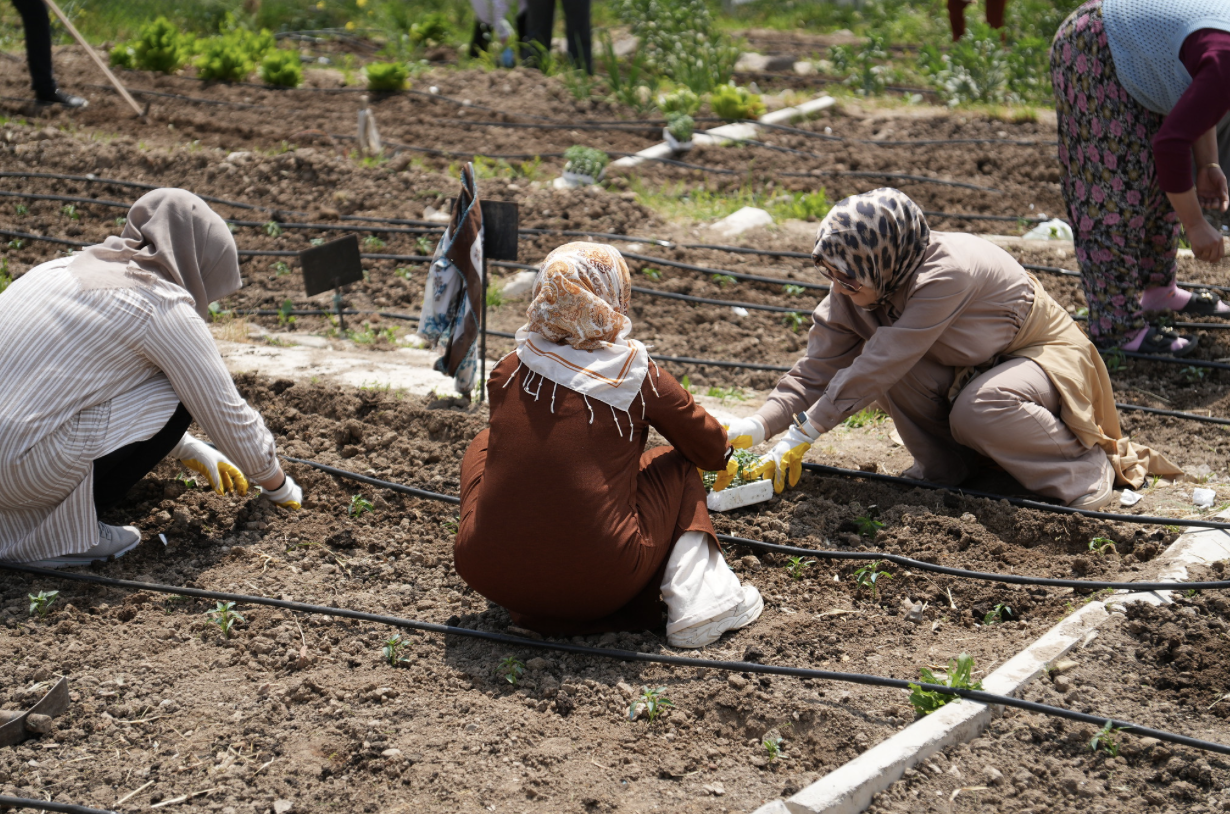
Across Bangladesh, Indonesia, Nepal, and the Philippines, the SIRA project similarly strengthens the voice of women and other underrepresented groups in local climate resilience planning, recognizing participation as a foundation for long-term resilience rather than an additional consultation step. In Grand Rapids, USA, a similar approach has been taken for the city’s Climate Risk and Vulnerability Assessment. The city partnered with Community Collaboration on Climate Change (C4), a network of mainly BIPOC-led (Black, Indigenous, People of Color) local community-based organizations, to prioritize engagement with frontline communities for the assessment of local vulnerabilities to climate change.
3. Enhancing resilience through fostering social networks
Cities are increasingly recognizing that resilience of critical systems is delivered through networks rather than institutions acting alone. Civil society organizations, community leaders, and trusted local actors play an essential role in reaching communities that formal systems often struggle to engage.
Blacktown City Council, Australia, illustrates this approach through its network of Cool Centres, developed with the Australian Red Cross and local community providers. In one of Australia’s most culturally diverse municipalities, heat warnings are shared through trusted local networks and community organizations, helping to overcome language barriers and ensuring support reaches residents who may otherwise be excluded.
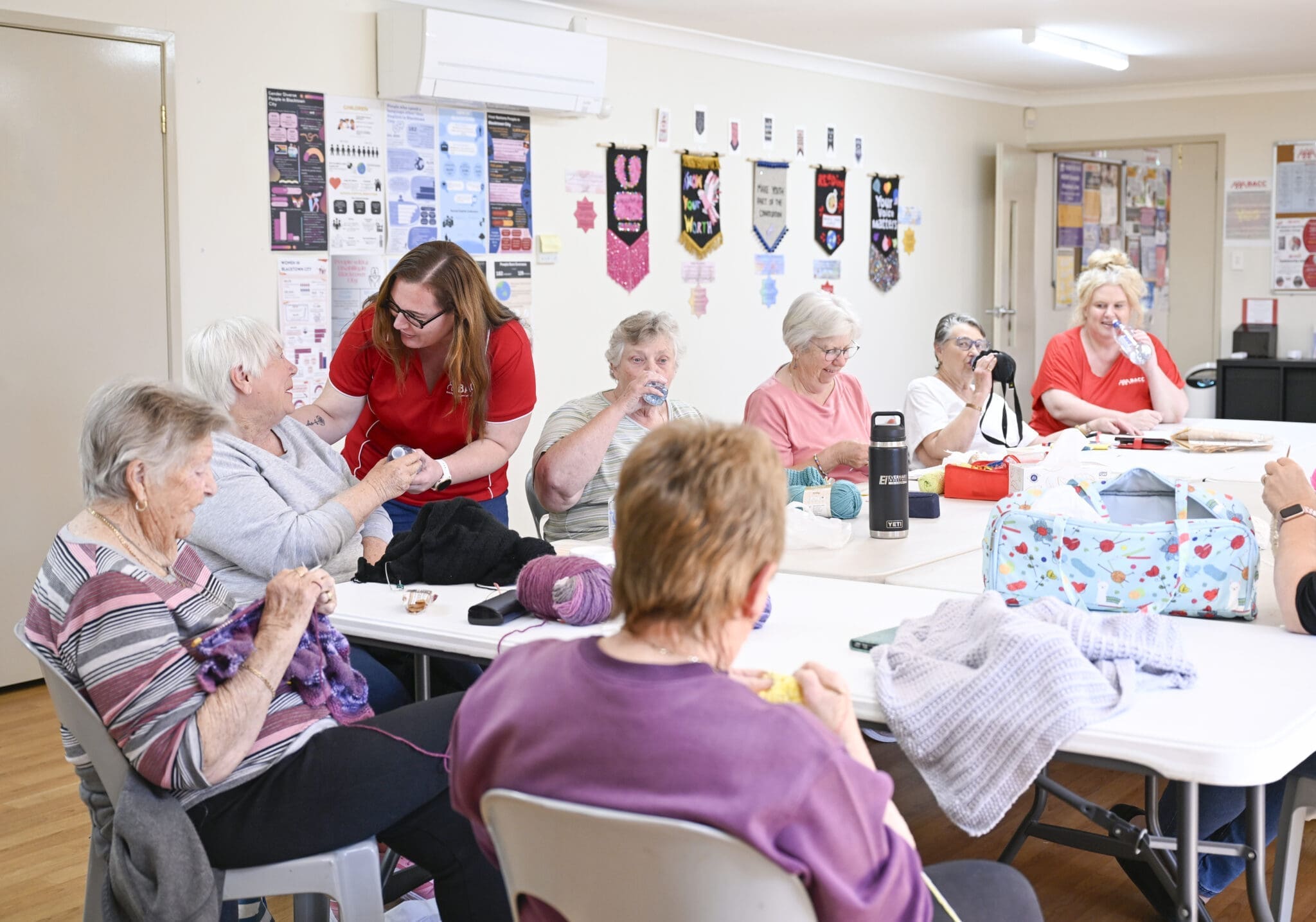
Likewise, the Stronger Together guide co-created with the City of Beaconsfield, Canada, outlines a practical approach cities are using to explore how stronger social connections can improve preparedness and recovery. The initiative supports municipalities in strengthening social networks, reducing isolation, and building trust as essential components of climate resilience.
4. Strengthening governance grounded in equity
Ultimately, enhancing resilience for everyone, particularly for those most affected by climate risks, requires institutions that embed equity in decision-making rather than treating it as a separate objective. This means strengthening local capacities, improving access to finance, recognizing Indigenous and traditional knowledge, and ensuring that decision-makers have the data needed to identify priority areas, target resources effectively, and monitor the impact of investments. Equally important are governance processes that enable meaningful participation and ensure that decisions reflect the needs and knowledge of those most affected.
In Acapulco, Mexico, efforts to promote resilient reconstruction following the impacts of Hurricanes Otis and John are bringing together priorities such as improving access to water, strengthening community-based risk management, and supporting inclusive economic recovery. Across Latin America and the Caribbean, cities participating in the Urban Infrastructure Insurance Facility are similarly combining climate risk assessments with financial instruments that protect both infrastructure and high-risk communities from climate impacts.
In the Amazon region, the Catalonia for the Amazon: Climate Justice and Equality Project demonstrates how human rights, gender equality, and climate justice can be integrated into subnational climate governance. The initiative strengthens the capacities of subnational governments to deliver more inclusive climate action while ensuring that the priorities of Indigenous peoples, traditional communities, women, and other groups disproportionately affected by climate change inform adaptation and governance processes.
Meanwhile, the Call for Action on Inclusive Resilience, endorsed by practitioners across Asia, highlights the growing recognition that inclusive participatory governance, evidence-based planning, and accessible climate finance are fundamental to resilient urban development.
Taken together, these examples point to a central message: While hazards, governance systems, and social contexts differ across regions, effective resilience efforts share a focus on understanding vulnerability, strengthening local capacities, and ensuring that those most affected can meaningfully shape responses. This calls for collaboration between communities, local governments, and other relevant stakeholders, ensuring that people have the support and resources they need to thrive and can meaningfully participate in decisions that affect their lives.
Going forward, ICLEI will continue to advance on-the-ground solutions and projects that put equity and resilience at the heart of local climate action. A new project, C:REATE – Integrated and Equitable Climate Action for Resilient Communities, will further explore this approach by establishing community resilience networks at the neighborhood level. These networks will bring local stakeholders together to develop and implement joint measures that address both climate and equity.
Through such initiatives, we aim to strengthen the capacity of communities and institutions to build resilience in ways that are both locally grounded and socially inclusive.

