

When inventory cannot be returned to the market, the risk persists even after leaving the warehouse. A pickup receipt may confirm that a load departed from the property, but it doesn’t always indicate where the material was sent or how final disposal was handled.
That’s why establishing a chain of custody for product destruction is important. A documented process records each transfer from pickup to final destruction, providing businesses with a clear record of what happened after products leave their control.
What Chain of Custody Means
Chain of custody refers to the record that follows a product through each stage of handling. During a destruction project, that record usually begins when the disposal provider accepts the material.
From there, documentation follows the product through transport and facility receipt. The final record should also confirm how the product reached its destruction endpoint.
Each handoff should show who controlled the material and when custody changed. Without that paper trail, a business may struggle to prove that unusable goods didn’t move into resale or another unauthorized channel.
A clear chain-of-custody process also helps internal teams stay aligned. Operations teams may care about removal timelines, while compliance teams may care about records. Brand teams may focus on keeping sensitive goods out of public view.
Why Chain of Custody Matters for Brand Protection
Off-spec goods can harm a brand if they reach the wrong market. A defective item may appear through an unofficial seller. An outdated product may reach customers with the company’s name still visible.
Chain-of-custody controls help reduce that risk. Each documented handoff gives the business a clearer view of product movement after pickup.
Sensitive materials require careful handling before destruction. Private-label goods, discontinued items, prototypes, and recalled products can pose problems if diverted.
The concern grows when packaging still carries a logo, batch number, label, or product claim. Even when the item no longer has value to the company, it may still carry enough brand value to attract unauthorized resale.

When Documented Destruction Makes Sense
A business may need documented destruction when products no longer meet internal quality standards. Some jobs involve safety concerns. Others involve brand risk or regulatory requirements.
Documented destruction may support projects involving:
- Expired food or beverage products
- Outdated cosmetics or personal care goods
- Damaged consumer products
- Recalled merchandise
- Defective electronics
- Mold-damaged inventory
- Branded packaging that can’t enter resale channels
- Off-spec manufactured goods
Some products also contain materials that require special handling. Chain-of-custody documentation helps demonstrate that the disposal process followed the proper procedure.
Businesses may also request destruction after a labeling error, packaging change, or seasonal inventory reset. In those cases, the product may look usable, yet the company still can’t allow it to circulate.
How the Process Usually Starts
A strong destruction project starts before the material leaves the customer’s site. The provider reviews the product type and quantity first. Packaging, condition, and disposal concerns also shape the plan.
That review helps the team choose the right transportation path. It also helps route the product to a facility that can manage the required destruction method.
Once pickup begins, custody should shift through a documented handoff. The record may include container counts, product descriptions, pickup dates, signatures, or transport details.
The provider should also understand whether the job involves confidentiality concerns. Some customers need a discreet process because the products involve recalls, private-label goods, or sensitive branded materials.
What Records Should Show
Documentation gives the chain of custody its value. Even a secure process can leave unanswered questions when records have gaps.
A complete file may include:
- Product profiles
- Manifests or shipping records
- Weight tickets
- Facility receiving records
- Photos when appropriate
- Certificates of destruction
The certificate of destruction is highly valuable because it confirms the outcome. Quality teams may keep it with recall files or vendor records. Compliance teams may also need it during audits.
Clean Management notes that it retains profiles, manifests, certificates of destruction, and related documents for customers. That record support can help businesses keep disposal files organized after the project closes.
Good records should connect the material to the outcome. A file that only proves pickup leaves too much room for doubt. A stronger file shows how the material moved, where it went, and how the destruction process closed.
Choosing the Right Destruction Method
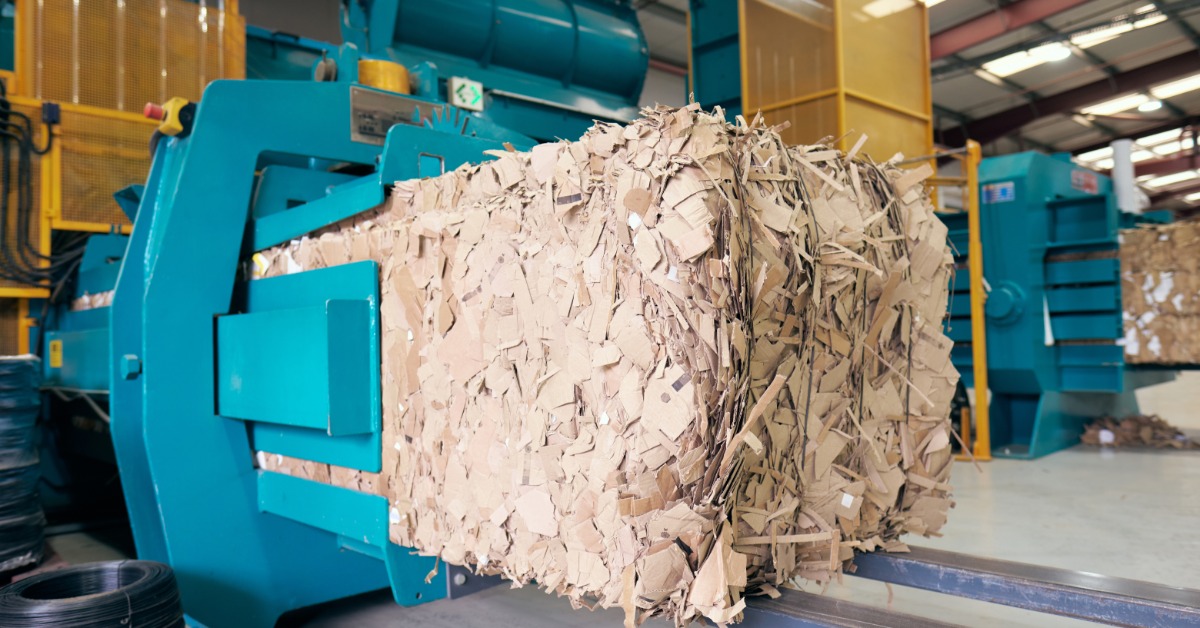
Not all products require the same method of disposal. Paper items might be shredded, rigid items may need to be crushed, and combustible materials could be incinerated if it is safe to do so. The disposal approach should align with the product’s risk level.
Items with low risk and no resale value might only need basic disposal. Branded or regulated products typically require more stringent controls. The appropriate method depends on the material’s profile and the disposal objective.
Selecting a method also influences documentation; for example, loads destined for shredding may need different records than those for incineration. Materials with hazardous elements may necessitate a more detailed documentation trail.
How Chain of Custody Supports Compliance
Some destruction projects involve hazardous materials or regulated products. Those jobs need more than general disposal paperwork.
A documented process can show how the business handled the material from pickup through final processing. It can also help teams respond when a regulator asks for proof.
Strong documentation matters because a clear chain of custody for product destruction services covers the route from pickup to final processing. It also shows the controls that help keep materials from reentering commerce.
Compliance needs can vary based on product type, location, and disposal method. A provider with environmental management experience can help customers understand what records may apply to the job.
Questions to Ask Before Scheduling Destruction
A provider should explain how it tracks materials after pickup. A low price won’t help much if the company can’t explain where the products go or how it confirms destruction.
Ask questions such as:
- How do you document custody during pickup?
- Which destruction methods can you coordinate?
- Can you provide a certificate of destruction?
- How do you handle branded or sensitive goods?
- Where will the material go after pickup?
- How long do you retain disposal records?
- How do you reduce diversion risk?
Clear answers signal a defined process. Vague responses may point to gaps in documentation or facility control.
Why Provider Experience Matters
Product destruction involves careful transportation planning and facility routing. Waste classification can also influence the process. Final documentation consolidates these steps for the customer’s records. This experience helps businesses avoid a one-size-fits-all disposal plan and provides teams with a single point of contact for questions about routing and documentation.
A provider should also understand the project’s business impact. The goal extends beyond simply clearing space; the process must protect the company’s reputation while supplying decision-makers with reliable records.
Building a Better Destruction Record
A clear chain of custody gives businesses more control once products leave their facility. It tracks the material, records each handoff, and confirms the destruction outcome. That record can help protect brand value. It can also support compliance reviews when teams need proof months after the project closes.
Documented destruction gives businesses a clearer way to remove unusable inventory from storage without losing control of the record. When the process includes the right paperwork, teams can close the loop with fewer unanswered questions.
Clean Management Environmental Group offers product destruction services for off-spec and outdated materials. Contact the team to discuss your products, disposal needs, and documentation requirements.

