Coral Bleaching Awareness Month is entering a new chapter.
For 3 years, this global campaign has helped people understand one of the most visible signs of stress on coral reefs. Now, Coral Bleaching Awareness Month will take place in September, aligning global attention with the time of year when bleaching impacts and reef monitoring are often most visible across many parts of the world.
The move creates a stronger opportunity for scientists, conservation organizations, coastal communities, and ocean advocates to share updates, new research, and stories from reefs around the globe.
Let’s revisit what Coral Bleaching Awareness Month is and how it began.
What Is Coral Bleaching Awareness Month?
Coral Bleaching Awareness Month (CBAM) is a global campaign created by the Coral Reef Alliance dedicated to raising awareness and understanding of coral bleaching, the loudest warning sign from reefs under stress.
When ocean temperatures rise, corals expel the tiny algae that live in their tissues. These algae provide both color and essential nutrients. Without them, corals turn white, a condition known as bleaching. In areas with clean water and effectively-protected areas, coral reefs have a stronger chance of bouncing back after a bleaching event. However, if stressful conditions—like wastewater contamination and overfishing—continue, bleached corals can die.
Coral Bleaching Awareness Month helps translate this science into public understanding. Throughout the month, organizations, researchers, educators, and ocean advocates share:
- The science behind coral bleaching
- Updates from reefs around the world
- Actions that reduce stress on coral reef ecosystems
- Ways people can support reef conservation
If you’re new to the topic, you may want to explore What is coral bleaching? to understand the science behind the campaign.
How Coral Bleaching Awareness Month Started
Coral Bleaching Awareness Month began as a digital campaign designed to bring global attention to a crisis that is often difficult for people to see firsthand.
Launched by the Coral Reef Alliance (CORAL), the campaign was created to give scientists, conservation organizations, and reef communities a shared platform to talk about bleaching events and what they mean for the future of coral reefs.
What started as a single awareness effort quickly grew into a global collaboration. Within a few years, more than 200 organizations and institutions joined the campaign. Participants spanned across regions such as The Coral Triangle, The Caribbean, East Africa, Australia, and the Pacific Islands.
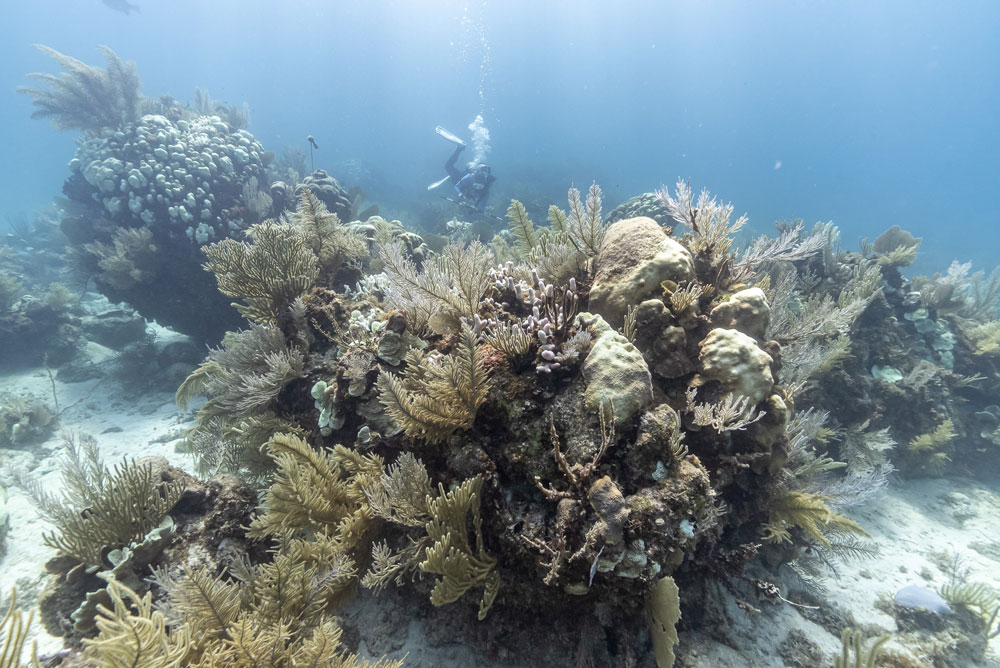
Together, these partners shared stories, research updates, and educational resources that helped bring the reality of coral bleaching to audiences around the world.You can learn more about how bleaching events are tracked in A Day in the Life of Coral Reef Monitoring.
Why Coral Bleaching Awareness Month Is Moving to September
The decision to move Coral Bleaching Awareness Month to September is rooted in timing.
Across many reef regions, the late summer and early fall months are when scientists and reef managers begin to assess the impacts of seasonal heat stress. Monitoring programs release updates, field surveys take place, and researchers analyze bleaching conditions on the reef.
Holding Coral Bleaching Awareness Month in September helps align the campaign with:
- On-the-ground perspectives from coastal communities
- New field observations from reef monitoring programs
- Updated global coral bleaching outlooks
- Fresh research and reporting on reef conditions

In other words, September is when many of the most important reef updates begin to surface. This shift allows Coral Bleaching Awareness Month to reflect the most current science and real-world reef conditions.For more context, you can read how coral reefs adapt to warming oceans.
Why Awareness Still Matters
Coral bleaching has become more frequent as ocean temperatures rise. Global mass bleaching events have affected reefs across the Pacific, Indian, and Atlantic oceans.
But bleaching does not affect every reef in the same way.
Some reefs show stronger resilience when local pressures like land-based pollution (wastewater, agriculture, and sediment runoff) and overfishing are reduced. When these everyday stressors are addressed, corals have a better chance of surviving heat stress and recovering after bleaching events.
Understanding this relationship is a key part of Coral Bleaching Awareness Month. The campaign highlights the connection between global climate change and the local actions that influence reef health.
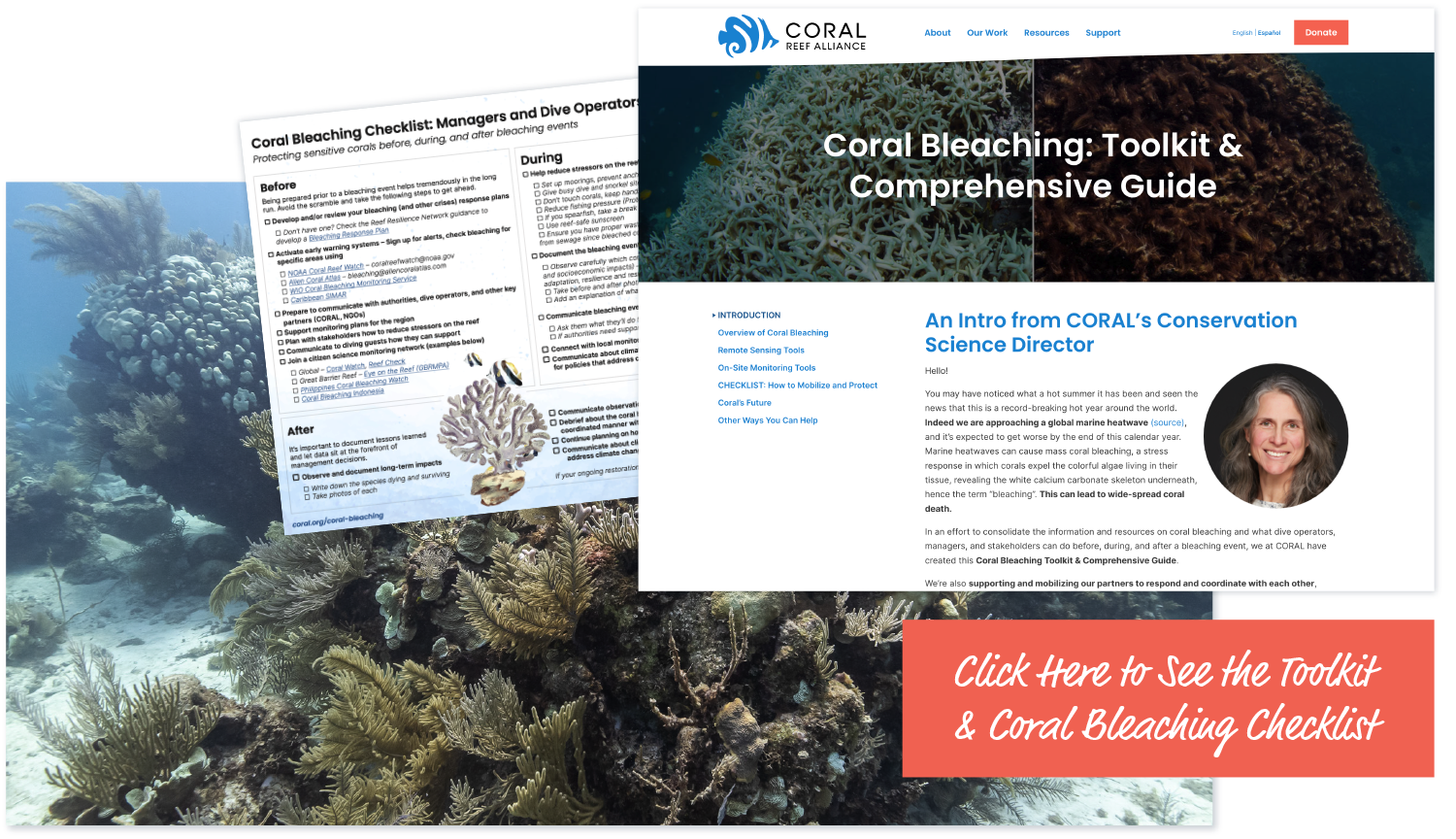
To learn more, explore:
Looking Ahead to the Next Coral Bleaching Awareness Month
Coral reefs support marine life, coastal economies, and cultures that have been connected to the ocean for generations. Protecting these ecosystems begins with understanding the pressures they face.
Coral Bleaching Awareness Month helps bring that understanding to the surface.