

UN gives global recognition to community-based zero waste systems
The theme for this year’s UN Day of Zero Waste— food waste– could not be more timely. Approximately 1.05 to 1.3 billion tons of food are wasted or lost globally each year, amounting to roughly one-third of all food produced for human consumption. Not only is the amount of wasted food staggering, but it also worsens the climate crisis: the waste sector is the third largest source of human-caused methane emissions– a short-lived greenhouse gas that traps 82.5 times as much heat as CO2 over a 20-year timespan.
The good news is municipalities across the world have implemented simple, affordable solutions to the food waste crisis, with remarkable results. By simply preventing good food from being thrown away and composting the rest, cities have protected public health, created more and better jobs, and boosted both waste diversion and resilient food systems.
Today in honor of the United Nations Day of Zero Waste, the United Nations Environment Program and UN-Habitat have recognized five of our members’ zero waste cities projects in the Global South in their selection of 20 Cities Towards Zero Waste, elevating these programs as a blueprint for other cities around the world to follow.
So what do these five zero waste programs have in common that made them a globally recognized model? In short– a dedication to social and environmental justice.
Thiruvananthapuram, India: Building the “Green Army”
Varkala, a municipality within Thiruvananthapuram (or Trivandrum), the capital of the southern Indian state of Kerala, has been working with the guidance and support of GAIA member Thanal to build out zero waste systems for the past several years. The beauty of its organic waste program is that it employs a range of decentralized technologies that make organic waste management accessible on a household level. This includes kitchen composting bins, pipe composting units, biogas plants, aerobic bins, and community resource recovery centers that together address 72% of the city’s municipal solid waste. The program achieved compliance rates for source separation of 80% in the residential sector and 88% in the commercial sector within just five years, nearly half which is organic waste.
But the secret to Varkala’s success is two-fold: community engagement, and waste picker empowerment. Led by Thanal, the city engages residents through the “Green Army,” a campaign platform educating schoolchildren and neighborhoods on segregation and composting. Thanal also runs a Zero Waste Centre that functions as a resource recovery and training hub, empowering women through sustainable employment and fostering innovation in waste processing near the source. Women-led self-help groups participate actively in waste collection and composting, promoting social inclusion and providing employment opportunities within marginalized communities.
Accra, Ghana: A Masterclass in Community Engagement
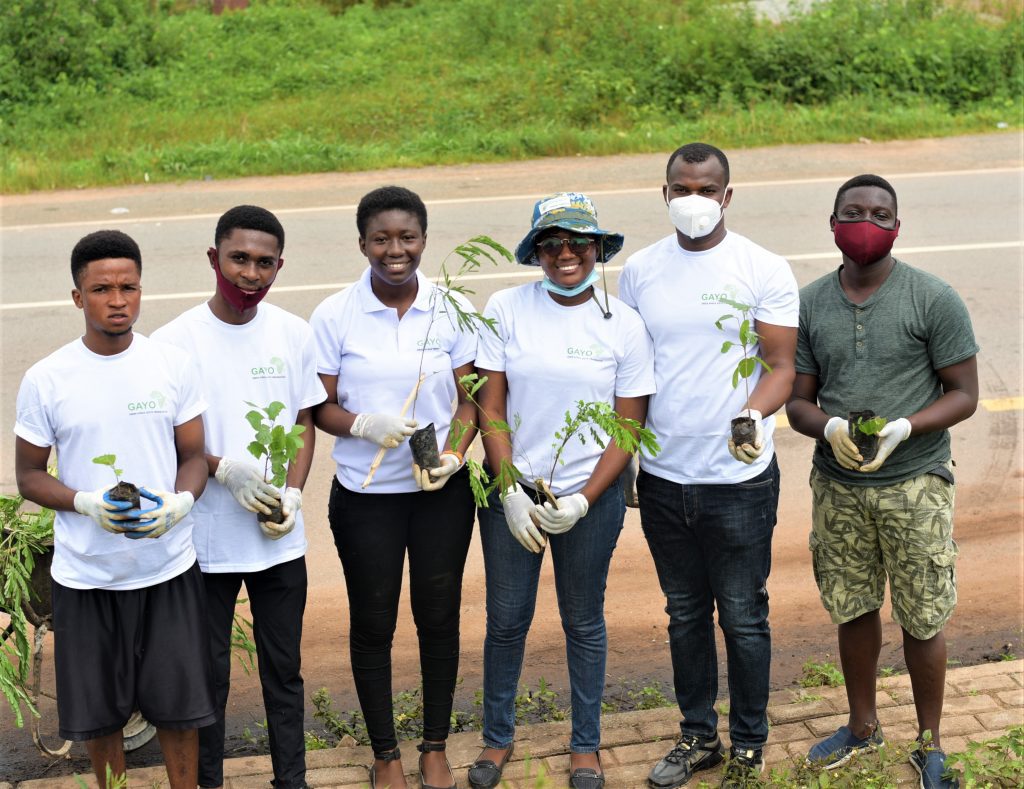
Accra deserves recognition for pioneering inclusive and effective waste management solutions through its partnership with the Green Africa Youth Organization (GAYO), empowering informal workers, reducing landfill dependence, and promoting circular economy approaches in a rapidly urbanizing African city. Accra has made significant strides in diverting waste from landfills and is working to go beyond through engaging with the LOW-M Initiative, which supports cities to reduce waste methane emissions and unlock implementation by mobilising partner support. GAYO’s work on methane reduction with organic waste treatment project was named winner of the world’s most prestigious environmental prize in the clean air category, the Earthshot Prize, in 2024.
The city raises awareness through community campaigns, school engagement, educational workshops, and partnerships that promote source separation and composting. GAYO’s model centers marginalized groups by formally integrating over 600 informal waste workers, including many women and youth, providing training, fair employment, health and safety advocacy, and opportunities to participate as community educators.
Dar es Salaam, Tanzania: Collaboration is Key
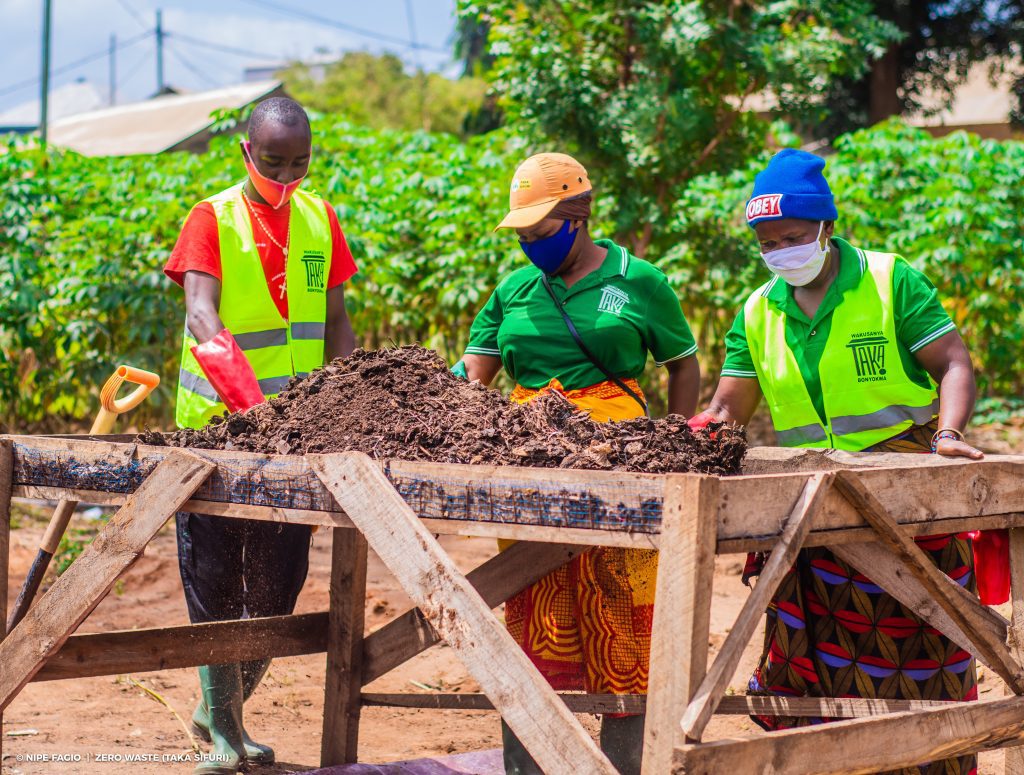
Dar Es Salaam has had incredible success in its zero waste program, collecting 1.74 tonnes of waste daily from 4.500 households (95%), achieving virtually 100% of organic waste diversion from disposal, equivalent to a reduction of 16.4 tonnes of methane emissions per year. GAIA member Nipe Fagio has been supporting the Tanzanian government every step of the way, engaging residents on zero waste through community-based campaigns involving door-to-door visits, and community surveys that motivate behavioral change and proper waste management.
This community-driven model integrates waste picker cooperatives– supporting the newly launched Tanzania Waste Pickers Association (TAWAPA). This includes formal training programs and support, equipment, skills development, and leadership training that improve their working conditions. The Dar es Salaam model has taken off: interest generated by word-of-mouth has led to expansion within the city and then to other jurisdictions the country, including Zanzibar, Arusha and Tanga. There is great interest across Africa for their Zero Waste Academies, which provided microgrants for zero waste implementation in 9 African countries.
San Fernando, Philippines: Win-Win for All
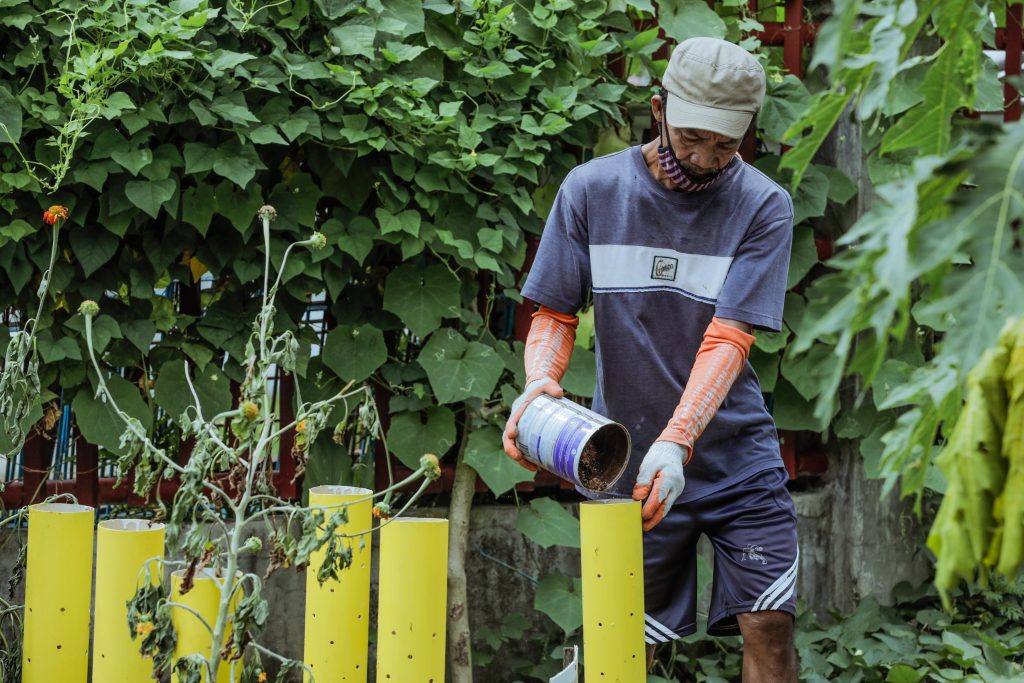
San Fernando has long been heralded as a zero waste model globally, having begun its zero waste journey over a decade ago. The city improved waste diversion from 12% in 2012 to 80.69% in 2018, with a compliance rate in source separation of 93%. Through its zero waste system, the municipality has been able to reduce disposal costs by nearly half, from USD 1.4M to about USD 677K annually.
GAIA member Mother Earth Foundation (MEF) provides vital technical, educational, and advocacy support that powers the city’s zero waste systems. One example is an intensive public information, education campaign to encourage residents’ participation, with incentives like a contest for the best-performing neighborhood (called barangay) on a live TV show called “Win-win for All.” MEF also helped organize a 160 person waste workers association that was formalized by the city– enhancing livelihoods, upgrading their working conditions, income, and social recognition while improving waste collection services.
San Fernando’s success is part of the Zero Waste Cities Network Philippines, which shares replicable strategies, governance models, and advocacy lessons to other cities nationwide.
Florianópolis
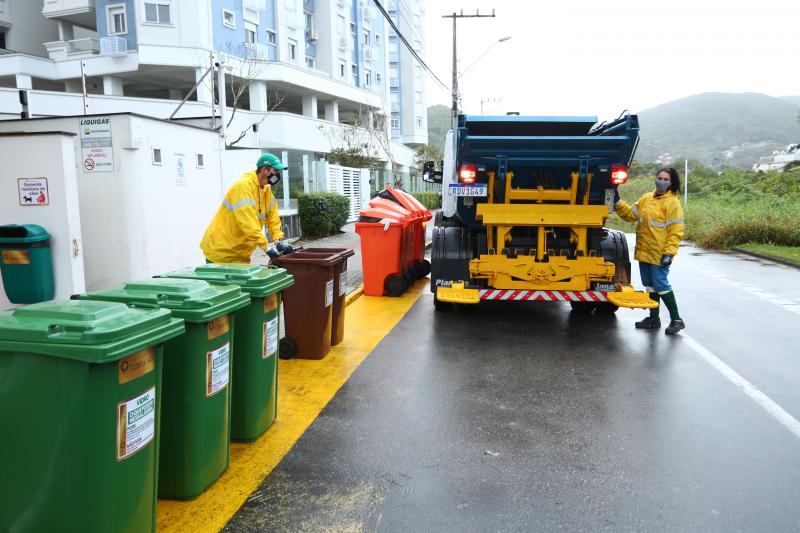
Florianopolis deserves recognition as a top zero waste city for its ambitious and effective Florianópolis Capital Lixo Zero program, alongside pioneering community composting and inclusive waste recovery efforts that have radically reduced organic waste sent to disposal. With the technical support of GAIA member Instituto Pólis, in just three years Florianopolis has more than quadrupled food waste composting from 1,175 tonnes in 2020 to 5,126 tonnes in 2024, and doubled green organic waste collection.
The city raises awareness of zero waste through education, technical support, and strong community participation. A key example is the “Minhoca na Cabeça” program, which has distributed over 2,000 home composting kits with mandatory training, diverting about 32 kg of organic waste per household monthly, as well as school and community composting programs. Informal waste recyclers are integrated through contracts with Comcap for sorting services, ensuring employment and dignified inclusion.
The city also puts a strong emphasis on sharing best practices, including hosting two Composting Tours, where leaders of waste pickers and municipal managers from the five Brazilian regions were able to observe in practice how the implemented strategies work and discuss the possibility of replicating them in their own territories.
What these five cities’ stories demonstrate is that in order to have a successful zero waste system, no one can be left behind. It takes deep engagement with the public for municipalities to make zero waste work, hand-in-hand with community-based organizations with the technical expertise and outreach capabilities required. Informal workers must be officially recognized for their vital contribution to zero waste systems, and given the wages, benefits, and protections to be able to work with dignity. And finally, it is critical that these best-practices be shared and supported with financial mechanisms that are suitable for community-based, decentralized systems that prioritize upstream solutions over end-of-pipe interventions. The experience of these five cities provide valuable insights for any municipality considering a zero waste plan. The solutions are out there, now it is up to us to scale them.

