

As the international community gathers in Mongolia for the 17th Conference of the Parties to the UN Convention to Combat Desertification (UNCCD), rangelands are moving into the spotlight. Realizing their potential for land restoration, climate action, and biodiversity requires a shift in perspective: recognizing pastoralists, their mobility, and their knowledge as part of the solution.
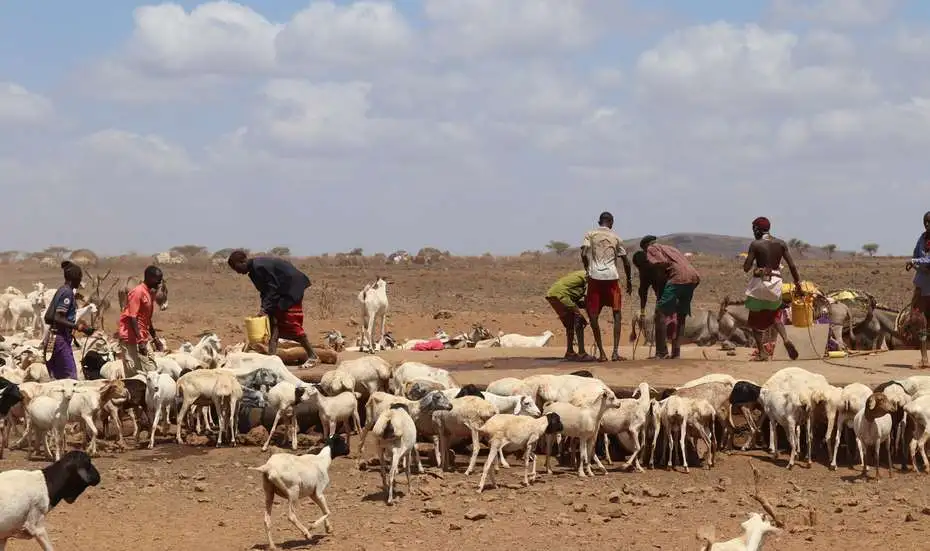
The landscape is brown and parched, and watering points have dried up. Once again, the rains have failed in Southern Ethiopia and Northern Kenya. The Gabra pastoralists have lived with these extremes for centuries. They know when to move in search of new pastures and water, allowing the land they leave behind to recover, following traditional routes that have sustained their communities for generations.
But moving is becoming increasingly difficult. Climate change is putting greater pressure on people and land, while fences, conflict, investment, and political and administrative boundaries fragment rangelands and restrict traditional routes. As more land is allocated to agriculture, mining and other uses, a way of life adapted to highly variable environments is running up against new barriers.
Behind many of these barriers lies a persistent misconception: that pastoralist mobility is a problem, pastoralism stands in the way of more productive land use, and rangelands are places of scarcity rather than landscapes with enormous ecological and economic potential.
The experience of Welthungerhilfe and its partners points to a different conclusion: pastoralist mobility is a solution, not a problem. Pastoralists are highly specialized land managers whose knowledge and practices can contribute to healthier rangelands, climate resilience, sustainable food systems and biodiversity conservation. Realising this potential requires secure rights, enabling policies, investment, and a greater role for pastoralist communities in decisions that shape their land and livelihoods.
From 17–28 August, UNCCD COP17 brings the international community to Ulaanbaatar to advance action on land degradation, drought, and desertification. Hosted in one of the world’s foremost pastoralist nations, it marks the culmination of the UN International Year of Rangelands and Pastoralists 2026, putting pastoralism, rangeland restoration, and the question of who shapes their future firmly in the spotlight.
The Work we Learn From
“Strengthening the Resilience of Agro-Pastoralists’ Livelihoods in Eastern Africa” (SRAPLEA) has worked since 2017 to strengthen pastoralist resilience in the arid regions of Kenya, Uganda and Ethiopia. Funded by BMZ, the Welthungerhilfe program and its local partners combine climate-adapted agriculture, sustainable livestock, water and rangeland management, economic development, policy advocacy and cross-border dialogue.
Through the Land for Life Initiative, Welthungerhilfe and local partners have supported multi-stakeholder partnerships for land governance in Sierra Leone, Liberia, Burkina Faso and Ethiopia since 2017. Funded by BMZ, the initiative strengthens marginalized groups, including pastoralists whose mobility and land rights are often overlooked, and brings governments, civil society, the private sector, academia and communities together to develop sustainable solutions.
Our Learnings:
1. Pastoralists are experienced land stewards and must be at the heart of rangeland restoration
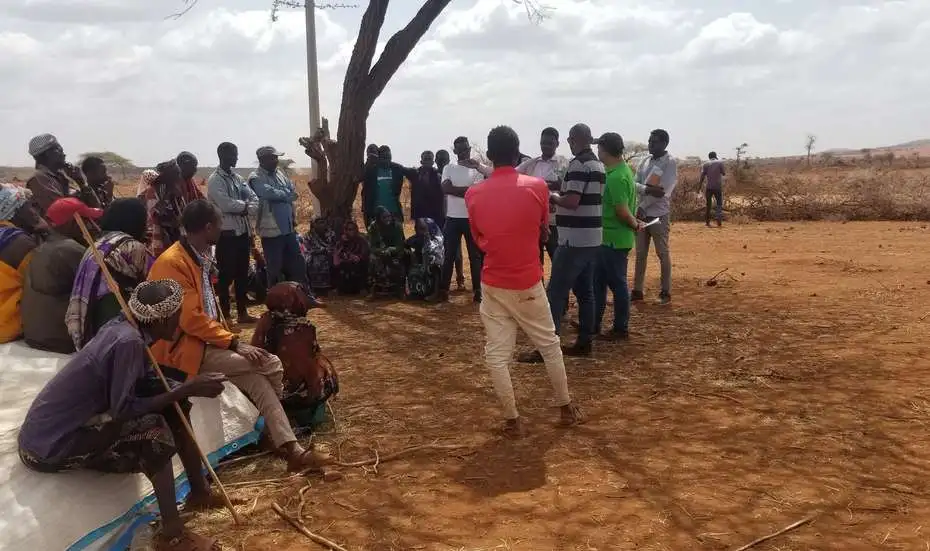
In Argene, Ethiopia, the challenge was not simply degraded rangeland but the erosion of traditional systems governing communal grazing. Rather than introducing a new management model, SRAPLEA strengthened Borana customary governance by bringing community members, elders, government representatives and technical experts together to develop land-use and pasture management plans. Traditional grazing rules were documented in community bylaws and combined with modern restoration practices, reinforcing local ownership and ecological recovery. Approximately 1,500 hectares of degraded rangeland were rehabilitated through soil and stone bunds, reseeding with drought-tolerant grasses, and a locally managed fodder reserve. Community participation reached 88.2%, far above the program average.
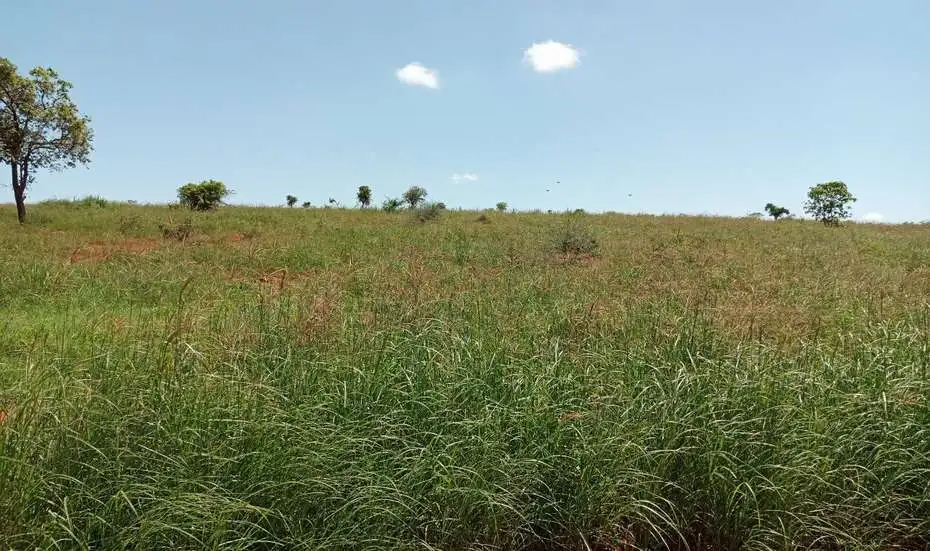
It is one example of an insight that appears throughout WHH’s work: restoration is most effective for biodiversity and food security when communities are not treated as beneficiaries but as decision makers and custodians of their natural resources.
2. Mobility is an adaptation strategy, not a problem
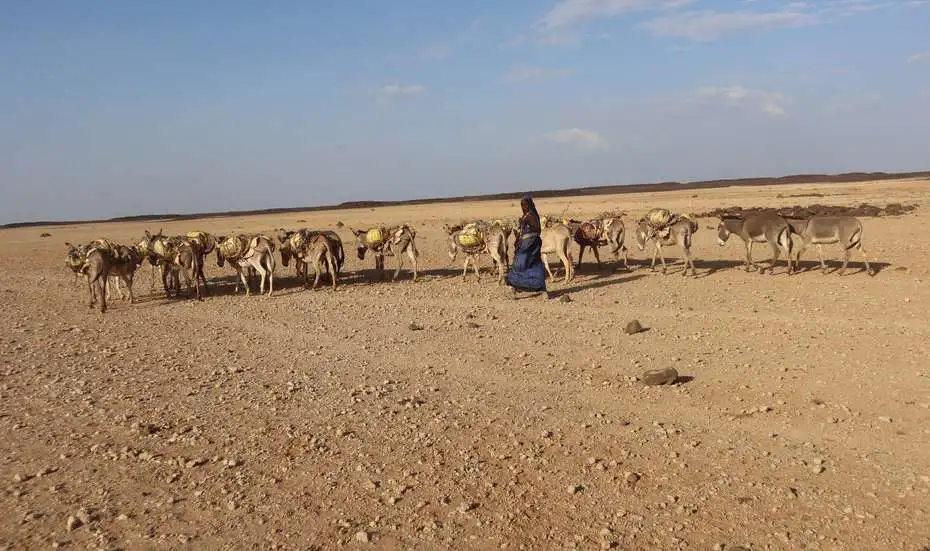
In systems largely built around sedentary land use, pastoral mobility can create friction. When access to land and resources is poorly governed, competing claims can fuel conflict and undermine restoration. Yet land and resource rights remain too often overlooked in debates on rangeland restoration and climate resilience.
Pastoral land use depends on flexible and sometimes overlapping access to grazing areas, water points, seasonal reserves and mobility corridors. Secure communal rights, strong customary institutions and protected mobility are therefore essential for sustainable pastoral land management.
Creating an enabling policy environment
Research and national dialogues commissioned by Ethiopia’s Land for Life Thematic Working Group on Pastoralism show how land governance can constrain pastoral land management.
Across Ethiopia’s pastoral lowlands, mobility and communal rangeland management underpin productive livestock systems. Yet formal land governance often favors sedentary agricultural models and fixed, individual landholdings. As a result, pastoral rangelands remain insufficiently recognized and vulnerable to fragmentation, competing claims and conversion.
The research also showed that pastoralist communities are more likely to invest in restoration when their rights are secure. This requires not only land certificates, but legal recognition of communal rangelands and customary institutions, and policies that protect mobility and seasonal rights. A gap that still has to be closed.
Preventing conflict over shared resources
Mobility also depends on negotiated access to shared land and water. Borana and Gabra pastoralists have long relied on seasonal cross-border movements, but growing climate pressure, competition and weakening customary institutions have contributed to conflict.
Through SRAPLEA, community members, customary leaders, peace committees and local authorities agreed on rules for grazing, water use, livestock movements and conflict resolution. Cross-border peace committees now meet regularly to address tensions early, contributing to a reported decline in conflict and greater participation of women in peacebuilding.
Both examples underline a simple principle: pastoral mobility needs to be enabled, not restricted. Secure rights, supportive policies, strong local institutions and agreements over shared resources allow pastoralists to respond to climate variability while managing rangelands sustainably.

3. Rangelands are strategic ecosystems and thus require strategic investment
Rangelands cover nearly half the earth’s land surface and sustain the food security, livelihoods and resilience of hundreds of millions of people. Yet they remain politically and financially neglected. Integrated, long-term investment in their sustainable management can deliver for biodiversity, climate, food systems and local communities.
Carbon and climate finance offer emerging opportunities to support this investment, despite risks where regulatory frameworks are weak. Welthungerhilfe’s The Western Kenya Soil Carbon Project (WEKSOCAP), funded by GIZ, shows one approach: combining land restoration and climate-smart agriculture with soil carbon credits whose revenues aim to finance long-term extension services and support communities in adopting climate-smart practices.
However, carbon markets also bring risks. Experience from the Land for Life Multi-Actor Platform in Burkina Faso shows that governance frameworks are not always ready to ensure equitable community benefits. An assessment identified gaps including unclear community rights to carbon benefits, the lack of an operational carbon registry and benefit-sharing mechanisms, and insufficient safeguards around information, legal support and compensation.
The lesson extends beyond carbon markets: the question is not only how to attract more finance, but what kind of investment, under what conditions, and for whose benefit. Secure tenure rights, equitable benefit sharing, community capacity and free, prior and informed consent (FPIC) are essential. With the right frameworks, investment in rangelands can be profitable while driving restoration, resilience and sustainable livelihoods.
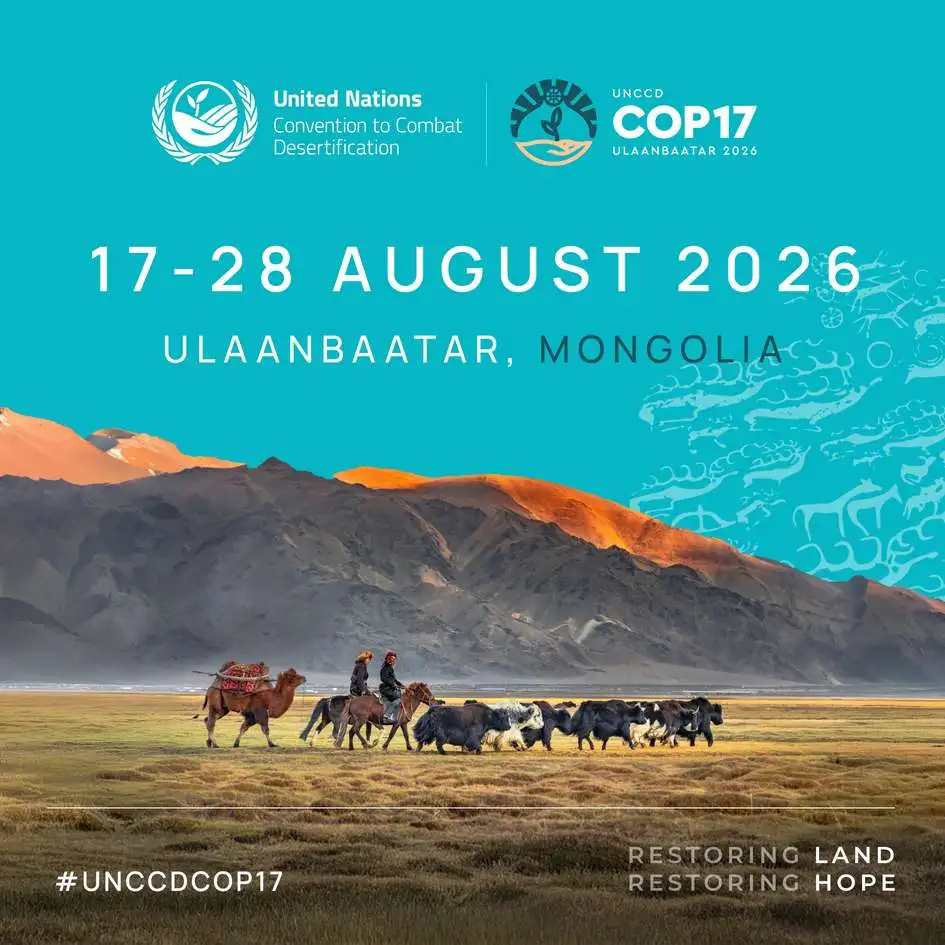
COP17 is an opportunity to recognize the role pastoralists and rangelands can play in advancing the objectives of all three Rio Conventions. Through two side events and broader engagement, Welthungerhilfe and its partners will contribute evidence and experience to the debate.
Our Events at COP17:
-
“Enabling Fair and Effective Carbon Solutions for Restoring Rangelands”
WHH, Agroecology Coalition, ILRI, ICRAF, Alliance Bioversity-CIAT, WWF, 4 per 1000
26 August 2026, 18:00–19:30, MET-01
-
“One Land, Three Agendas: Using Agroecology to Deliver Rio Convention Synergies in Practice”
Agroecology Coalition, BMZ/GIZ, SNV, Welthungerhilfe (WHH), WFF Youth Initiative, WWF, IUCN, 4 per 1000, Coalition of Action 4 Soil Health (CA4SH), AICS IT
27 August 2026, 10:30–12:00, MET-01 Blue Zone
Utilizing the potential of rangelands requires moving beyond parallel agendas and shifting narratives. Climate, biodiversity and land restoration are deeply interconnected, and rangelands are where many of these challenges, and their solutions, come together.
COP17 is an opportunity to turn that recognition into action: invest in rangelands, enable mobility, secure land and resource rights and place pastoralists at the center of decisions that shape their lands. By doing so, we can turn synergies between the three Rio Conventions into tangible outcomes for people, nature and climate.

