

Africa captures our imagination. The continent spans wide-open savannas where lions prowl, elephants march in single file and a million wildebeest chase rainfall across country borders. Its mist-shrouded rainforests shelter some of the last of our hominid cousins — mountain gorillas, bonobos and chimpanzees. Along its sprawling coastlines, mangroves teem with darting fish and hundreds of bird species.
Yet, Africa receives only 3 percent of global biodiversity funding.
Conservation International is changing this by investing in nature at scale, now. In partnership with local communities, you can help us write a new chapter for Africa — in part by reviving ancient practices and Indigenous traditions that sustain the land.
Here are some recent highlights.
Long silenced, an African park roars back to life
Deep in the bush of Mozambique’s Limpopo National Park, counter-poaching experts monitor a long, porous border with South Africa, where poachers once killed a thousand rhinos annually for their horns.
With new monitoring technology deployed by Conservation International, these teams have made headway disrupting poaching networks. But success brings its own challenges. As wildlife like elephants, lions, cheetahs and African wild dogs return to the park, the communities living on its edges face new threats to their livelihoods.
With everything at stake, Conservation International is helping people and wildlife survive in a place where neither can afford to lose.
Can an ancient tradition save an African grassland?
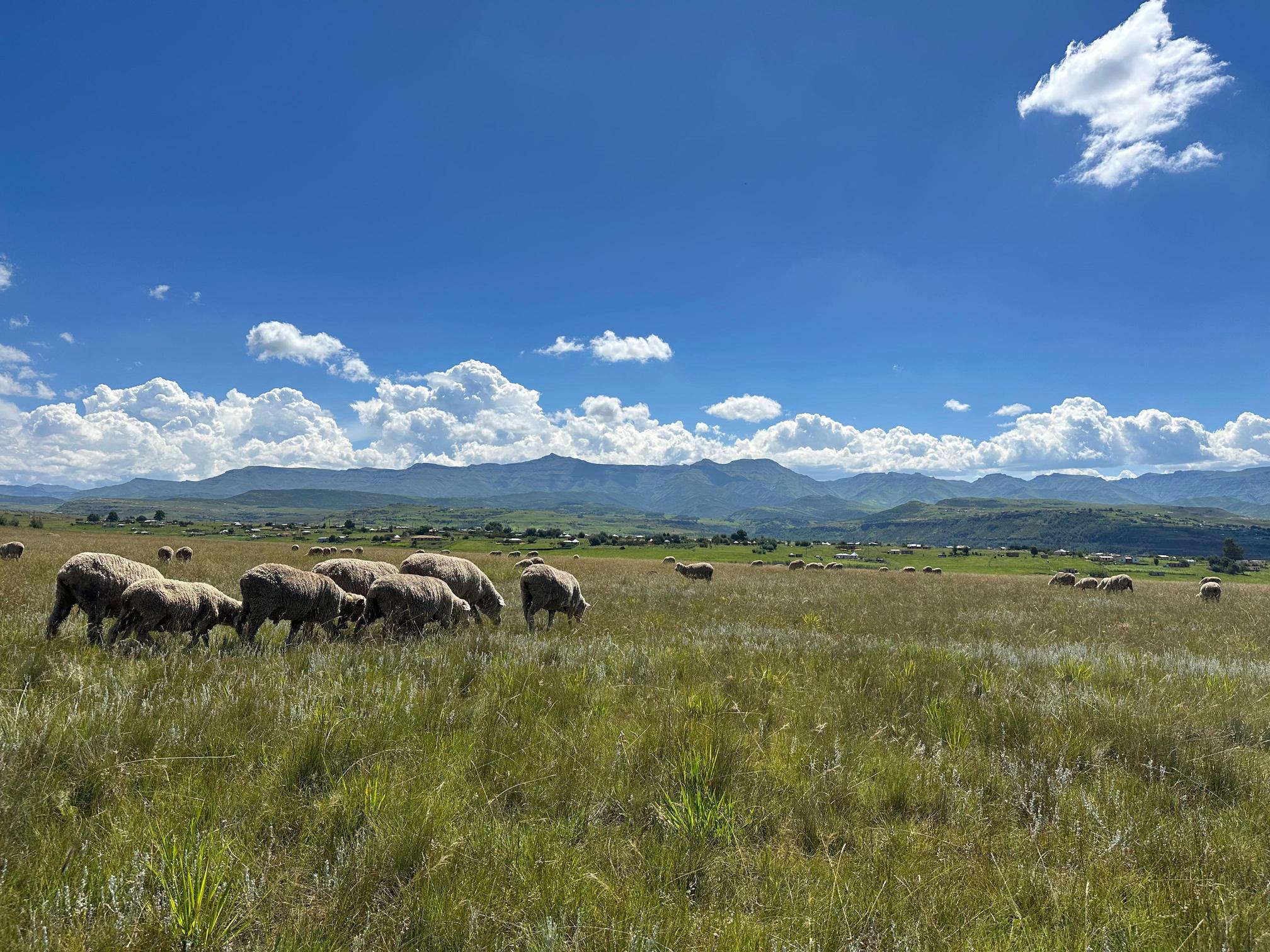
Over millions of years, Africa’s grasslands evolved with the animals that graze them.
As wildebeest, zebra, antelope and other herbivores move across the landscape, they feed together in tightly bunched herds, following seasonal rains in pursuit of fresh forage. This ancient relationship is critical for healthy grasslands.
South Africa’s herders long raised their livestock in ways that mimicked these rhythms of nature — until apartheid arrived.
“When the fences came up and the movement of livestock stopped, the traditional pastoralist way of life started to fall away,” said Julia Levin, Conservation International’s lead for Southern Africa.
If the country’s fragile savannas are to survive, Conservation International experts say, communities must look to the past.
‘Ask anyone in the village and they will tell you: climate change is here now’
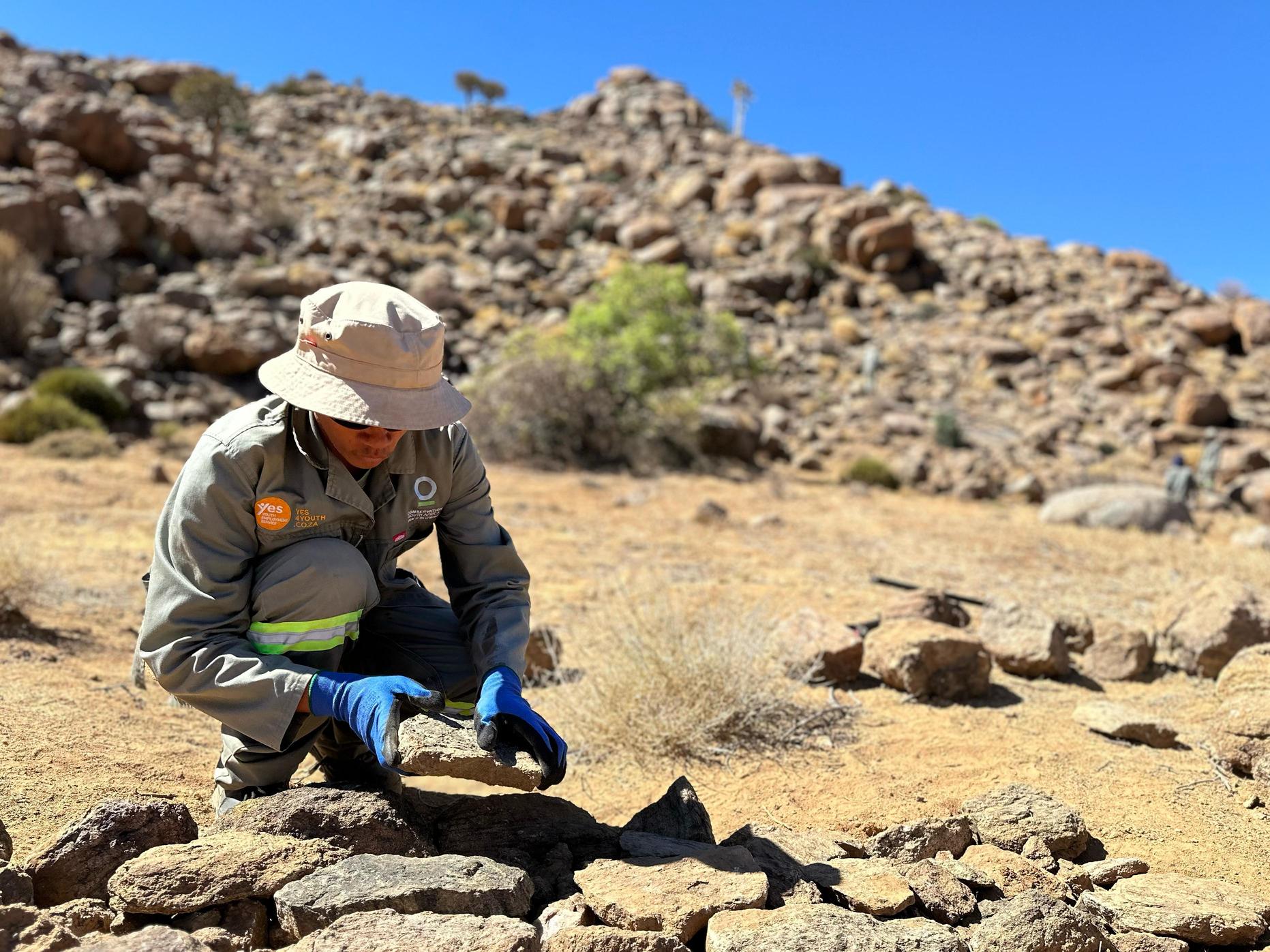
For the people of South Africa’s desert shrublands, resilience is part of daily life.
But the shepherds of Namaqualand began to worry when the drought stretched from one year into two, and then a third. Eventually, seven years passed with almost no rainfall.
“There was not water enough. There was not food enough. The winters were long and very cold and dry, and the summers brutally hot,” said Rosy Fortuin, a local shepherd. “Ask anyone in the village today and they will tell you: climate change is here now.”
Today, Conservation International is working alongside communities to understand how prolonged drought, extreme heat and torrential storms are reshaping life here. Can they adapt to a climate that no longer follows familiar patterns?
In Kenya, global crisis sparked ‘a new way to do conservation’
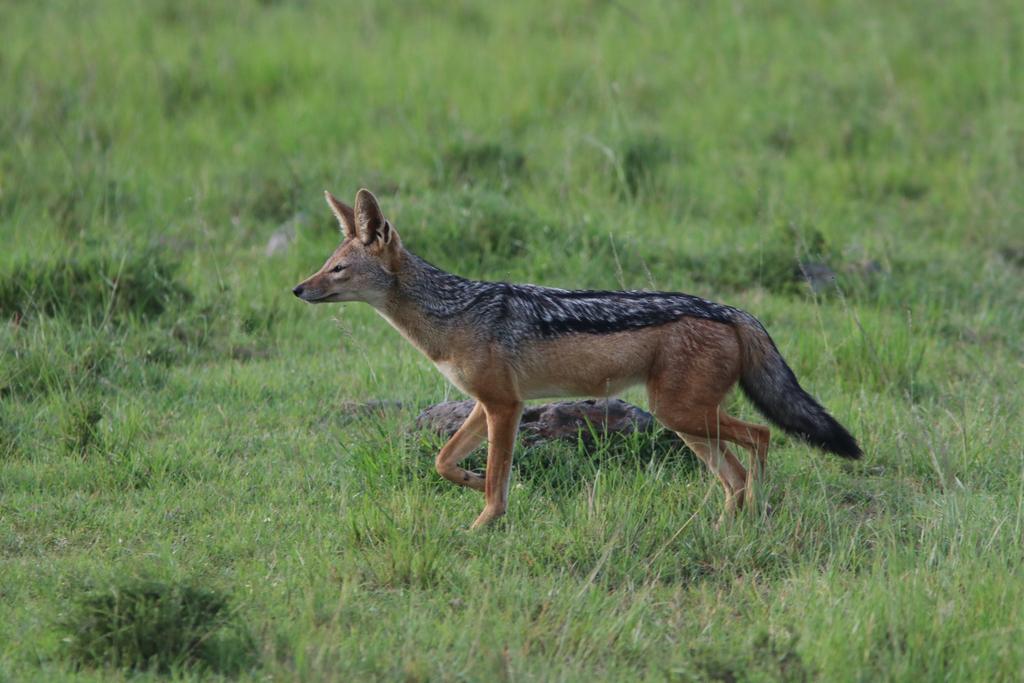
The Maasai Mara is of one of Earth’s most important elephant habitats — a vast, connected ecosystem that stretches south into Tanzania’s Serengeti.
Unlike most protected areas, which are managed by local or national governments, these lands are protected through wildlife conservancies — a model in which neighboring landowners pool their land to create large, connected habitats for wildlife, supported largely through tourism.
“It’s significant income for households with few other economic opportunities — around US$350 a month on average,” said Elijah Toirai of Conservation International. “In Kenya, that’s roughly equivalent to a university graduate’s starting salary.”
Now, Conservation International is working to expand that model, investing millions of dollars in new and emerging conservancies across Southern and East Africa. What happens next will shape how this landscape is protected in the years ahead.

