

What an amazing year for river restoration in California–from the Oregon border to the U.S.-Mexico border to the south. We saw salmon return to the upper watershed of the Klamath River for the first time in over a century. We broke ground and completed a massive floodplain restoration project at Great Valley Grasslands State Park in California’s Central Valley. We moved the needle on cleaning up the Tijuana River and protecting the communities of San Diego County. But California is a big state–the fourth largest economy in the world and larger in area than Germany and Japan. Sometimes it helps to zoom in. In the Sierra Nevada, our headwaters team has been restoring meadows across the range and planning for the future–healthy biomes in one of the world’s most stunning and biodiverse mountain ranges.
Ackerson Meadow
The landmark restoration at Ackerson Meadow finished in the summer of 2025, kick-starting the recovery of a meadow that had been dewatered and degraded the meadow for the last century. Now we see the return of native meadow plants like the slender-stemmed monkeyflower and wildlife like the Great Gray Owl and Northwestern pond turtle. This was the largest wetland restoration in the history of Yosemite National Park, and a powerful collaboration between American Rivers, National Park Service, US Forest Service, Yosemite Conservancy, public lands grazers, and many funders. Stay tuned for a new video about the project and its ongoing development!
Confluence Meadow
The restoration at Confluence Meadow nears completion!. By reconnecting Pine Creek and Little Harvey Creek to their meadows, we can reduce erosion and allow water to spread and soak back into the landscape to ensure more water flows into Pine Creek rather than draining out through incised channels. A healthy Pine Creek provides important spawning habitat for Eagle Lake Rainbow Trout, a species found only in the Eagle Lake watershed. Our monitoring shows groundwater staying closer to the surface for longer, helping wet meadow habitat recover and stay green later into the season. And the impacts go further! Native vegetation has re-established across treated areas, stabilizing soils and improving habitat for wildlife, while ongoing work on the site continues to strengthen the meadow’s long-term resilience.
Let’s stay in touch!
We’re hard at work in the California for rivers and clean water. Sign up to get the most important news affecting your water and rivers delivered right to your inbox.
Grouse Meadow
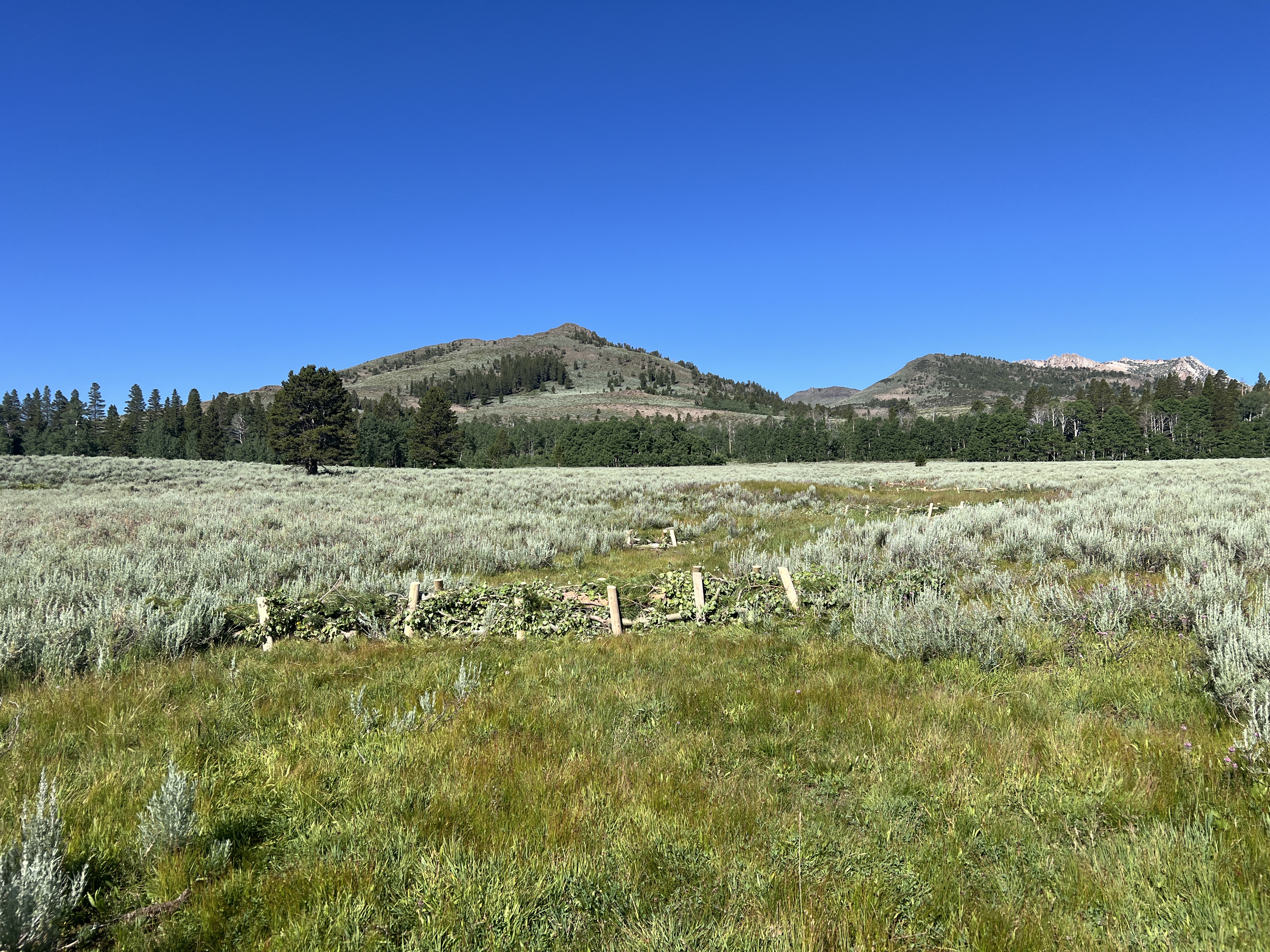
We completed restoration at Grouse Meadow in the West Walker River watershed this past July 2025, replacing a culvert with a low-water crossing to prevent degradation, building beaver dam analogs in an adjacent tributary, and filling and stabilizing several headcuts throughout the meadow. Now we will monitor the site and see how vegetation responds to restoration!
Pickel Meadow
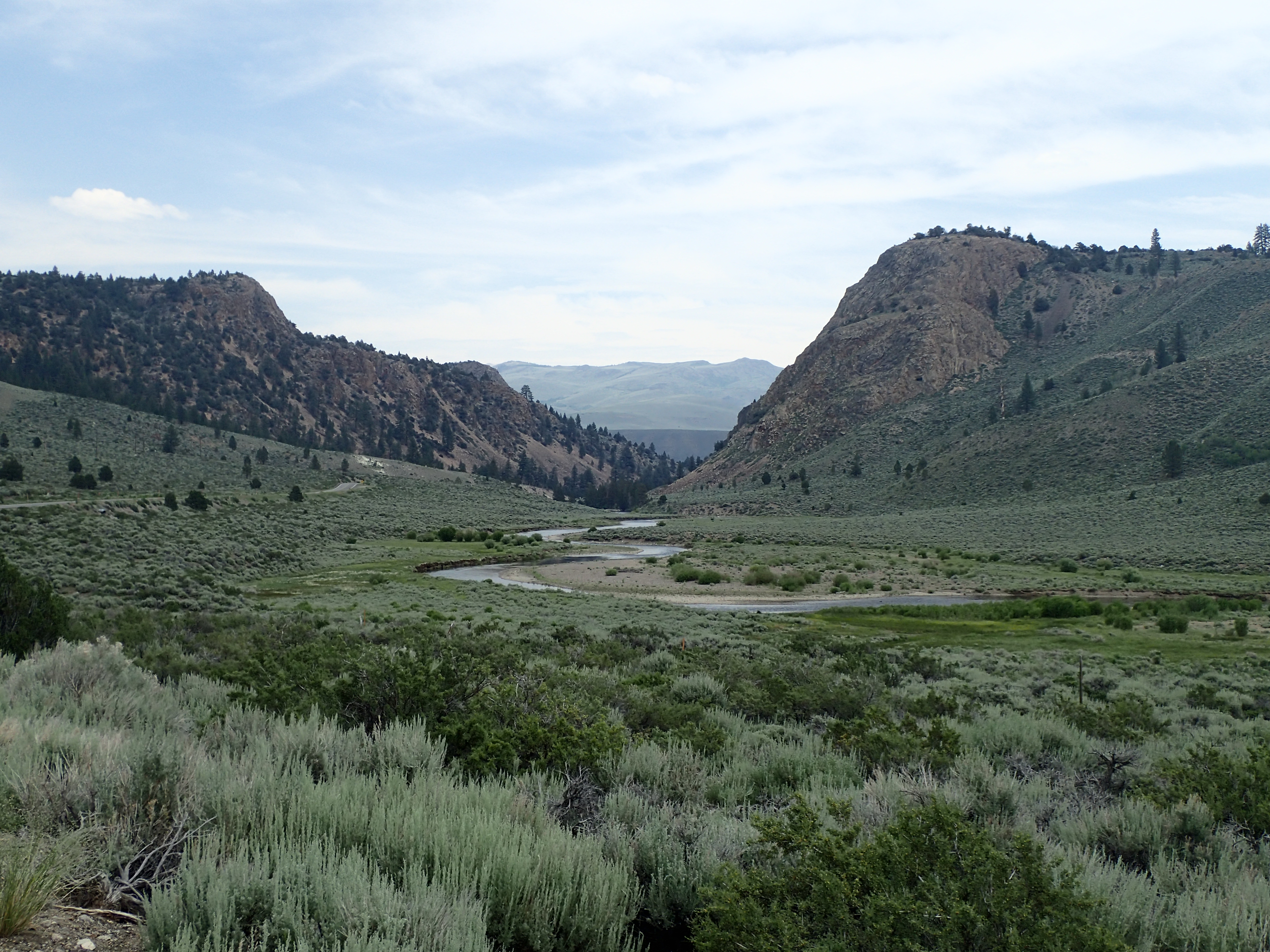
At Pickel Meadow, also in the West Walker River watershed, we recently received nearly $5M from the CA Wildlife Conservation Board to restore this 450-acre meadow. This effort, in partnership with the California Department of Fish and Wildlife and the US Forest Service (Humboldt-Toiyabe National Forest) will impact the ecology of this critical habitat and expand recreational opportunities, reconnecting a 3.2-mile section of the West Walker River to its historic alluvial fan, restore over 250 acres of wet meadow habitat, and enhance habitat through revegetation and the installation of in-stream features. It will also improve a water diversion to prevent fish entrapment, improve water supply for local grazing, protect a spring with wildlife-friendly fencing, and create a parking lot and trail improvements. And we are set to begin construction in summer 2026!
Lower Sardine Meadow
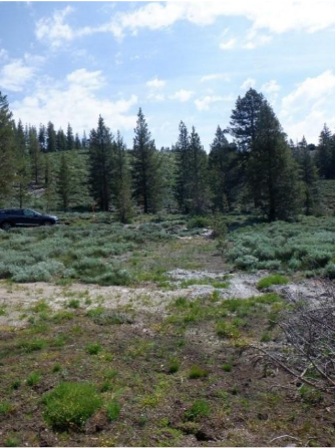
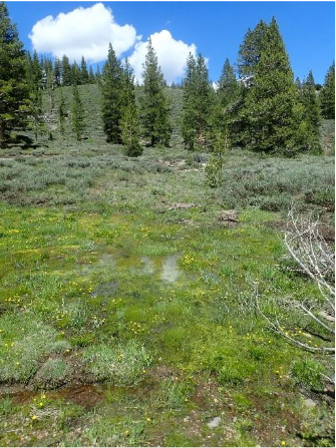
Sometimes restoration work needs follow-up. Working with the US Forest Service Humboldt-Toiyabe National Forest, American Rivers restored Lower Sardine back in 2019, but our site monitoring suggested that small tweaks were needed. We have adaptive management planned for fall 2026 to ensure the success of the restoration. We’ll be placing wood and rock in places where channel incision is starting to form, revegetating a former parking lot, enhancing a public trail, and removing small lodgepole pines that are encroaching on the meadow. We can protect this precious meadow for future generations.
Forni Meadow Complex
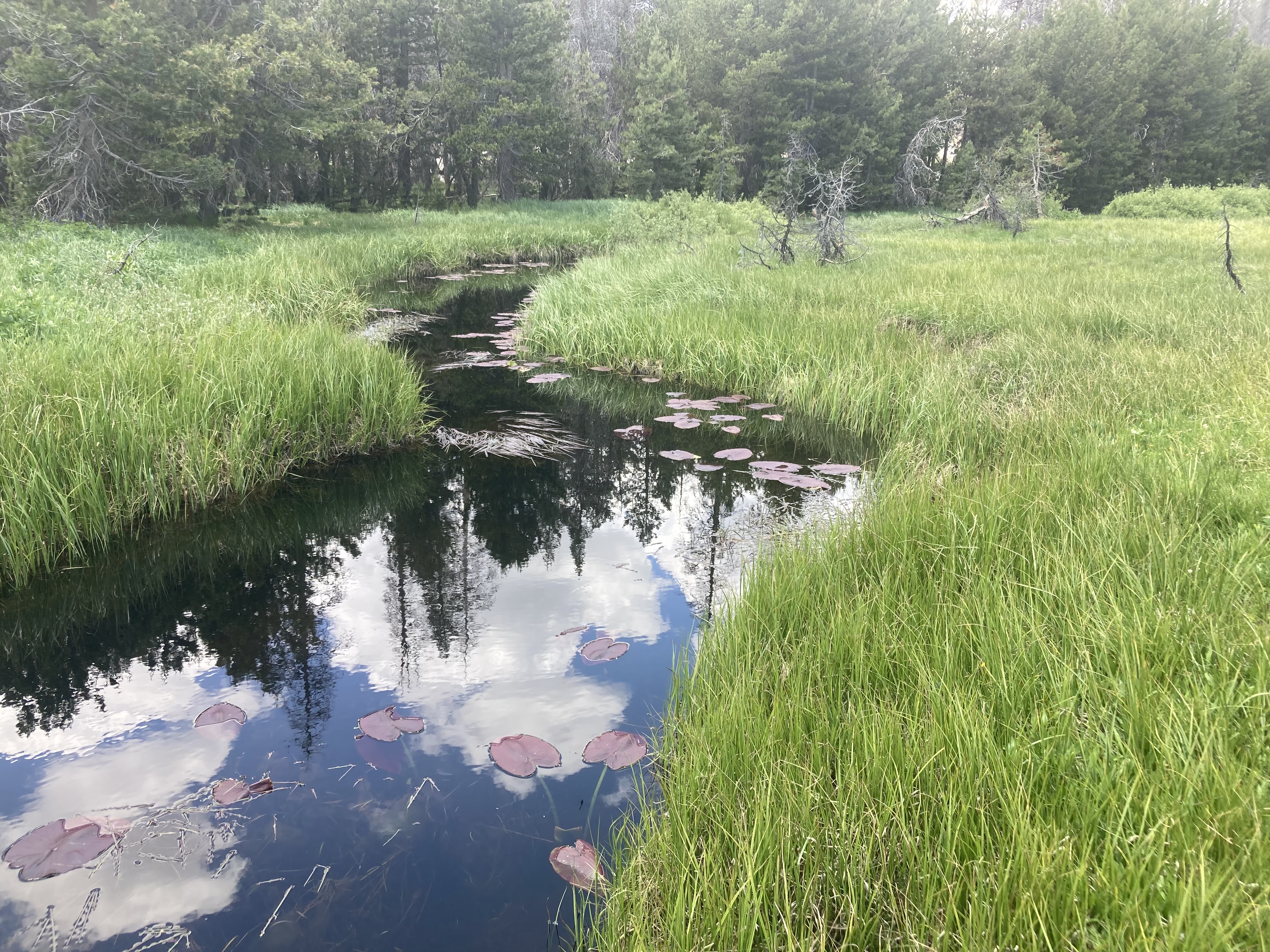
In 2025, the California headwaters team, alongside the US Forest Service Eldorado National Forest, was in the thick of planning for restoration at the Forni Meadow Complex. The Complex is made up of a group of three meadows at the headwaters of the South Fork American River in the Eldorado National Forest. We are monitoring the impacts of restoration by photographing the site over time and measuring groundwater levels to ensure our collaborative work stands the test of time. This project builds on our longstanding partnership with the Eldorado National Forest, where we have partnered to complete two other projects as part of ENF’s first meadow restoration efforts, as well as conducting the Caldor Fire meadow assessment and prioritization effort, which identified the Forni Meadow Complex as a high priority for restoration. This year, we will be busy getting ready to start the construction phase of the project, with on-the-ground restoration anticipated to begin later this summer.

