

Local Leadership, Global Momentum
To create a world without hunger, we must do more than respond to need—we must transform the systems of inequity that allow hunger to persist. In 2025, The Hunger Project accelerated this work, driving community-led, system-wide change. Powered by courageous local leadership and strengthened by strategic partnerships, this was a year defined by momentum—where local action sparked global progress.
A New Era of Global Leadership
In February 2025,, we entered a new era of leadership with the appointment of Rowlands Kaotcha as our President and CEO. Rowlands brings over 20 years of experience with The Hunger Project, serving in roles from Head of Programs in Malawi to Chief Program Officer, and his vision and leadership is rooted in his own experience of hunger growing up in rural Malawi. Guided by our 2022–2027 Strategic Framework, Rowlands supported leadership teams across The Hunger Project—at the global, national, and community levels—to work in deeper alignment to decentralize power and amplify grassroots voices.
The Road to Self-Reliance
In 2025, we reached a major milestone: 90 epicenters have declared self-reliance. These communities have demonstrated the capacity, leadership and resources to sustain their own development without further support from The Hunger Project.
Spotlight: Pemba Epicenter, Malawi: In its 2025 endline evaluation, the community of 7,817 people across 28 villages showed extraordinary gains in resilience and agency:
- 99% of smallholders now apply improved farm management practices to secure better yields.
- 98% of the population uses a basic drinking-water source, a foundation for health.
- 93% of women report the ability to lead change.
- 73% of youth are engaged in formal or non-formal education and training.
- 72% of members agree they can now adapt to and absorb climate shocks.
An Emphasis on the Environment
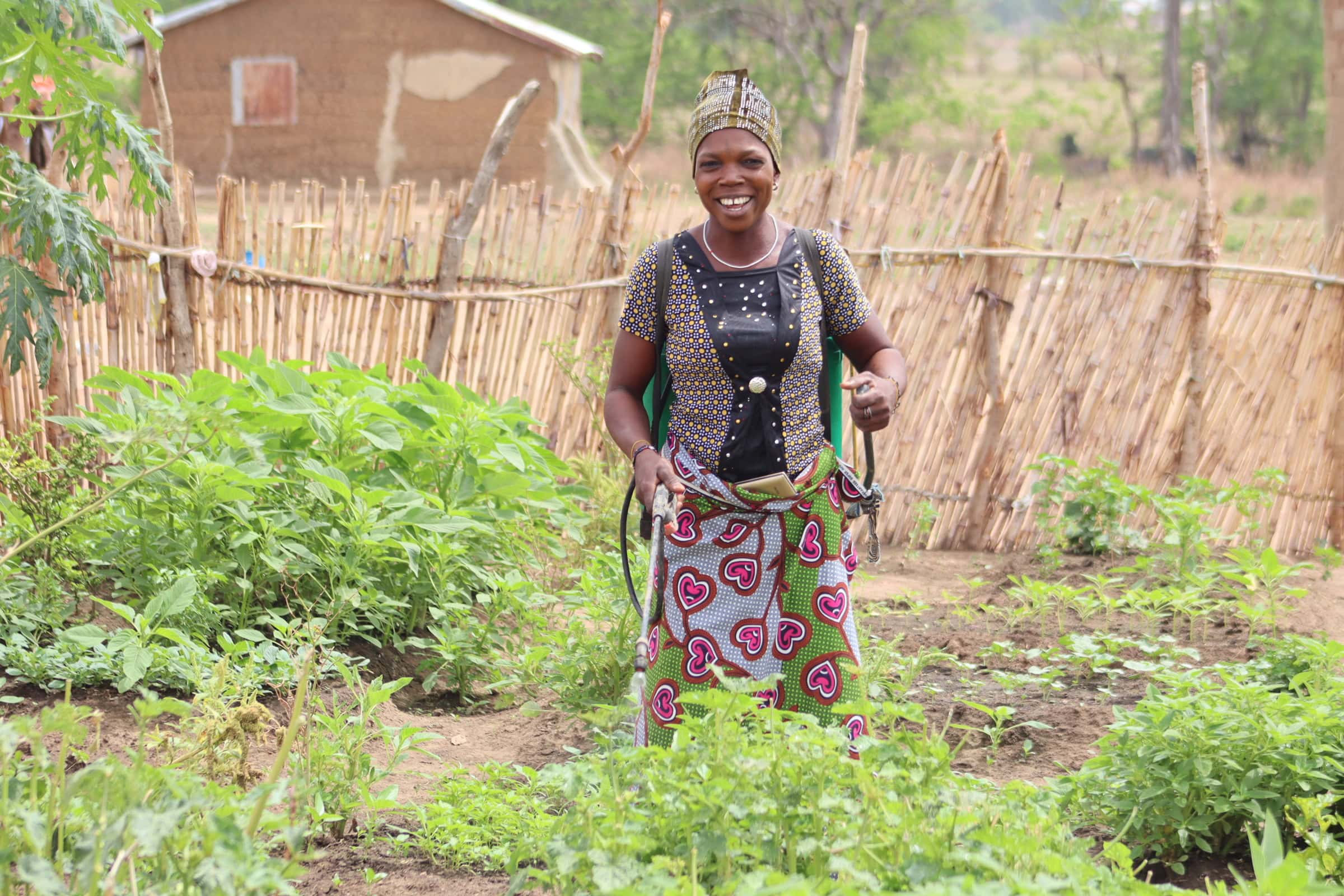
Our alliances and partnerships are bridging the gap between conservation and human development, ensuring that our impact is both scalable and sustainable.
Enhancing Conservation Efforts in Malawi: Through an ambitious new partnership, the THRIVE (Together for Human Resilience, Inclusion and Vibrant Ecosystems) program, we are partnering with the Peace Parks Foundation to create 10 self-reliant epicenters around Nyika National Park in Malawi in 15 years. Building on our work near Majete Wildlife Reserve, this program will focus on fostering a spirit of conservation and ownership over the success of the national park within the communities, while establishing sustainable livelihoods to end hunger and poverty.
A New Epicenter in Senegal: : In 2025, we launched a new epicenter in Ndoyene, Senegal. Ndoyene is in the northern part of the country and is particularly affected by the environmental, economic and social challenges prevalent in the Louga region. Together with the community, we will be implementing the Epicenter Strategy, with a special emphasis on strengthening climate resilience, supporting access to markets, ensuring improved and diversified access to income; and continued access to basic services, such as nutrition, water and sanitation.
Accelerating Progress in Mozambique: With support from the Foxwynd Foundation, we are able to accelerate our programs at Malindile and Maculuve Epicenters, launching initiatives to conserve biodiversity, ensuring agricultural expansion does not come at the cost of the environment.
Scaling Maternal Health & Nutrition

Through the Global Alliance for Sustainable Nutrition , supported by the Church of Jesus Christ of Latter-day Saints, we are targeting systemic health and nutrition challenges women and young children face in Bangladesh, Senegal, Uganda, Zambia and Burkina Faso.
Maternal Health as Resilience: Through the GASN program, we are facilitating access to Multiple Micronutrient Supplements (MMS)—a prenatal multivitamin with 15 essential nutrients—to ensure mothers and children under 5 get the nutrition they need during these crucial times of life.
Health and Nutrition Consortium in Bangladesh: Our work in Bangladesh has reached a critical turning point. By mobilizing over 260,000 trained community leaders through our Vision, Commitment and Action workshops, we have broadened access to nutrition education. Data from our recent impact report shows this action has successfully shifted behavior at the household level; we have already reached 50,489 participants in “Young Mothers Clubs” and conducted 23,670 malnutrition assessments—surpassing our targets by over 400%. This specific intervention ensures nutrition is managed as a community-led priority rather than a top-down intervention.
Community-Led Resilience through Integrated WASH and Food Systems: Local community leaders have successfully constructed and repaired 307 clean water stations and hand-washing spots. Simultaneously, through the establishment of 28 community seed banks and training in organic homestead gardening, women are now leading the charge in preserving local seeds and growing diverse, resilient food sources.
Advocacy & Systems Transformation
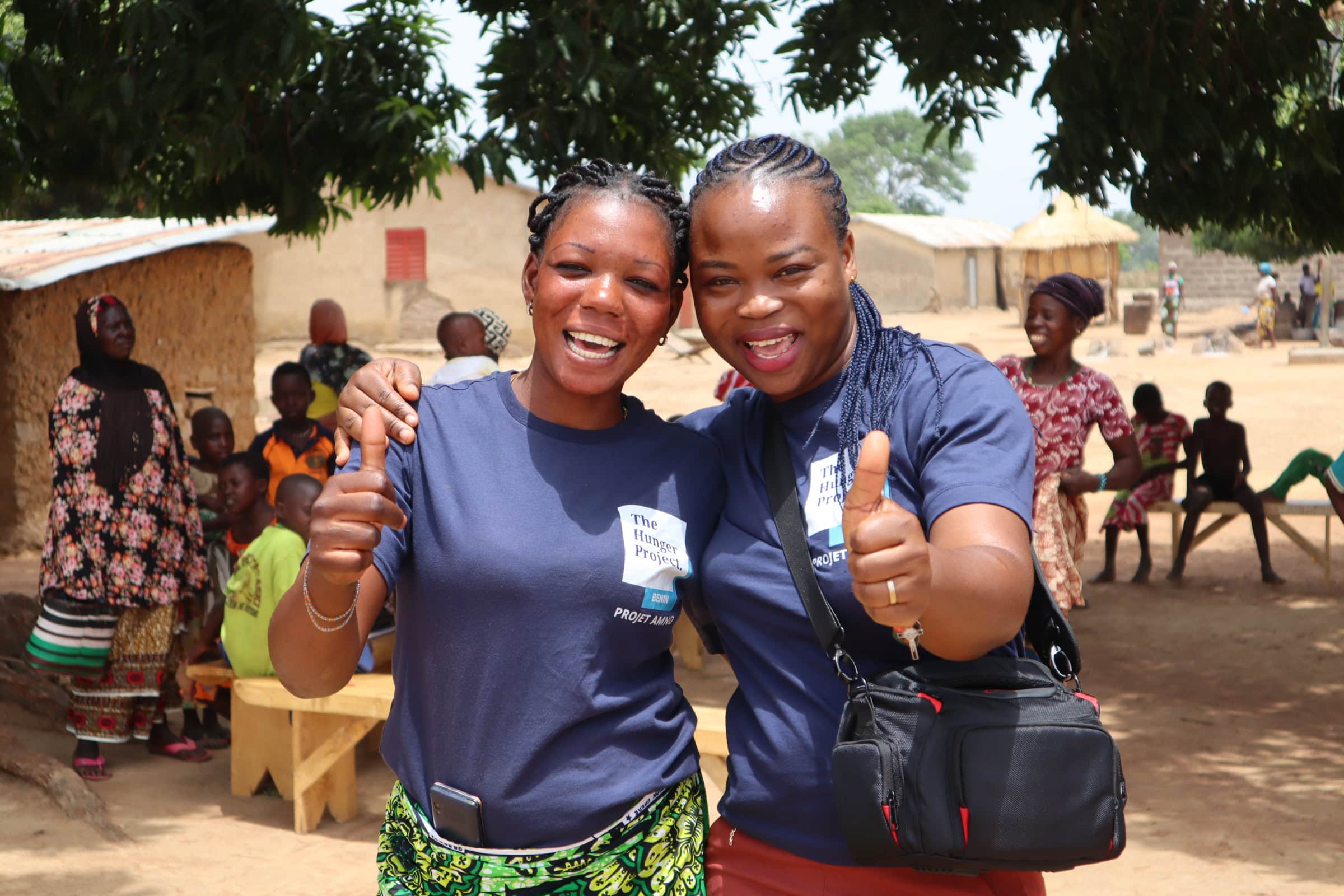
We are leveraging community-led data to shift national policies and institutionalize the right to food.
Five Years of the Right2Grow Program: After five year, the Right2Grow program concluded in 2025. Dedicated to supporting community-led advocacy for childhood nutrition and improving universal access to water, sanitation, and hygiene (WASH) services, the work undertaken under Right2Grow has strengthened civil society organizations in six countries. The consortium’s Learning catalogue serves as a vital roadmap for fostering citizen accountability and the leaders grown through the program will continue to drive critical progress in this space
THP-Mexico Leads Effort for a National Care Policy: THP-Mexico co-hosted the 3rd National Care Summit, convening 300 leaders from government, the UN, and the private sector to develop Mexico’s first National Care Policy. Nine community catalysts from rural regions ensured the voices of those who sustain life daily were at the heart of the conversation.
Uganda’s Parish Development Model: During a 2025 Global Board visit to Northern Uganda, a strategic new region of work for The Hunger Project, our Board saw how communities are reclaiming their lives after years of conflict. Country Director Irene Naikaali Ssentongo authored an op-ed highlighting how our Epicenter Strategy provides a scalable pathway to accelerate the government’s Parish Development Model (PDM) for economic transformation.
Youth & Community Leadership
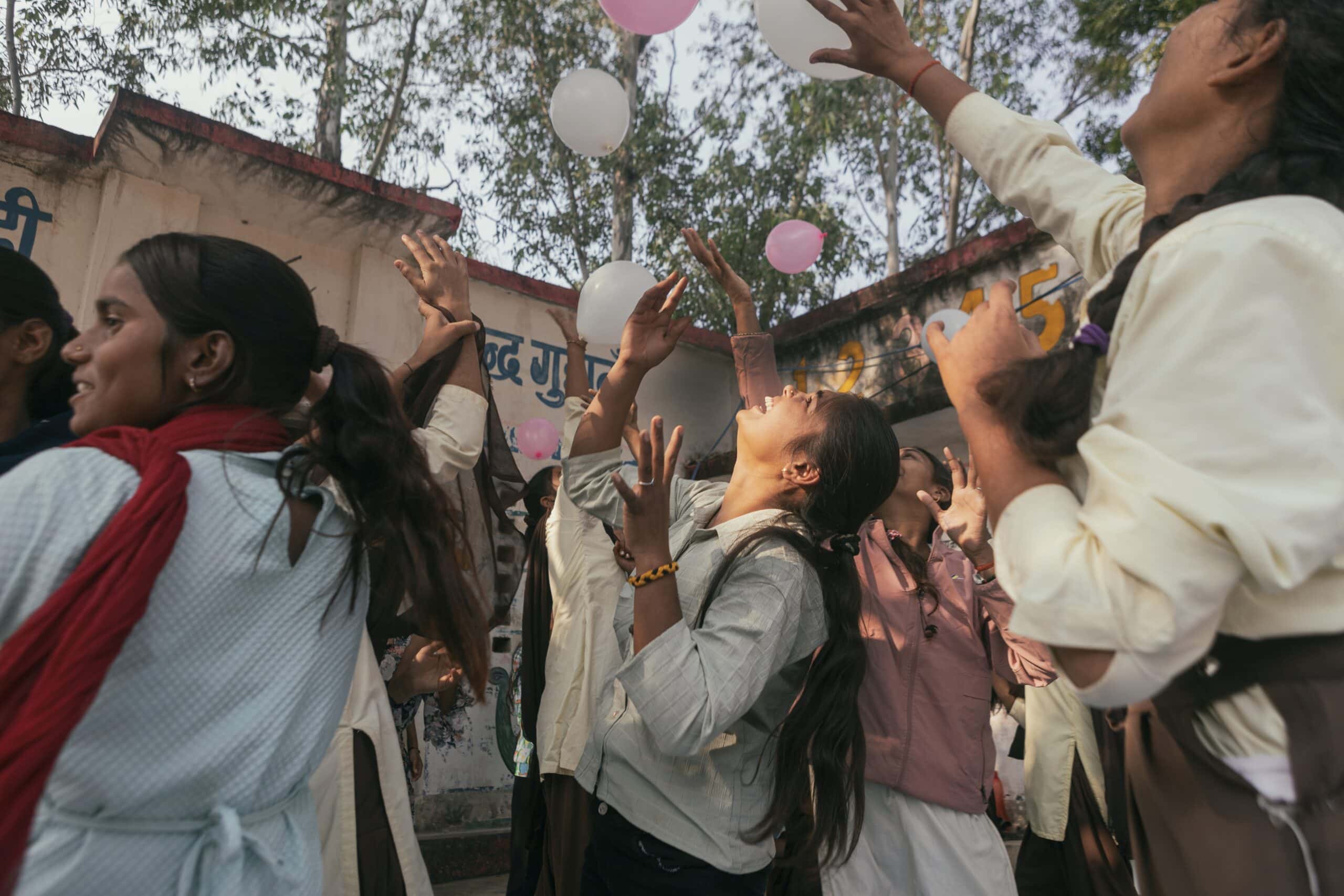
Africa Food Systems Forum 2025: In Dakar, our delegation, including youth representatives Khadidiatou Gueye and Lillian Sapiri, elevated the importance of community leadership in spaces of agricultural innovation. They argued that for “ag-tech” to be effective, it must be rooted in the expertise of local smallholders. We advocated for youth-led systems transformation, ensuring that new agricultural technologies serve as a bridge to employment for the next generation.
Elevating Community Voices: At our annual Fall Event in New York, we brought the grassroots to the global stage. Nereida Hernandez, a community leader from Oaxaca, Mexico, shared her powerful journey from participant to catalyst. She described how she mobilized hundreds of Indigenous women to stand against domestic violence and claim their right to economic agency, proving that the most effective “experts” in ending hunger are the community members themselves.
Youth Leadership in Bangladesh: Our partnership with the National Endowment for Democracy (NED) is continuing to train young leaders in pluralism and accountability as the country prepares for general elections in February 2026.
Catch Up on Stories of Transformation
- India: Jaspa, a 19-year-old jewelry maker in Odisha, learned to manage digital payments, expanding her family business and affirming, “I feel I am valuable.“
- Bangladesh: The women of Purba now manage a collective bank account and lead village planning. Their economic power has had a ripple effect: their village is now free of child marriage and gender-based violence.
- Uganda: Naigaga and the “His Grace Mothers’ Club” in Iganga District saved over 8 million Ugandan shillings (roughly 2,200 USD) in one year. They used these funds to pay school fees, install sanitation facilities and launch small businesses.
- Malawi: For mothers like Bitina, a small loan is life-changing. She accessed a $10 loan to start a fritter business, which allowed her to save enough to invest in bricks for a new home.
- Senegal: Awa, a 66-year-old mother, transformed her personal tragedy of losing her children into a story of resilience and hope. After joining an adult literacy program, she became a literacy trainer and teaching assistant, demonstrating the lasting power of education to creating a world without hunger.
- Ghana: Facing climate challenges on her farm, Adwoa successfully pivoted her livelihood by turning a soap-making skill into a thriving business, which now supplies her community and helps train other women.
We are looking forward to launching powerfully into 2026 and deepening our impact in every country where we work.
Photos: Mexico, Ghana, Benin and India, 2025 © The Hunger Project
The post Highlights That Shaped Our 2025 appeared first on The Hunger Project.

