

When people think about threats to coral reefs, they usually imagine coral bleaching or rising ocean temperatures. While climate change remains the greatest long-term challenge, another threat is harming reefs every day, and it often goes unnoticed.
Untreated wastewater.
Around the world, wastewater carries excess nutrients, bacteria, and other pollutants into coastal waters. These pollutants fuel algae growth, spread disease, reduce water quality, and make corals less able to survive the stress of a warming ocean. The encouraging news is that wastewater pollution is one of the threats we already know how to solve.
See Also: The Hidden Cost of Untreated Wastewater
A Window of Opportunity
Belize is home to the Belize Barrier Reef—part of the largest reef system in the Western Hemisphere and a UNESCO World Heritage Site. The reef supports fisheries, tourism, coastal protection, and thousands of livelihoods.
Yet many communities still struggle with inadequate wastewater systems. A 2022 water quality study found elevated nutrient pollution and pathogens across Belize’s reef environment, much of it linked to untreated sewage.
This is a serious threat, and addressing it requires more than choosing a treatment technology. Communities must determine where pollution is coming from, what kind of infrastructure is appropriate, how improvements will be financed, and who will operate and maintain the system over time.
The Pieces Are Coming Together
Wastewater treatment technology isn’t new. What has often been missing is the combination of funding, planning, local support, and coordination needed to move projects from good ideas to real improvements.
In Belize, those pieces are beginning to align.
A US$10.5 million loan has been approved to improve wastewater infrastructure in Caye Caulker, one of Belize’s most visited island communities and a gateway to the Belize Barrier Reef. That investment creates an extraordinary opportunity to reduce pollution before it reaches nearby coral reefs.
But infrastructure alone doesn’t guarantee success.
Building Long-Lasting Solutions
A wastewater treatment system is only one part of the solution. Lasting improvements happen when communities have the science to understand the problem, governments and utilities have a practical plan, financing is in place, systems can be operated and maintained, and residents and businesses can connect to the solution. Without those pieces working together, even well-funded infrastructure may fail to deliver lasting benefits for reefs or communities.
That’s where we focus our work. Rather than simply advocating for new infrastructure, the Coral Reef Alliance (CORAL) helps communities create the conditions that make wastewater investments successful.
Working alongside Belizean partners since 2017, CORAL has supported water quality research, strengthened cross-sector relationships, and helped gather the information needed to design wastewater solutions that communities can manage for years to come. That includes identifying pollution sources through water quality science, bringing governments, utilities, businesses, and community leaders together around shared priorities, helping secure financing, and supporting the planning and governance needed to sustain improvements over the long term.
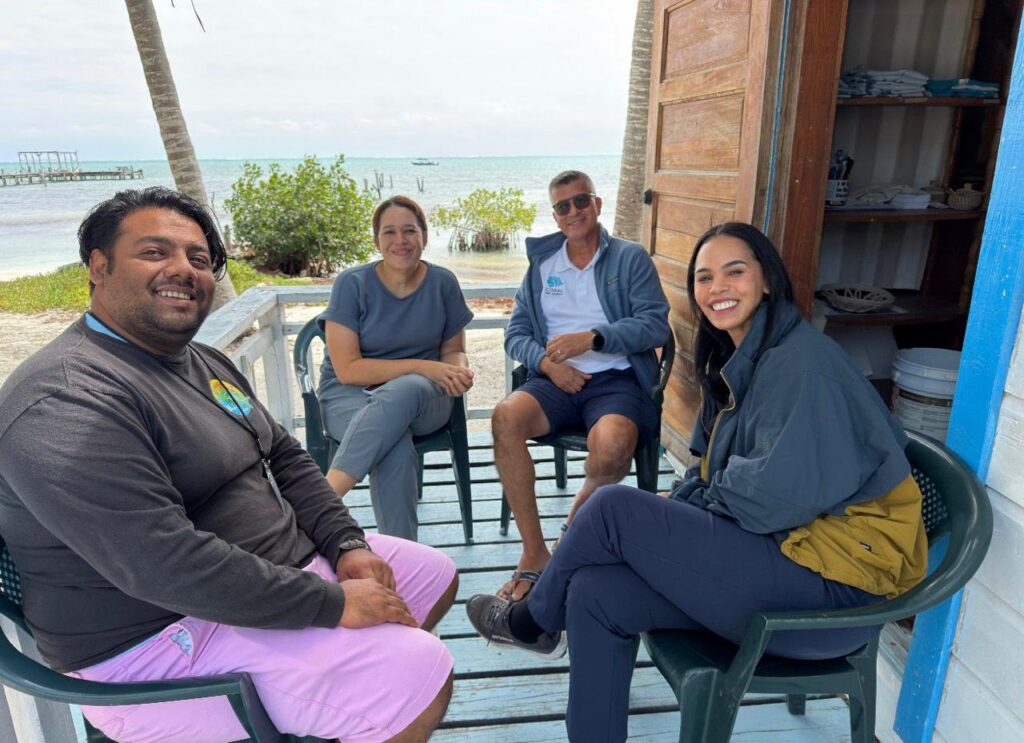
Current assessments in Caye Caulker are helping determine the right combination of solutions. That may include upgrading existing infrastructure, expanding treatment capacity, improving household systems, or combining multiple approaches. The right solution will depend on local conditions and the community’s capacity to operate and maintain it over time.
The goal isn’t simply to build infrastructure. It’s to create wastewater solutions and community-led systems that continue protecting reefs long after construction is complete.
Why This Matters Beyond Belize
What’s happening in Belize could help shape reef conservation across the Caribbean.
Every successful wastewater project provides valuable lessons about financing, planning, governance, and long-term management. Those lessons can help other reef communities move more quickly toward solutions that improve both ocean health and community well-being.
For coral reefs, clean water is one of the most immediate opportunities we have to build resilience in a changing climate.
Climate change remains the biggest challenge facing coral reefs. Reducing wastewater pollution is one of the clearest opportunities to help reefs thrive. By acting now, Belize has the chance to protect one of the world’s most remarkable reef ecosystems while creating a model that others can follow.


