

How Climate Change
Gets Under the Skin
A warming world is putting pressure on every system in your body.
Heat waves, wildfire smoke, infectious diseases, and other health threats amplified by climate change are jeopardizing decades of public health gains. As temperatures rise, experts warn that everyone is at risk.
This story is part of the Grist series Vital Signs, exploring the ways climate change affects your health. This reporting initiative is made possible thanks to support from the Wellcome Trust.
Doctors agree: Climate change is a hazard to your health. Leading medical journals warn that rising greenhouse gas emissions will result in millions of needless deaths and undermine decades of hard-won progress in public health.
Some of these risks are obvious. The immediate effects of extreme heat and wildfire smoke on the lungs and heart are easy to recognize — and particularly dangerous for those who are already immunocompromised or in poor health. Heat-related mortality has been rising since the 1990s, and wildfire smoke is now linked to tens of thousands of illnesses and deaths every year.
But researchers are beginning to unearth clues about how repeat, overlapping climate stressors, from flood-related mold to warming water temperatures to higher pollen counts, affect everyone — even society’s healthiest members. No one is immune.
Here’s what we know, so far, about the lasting effects of climate change on the body’s vital systems.
Cardiovascular System
Extreme heat widens blood vessels, flushes fluid out of the bloodstream, and forces the heart to pump two to four times as much blood per minute to cool the body. The result is dehydration, heat’s unfailing sidekick, which thickens the blood and makes it harder to pump.
In the short term, extreme temperatures can lead to heatstroke — when the body’s internal cooling systems can’t keep up and core body temperature rises above 103 degrees F — and heart failure.
Continued exposure to heat waves over the span of many seasons puts repeated strain on the heart, contributing to long-term cardiovascular disease and related deaths. Extreme heat is linked to between 600 and 700 extra deaths from cardiovascular disease in the U.S. every year. These effects are most pronounced in people who work outside and are socioeconomically disadvantaged — generally people who spend more time on average exposed to the elements — though anyone who endures recurring heat waves experiences some level of risk.
Heat is commonly associated with the daytime sun, but studies show that hot nights are even more damaging to human health, robbing our bodies of a crucial window of opportunity to recover from the heat we experienced during the day.
Observational studies have found that nighttime temperatures are increasing at a faster rate than daytime temperatures in much of the world. In China, researchers estimated that hot nights accounted for roughly three times as many heat-related outpatient visits for cardiovascular disease.
A modeling study of countries in East Asia found that if greenhouse gas emissions continue along their current trajectory, hot nights alone could account for nearly 6 percent of all deaths in Japan, South Korea, and China by the end of this century.
Dive deeper
Respiratory System
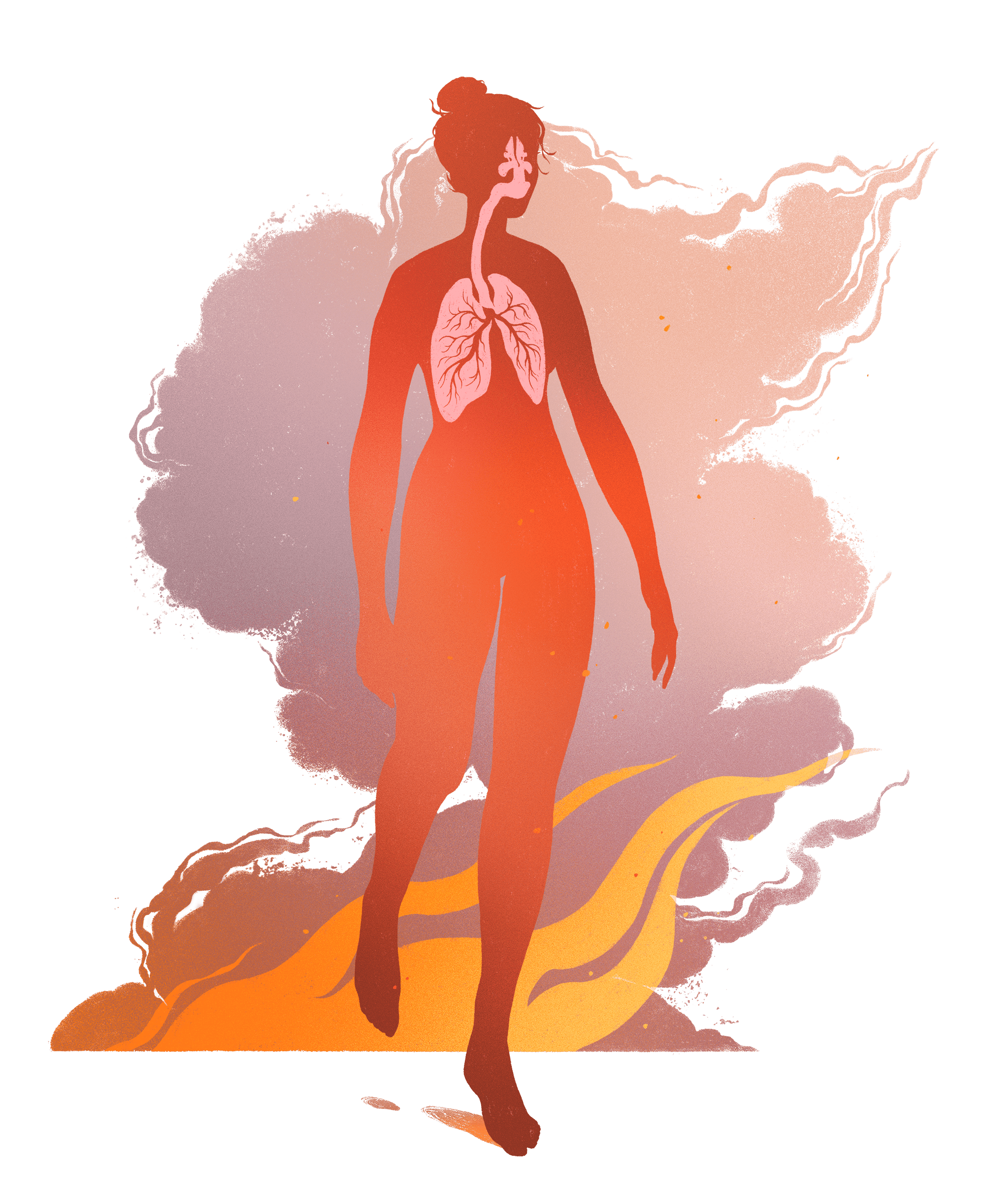
Nearly half of the world’s population now lives in the wildland-urban interface, where fire-prone wild spaces meet or intermingle with towns and cities. In the U.S., the number of people living in these areas roughly doubled between 1990 and 2010.
At the same time, the atmosphere has become “thirstier” in response to rising temperatures, sucking up moisture and contributing to deep droughts across parts of the planet. As these dry landscapes inevitably ignite, more and more people are breathing in air polluted by wildfire smoke — creating massive sample sizes for researchers to study.
Studies show that the ultrafine particulate matter produced by the trees and shrubs incinerated by wildfires penetrates deep into the lungs and infiltrates the bloodstream, triggering inflammation and reduced lung function and worsening asthma and other chronic respiratory conditions.
When wildfires burn through cities, they send a more unpredictable and potentially even more toxic mix of volatile organic compounds, microplastics, and other pollutants into the air. Recent research shows wildfire smoke can even make rashes like eczema and psoriasis worse by triggering inflammation and drying out the skin.
Smoke isn’t the only respiratory irritant becoming more problematic as climate change accelerates. Extreme heat interacts with sunlight, nitrogen, and volatile organic compounds and speeds the formation of ground-level ozone, a pollutant that inflames the lungs. As higher average annual temperatures bring earlier springs, allergy season is getting longer and more intense in many parts of the world.
More humidity and intensifying extreme weather events also create new footholds for black mold to take root, bringing climate-driven health crises indoors.
Dive deeper
Neurological System
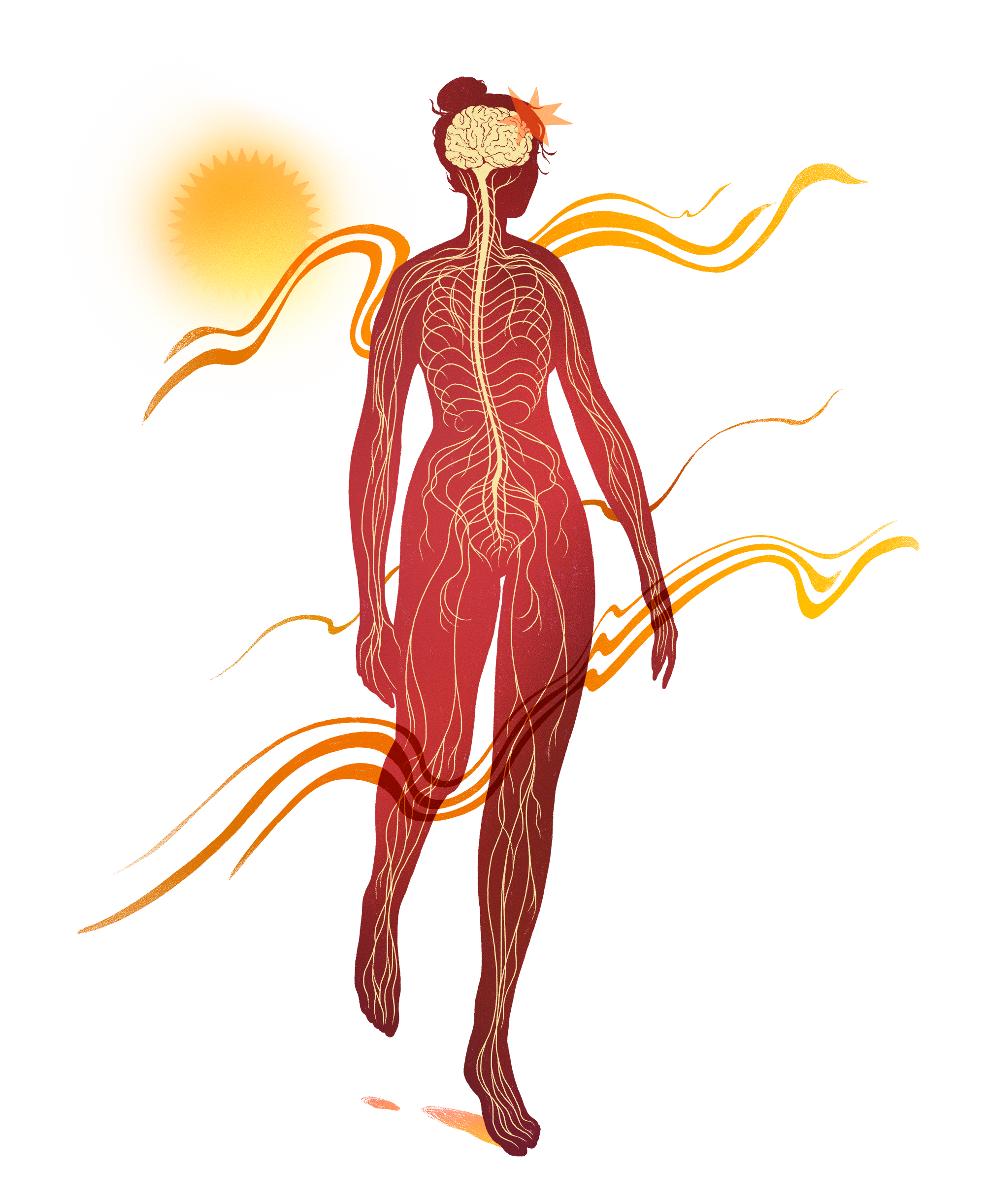
Researchers are discovering that the health consequences of wildfire smoke reach beyond the respiratory system and into the brain, where exposure to particulate matter appears to contribute to neuroinflammation and processes linked to cognitive decline, dementia, and stroke.
Recent studies indicate that babies exposed to wildfire smoke in utero may have a higher risk of developing autism in childhood, though this area of research is still in the early stages.
Extreme heat also impacts how the brain functions. Studies show that students score lower on exams, indoor and outdoor workers make more mistakes that lead to injury, and the elderly experience more confusion in higher temperatures.
These impacts are especially dangerous because they’re so hard to see, but heat has other effects on the brain that are more visible: An assessment of violent crimes in more than 400 U.S. counties found that for every 18-degree F deviation above normal daily temperatures, the rate of violent crime rose roughly 10 percent.
Research has also linked hotter days to higher rates of psychiatric emergency visits, suicide, and worsening symptoms among people with severe mental illnesses such as schizophrenia.
Dive deeper
Reproductive System
Heat exposure during pregnancy increases the risk of preterm birth by as much as 26 percent, though the exact biological mechanism that causes this is still being investigated. Heat exacerbates underlying maternal health conditions such as hypertension and cardiovascular stress.
Extreme heat also affects male fertility: High ambient temperatures negatively impact sperm quality, volume, and movement.
Pregnancy already opens the door to more severe illnesses — climate change is raising the risks even more. For example, pregnant women are three times more likely to develop severe malaria compared to nonpregnant women, a function of the immune system partially suppressing itself to avoid rejecting the fetus during pregnancy.
Hotter temperatures and more extensive flooding are shifting the ranges of disease-carrying mosquitoes, exposing more pregnant people to malaria. In coastal regions with patchy water infrastructure, rising seas are contaminating low-lying freshwater resources with salt and contributing to hypertension in pregnant women, raising the risks of preeclampsia, premature birth, and miscarriage.
Dive deeper
Gastrointestinal System
The gastrointestinal system is especially sensitive to the ways climate change is reshaping water, food, and pathogenic organisms. Warmer temperatures allow many disease-causing bacteria to multiply more quickly in food and coastal waters, increasing the risk of foodborne illness.
At the same time, heavier rainfall and flooding can overwhelm sanitation systems, spreading pathogens that cause diarrheal disease and contaminating drinking water supplies.
In coastal regions, warming seas are enabling marine bacteria such as Vibrio vulnificus, commonly referred to as “flesh-eating bacteria,” to thrive in places they were once rare, raising the odds that raw shellfish or even contact with brackish water can lead to severe infections.
And when extreme drought or floods destroy crops and lead to food shortages, the consequences can affect the gut in another way: malnutrition, which weakens immune defenses and leaves children especially vulnerable to intestinal infections that can stunt growth and long-term health.
Dive deeper
Renal System
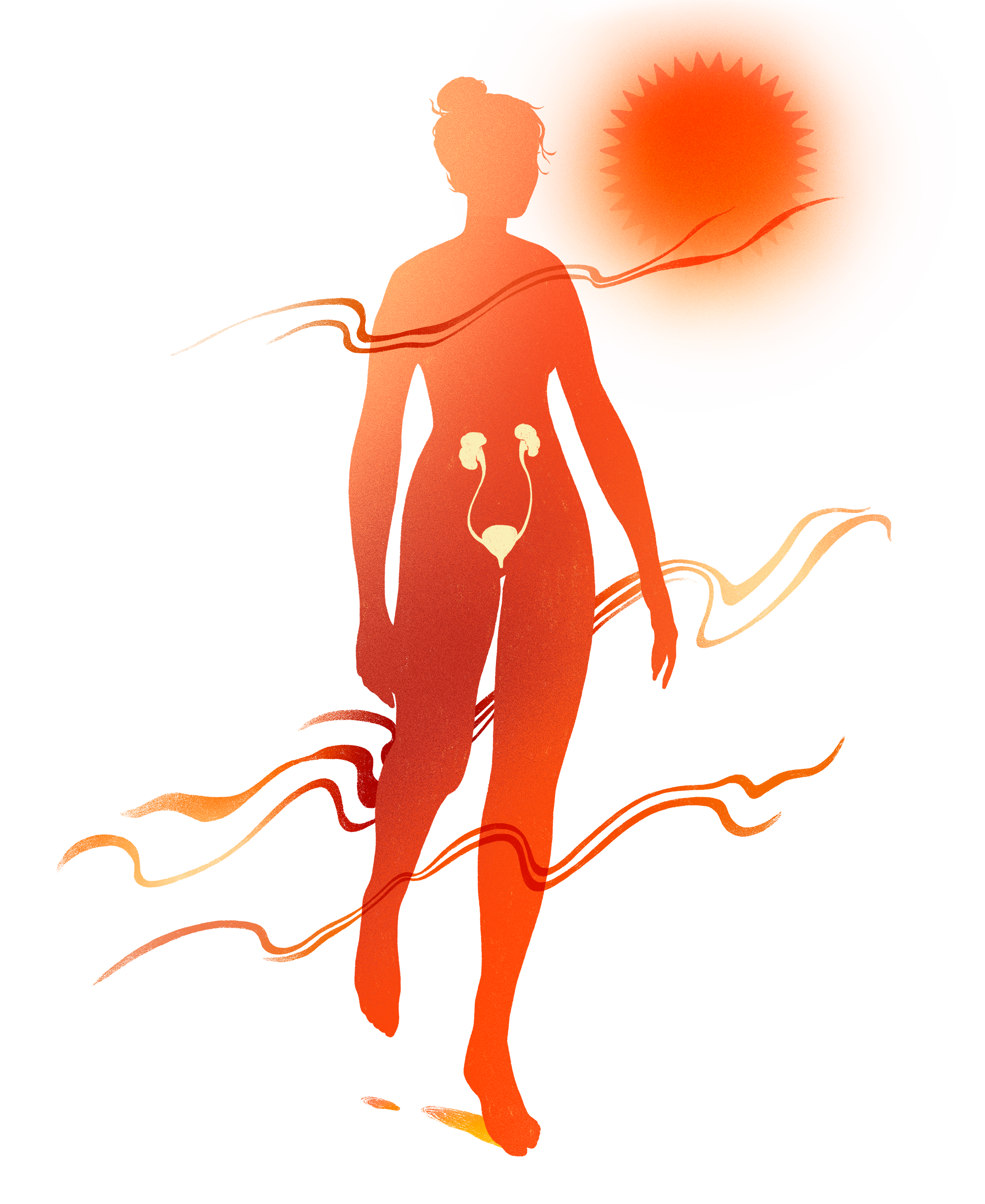
Climate-driven health threats are often associated with short-term impacts like disease outbreaks and injuries due to flooding or dangerous winds. But the effect of extreme heat on the kidneys tells a story of chronic impacts that span years. Extended dehydration and heat stress injure these organs over time, triggering acute kidney damage that can progress into chronic kidney disease.
This pattern is already emerging among agricultural workers in some of the hottest parts of the world, where doctors have documented an unusual form of kidney disease affecting people with no typical risk factors like diabetes or hypertension.
It’s not just agricultural workers who are affected by chronic kidney disease. In Nepal, migrant construction workers returning home from months or years of hard outdoor labor in the United Arab Emirates and other extremely hot Gulf countries are bringing chronic kidney conditions back with them.
Dive deeper









Cardiovascular System
Extreme heat widens blood vessels, flushes fluid out of the bloodstream, and forces the heart to pump two to four times as much blood per minute to cool the body. The result is dehydration, heat’s unfailing sidekick, which thickens the blood and makes it harder to pump.
In the short term, extreme temperatures can lead to heatstroke — when the body’s internal cooling systems can’t keep up and core body temperature rises above 103 degrees F — and heart failure.
Continued exposure to heat waves over the span of many seasons puts repeated strain on the heart, contributing to long-term cardiovascular disease and related deaths. Extreme heat is linked to between 600 and 700 extra deaths from cardiovascular disease in the U.S. every year. These effects are most pronounced in people who work outside and are socioeconomically disadvantaged — generally people who spend more time on average exposed to the elements — though anyone who endures recurring heat waves experiences some level of risk.
Heat is commonly associated with the daytime sun, but studies show that hot nights are even more damaging to human health, robbing our bodies of a crucial window of opportunity to recover from the heat we experienced during the day.
Observational studies have found that nighttime temperatures are increasing at a faster rate than daytime temperatures in much of the world. In China, researchers estimated that hot nights accounted for roughly three times as many heat-related outpatient visits for cardiovascular disease.
A modeling study of countries in East Asia found that if greenhouse gas emissions continue along their current trajectory, hot nights alone could account for nearly 6 percent of all deaths in Japan, South Korea, and China by the end of this century.
Dive deeper
Respiratory System
Nearly half of the world’s population now lives in the wildland-urban interface, where fire-prone wild spaces meet or intermingle with towns and cities. In the U.S., the number of people living in these areas roughly doubled between 1990 and 2010.
At the same time, the atmosphere has become “thirstier” in response to rising temperatures, sucking up moisture and contributing to deep droughts across parts of the planet. As these dry landscapes inevitably ignite, more and more people are breathing in air polluted by wildfire smoke — creating massive sample sizes for researchers to study.
Studies show that the ultrafine particulate matter produced by the trees and shrubs incinerated by wildfires penetrates deep into the lungs and infiltrates the bloodstream, triggering inflammation and reduced lung function and worsening asthma and other chronic respiratory conditions.
When wildfires burn through cities, they send a more unpredictable and potentially even more toxic mix of volatile organic compounds, microplastics, and other pollutants into the air. Recent research shows wildfire smoke can even make rashes like eczema and psoriasis worse by triggering inflammation and drying out the skin.
Smoke isn’t the only respiratory irritant becoming more problematic as climate change accelerates. Extreme heat interacts with sunlight, nitrogen, and volatile organic compounds and speeds the formation of ground-level ozone, a pollutant that inflames the lungs. As higher average annual temperatures bring earlier springs, allergy season is getting longer and more intense in many parts of the world.
More humidity and intensifying extreme weather events also create new footholds for black mold to take root, bringing climate-driven health crises indoors.
Dive deeper
Neurological System
Researchers are discovering that the health consequences of wildfire smoke reach beyond the respiratory system and into the brain, where exposure to particulate matter appears to contribute to neuroinflammation and processes linked to cognitive decline, dementia, and stroke.
Recent studies indicate that babies exposed to wildfire smoke in utero may have a higher risk of developing autism in childhood, though this area of research is still in the early stages.
Extreme heat also impacts how the brain functions. Studies show that students score lower on exams, indoor and outdoor workers make more mistakes that lead to injury, and the elderly experience more confusion in higher temperatures.
These impacts are especially dangerous because they’re so hard to see, but heat has other effects on the brain that are more visible: An assessment of violent crimes in more than 400 U.S. counties found that for every 18-degree F deviation above normal daily temperatures, the rate of violent crime rose roughly 10 percent.
Research has also linked hotter days to higher rates of psychiatric emergency visits, suicide, and worsening symptoms among people with severe mental illnesses such as schizophrenia.
Dive deeper
Reproductive System
Heat exposure during pregnancy increases the risk of preterm birth by as much as 26 percent, though the exact biological mechanism that causes this is still being investigated. Heat exacerbates underlying maternal health conditions such as hypertension and cardiovascular stress.
Extreme heat also affects male fertility: High ambient temperatures negatively impact sperm quality, volume, and movement.
Pregnancy already opens the door to more severe illnesses — climate change is raising the risks even more. For example, pregnant women are three times more likely to develop severe malaria compared to nonpregnant women, a function of the immune system partially suppressing itself to avoid rejecting the fetus during pregnancy.
Hotter temperatures and more extensive flooding are shifting the ranges of disease-carrying mosquitoes, exposing more pregnant people to malaria. In coastal regions with patchy water infrastructure, rising seas are contaminating low-lying freshwater resources with salt and contributing to hypertension in pregnant women, raising the risks of preeclampsia, premature birth, and miscarriage.
Dive deeper
Gastrointestinal System
The gastrointestinal system is especially sensitive to the ways climate change is reshaping water, food, and pathogenic organisms. Warmer temperatures allow many disease-causing bacteria to multiply more quickly in food and coastal waters, increasing the risk of foodborne illness.
At the same time, heavier rainfall and flooding can overwhelm sanitation systems, spreading pathogens that cause diarrheal disease and contaminating drinking water supplies.
In coastal regions, warming seas are enabling marine bacteria such as Vibrio vulnificus, commonly referred to as “flesh-eating bacteria,” to thrive in places they were once rare, raising the odds that raw shellfish or even contact with brackish water can lead to severe infections.
And when extreme drought or floods destroy crops and lead to food shortages, the consequences can affect the gut in another way: malnutrition, which weakens immune defenses and leaves children especially vulnerable to intestinal infections that can stunt growth and long-term health.
Dive deeper
Renal System
Climate-driven health threats are often associated with short-term impacts like disease outbreaks and injuries due to flooding or dangerous winds. But the effect of extreme heat on the kidneys tells a story of chronic impacts that span years. Extended dehydration and heat stress injure these organs over time, triggering acute kidney damage that can progress into chronic kidney disease.
This pattern is already emerging among agricultural workers in some of the hottest parts of the world, where doctors have documented an unusual form of kidney disease affecting people with no typical risk factors like diabetes or hypertension.
It’s not just agricultural workers who are affected by chronic kidney disease. In Nepal, migrant construction workers returning home from months or years of hard outdoor labor in the United Arab Emirates and other extremely hot Gulf countries are bringing chronic kidney conditions back with them.
Dive deeper
This story was originally published by Grist with the headline How climate change gets under the skin on Jun 26, 2026.

