

Hazardous waste disposal pricing can vary widely because every waste stream requires a different level of handling. When customers ask us how much hazardous waste disposal costs, we start by reviewing the material, the quantity, and the pickup location.
A drum of used solvent won’t carry the same cost as an unidentified chemical or a reactive material. The disposal method also affects the final price. Before we provide a quote, we need enough information to understand the waste and choose an approved destination.
Knowing what affects the cost can help your facility prepare for service and avoid unexpected charges.
What Determines Hazardous Waste Disposal Cost?
There isn’t one flat price for hazardous waste disposal. The total depends on what you have and how we need to manage it.
Some waste streams have familiar profiles and established disposal routes. Others require testing before a receiving facility will approve them. The more information you can provide at the start, the more accurate the quote can be.
Location matters as well. If the nearest approved facility is several states away, transportation will account for a larger share of the estimate.
Waste Type Often Has the Biggest Impact
The waste itself usually has the greatest effect on pricing. Different materials require different handling methods.
Used oil, solvents, acids, contaminated solids, and compressed gas cylinders all follow separate disposal paths. Some materials may qualify for recycling. Others may require incineration or another specialized process.
Unknown chemicals often cost more because we can’t select a disposal facility until we identify the material. Testing may be necessary before the waste can leave your site.
Keeping waste streams separate can also help control costs. When incompatible materials get mixed, fewer disposal options may remain available.
Quantity Affects the Per-Unit Price
Volume plays a role, though a larger shipment doesn’t always mean a proportionally higher bill.
A small pickup still requires transportation and paperwork. Those fixed expenses can make one drum cost more per unit than a larger scheduled load.
Larger shipments may spread transportation costs across more material. However, high-volume waste may require dedicated equipment, which can increase the service cost.
We may price the job by container, weight, or volume. The waste type and receiving facility usually determine which method applies.
Container Condition Can Add Labor
Container condition can affect the quote before disposal even begins.
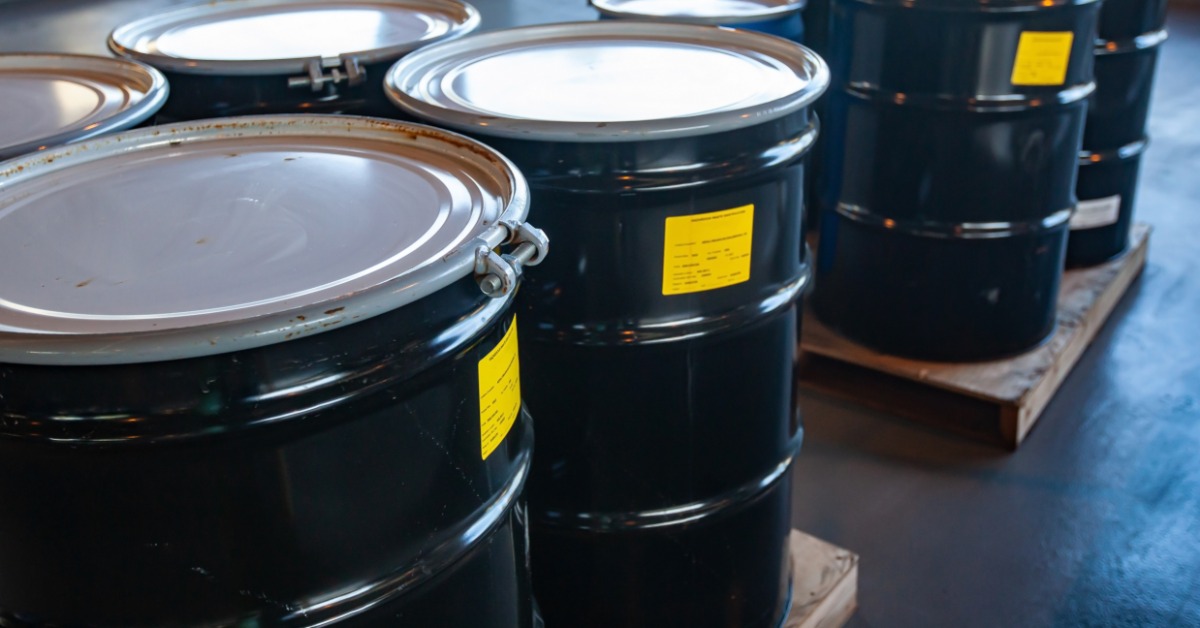
An intact drum with a clear label is easier to inspect and load. A leaking or damaged drum may need an overpack before transport. That adds supplies and service time.
Missing labels can also slow the pickup. Our crew needs to match every container with the correct waste profile before loading it.
You can help keep the process efficient by checking your containers before the scheduled service date. Let us know about damage early so we can bring the proper equipment.
Common container types include:
- Drums for liquid or solid waste
- Totes for larger liquid volumes
- Tanks for bulk material
- Approved boxes for certain solids
We’ll confirm that the container suits the waste inside it before arranging transport.
Testing May Affect the Final Cost
A disposal facility needs accurate information before accepting hazardous waste. Safety data sheets can help, though they may describe the original product rather than the waste after use.
Manufacturing processes can change a material’s composition. If process knowledge doesn’t provide enough information, we may recommend laboratory testing.
Testing can identify whether the waste has characteristics that affect disposal. It can also confirm whether regulated compounds are present.
Although testing adds an upfront cost, it can prevent a rejected shipment. Rejections can lead to delays and added transportation charges.
Transportation Changes the Estimate
Transportation can account for a noticeable part of the final cost. Distance affects fuel use and driver time.
Some common waste streams can go to a nearby facility. Specialized materials may need to travel much farther.
Shipment size also affects routing. Smaller loads may move with compatible waste from other customers. Larger loads may need a dedicated truck.
Your site layout can also influence service time. A loading area near the storage location helps the crew work efficiently. Restricted access or long security procedures can add labor.
A qualified hazardous waste disposal company will review these details before scheduling the pickup.
Site Conditions Can Raise Service Costs
Some facilities prepare waste near the loading area before our crew arrives. Others store containers in areas that require more time to reach.
Long travel paths can increase labor. Stairs or narrow access points may require special equipment.
Poor organization can also slow the service. Mixed containers may need closer review before loading. Missing documents can delay the process.
Tell us about site conditions during the quote stage. Photos can help us understand the work before we arrive.
Emergency service usually costs more than a planned pickup. A spill or leaking container may require a faster response and specialized supplies.
Disposal Methods Carry Different Prices
The final disposal method has a direct effect on cost.
Some materials may qualify for recycling. Others can go through fuel blending. Waste that requires incineration often costs more because it needs a specialized facility.
Certain treated solids may qualify for disposal at a permitted landfill. The receiving facility must have approval to accept that specific waste stream.
We recommend reviewing the full estimate rather than comparing one line item. A low disposal fee may come with higher transportation charges. An itemized quote gives you a clearer view of the total.
What Information Helps Us Prepare a Quote?
Clear information allows us to review the waste faster and build a more accurate estimate.
Before requesting pricing, gather:
- The waste name
- The estimated quantity
- Current safety data sheets
- Existing test results
- Container photos
- Pickup location details
Tell us about unknown chemicals or damaged containers. Mention any access limits before the service date.
When customers ask how much hazardous waste disposal will cost, we also ask whether the waste stream recurs. Scheduled service may improve routing and reduce the need for urgent pickups.
How Can You Control Disposal Costs?
Good preparation can help your facility avoid unnecessary charges.
Keep waste streams separated and label containers clearly. Review chemical inventory often so expired materials don’t accumulate.
Organized records also support faster quoting. Keep waste profiles and manifests in an accessible location.
Let us know when your production process changes. An existing waste profile may no longer apply if the material’s composition changes.
Regular storage-area checks can catch damaged containers before they create a larger problem. Addressing an issue early can keep a routine pickup from turning into a more expensive service call.
Request a Hazardous Waste Disposal Quote
Hazardous waste disposal cost depends on the material and the amount that needs removal. Transportation distance can change the estimate, while site conditions may affect labor.
Clean Management provides hazardous waste transportation and disposal services for businesses nationwide. Contact us for a free quote based on your waste stream and service location.

