

Did you know coral reefs are some of the most important ecosystems in the world?
Although they cover just 0.1% of the ocean floor, coral reefs support a quarter of all marine life and more than 500 million people with food, income, and coastal protection. We can’t protect the ocean and many of its diverse marine species without saving coral reefs.
That’s why some of the best ocean conservation charities, coalitions, and local groups focus on driving solutions that keep coral reefs healthy. Here’s what they are doing:
Keeping Ocean Water Clean
Healthy coral reefs won’t thrive without the right ocean conditions. This includes clean water that is free of land-based pollution.
Right now, 80% of global wastewater enters marine environments untreated, exposing coral reefs to pollutants like excessive nitrogen and phosphorus, pathogens, microplastics, chemicals, and pharmaceuticals. This threatens human and marine health, increases algal growth, exposes corals to disease, and physically harms reef ecosystems.
The Ocean Sewage Alliance is bringing together organizations and academic partners, including the Coral Reef Alliance (CORAL), to improve water quality by raising awareness about the impacts of wastewater pollution and working toward eliminating sewage that enters the world’s oceans.
Quote from Larissa
Ensuring Healthy Fish Populations
Coral reefs also need healthy fish populations, especially herbivorous fish that keep algal growth in check. Unfortunately, overfishing is a major issue that can disrupt reef ecosystems and, in turn, impact fish stocks that depend on those reefs.
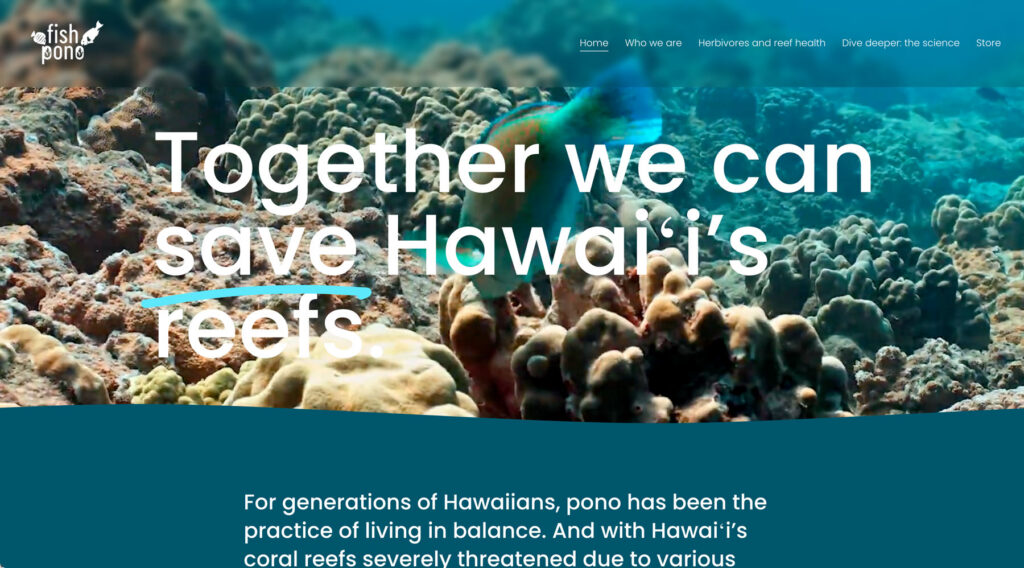
In Hawaiʻi, our partner Fish Pono is working toward replenishing herbivorous fish populations that support coral reefs. They are taking steps to educate fishers and communities about sustainable fishing and raise awareness of this issue.
While Fish Pono focuses on education, other important initiatives include expanding marine protected areas, advocating for regulations, and fostering community engagement and compliance.
Creating Climate-Resilient Reef Networks
Reducing threats like water pollution and overfishing keeps coral reefs healthy and better able to adapt to climate change. Protecting networks of reefs that are large, diverse, and well-connected can help corals adapt to warming ocean temperatures.
Building and supporting adaptive reef networks requires an all-hands-on-deck approach. Local groups are an important piece of the puzzle, as they monitor the health of their coral reefs.
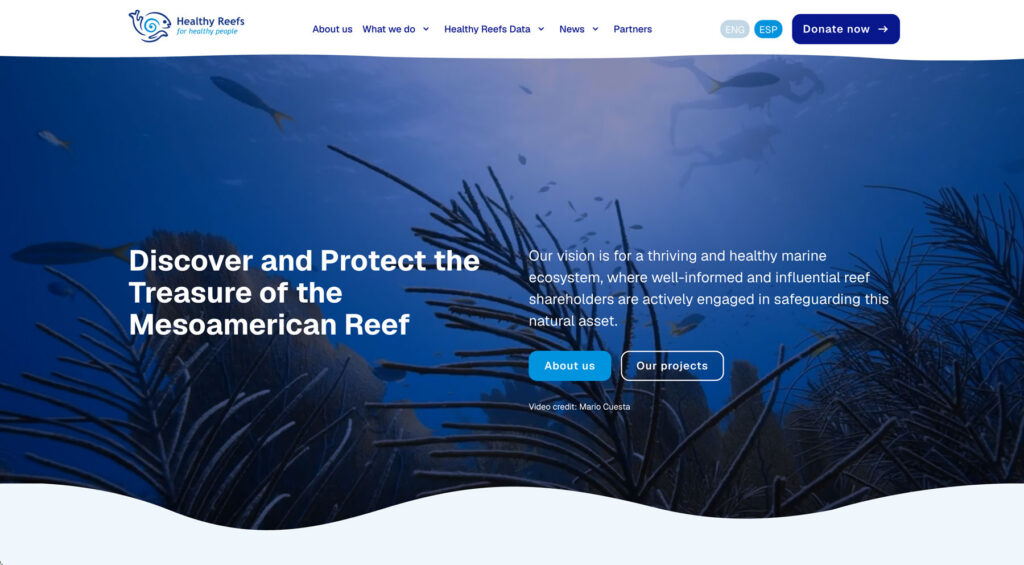
For example, charities like Healthy Reefs for Healthy People collect critical monitoring data on the Mesoamerican Reef. This information supports conservation and management efforts, helps scientists learn more about the reef, and supports coral adaptation initiatives.
Supporting Local Communities
Successful coral reef conservation requires strong engagement from local communities. Communities understand the importance of coral reef protection, and they are the ones leading the charge in keeping them healthy.
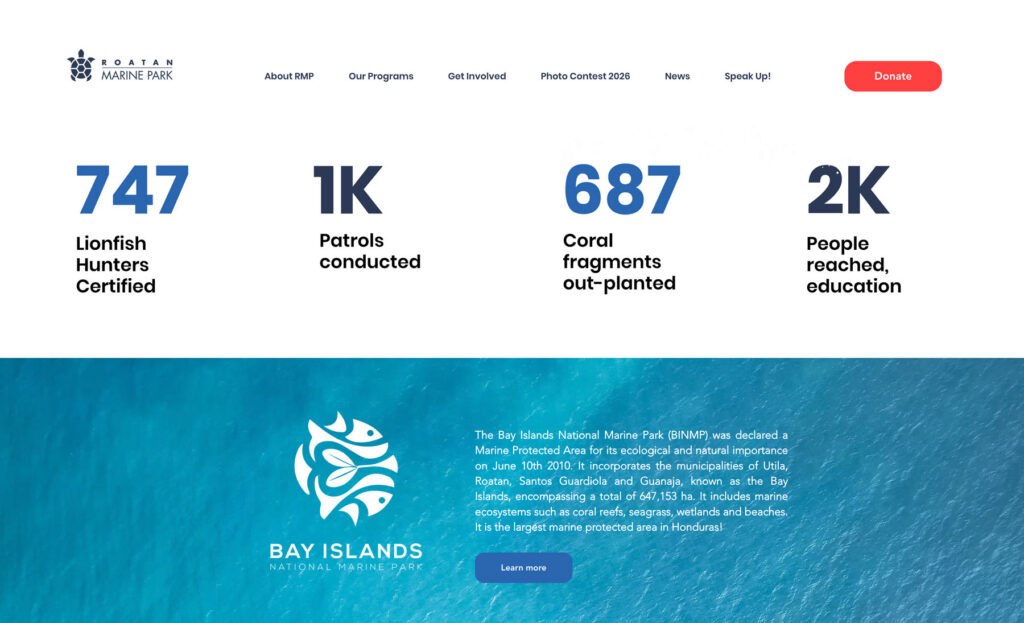
One charity that fosters community engagement is Roatan Marine Park, which builds local capacity and reduces pressure on marine resources. Their community programs include topics like environmental education, alternative livelihoods, sustainable tourism, and direct participation in conservation.
Quote from Bessy?
Growing a Global Alliance to Save Coral Reefs
While there are so many important ocean charities, coalitions, and local groups that support coral reefs, not a single organization can save coral reefs alone. It takes an alliance to do that.
We need to work together with scientists, conservation groups, governments, communities, businesses, funders, and individuals around the world. That’s why CORAL continues to grow our global alliance and welcomes new partners and individuals to join us in saving coral reefs.
It takes an alliance to save coral reefs. Join us, support our local partners, and fund programs that reduce marine threats, empower communities, and support coral adaptation.


