

Old kerosene and unused fuel can sit in a warehouse for years before anyone questions what to do with them. Maybe your business replaced its heating equipment, stopped using a particular fuel, or discovered forgotten containers during a storage cleanout. Whatever the situation, keeping aging petroleum products around can introduce safety concerns and complicate waste management.
Understanding how to dispose of your business’s kerosene and older fuels helps you handle these materials responsibly while meeting applicable environmental regulations. However, the right disposal method depends on the fuel type, its condition, and how much your facility needs to remove.
Before arranging a pickup, it’s worth understanding what happens to older fuels and how commercial disposal works.
What Happens to Kerosene and Other Fuels as They Age?
Fuel doesn’t remain in the same condition indefinitely. Temperature fluctuations, exposure to oxygen, and moisture can affect its quality, particularly when storage conditions aren’t consistent.
Kerosene may develop sediment or collect water over time. Gasoline can lose some of its volatile components, making it less suitable for equipment, while diesel may become contaminated by microbes when water accumulates in storage tanks.
These changes don’t automatically make every older fuel hazardous waste. However, they can make the material unsuitable for its original purpose and raise questions about safe handling.
If your facility has fuel that hasn’t seen use in several years, don’t assume it’s still suitable for equipment. Evaluate its condition before deciding whether reuse or disposal makes sense.
Identify What Your Business Needs to Dispose Of
Before contacting a waste management provider, take inventory of the petroleum products your business no longer uses. This helps you understand the scope of the project and avoid confusion during removal.
Start by checking container labels and reviewing available purchasing records. If your facility stores several fuel types, identify each one separately rather than treating everything as the same waste stream.
Pay attention to containers with missing labels or uncertain contents. You shouldn’t identify an unknown liquid based on its color or smell.
Quantity matters, too. Removing a few drums of kerosene requires different equipment than pumping hundreds of gallons from an aging storage tank. A clear inventory gives your disposal provider a better picture of the work before anyone arrives on-site.
Does Old Kerosene Count as Hazardous Waste?
Not every petroleum product qualifies as hazardous waste under federal regulations. The classification depends on the material’s properties and whether it meets applicable hazardous waste criteria.
Under the Resource Conservation and Recovery Act (RCRA), the Environmental Protection Agency (EPA) identifies ignitability as one characteristic that can make waste hazardous. Most liquids with a flash point below 140°F (60°C) meet this criterion, although regulatory exceptions apply.
Gasoline generally meets the ignitability standard. Kerosene and diesel require closer evaluation because their flash points vary by formulation and condition.
Contamination can also affect classification. For example, fuel mixed with certain solvents may have different hazardous properties than the original product.
Your business must make an accurate waste determination before selecting a disposal method. A qualified waste management provider can help evaluate the material and identify appropriate testing when necessary.
How Should You Store Fuel Before Disposal?
Once you’ve identified unwanted fuel, proper storage helps limit potential hazards while you arrange removal.
Keep petroleum waste in compatible containers that can safely hold the material. Check for corrosion or leaks, particularly if the containers have remained untouched for an extended period.
Your facility should follow these basic precautions:
- Keep containers closed when you’re not transferring waste.
- Maintain accurate labels and required hazard information.
- Store incompatible materials separately.
- Keep fuel away from potential ignition sources.
- Follow applicable waste accumulation and inspection requirements.
Avoid combining different fuels to save storage space. Mixing materials can change their characteristics and affect available disposal options. If you find a damaged container, have trained personnel assess it before moving the contents.
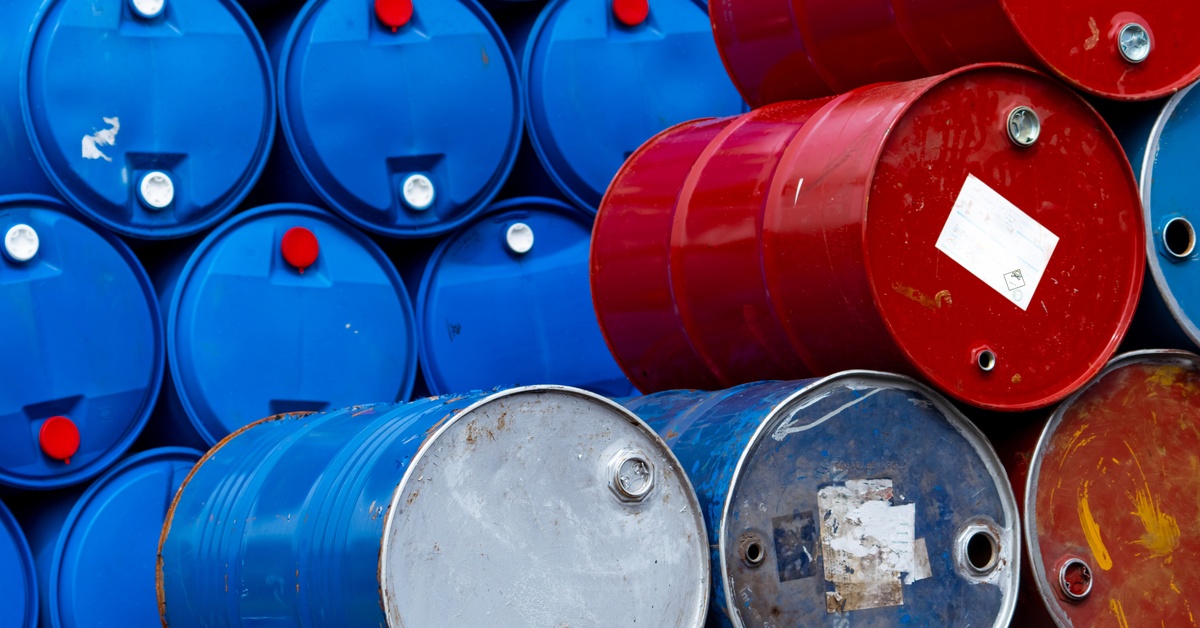
Why Can’t Businesses Throw Away Old Fuel?
Kerosene and other petroleum products require appropriate handling because improper disposal can contaminate the environment. Pouring fuel into a floor drain may introduce petroleum into wastewater systems. Dumping it outside can affect soil and potentially reach groundwater.
Ordinary dumpsters aren’t appropriate for liquid petroleum waste, either. Even small amounts can create problems during collection or waste processing.
Burning unwanted fuel without proper authorization can also violate environmental requirements. A product’s original use as fuel doesn’t automatically make burning its discarded form acceptable.
Commercial businesses should avoid assuming that local household hazardous waste collection programs will accept their materials. Many programs restrict participation to residential waste generators. Professional disposal services can help your facility identify a suitable destination for unwanted petroleum products.
Can Older Kerosene and Diesel Be Recycled?
Some petroleum waste may qualify for recycling or energy recovery, depending on its composition and condition.
For example, certain authorized facilities can process suitable petroleum materials for recovery. Others may accept qualifying waste-derived fuels for energy recovery under applicable regulations.
However, contamination can limit these options. Water, chemical residues, or mixed waste streams may prevent a receiving facility from accepting the material for a particular recovery process.
Don’t attempt to make old fuel usable by mixing it with fresh petroleum products. Doing so may complicate waste classification without correcting the underlying quality problems.
A waste management provider can help determine whether recycling or another approved management method fits your material.
What Does Professional Fuel Disposal Involve?
Commercial fuel disposal typically begins with a review of the material and the conditions at your facility.
Your provider will need information about the fuel type and approximate volume. Container condition also matters, especially when older drums show corrosion or tanks contain accumulated residue.
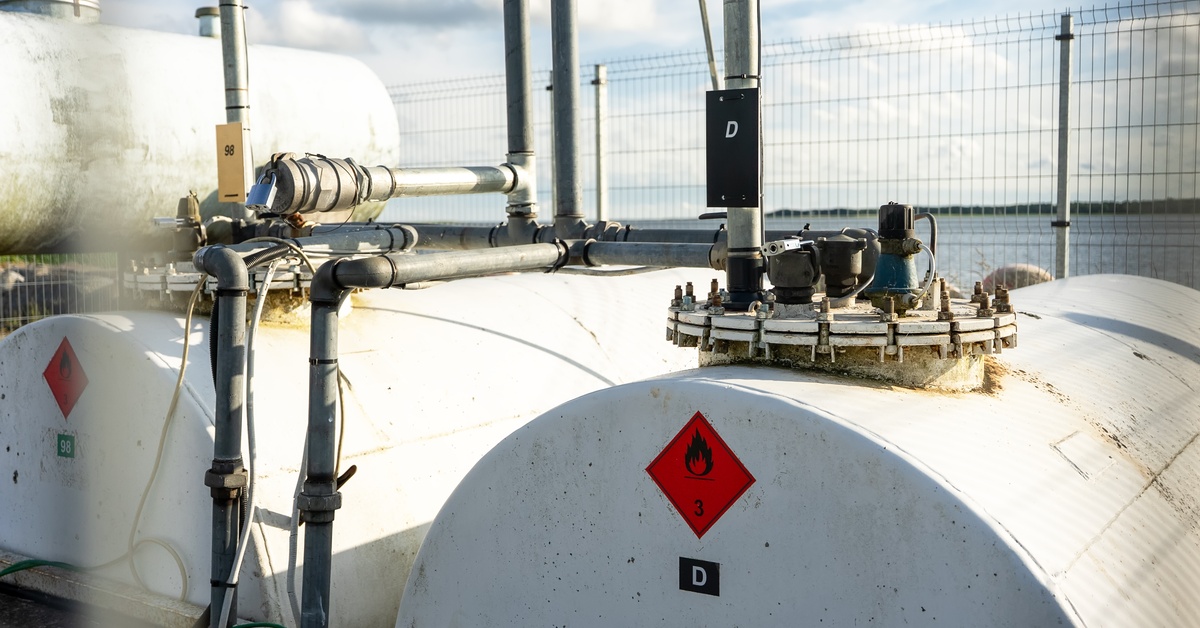
How Do State Regulations Affect Fuel Disposal?
Federal regulations establish hazardous waste management requirements, but states can enforce stricter standards.
California, for example, regulates certain wastes more broadly than the federal hazardous waste program. Businesses operating there must evaluate discarded petroleum products under the state’s applicable requirements.
If your company needs hazardous waste disposal in San Diego, understanding California’s waste classification and transportation rules can help you plan the removal process.
Facilities operating across multiple states should also recognize that disposal requirements may differ by location. A waste management method that works for one facility may require adjustments elsewhere.
Keep Records After Your Fuel Leaves the Facility
Fuel disposal doesn’t necessarily end when the transporter drives away. Your business may have documentation responsibilities based on the waste classification and generator status.
Hazardous waste shipments generally require manifests unless a regulatory exception applies. These records help document where the waste went and which facility received it.
Maintain applicable waste determinations and shipping records according to regulatory retention requirements.
Accurate documentation also helps your business manage future cleanouts. Reviewing previous disposal quantities can reveal whether purchasing practices or storage habits contribute to recurring fuel waste.
Let Clean Management Handle Your Older Fuel Disposal Needs
Knowing how to dispose of older kerosene and fuels from your business can help you avoid unnecessary storage risks and make informed waste management decisions. Whether your facility has several forgotten drums or a tank of unused petroleum, proper evaluation provides a starting point for safe removal.
At Clean Management Environmental Group, we help businesses safely remove unwanted kerosene and aging petroleum products while navigating applicable disposal requirements. Whether you’re clearing out old fuel containers or emptying a storage tank, we’re ready to help. Contact us today to discuss your disposal needs and request a quote.

