

Facility expansions create opportunity, but they also introduce new layers of environmental responsibility. If you fail to plan early, waste streams can quickly become disorganized, non-compliant, and costly. That is why every project team must plan for waste disposal for facility expansions as a core part of the development process, not an afterthought.
When you take a proactive approach, you control risk, protect your timeline, and avoid regulatory setbacks. You also position your operation to scale efficiently without compromising safety or environmental standards.
Below, we break down how to build a smart, compliant, and scalable waste disposal strategy from the ground up.
Understand the Scope of Your Expansion
Before you define waste solutions, you need a clear picture of what the expansion involves. Every project generates different waste streams depending on industry, materials, and operational changes.
Start by evaluating:
- New production processes or equipment
- Increased throughput or capacity
- Changes in raw materials or chemicals
- Construction and demolition waste
This step allows you to forecast both the volume and type of waste your facility will generate. Without this clarity, you risk underestimating disposal needs or selecting the wrong handling methods.
A detailed scope assessment sets the foundation for every decision that follows.
Identify All Waste Streams Early
You cannot manage what you do not fully identify. During expansion planning, map out every potential waste stream in detail.
This includes:
- Hazardous waste such as chemicals, solvents, and byproducts
- Non-hazardous industrial waste
- Universal waste like batteries, lamps, and electronics
- Construction debris
- Wastewater or sludge
Each category requires specific handling, storage, and disposal protocols. Early identification allows you to align with regulatory requirements and avoid last-minute surprises.
When you take this step seriously, you gain control over both compliance and cost.
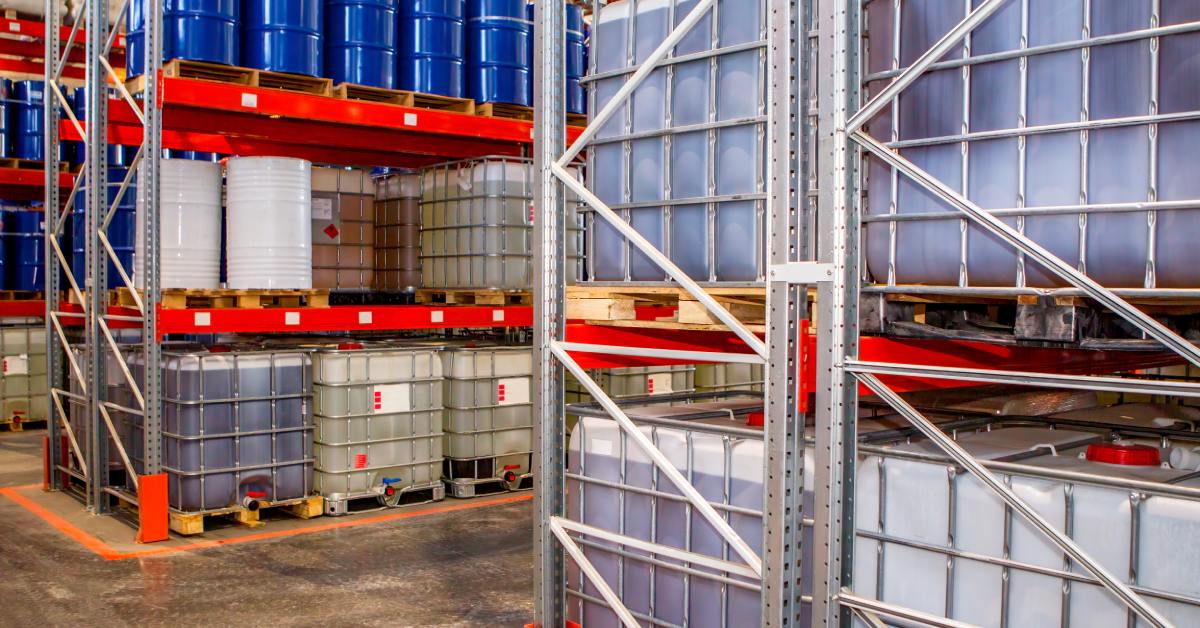
Align with Environmental Regulations
Regulatory compliance drives every aspect of waste disposal planning. Federal, state, and local agencies enforce strict rules around handling, labeling, storage, and transportation.
You need to confirm:
- Generator status, such as a large or small quantity generator
- Storage time limits
- Required permits and documentation
- Transportation and disposal certifications
Failing to meet these requirements could delay your expansion or lead to hefty penalties. To avoid this, incorporate compliance into your planning from the start.
Collaborate with environmental specialists who stay updated on changing regulations to help navigate your facility through each requirement.
Design Efficient Waste Handling Systems
Once you understand your waste streams, you need systems to support the safe, efficient handling of waste. Poor design leads to operational bottlenecks, safety risks, and compliance issues.
Focus on:
- Proper container selection and labeling
- Clearly defined storage areas
- Segregation of incompatible materials
- Easy access for waste removal
Your facility layout should support waste flow just as much as production flow. When waste handling integrates seamlessly into operations, your team can maintain consistency, reduce risk, and improve overall efficiency.
Effective waste management not only minimizes environmental impact but also supports regulatory compliance and reduces costs. Efficiency at this stage directly impacts long-term performance.
Integrate Waste Disposal into Project Timelines
Waste planning should never lag behind construction or operational planning. Instead, integrate it directly into your project timeline.
Coordinate with:
- Construction teams
- Environmental consultants
- Waste disposal vendors
This coordination ensures that waste systems come online at the right time, preventing operational issues and ensuring compliance with environmental regulations. It also reduces delays caused by missing permits, unavailable containers, or unapproved disposal methods.
Maintaining this synchronization is crucial for efficient waste management and regulatory adherence. A synchronized timeline keeps your expansion moving forward without disruption.
Build a Scalable Waste Management Strategy
Facility expansions often signal future growth. Your waste disposal strategy should align with that trajectory by incorporating scalable, adaptable systems.
Avoid designing processes that only meet current needs; instead, build flexibility into your approach so you can easily scale up or modify operations as your facility develops, minimizing the need for costly rework or overhauls.
Consider:
- Modular storage solutions
- Flexible service agreements
- Capacity for increased waste volume
A scalable plan reduces long-term costs and eliminates the need for reactive adjustments as your operation grows.
Smart planning today prevents operational strain tomorrow.
Train Your Team for Compliance and Safety
Even the best waste disposal plan fails without proper execution. Your team needs clear guidance and consistent training to maintain compliance.
Focus on:
- Waste identification and segregation
- Proper labeling and documentation
- Emergency response procedures
- Safe handling practices
Training should not be a one-time event. Ongoing education ensures your team stays aligned with regulations and internal protocols. Regular training updates help adapt to new laws, technologies, and industry standards, maintaining compliance and operational efficiency. When your staff understands their role, you reduce risk and strengthen your overall operation.
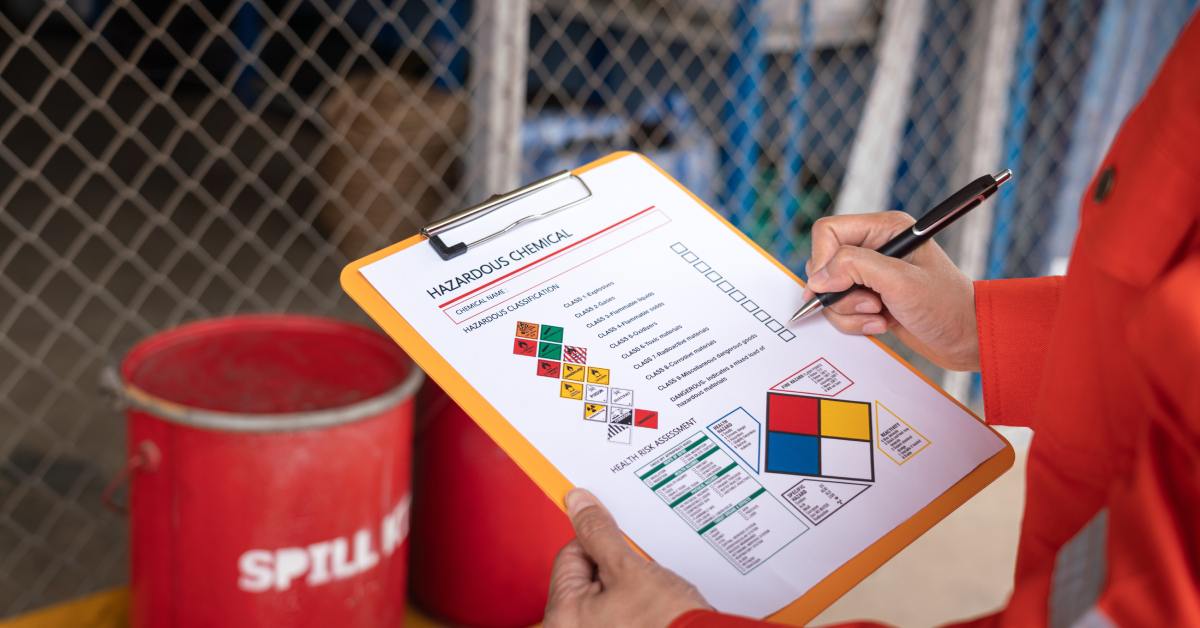
Partner with the Right Environmental Provider
You do not have to manage waste disposal alone. The right partner brings expertise, efficiency, and peace of mind to your expansion project.
Look for a provider that offers:
- Regulatory guidance
- Waste profiling and classification
- Transportation and disposal coordination
- On-site support when needed
An experienced partner helps you anticipate potential challenges but also collaborates closely to develop proactive solutions, ensuring issues are addressed before they escalate.
This strategic partnership is especially beneficial during complex or large-scale expansions, where careful planning and expert guidance can greatly enhance the chances of success.
Common Pitfalls to Avoid
Many facilities run into the same challenges during expansion projects. You can avoid costly mistakes by recognizing them early.
Watch out for:
- Delaying waste planning until late project stages
- Underestimating waste volume or complexity
- Overlooking regulatory updates
- Using inconsistent or unclear labeling systems
- Failing to train staff adequately
Each of these issues can disrupt operations, increase costs, or trigger compliance violations.
By addressing them proactively, you protect both your timeline and your bottom line.
Take Control of Your Expansion with a Strategic Approach
When you plan for waste disposal for facility expansions, you create a safer, more efficient, and fully compliant operation. You also position your business to scale with confidence.
Waste management should never feel like a reactive task. With the right strategy, it becomes a streamlined part of your overall growth plan.
If you want expert guidance and reliable support, partner with a team that understands every layer of the process. Clean Management Environmental Group delivers tailored solutions designed to keep your expansion on track.
Connect with specialists today to learn how environmental cleanup services can support your facility’s next phase of growth.

