

Managing a warehouse full of defective electronics, expired food products, or recalled consumer goods creates a logistical headache. You need a solution that frees up space quickly while ensuring these items don’t end up on the gray market. For many businesses, the answer lies in high-temperature combustion. But is incineration right for product disposal in your specific situation?
Incineration offers a secure and efficient way to destroy large volumes of off-spec or outdated inventory. This method ensures faulty goods never reach the gray market, protecting your brand’s reputation. To determine if this approach aligns with your operational and environmental goals, it’s essential to understand how the process works and which materials are suitable for high-temperature combustion.
Understanding the Incineration Process
Incineration is a precise industrial process rather than simple burning. In specialized facilities, waste is loaded into sealed chambers engineered to contain extreme heat and manage emissions. Inside these units, temperatures reach between 1,800 and 2,200 degrees Fahrenheit (1,000 to 1,200 degrees Celsius).
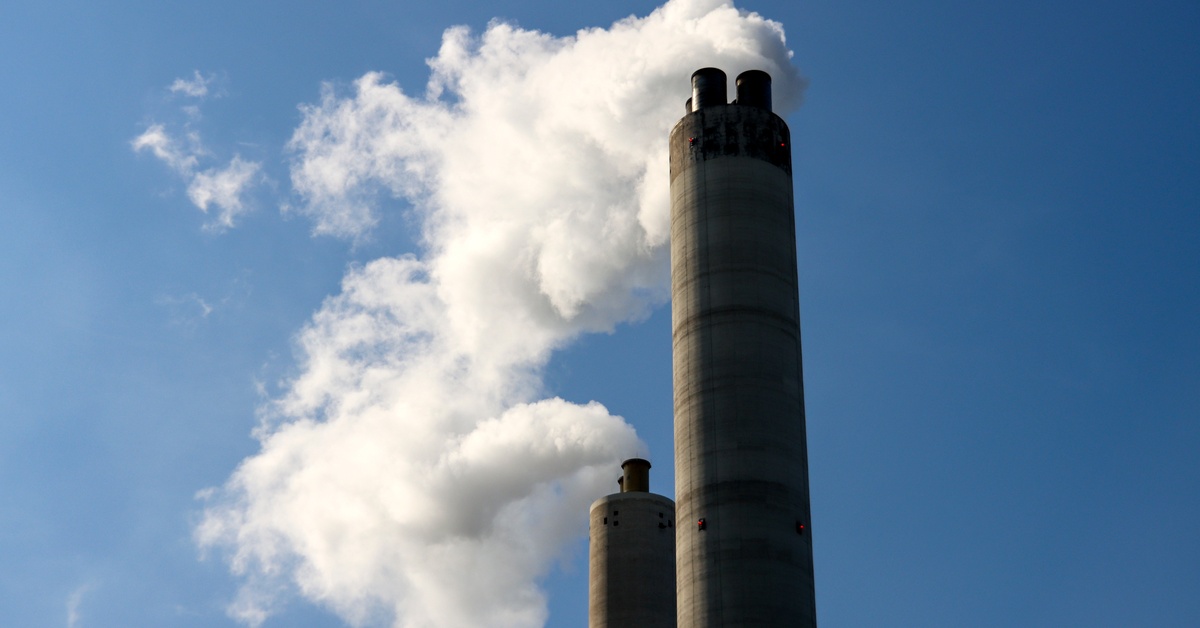
This intense heat breaks down the waste’s molecular structure. As the materials combust, they release byproducts such as carbon dioxide, water vapor, and nitrogen oxides. Advanced filtration systems treat these emissions to remove pollutants before releasing them, protecting air quality. Meanwhile, the solid waste is reduced to a small fraction of its original volume as sterile ash.
Energy Recovery Possibilities
Modern facilities often capture the heat generated during combustion. This energy can generate electricity or heat industrial buildings. Waste-to-energy plants enable businesses to dispose of unwanted inventory while generating renewable energy and reducing reliance on fossil fuels.
Benefits of Incineration for Manufacturers
Choosing the proper disposal method impacts your bottom line and your company’s liability. Incineration provides distinct advantages over landfilling, especially for businesses handling sensitive or hazardous materials.
Volume Reduction
Incineration significantly reduces waste volume. By converting solid items into ash, the physical footprint of the waste shrinks drastically. This benefit is vital for areas where landfill space is scarce or expensive. It also simplifies the logistics of handling massive loads of off-spec products.
Brand Protection
Sending defective merchandise to a landfill carries risks. Scavengers or unauthorized distributors can retrieve these items and sell them on the gray market. If a consumer buys a faulty product bearing your logo, your brand suffers. Incineration eradicates the item. There is no product left to salvage, resell, or misuse.
Liability Reduction
Disposing of certain products in landfills can create long-term liability. If your disposed products are later found to have caused environmental contamination, your company could face legal action and costly clean-up fees. Incineration provides a certificate of destruction, offering documented proof that the materials have been safely and permanently eliminated, thereby minimizing future legal risks.
Hazardous Waste Management
Certain products, such as expired chemicals or medical waste, pose environmental risks if they leach into the soil at a landfill. High-temperature combustion neutralizes many hazardous components. It destroys the organic compounds that make the waste dangerous, preventing soil and water contamination.
Odor and Pest Control
Warehouses storing organic waste, such as spoiled food or expired animal feed, often attract pests like rats and flies. These infestations spread disease and damage other stock. Incineration eliminates the organic matter that pests feed on. It also destroys the sources of unpleasant odors, improving the sanitary conditions of your facility.
Materials Suitable for Incineration
Not every item belongs in an incinerator, but for a broad range of industrial and commercial waste streams, it’s an exceptionally effective solution. Incineration not only ensures safe, efficient disposal but also helps prevent environmental hazards and protect brand integrity.
Off-Spec Consumer Goods
Manufacturing errors happen. When you have a batch of shirts with misprinted logos, handbags with broken zippers, or other defective products, they can’t go to market. Incineration ensures these subpar items never dilute your brand’s market value or reach unauthorized resale channels.
Expired Food and Beverages
Food producers and distributors often face significant spoilage, whether it’s ice cream that melted during transport, eggs that have expired, or recalled spinach. Incineration efficiently handles these organic materials, eliminating the health and environmental hazards associated with rotting food and ensuring compliance with waste regulations.
Confiscated or Contraband Items
Law enforcement and border control agencies rely on incineration to destroy contraband, counterfeit goods, or illegal substances. This process ensures that dangerous or unauthorized items are permanently removed from circulation, contributing to public safety and regulatory enforcement.
Automotive and Industrial Fluids
Certain oils, solvents, and non-recyclable fluids combust safely under controlled conditions. Incineration offers an effective alternative to chemical treatment for specific liquid waste streams, reducing the risk of improper disposal and protecting the environment from potential contamination.
Additional Industrial Waste
From contaminated packaging to non-recyclable plastics, incineration is also a reliable solution for a range of other waste streams that cannot be processed through traditional recycling methods. By reducing waste volume and, in some cases, generating energy, it can be a vital part of sustainable waste management strategies.
When to Consider Alternatives
While incineration solves many problems, it isn’t the universal fix for every waste stream. Items containing heavy metals, high levels of chlorine, or radioactive materials typically require different disposal methods.
If your materials are non-hazardous and easily recyclable, such as clean cardboard or scrap metal, recycling remains a more cost-effective option. You should evaluate your waste stream based on volume, material composition, and security needs. If your primary concern is preventing brand damage or destroying biological hazards, incineration is likely the superior choice.
Choosing a Waste Management Partner
Navigating federal and state regulations regarding incineration requires expertise. You need a partner who understands the legal requirements for transporting and destroying specific materials.
Look for a service provider that offers:
- Certified Destruction: Proof that your items were destroyed.
- Compliance Knowledge: Adherence to EPA and local guidelines.
- Logistical Support: Ability to handle truckload quantities.
Final Thoughts on Product Disposal
Deciding how to handle outdated inventory requires balancing cost, security, and environmental impact. For many manufacturers and distributors, is incineration right for product disposal? The answer is often yes, especially when brand protection and volume reduction are top priorities. It offers a definitive end-of-life solution for goods that should no longer exist.
If you have off-spec or outdated products accumulating in your facility, Clean Management offers secure product destruction services tailored to your needs. We handle the logistics, ensure compliance, and provide the peace of mind that comes with knowing your liability is gone. Contact Clean Management today to request a quote.

