Science is at the heart of everything CORAL does, but it only matters if it leads to action. As CORAL continues to strengthen connected reef networks around the world, the role of conservation science has never been more important.
That’s where Antonella comes in. At CORAL, she brings clarity, curiosity, and a deeply human approach to the science behind our work and has been doing so for almost a decade! She’s focused on making sure conservation decisions are built from the ground up, informed by local knowledge, shaped by collaboration, and designed to work in the real world.
Tell us about your role at CORAL.
I am the Senior Manager of Conservation Science, a new role I started this year. My work focuses on connecting science across all the places where CORAL works, making sure our science is rigorous, relevant, inclusive of local knowledge, and, most importantly, applicable and useful for the people on the ground.
At the core, my role is about bridging science and action, and making sure conservation decisions are built from the bottom up and grounded in the best available science.
How did you get here? And what inspired you to pursue a career in marine science?
I grew up in Honduras, in the capital city, nestled in the mountains, and always surrounded by nature. I knew from a young age that I loved the natural world, but it wasn’t until I began studying biology and volunteering in Roatán, working directly on the coral reef, that everything truly clicked. The reef absolutely blew my mind.
I fell in love not only with the ecology of coral reefs, but with how deeply connected they are to people and communities. I wanted to understand how marine ecosystems work, why they are changing so fast, and what we can realistically do about it. That curiosity pushed me beyond ecology alone and toward people, governance, and decision-making.
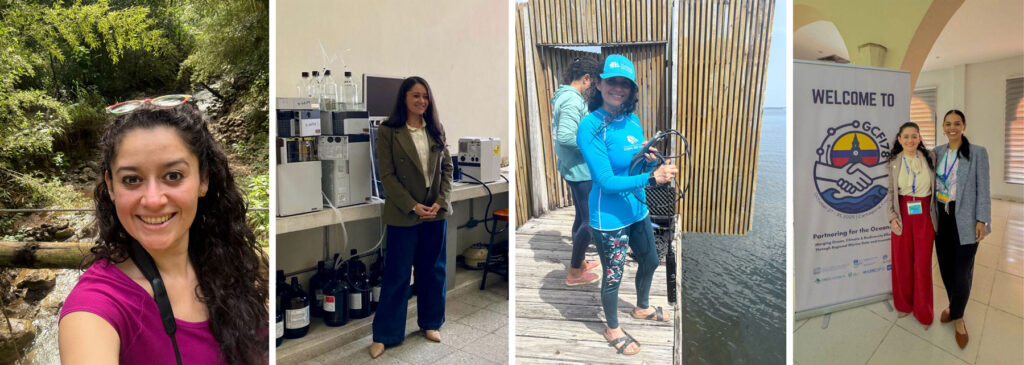
That path eventually led me to pursue a PhD in Oviedo, Spain, where I focused on marine social-ecological systems. Since then, I’ve been driven by applied science that incorporates communities and local knowledge, making sure people are stewards of that knowledge and active participants in decision-making. For me, science should be useful, grounded, and lived, not something that sits on a shelf.
That philosophy is what naturally drew me to CORAL. Its approach and values strongly resonated with how I believe conservation should be done, making it a truly wonderful place to work.
What’s something people might be surprised to learn about your journey into marine science?
Many people assume the path was linear. It wasn’t. I’ve navigated different countries, disciplines, languages, and roles, and I’ve had to constantly adapt. I didn’t come from a system where opportunities were clearly laid out, so a lot of my journey involved figuring things out as I went, asking for help, and saying yes to challenges before I felt fully ready.
That experience shaped how I work today. It made me very intentional about mentorship, collaboration, and creating pathways for others who may not see themselves reflected in traditional scientific spaces.
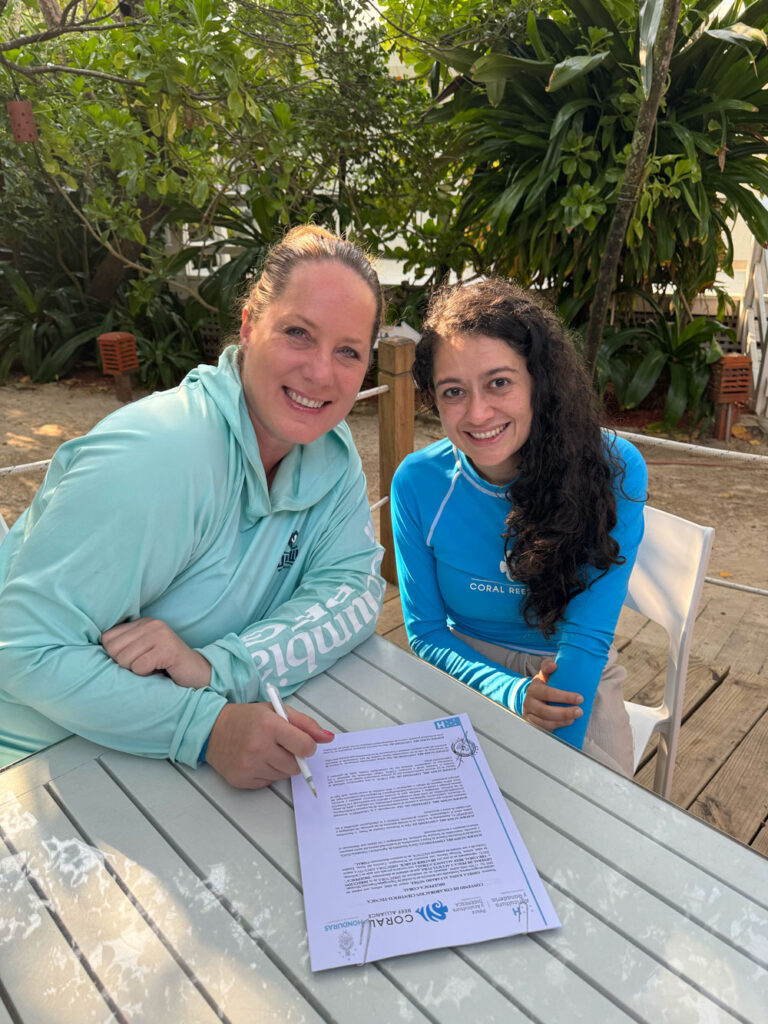
Coral conservation work can be taxing. How do you recharge outside of work?
I recharge through simple, grounding routines. I love long walks in nature, reading, and enjoying good food, especially when it’s shared. Spending time with my family is essential for me, particularly with my three-year-old, who has an incredible way of bringing me back into the present moment.
I’ve also learned the importance of rest. Conservation attracts people who care deeply, sometimes to the point of exhaustion. Protecting reefs also means learning how to take care of ourselves so we can stay in it for the long haul.
What’s your favorite moment underwater?
Some of my favorite moments underwater are the ones that completely shift your perspective. I once saw a crocodile while diving in Utila, and moments like that, seeing something that feels unexpected or out of place, remind me how complex and interconnected these systems really are. They push you to think beyond neat categories and assumptions.
And some of my favorite moments aren’t strictly underwater at all. They’re the days spent collecting fisheries or water quality data alongside local fishers and community members. Being out on the water together, sharing knowledge, stories, and observations, those moments ground the science in lived experience and remind me why the work matters.
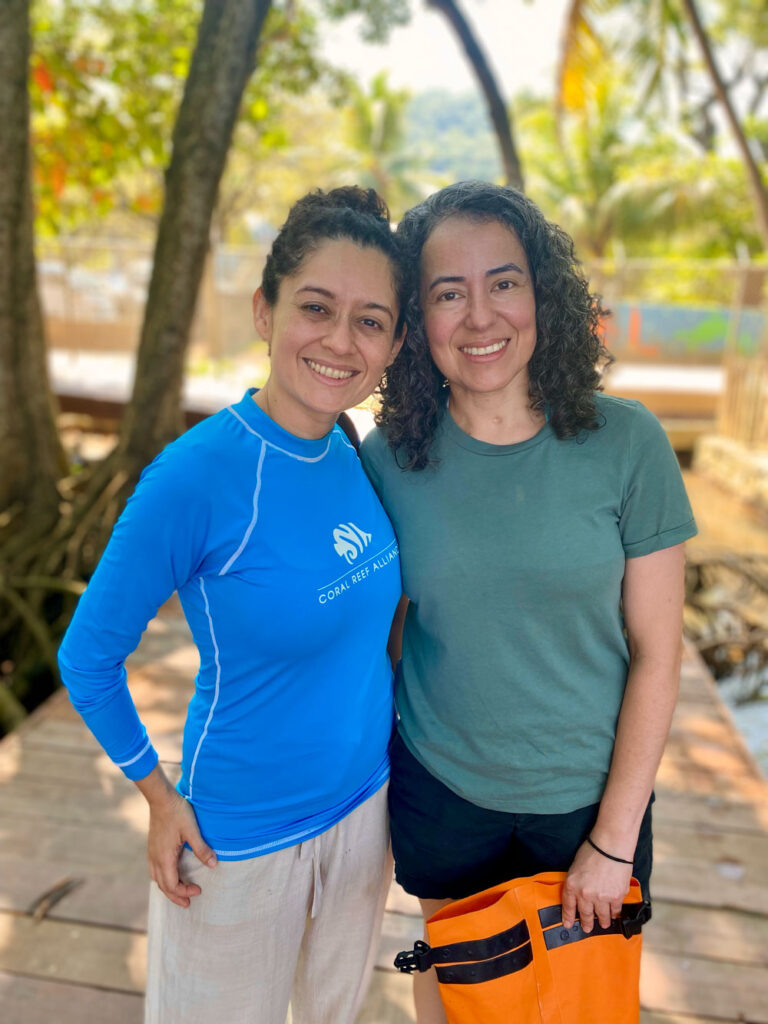
What are you most excited about looking ahead?
I’m excited about strengthening CORAL’s science as a global, connected system, where local data feeds into regional and global insights, and where communities see themselves reflected in the science.
I’m also excited about developing tools that make science more accessible and help managers act faster and with greater confidence. And on a personal level, I’m excited about continuing to build teams, mentor emerging scientists, and help shape a more inclusive and impactful conservation field.
For anyone looking to make a difference in the context of coral reefs, what advice would you give them?
Listen before you act, especially to local communities and practitioners. Be patient, be humble, and stay curious. You don’t need to be a scientist or a specialist to make a difference; every drop counts, and there are many ways to contribute.
Coral reef conservation is complex and challenging, but it’s also full of hope when people work together with intention and care.