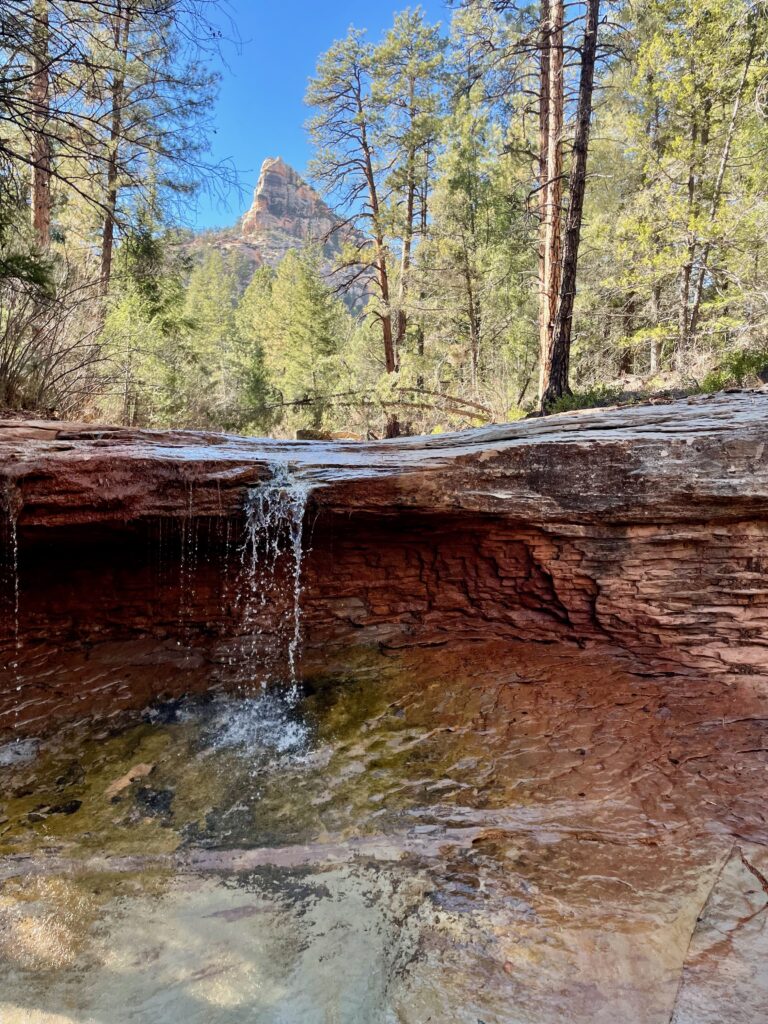
Without exception, every spring my family takes time to do what we love most: Traipsing around the desert rivers, buff-colored canyons, and pinion-juniper mesas of Bears Ears National Monument or Grand Staircase-Escalante National Monument; whether afoot, afloat, astride a bicycle, or in a four-wheel drive vehicle.
The two monuments have very different characters, but both have magical qualities that make them special to us, pulling us back year after year. Sinuous, red rock canyons emanate from high-altitude mesas, picking up seeps and springs as they make their way to some of the most storied and intact river systems in the Southwest.
Together, these monument designations protect significant portions of the San Juan, Colorado, and Escalante river systems, safeguarding important cultural and ecological values, and ensuring clean water for people and wildlife downstream.
A Public Trust
Humans have been attached to these landscapes for millennia. The Ancestral Puebloan cliff houses, kivas, granaries, and rock art protected under the Antiquities Act make that clear. Many tribal members continue to call these places their ancestral homelands. Bears Ears National Monument has been described as an open-air museum and cathedral, whereas Grand Staircase-Escalante was designated for its one-of-a-kind cultural, geologic, and palaeontologic values.
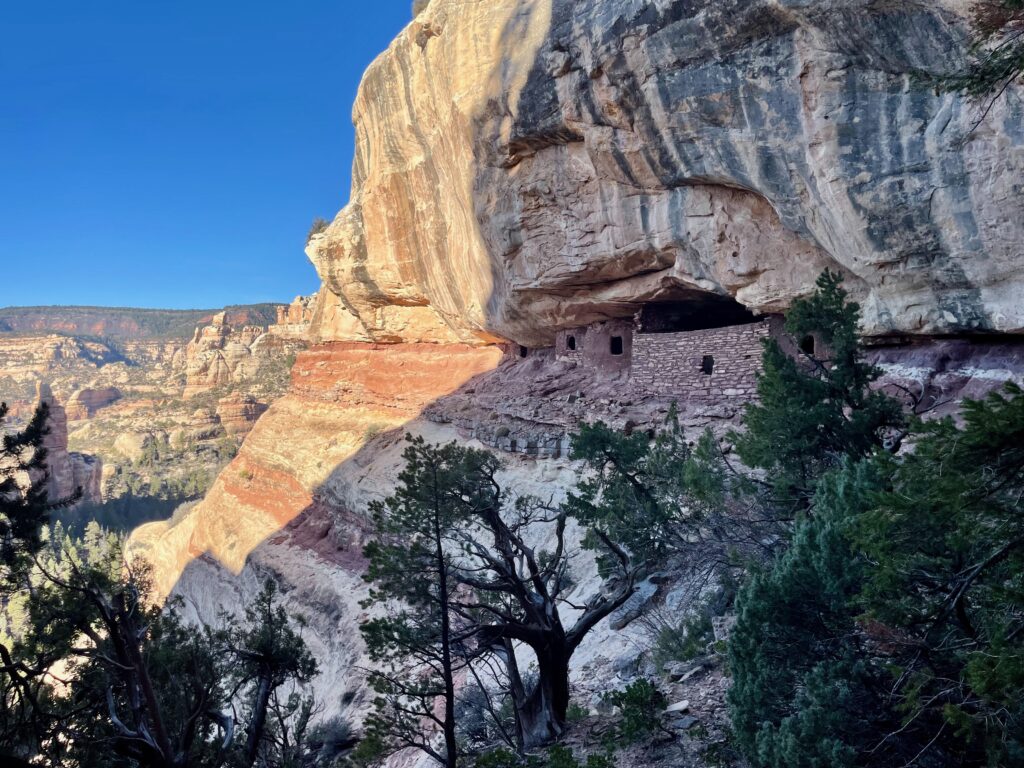
The Bears Ears Inter-Tribal Coalition includes the Hopi Tribe, Navajo Nation, Ute Mountain Ute Tribe, Zuni Tribe, and Ute Indian Tribe of Uintah and Ouray Reservation. They came together with federal agencies in 2016 to protect what became Bears Ears National Monument in southern Utah. This was the country’s first designation based upon these Tribes’ continual connection to this landscape for millennia and the nearly 100,000 archeological sites it contains.
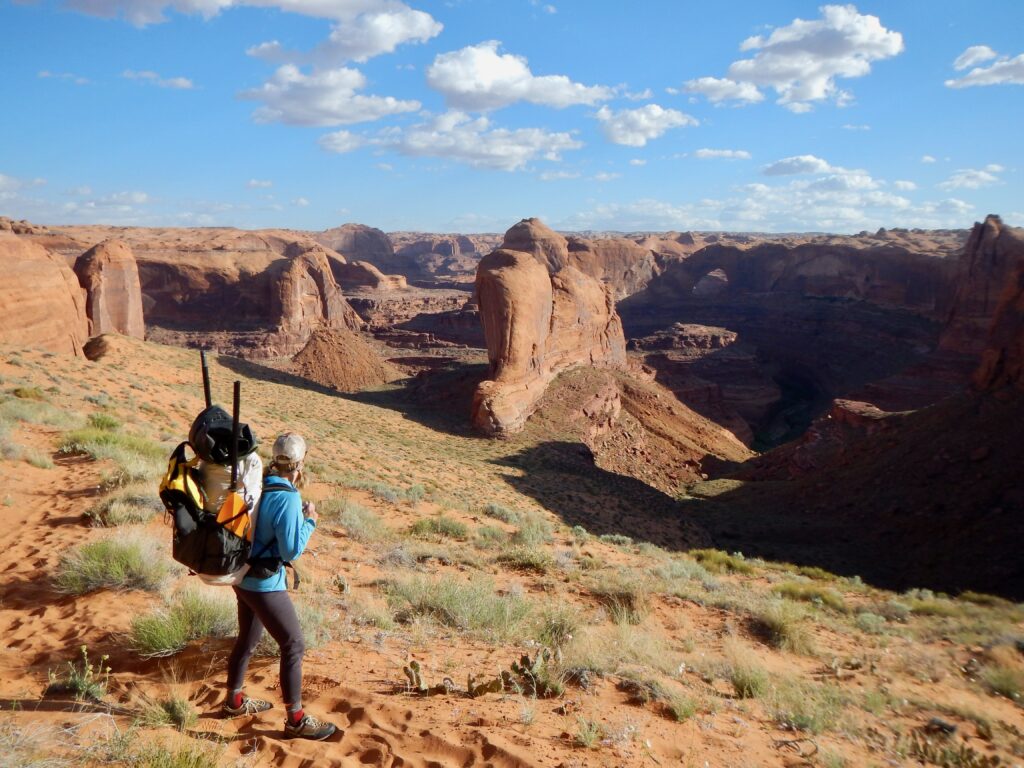
The six Tribes of the Grand Staircase-Escalante Inter-Tribal Coalition, which includes the Hopi Tribe, Kaibab Band of Paiute Indians, Navajo Nation, Paiute Indian Tribe of Utah, Ute Mountain Ute Tribe, and Zuni Tribe, engage in the management and stewardship of Grand Staircase-Escalante National Monument, a living landscape and ancestral homeland which was designated 30 years ago in 1996.
On Monday, July 13, 2026, in Washington, D.C., President Trump signed two proclamations to reduce the boundaries of Bears Ears and Grand Staircase-Escalante national monuments by 90% – almost 3 million acres combined- leaving just over 300,000 acres protected under monument designations. The Bears Ears Commission, established to inform the management of the lands and resources of Bears Ears, and made up entirely of Tribal representatives, was also disbanded, and the Tribes’ seals removed from signage at the monument.
This is a larger rollback than Trump attempted in 2017, when he decreased the boundaries of the monuments by about 2 million acres . That decision was ultimately reversed by President Biden. Over 1000 people turned out in six cities across Utah on July 20 to support maintenance of the original designations for Bears Ears and Grand Staircase-Escalante.
A National Monument Near You
If the federal government was willing to overlook this kind of local support for public lands, it means that other monuments are also in peril.
National Monuments represent treasured public lands, so much so that 40 Presidents, across both parties, have utilized the Antiquities Act to protect the monuments that would go on to become Grand Canyon National Park, Olympic National Park, Acadia National Park, Glacier Bay National Park, Zion National Park, and Arches National Park, and many more.
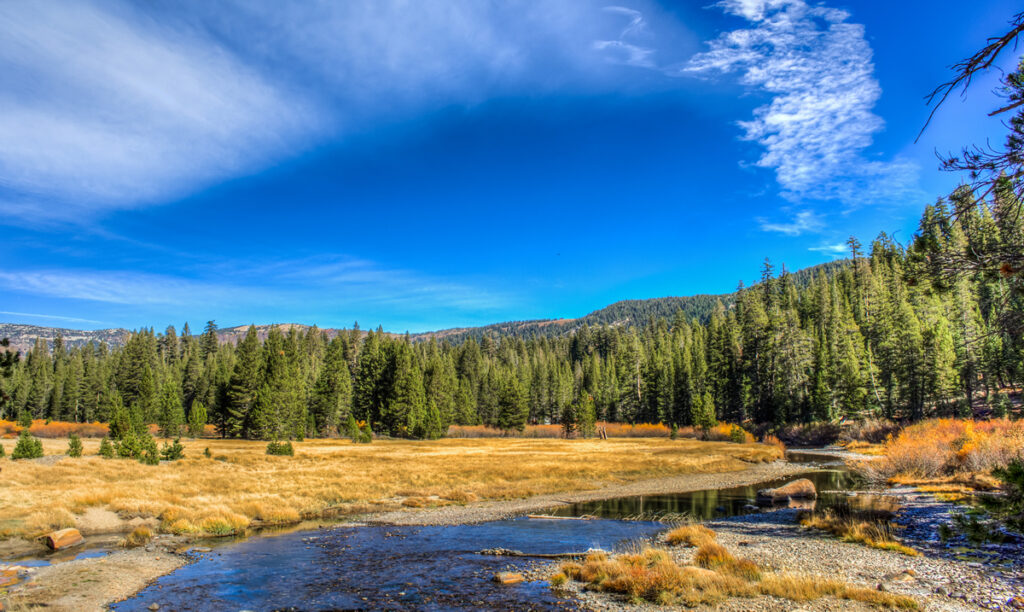
Connect With Rivers
Stay up to date on public lands/rivers issues like the defense of National Monuments and Roadless Areas, National Parks, and Wild and Scenic Rivers.
Across the country, the 31 national monuments designated in the last 30 years directly protect 21,143 miles of rivers across 2,125 watersheds and collectively influence the surface water supplies of 13,392,600 water users. These public lands are our open-air water towers, providing clean water to people and wildlife downstream.
We believe there are places where development can occur. But as a nation, we must continue the successes that we’ve had in conserving our most irreplaceable waterways and landscapes and respecting tribal sovereignty. If you are fortunate enough to have the opportunity to visit some of these special places, go. See, for yourself, some of the best things we’ve done as a country.