

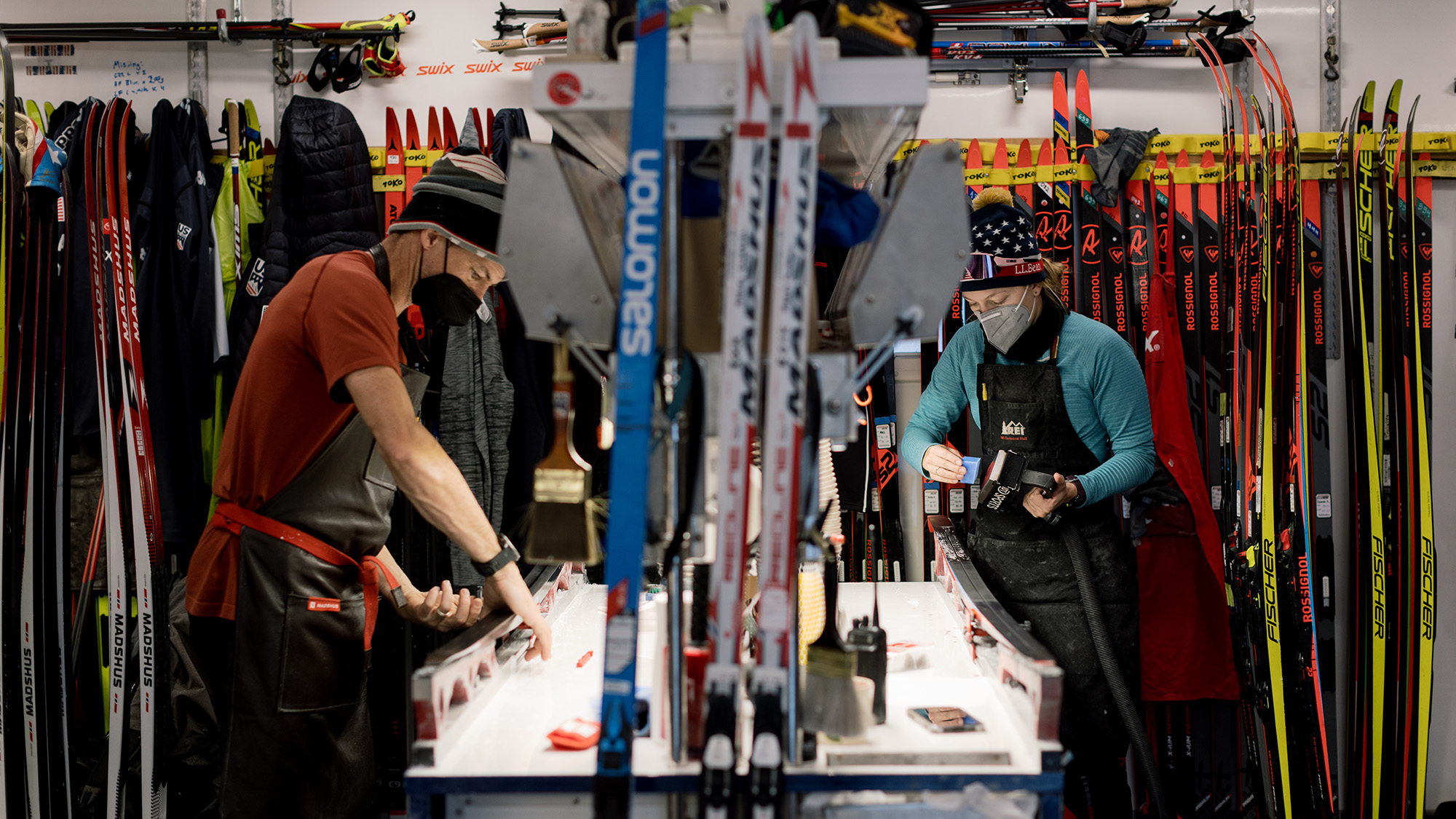
Tim Baucom has done this before. The Milan Cortina Games will be his third Olympics as a wax technician for the United States’ cross-country ski team, a job characterized by long flights schlepping tools and duffel bags of gear halfway around the world, and even longer days prepping skis. His objective is to help American athletes gain even a fraction of a second in competition. But for the first time at an Olympics, he won’t have what was once one of the most powerful tools in his kit: fluorinated ski waxes.
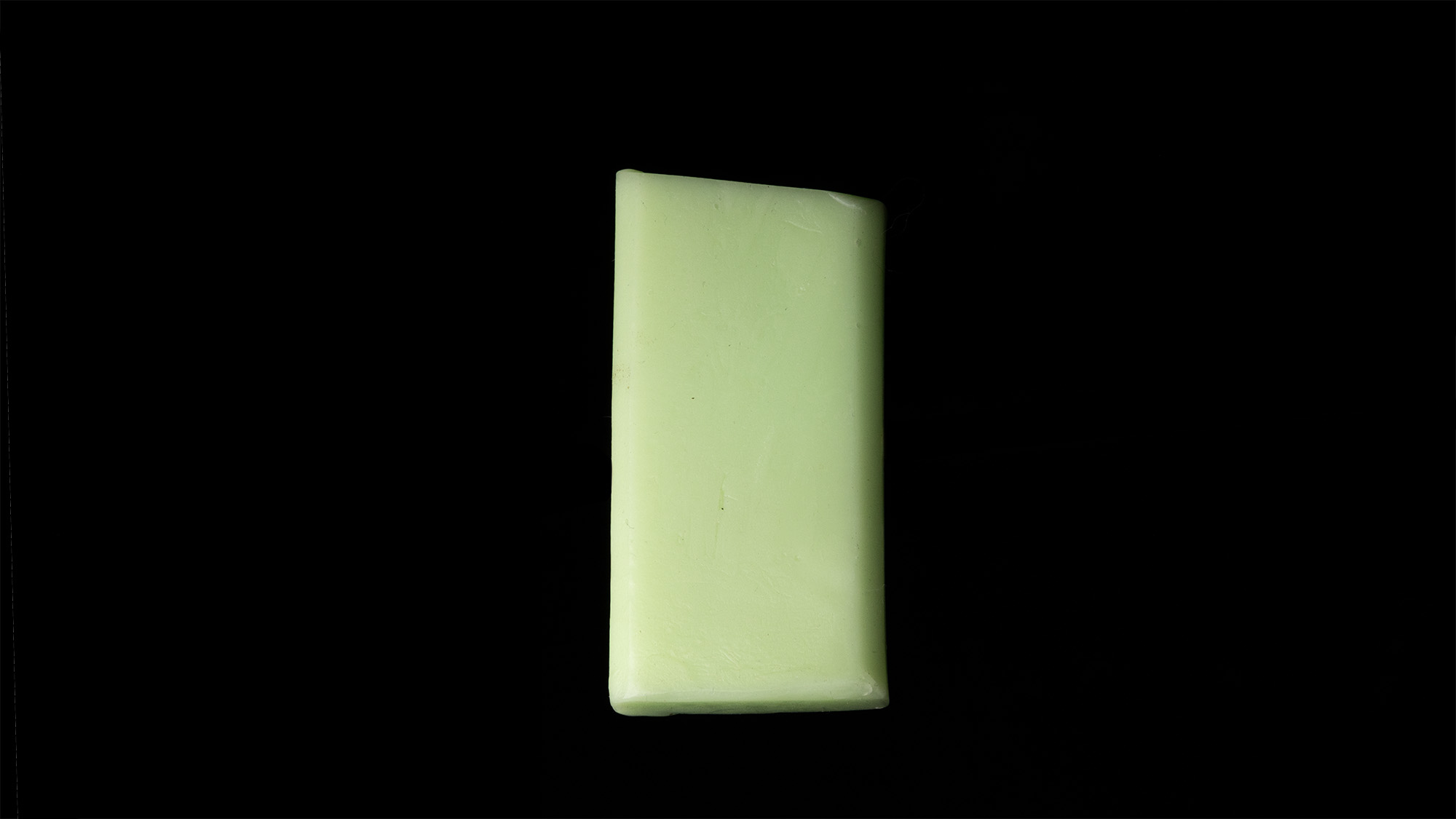
In sports where a gold medal can be decided by inches, downhill and cross-country skiers and snowboarders across the competitive spectrum have used so-called “fluoros” since the 1980s. Typically sold as powders or blocks of hard wax, these lubricants are renowned for their ability to wick water and shed grime, making it easier to glide through snow with minimal resistance, especially in warm conditions. “There’s nothing in the chemical world that I’m aware of that can replicate their hydrophobic and dirt-repelling properties,” Baucom said.
But the reason these products work so well is that they contain PFAS, short for per- and polyfluoroalkyl substances. This class of 15,000 so-called “forever chemicals” is notorious for their harmful effects on human health and the natural world. After years of mounting concern over human exposure and environmental contamination, the International Ski and Snowboard Federation, known by its French acronym FIS, banned the use of fluoros in 2023. “I think it kind of is our duty as a winter sport to have some concern for the environment,” said Katherine Stewart-Jones, a cross-country skier who will represent Canada at the Games, which begin Friday.
Leo Authamayou / NordicFocus via Getty Images
While athletes have had two World Cup seasons to get used to the change, this marks the first Winter Games without the advantage conferred by these once-ubiquitous products. It will be the highest-stakes test yet for racers and wax technicians’ ability to work with products that are less effective and more sensitive to what’s happening on the trails and slopes.
“There are a lot more unknowns with the new waxes,” said Julia Kern, a U.S. cross-country skier who has won two World Championship medals and hopes to add Olympic hardware to her collection. “I definitely think it makes it more challenging.”
Seattle. The technician (1) melts hot wax and (2) irons it deep
into the ski, then (3) scrapes off the excess wax and (4) brushes it into a
smooth layer.
People have been lubricating skis for centuries. The History of Lapland, published in 1704, describes Sámi skiers using pine pitch or rosin to create a smooth, waterproof surface for their wooden skis. By the 1800s, athletes were experimenting with glycerin, whale oil, kerosene, and spermaceti, and the early 1900s brought water-repellent shellacs. In the 1940s, the Norwegian company Swix — a portmanteau of “ski” and “wax” — helped popularize petroleum-derived paraffin waxes.
PFAS proliferated after the 1938 invention of Teflon — the stuff used in nonstick pots and pans — and were added to everything from takeout containers and outdoor clothing to firefighting foam and upholstery. But it wasn’t until the 1980s that PFAS made their way to skiing and snowboarding. These chemicals promised greater speed with less fuss in changing conditions. California entrepreneur Terry Hertel was among the first to dabble with the stuff after buying a fluorocarbon sample from the chemical company 3M. After realizing they made skis “faster than anything before,” he began adding fluorocarbons to his company’s waxes. Companies like Toko and Swix quickly followed.
Nathan Schultz, a former U.S. cross-country racer who now owns a ski shop in Denver, remembers trying fluoro formulas for the first time in the mid-‘90s. “You put that stuff on your skis and it was like you were floating,” he said. Quantifying the exact advantage they conferred was difficult, since cross-country, downhill, and snowboard courses vary widely and race-day conditions differ from season to season. Still, he said, the effects were tangible, especially on wet snow. At first, fluoros were predominantly used by racers at important events because of their high cost. But by the time Schultz retired in 2006, everyone was using them.
“If you tried to do a race without fluorinated wax, you would not be competitive,” Schultz said. “The amount of speed you could buy on your skis was really ridiculous.”

Gary Hovland / Ski Magazine
There was only one problem: The world could no longer ignore the dangers of PFAS. The chemicals were turning up everywhere, contaminating soil, food, and drinking water. Studies increasingly linked exposure to thyroid disease, developmental problems, and cancer.
Baucom experienced that growing awareness himself, first as a collegiate racer and, starting in the late aughts, as a professional cross-country ski tech. Talk of the health risks was swirling through his sport’s often cramped and poorly ventilated wax rooms, where techs heated fluoro wax and ironed it into ski bases, kicking vapors and particulates into the air along the way. Wearing a mask or cracking a window provided only so much protection. “Any time you’re breathing in fumes and smoke, no matter what it is, it’s probably not great for you,” said Baucom, who was concerned about the growing body of research on the chemicals’ health risks. “It was pretty obvious right out the gate that these products have potential carcinogenic components.”
Evidence of the risk mounted throughout the 2010s. One particularly alarming study from 2010 found that PFAS accumulated in the bodies of Scandinavian wax technicians, whose blood levels of the compound PFOA averaged 25 times higher than those of the general population. A 2024 study later confirmed the concentrations in people like Baucom “are among the highest of any occupation investigated to date.”
“There was high exposure intensity, frequency, and duration,” said Kate Crawford, an author of the more recent research and an assistant professor of environmental studies at Middlebury College.
John Steel Hagenbuch, a Nordic, or cross-country, skier on the U.S. Ski Team, recently had his blood tested and discovered his PFAS levels are higher than average. “The main concern with [PFAS] is that they’re so persistent,” he said. “They can remain in your blood or in water for a really long time.”
PFAS’s durability means these chemicals don’t break down as they move from skis to snow and then into the soil and nearby watersheds. The full extent of contamination remains difficult to quantify, but growing evidence suggests it extends well beyond wax rooms.

In 2021, officials in Park City, Utah, detected the compounds in three wells drawing from an underground aquifer, including one near the start line of White Pine Touring Nordic Center race course. At first, water quality specialist Michelle De Haan suspected firefighting foam, but local agencies hadn’t used it. She later came across a study examining fluorinated race lubricants and, of the 14 related compounds identified in the study, 11 matched those found in the city’s aquifer. “That became a clearer picture to us,” De Haan said. While not definitive on its own, the finding suggested a likely link — one echoed by sampling in Europe that has found elevated PFAS levels on ski slopes there too.
The impact can be especially significant when ski racers bring PFAS to places that might not otherwise be contaminated. “In some instances, people would be [using fluorinated waxes] in relatively pristine areas,” said Crawford. “It becomes a relatively significant environmental problem.”
For years, these issues with ski wax lurked in plain sight. But as scientists learned more, the ski and snowboard community found itself caught between the knowledge that fluoros carried serious risks and the desire for easy speed.
David Madison / Getty Images
By the late 2010s, the unease surrounding PFAS had begun to shape policy that impacted, or even targeted, ski waxes. Regulators in the U.S. and Europe restricted some of the most-studied PFAS, in part by requiring manufacturers to get formal approval before using them in new applications. A handful of smaller races implemented their own fluoro bans — “wax truces,” as Schultz described them — though it remained difficult to compete without them in events that didn’t participate.
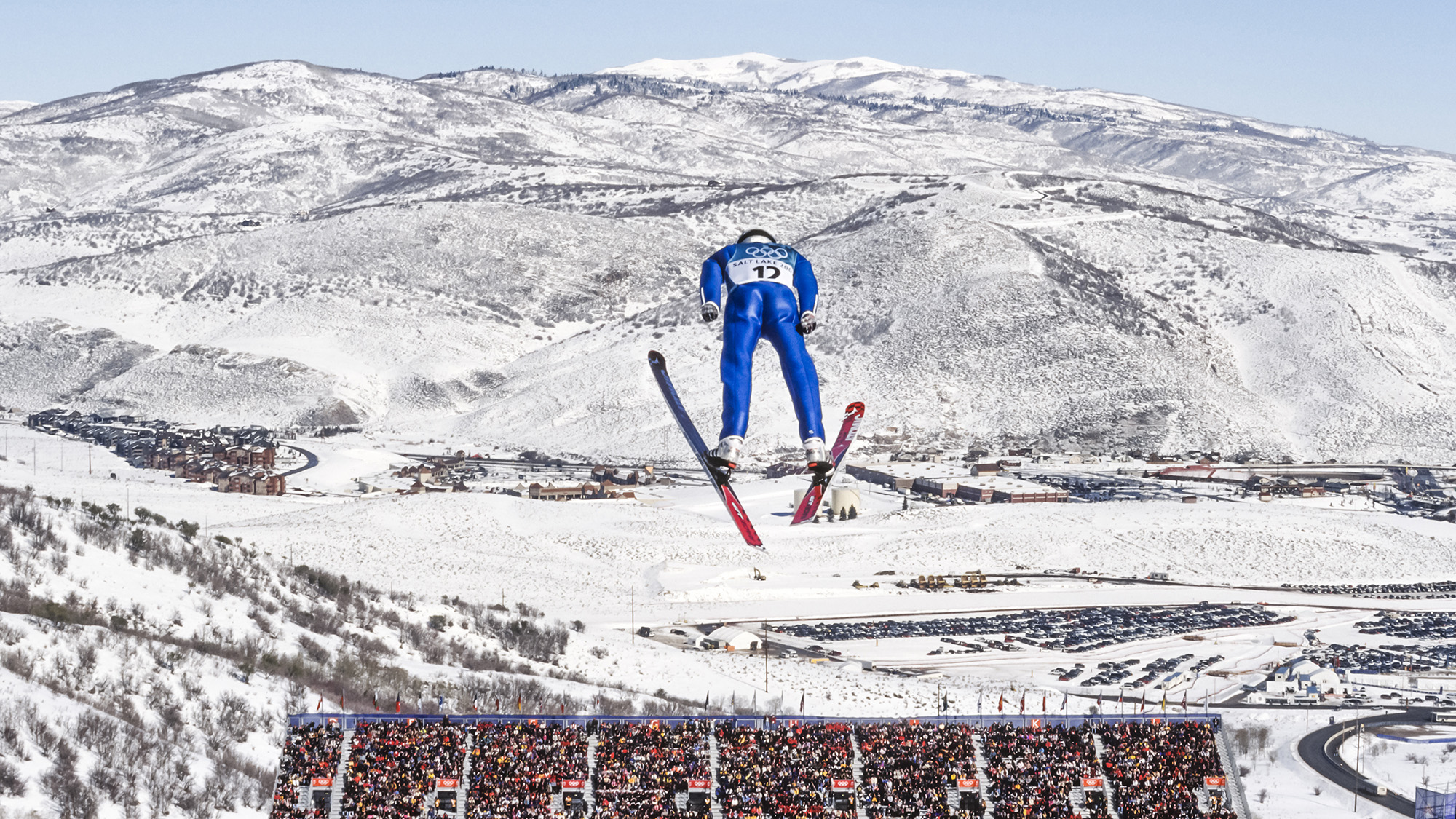
Momentum grew in 2019, when the International Ski and Snowboard Federation, or FIS, announced plans for a blanket ban covering all 7,000 Nordic, Alpine, and snowboard competitions under its purview, including the World Cup. The decision elicited “surprise/shock,” said Lars Karlöf, the sanctioning body’s technical adviser, but it was intended to “limit the environmental impact of our activities as much as possible.”
That’s when Swix disposed of its stockpile of fluoro waxes, says Geoff Hurwitch, commercial director for Swix USA. While he’s not sure exactly how much the company got rid of, or how it did so, he knows it was “a lot.” But, he said, it was no longer in compliance with U.S. Environmental Protection Agency standards and the company knew it wasn’t going to be able to sell it anyway. Jeremy Hecker, chief of operations at the ski division of another wax company, Rex Wax, said the move away from fluoros resulted in up to $30,000 in “dead inventory” — containers of fluoros that have either been destroyed or are collecting dust in storage.
The FIS ban, while announced in 2019, did not take effect until the winter of 2023. Other sanctioning bodies, resorts and even towns across North America and Europe followed suit. Park City, for example, went fluoro-free in 2023 and allowed skiers and snowboarders to swap their stash for eco-friendlier options. TIn the fluoro ban’s first year, the city collected more than 600 pounds of the polluting wax during the ban’s first year.
Leann Bentley / U.S. Ski & Snowboard
Overall, the transition has worked “relatively smoothly,” said Knut Nystad, a wax technician for the Norwegian Ski Association. Kern, the U.S. cross-country skier, attributes that in part to the culture of the sport. “People in the cross-country community are very environmentally conscious,” she said. “They want to have clean water, they value their health a lot.”
That broad buy-in, however, doesn’t mean the change has been seamless.
One complication involves testing and enforcement. Because fluorinated compounds do not break down easily, traces can linger even on skis and snowboards that have been thoroughly cleaned, leading to false positives. But the steepest learning curve has been for the teams as technicians and athletes adjusted to a new generation of waxes.
“It took a while for technicians to learn the new chemistry,” said Julia Mehre Ystgaard, who works withcoordinates Canada’s Nordic World Cup team. Schultz said early fluoro-free waxes were “very inferior” to fluorinated options. “It was kind of crazy,” he said. A ski might feel “pretty good” in one sunny stretch of a course and “terrible” in a shadier section.
The modern alternatives still tend to be slower, and as U.S. cross-country skier Hagenbuch put it, they don’t do as well in late-season snow that’s warm and wet “like mashed potatoes.” He said it has become more common for his team to “miss the wax,” meaning skis aren’t well matched to the day’s conditions. Kern agreed, adding that the effect is especially noticeable on downhills. “You’re right behind [someone] at the top of a hill, and then they just pull away even though you’re in the draft where you should be pulling up on them,” she said.
That impact can be compoundingly decisive: Less glide at the bottom of a hill makes it harder to crest the next one, and less lubrication demands more effort to maintain speed. Suddenly an athlete is off the podium. Alpine and snowboard races are generally much shorter than Nordic events — minutes versus potentially hours — but the high speeds and friction also make wax choice critical.
“Fluoros were easier because fluoros were fast,” Hagenbuch said. “[They] have been referred to as, like, a ‘great equalizer.’”

Dustin Satloff / NCAA via Getty Images
Hurwitch, at Swix, says the new class of waxes are three to five years away from being as fast as the fluoros, and that company chemists are putting in thousands of kilometers of testing to reach that goal. Until then, however, the great equalizer is gone and other determinants of speed have taken on outsize importance. That, of course, includes physical conditioning and technique. You have to “make sure you have the steak first before you add the salt or the pepper,” said Nystad. But choosing the right equipment has become more important too.
The art of grinding skis has become especially critical. The process involves passing a ski or snowboard over stone, to inlay a pattern designed for a specific snow condition, or set of conditions, like a tire tread. Zach Caldwell, a former Nordic racer and owner of a Vermont ski shop, said this is one reason he’s seen a “dramatic” increase in the number of cross-country skis teenage racers buy: so they can have pairs optimized for different circumstances. Baucom, the wax tech, said these pre-wax decisions once accounted for 80 to 90 percent of a Nordic setup’s speed, but without fluoros they now account for as much as 97 percent.
The shift has raised concerns about competitive balance. While fluoros weren’t cheap, they were less expensive than perfecting grinds on an ever-larger armada of skis. Grinding machines alone can cost hundreds of thousands of dollars, and require tremendous expertise to run. Some athletes worry that this gives an advantage to countries like Norway — home to many major ski and wax companies — with deeper research budgets and larger wax tech teams.
Hagenbuch said fluoros “brought the delta between how good people’s skis were together.” Without them, the gaps are remerging. He pointed to a December skiathlon in Trondheim, Norway, where his teammate Gus Schumacher was in contention for a medal yet finished 21st. Something similar happened at a 50-kilometer race last March, where only one athlete on Schumacher’s brand of skis finished in the top 20.
“It wasn’t the wax. It wasn’t the athlete. … That was the skis,” said Hecker, with Rex Wax. And anyone with the wrong skis in Milano-Cortina will almost certainly miss their shot at the podium — something no amount of non-fluorinated wax will fix.
Jesse Nichols / Grist
Even as fluorinated waxes disappear from competition, some athletes and technicians caution against assuming all problems have been solved. Nystad was among several people who noted that there’s no guarantee replacement products are benign. “A lot of people think that a fluoro ban means that now all waxes are healthy and you can almost use it as a jam on your sandwich and eat it,” he said. “But that’s not the case … You could have other chemicals in there that are not equally harmful, but that are harmful to nature and to individuals.”
Because formulas are proprietary, it can be difficult to know exactly what newer waxes contain. They likely include petroleum-derived ingredients that can transfer to snowpacks. Even so, some industry insiders question how much attention wax deserves compared with snow sports’ other environmental implications. “It doesn’t make sense to me to discuss the environmental impacts of this until we have really cleared house on the environmental impact of travel, and the food we eat, and the clothes that we wear,” Caldwell said.
Ski and snowboarding wax is also a minor contributor to the PFAS problem, globally. Crawford called it a “comparative drop in the bucket,” pointing to the fact that almost all commercial carpeting in the world is laden with PFAS. But the relative success of the ban in ski waxes is unique and could offer lessons — and hope — to anyone trying to get the chemicals out of other products.
“There are always options,” said Hurwitch, noting that none of Swix’s new products — from outerwear to waxes — contain PFAS. “The water repellency in jackets may not be as good as it was with a PFAS based product but it’s still a great product. The wax may not be quite as reliably fast, yet, but for the vast majority of us skiers, it’s still plenty fast. It will come though.”
The Olympic cross-country schedule begins Saturday with the women’s skiathlon. Kern will be racing at her second Games in temperatures that are expected to hover around freezing, where wax could be crucial. “We’re pretty much always testing skis,” she said. “We have to rely on and trust our wax team.”
Hagenbuch will make his Olympic debut in Milan Cortina. The ban creates additional stress, he admits, but he believes it’s worth it. “For Tim and the other service technicians and for me and for our groundwater and for the environment, yeah, I think it’s good that we don’t do fluoros,” he said. “Do I miss them? Yeah, a little bit.”

