In 2025, people around the world kept finding ways to protect wildlife — life that often survives in small, astonishing pockets: a wetland alive with unseen creatures, a forest shaped by a single river, a reef holding together an entire coastline.
Our top biodiversity stories of 2025 take us from Mexico City’s Xochimilco wetlands, where scientists and farmers are working together to save a rare salamander, to a family farm in the Amazon finding global culinary success through sustainable practices, and a town in China that has made conservation the heart of community life.
You can advance this work in 2026 — backing the people and ideas that are helping nature recover and endure.
Here are some top highlights from the year:
To save a dying forest, this town dug in
On a slender islet off Mexico’s Yucatán coast, the construction of a road split a mangrove forest in two — one side remained teeming with life, the other was salty and bare, cut off from the tides. As the local fishing community faced an uncertain future, residents — with support from Conservation International — began digging new tidal channels by hand to let the water back in. Today, signs of life are returning, as flamingos return to the degraded mangrove forest after a years-long absence.
Axolotls are on the brink. Can we bring them back?
Axolotls are having a moment. From TikTok to Minecraft, these friendly-looking salamanders with frilly gills are showing up everywhere. But in the wild, axolotls are dangerously close to disappearing. Their native habitat has shrunk to a single lake system — Xochimilco, just outside Mexico City — where water pollution, habitat loss and invasive species have pushed them to the edge of extinction. To rescue their shrinking habitat, Conservation International is helping to revive an ancient farming culture that has endured here since the time of the Aztecs.

How a family farm in the Amazon landed on the world’s best menu
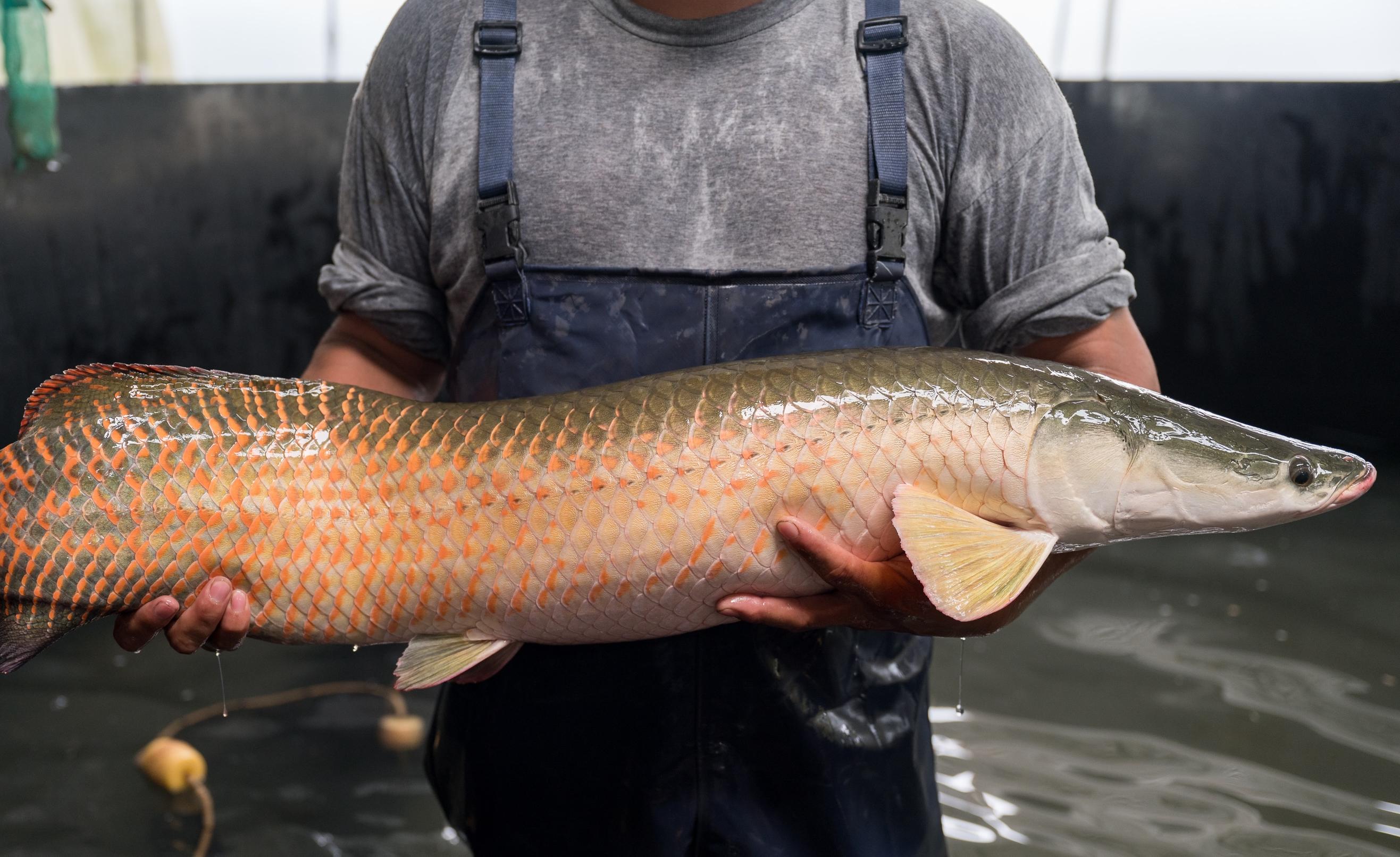
On a remote family farm deep in the Amazon, a father and son once cleared land to grow rice and raise cattle. Today, they’re helping reshape the future of sustainable aquaculture in Peru — supplying one of the world’s top restaurants with paiche, a massive Amazonian fish that has been pushed to the brink by overfishing across much of its range. As streams and wildlife returned to the land, neighbors watched — and began to change their own practices.
Candid cameras catch a glimpse of rare wildlife
On an expedition to a remote Philippine island, a team of Conservation International scientists caught fleeting glimpses of rarely seen life — elusive, endangered frogs; mysterious rodents foraging at camp; and alien-looking invertebrates — and found new reason for hope in a country where many species are on the brink.

A community unites to revive China’s largest freshwater lake
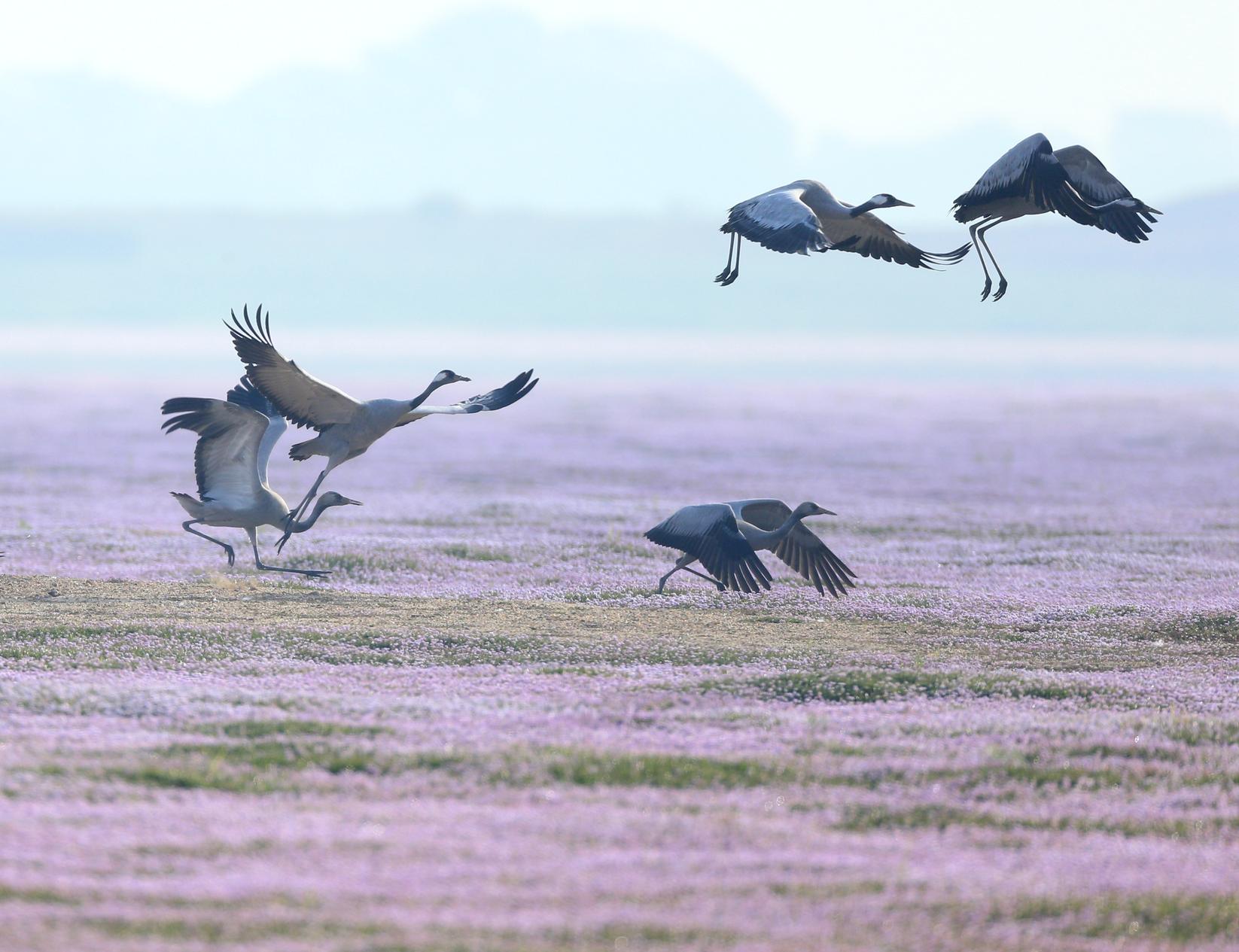
For China’s Poyang Lake, the calendar dictates the coastline. In summer, it swells into a vast inland sea. By winter, it nearly disappears, shrinking into marshes and mudflats that support rare migratory birds and other wildlife. But as climate change and altered river flows cause that rhythm to falter, a local community is coming together to protect China’s largest freshwater lake. Meet the unlikely allies — a retired doctor turned bird healer, a new generation of schoolchildren and local conservationists — rallying to restore nature.