

Have you heard the news? We’re making headlines around the world. Here’s a taste of the stories our work has inspired over the past few weeks.
AFP: Study finds Indonesian hotspots are ‘like home’ for endangered whale sharks
Where the world’s largest fish goes to feed, reproduce and grow has long been shrouded in mystery. Now, a new study led by Konservasi Indonesia — Conservation International’s local partner — is uncovering important clues about whale shark migration.
Scientists tracked more than 70 Indo-Pacific Whale Sharks across waters spanning 13 countries and the high seas. They found that two locations in Indonesia are among the only known habitats where whale sharks live year-round.
Another finding hints at why a species the size of a school bus has been so difficult to track — their wayward migrations take them in unpredictable directions, including into the high seas, areas of the ocean beyond any one country’s control. The study authors say cooperation between nations is essential to protect the endangered species as they travel through international waters. This story was featured in CNN, National Geographic, Mongabay and more.
Mail & Guardian: Africa’s rangelands emerge as biggest climate opportunity in new nature roadmap
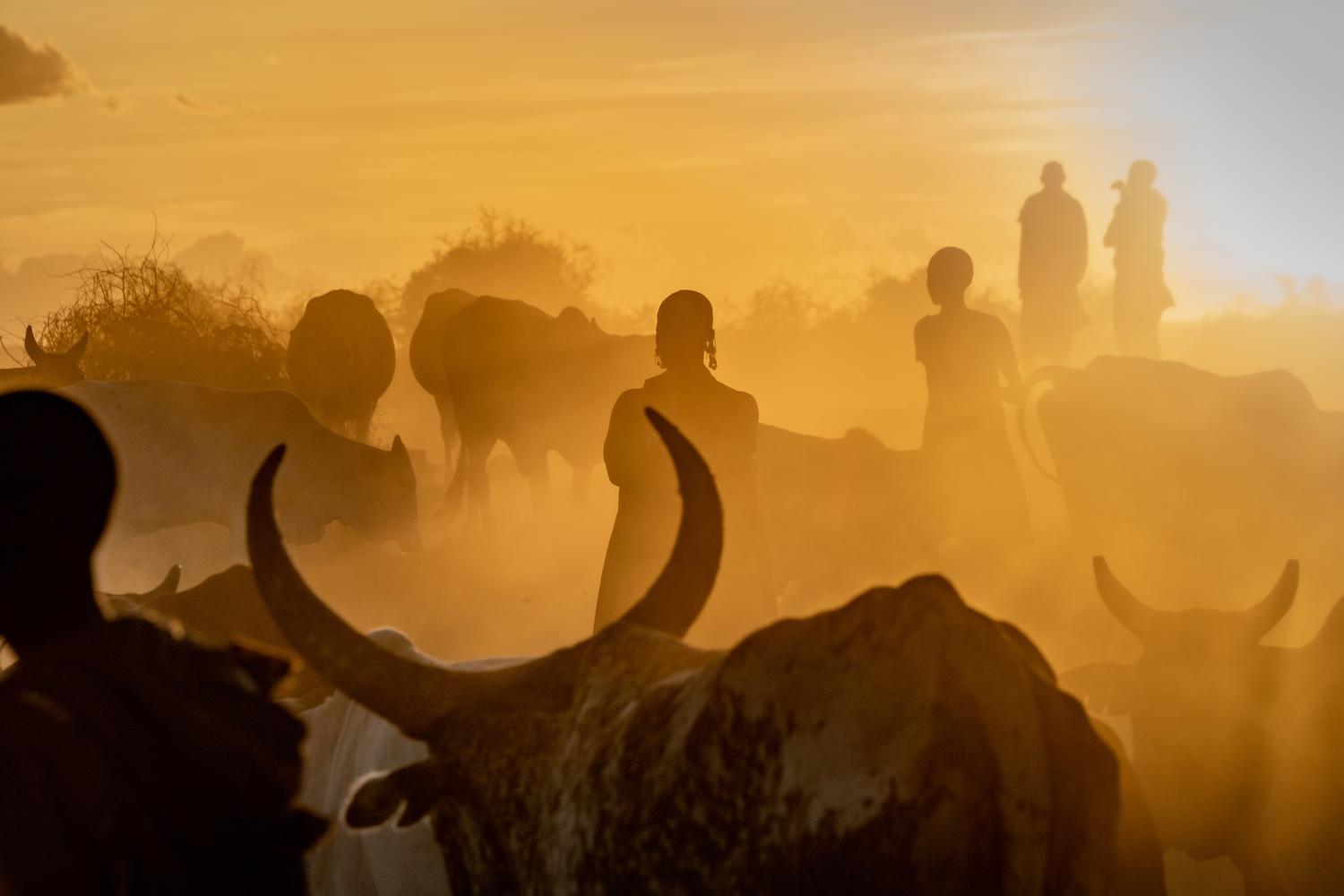
Improving livestock and fire management across Africa’s savannas and grasslands could store up to 11 gigatons of carbon dioxide by 2050 — roughly a fifth of current annual global emissions, according to a new report from Conservation International.
While Africa has historically contributed minimally to the climate crisis, it faces some of the world’s most intense climate-fueled droughts, floods and heatwaves, the report says. “For too long, global climate policy and finance have treated Africa as an afterthought,” said Conservation International’s Chief Field Officer in Africa, Jimmiel Mandima. “This roadmap seeks to change that.”
Women Wear Denim: Bestseller Supports South African Regenerative Agriculture Program
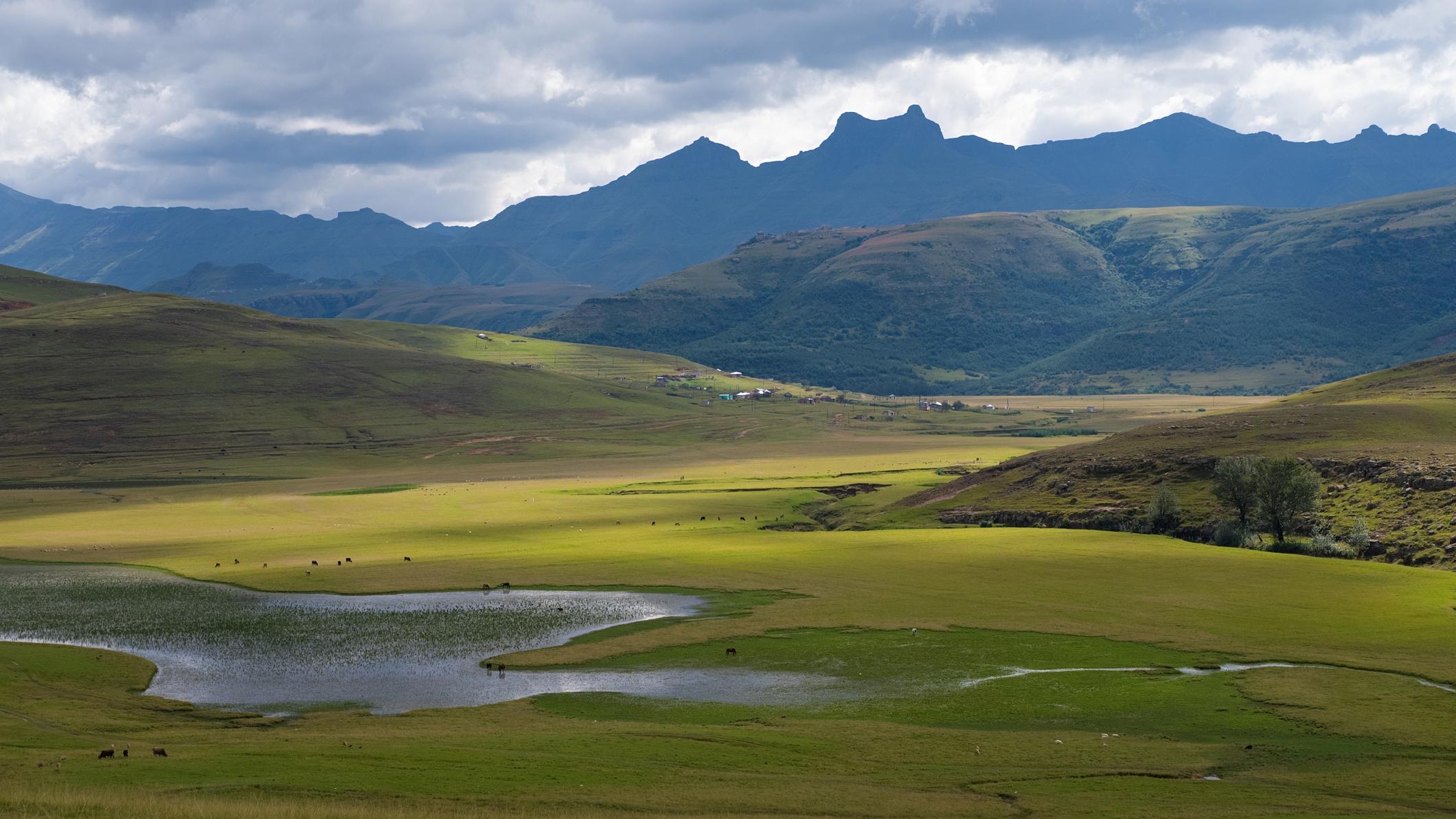
Conservation International’s Regenerative Fund for Nature just received a big boost. Global fashion brand Bestseller committed US $3 million to the fund, which is already helping farmers adopt sustainable farming practices across more than 1 million hectares of land, benefiting over 100,000 people.
The funding will support efforts in South Africa’s Eastern Cape, where healthy grasslands support far more than livestock; they are essential to water security, biodiversity and the well‑being of rural communities. By working with herders to restore grazing practices that follow natural ecological cycles, the project aims to strengthen the region’s long‑term resilience.

