

Turn on your tap, and there’s a good chance the water started high in a national forest. That’s no accident: the 1897 law governing our national forests made protecting water flows a core purpose. After a century of road building for logging and mining, the 2001 Roadless Area Conservation Rule set out to protect a small percentage of National Forests with intact, backcountry watersheds known as Inventoried Roadless Areas.
Those lands safeguard 80,000 river miles, supply drinking water to 25 million Americans, and shelter some of the last native trout and wildlife strongholds. The U.S. Department of Agriculture (USDA) is seeking to repeal the rule, in what would be the largest rollback of river protections in U.S. history. The good news is that 1.6 million Americans, including many of you, have weighed in during the initial public comment period which ended on October 6th calling on the USDA to retain these existing protections for our rivers and clean water.
Protection of our public lands built by the public
The Roadless Rule was finalized in 2001 after hundreds of public meetings and roughly 1.6 million public comments, overwhelmingly in support. It covers about 58.5 million acres, nearly a third of the National Forest System, and generally bars new roads and commercial logging. It doesn’t close existing roads or trails, and it already allows for wildfire suppression and fuel reduction. Colorado and Idaho have their own state rules; everywhere else, the 2001 rule is the backstop.
Roadless Rule Fast Facts
-
80K+
miles of rivers and streams are protected by Roadless Areas in the lower 48 states.
-
25M+
people get their drinking water from watersheds influenced by Roadless Areas.
-
44.7M
acres could lose nationwide Roadless Rule protections under the proposed repeal.
-
1.6M
comments were submitted during the comment period which ended october 6th.
The push to roll it back
So how did we get here? Last year, U.S. Agriculture Secretary Brooke Rollins announced that USDA wanted to scrap the rule. When the Forest Service opened the process in August 2025, people showed up: advocates counted roughly 600,000 comments, nearly all urging the agency to keep the rule.
USDA pressed ahead anyway. This August, it proposed repealing the rule outright and released a 333-page draft environmental impact statement (EIS). It looked at a middle option that would keep protections on about 13 million acres, but made it abundantly clear it prefers full repeal.
The public got about a month to respond. After conservation groups pushed back, USDA added 15 days, and comments closed October 6. Over 1 million people across the country weighed in.
If repeal goes through, about 44.7 million acres, including Alaska’s Tongass National Forest, would lose national protection.
Let’s Stay In Touch!
We’re hard at work for rivers and clean water. Sign up to get the most important news affecting your water and rivers delivered right to your inbox.
Where our water comes from
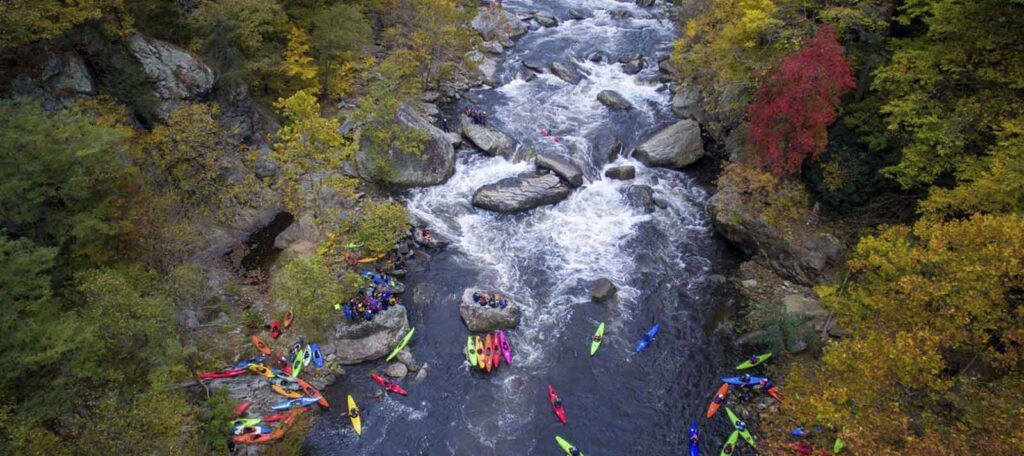
Roadless Areas are headwaters, and what happens there flows downstream to everyone else.
A peer-reviewed study published in PLOS Water in July, led by Dr. Julian Olden, our partner and University of Washington scientist, found that roadless areas protect more than 80,000 miles of rivers and streams in the lower 48 states. That water reaches at least 25 million people, from Salt Lake City, Las Vegas, and Los Angeles to towns in West Virginia, North Carolina, and Vermont.
Roads are a leading source of sediment in forested watersheds. That sediment clouds water, fills reservoirs, smothers trout and salmon spawning beds, cuts into wildlife habitat, and drives up treatment costs that land on ratepayers’ bills. An intact, forested watershed is the cheapest water filter a city will ever have.
Wildfire, rivers, and clean water
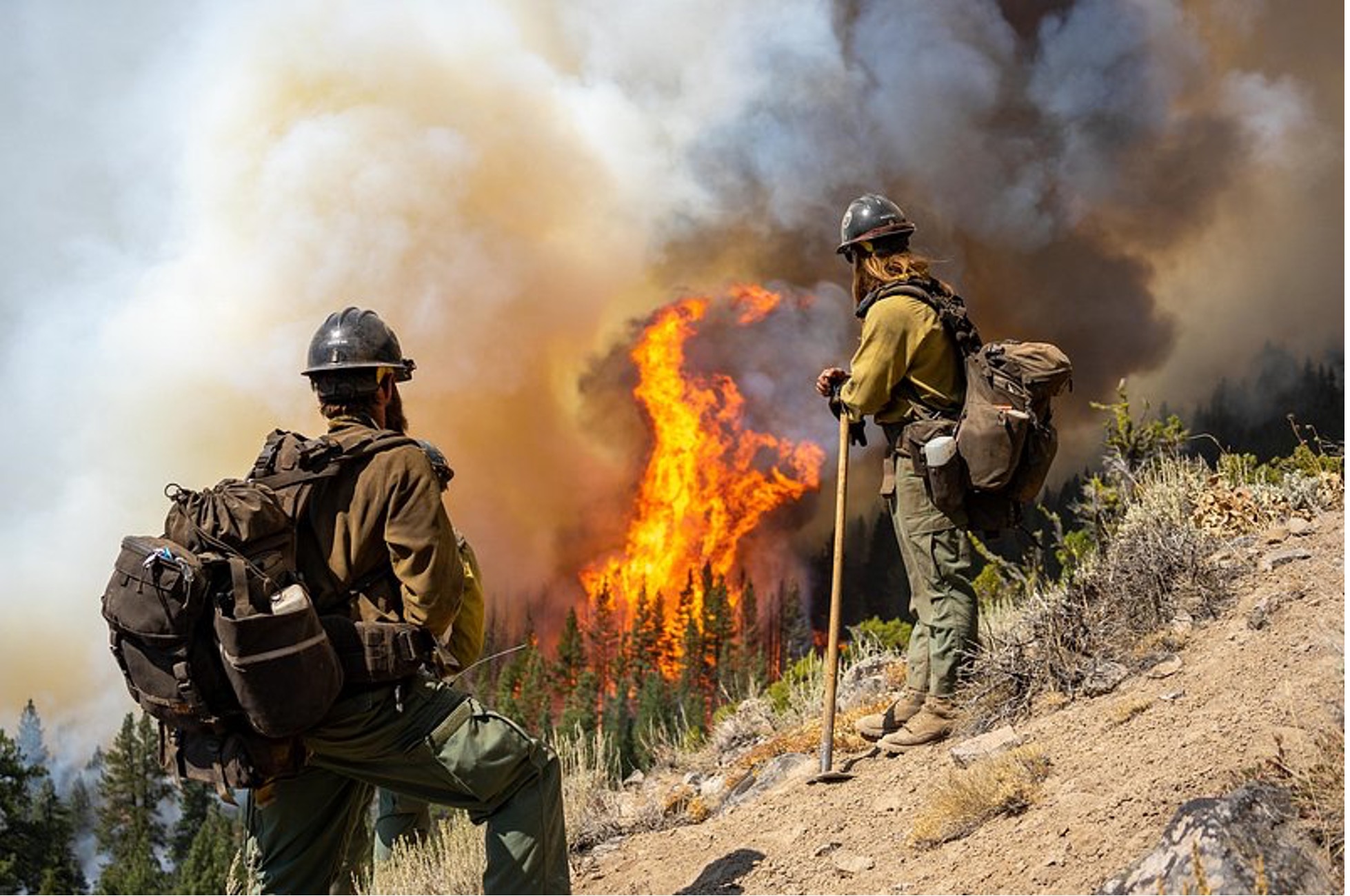
USDA’s main argument for repeal is wildfire. But fire, rivers, and drinking water are tightly linked, and roads make that relationship worse, not better.
As American Rivers has documented, research shows wildfires are about four times as likely to start in roaded areas as in roadless ones, and more than 90 percent of fires start within half a mile of a road. Roads bring people, vehicles, and equipment, and with them, sparks.
The Forest Service’s own analysis agrees. It acknowledges that road density is linked to human-caused wildfires, and that ignitions become more likely and more frequent as road density rises. Put simply: more roads, more wildfire.
Healthy watersheds, by contrast, soak up rain and help buffer communities against fire and flood. We already have 371,000 miles of roads on National Forests, according to the U.S. Forest Service, which is seven and a half times the length of the Federal Highway system nationwide and 15 times the distance around the earth. The Forest Service currently receives less than 20 percent of the money it needs to maintain this existing massive road system.
Water utilities see the connection
The people who deliver our drinking water know how much depends on what happens upstream on federal land. The Association of Metropolitan Water Agencies represents the largest publicly owned metropolitan drinking water systems in the US, with their member organizations supplying drinking water to over 150 million Americans —, nearly half of the country. Their CEO, along with many other organizations representing major water providers, such as the Arizona Municipal Water Users Association, sent a letter to Brooke Rollins and USDA making their position clear. The first sentence reads: “On behalf of the undersigned, we urge the U.S. Department of Agriculture (USDA) to withdraw the proposed rescission of the 2001 Roadless Area Conservation Rule and select Alternative 1, the No Action Alternative, to maintain a nationwide rule.” The agency also received comments from the County of Santa Barbara, California, the Salt Lake City Public Utilities Department, and the county of Shenandoah Virginia—all asking the USDA in the to abandon this misguided rulemaking and keep the 2001 Roadless Rule in place.
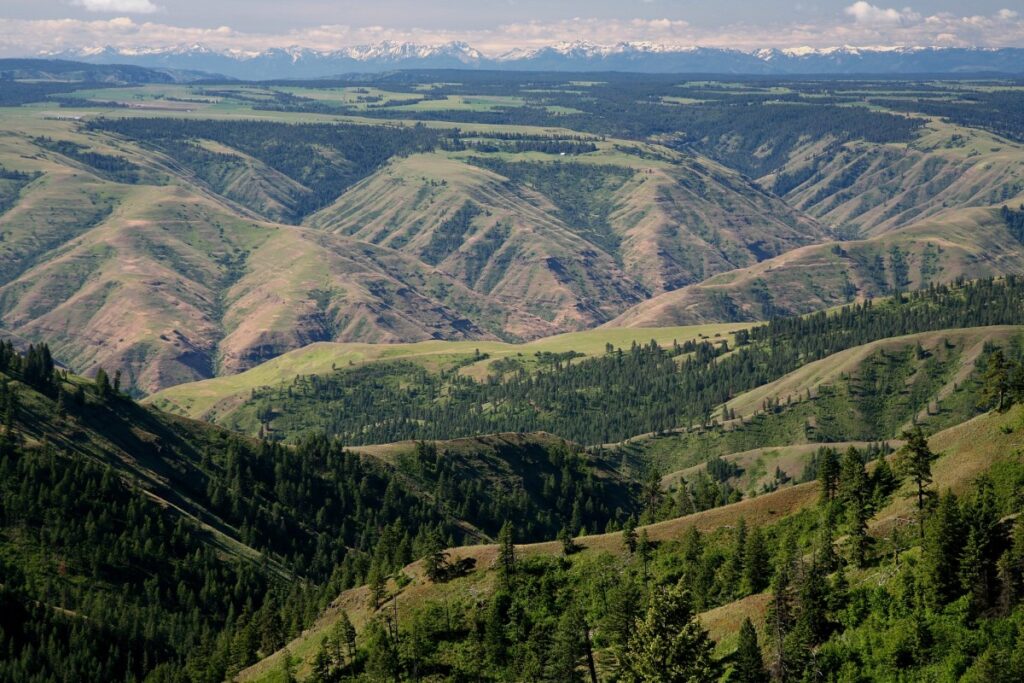
The good news is that cities and public water utilities around the country have been weighing in to let Brooke Rollins and the USDA know that they oppose the repeal of the Roadless Rule because of the harmful effects on rivers and clean water, including the Association of Metropolitan Water Agencies, which represents agencies that provide drinking water for over 160 million people across the country. The City of Walla Walla, Washington is another great example: Walla Walla draws its water from the Mill Creek watershed in the Umatilla National Forest, and in September, the city council voted unanimously to oppose repeal, warning that roads and logging could worsen erosion and fire risk and raise treatment costs for more than 35,000 residents. These agencies and communities understand a simple truth: protecting headwaters is far cheaper than cleaning up after the damage.
What happens next?
- A final decision. The Forest Service must respond to substantive comments, then issue a final EIS, final rule, and record of decision. The USDA was targeting late 2026 for a final decision, but since the public comment period was delayed by five months, it is likely we will not see final action until spring of 2027.
- Legal challenges. State attorneys general and conservation groups have signaled they’re ready to go to court.
- Congress. The Roadless Area Conservation Act would make the 2001 protections law, beyond the reach of any single administration.
Stand up for clean water
The Roadless Rule has lasted 25 years because the public keeps defending it. At stake: 80,000 river miles, drinking water for 25 million people, native trout habitat, and half a million days of hunting and fishing a year.
Contact your members of Congress
and ask them to cosponsor the Roadless Area Conservation Act.
Find your drinking water
using this online mapper and learn whether your supply starts in a Roadless Area on a National Forest.
More than a century ago, we decided our national forests should protect our water. Roadless Areas are where that promise still holds, and where our drinking water begins.