

More than two decades ago, Where Rivers Are Born helped establish the scientific case for protecting the small streams and wetlands that form the backbone of our river systems. This newly updated edition—developed by the University of Georgia’s River Basin Center in collaboration with leading freshwater scientists and American Rivers—reflects more than twenty years of additional peer-reviewed research on how headwaters function and why they matter.
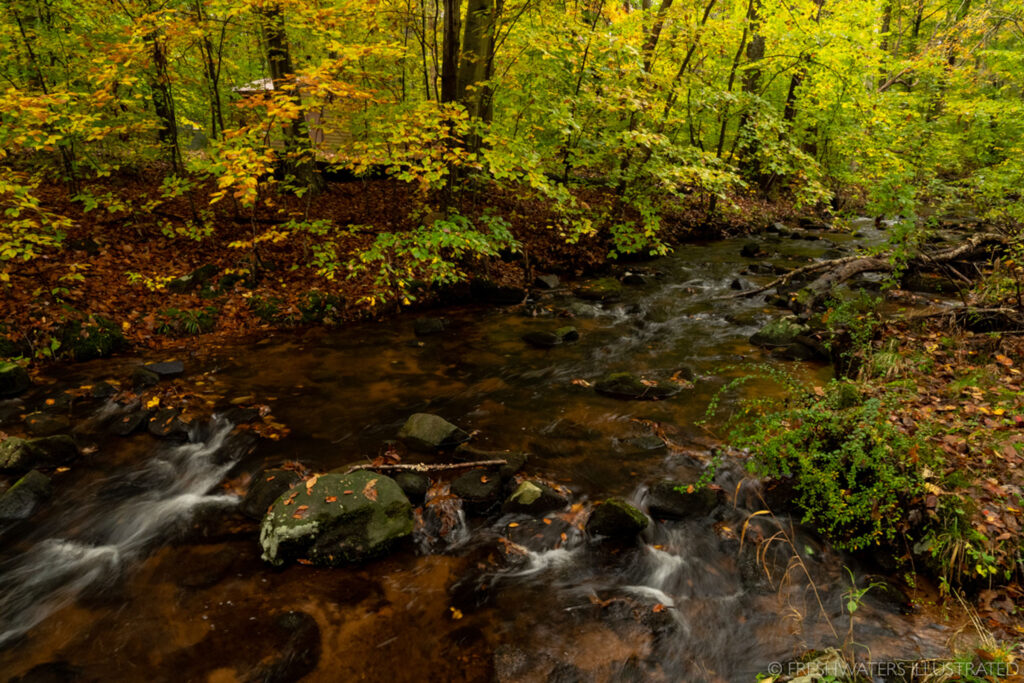
The conclusion is even clearer today: rivers don’t begin where we boat, fish, or swim. They begin quietly—often invisibly—in small streams, wetlands, and seasonal channels that lace together our landscapes. These headwaters make up the vast majority of our stream networks and are essential to clean water, flood protection, biodiversity, and reliable water supplies downstream.
Drawing on hundreds of studies published since the original report, Where Rivers Are Born documents how small streams and wetlands slow floodwaters, recharge groundwater, trap sediment, and naturally cleanse pollution before it reaches downstream rivers, lakes, and drinking water sources.
The report shows that intermittent and ephemeral streams—many of which flow only seasonally—are especially effective at processing excess nutrients that otherwise fuel harmful algal blooms. It also explains that wetlands often labeled “isolated” are typically connected through groundwater and subsurface flows, playing a critical role in maintaining water quality and streamflow. Collectively, these headwaters support extraordinary biodiversity, store carbon, and sustain the ecological and economic benefits people depend on from downstream rivers.
Congress must reinstate federal protections for all streams and wetlands
Tell Congress to recognize the value all streams and wetlands. These waterways deserve federal protections, and Congress must reinstate these key protections to the Clean Water Act.
That science stands in direct conflict with the EPA’s proposed Waters of the United States (WOTUS) rule. As we’ve written before, the rule relies on narrow legal interpretations that ignore how water actually moves across landscapes, excluding non-perennial streams and most wetlands from Clean Water Act protections. Where Rivers Are Born makes clear why this approach is so risky: removing protections from the very waters that filter pollution, moderate floods, and sustain river flows undermines the integrity of downstream waters the Clean Water Act is meant to protect.
Simply put, you cannot protect rivers by abandoning their sources—and any WOTUS rule that does so abandons both the science and the purpose of the Clean Water Act.

