

With misinformation, viral stories, and AI‑generated content showing up everywhere students turn, teaching news literacy can feel both urgent and overwhelming. That’s where Checkology® from the News Literacy Project comes in. This engaging, expert‑developed digital platform helps students learn how to evaluate information, understand algorithms, and think critically, without telling them what to think.
Checkology combines interactive lessons, real‑world videos, posters, quizzes, and classroom slides to make news literacy feel relevant and accessible for today’s students. We asked Amy Brownlee, a middle school reading teacher and librarian from Kansas, to try Checkology with her students and see how it works in a real classroom.
Here’s her Teacher Picks review and why she believes Checkology is a powerful, low‑prep tool for helping students build essential life skills.
For which grade levels and subject areas do you think Checkology is best suited?
Checkology is for students in grades 6 and older and fits well in social studies, ELA, journalism, and library media classes.
Does Checkology align with any specific standards or curriculum guidelines that you know of?
Checkology resources help students develop critical thinking skills and evaluate information. Here are just a few Common Core ELA standards met through Checkology lessons:
Reading Standards (Informational Text)
- CCSS.ELA-LITERACY.RI.7.8: Trace and evaluate the argument and specific claims in a text; assess whether the reasoning is sound and the evidence is relevant and sufficient.
Writing Standards (Research & Sources)
- CCSS.ELA-LITERACY.W.7.8: Gather relevant information from multiple print and digital sources, using search terms effectively; assess the credibility and accuracy of each source.
Speaking & Listening Standards
- CCSS.ELA-LITERACY.SL.8.2: Analyze the purpose of information presented in diverse media and evaluate motives (e.g., social, commercial, political).
How did you use Checkology in your classroom?
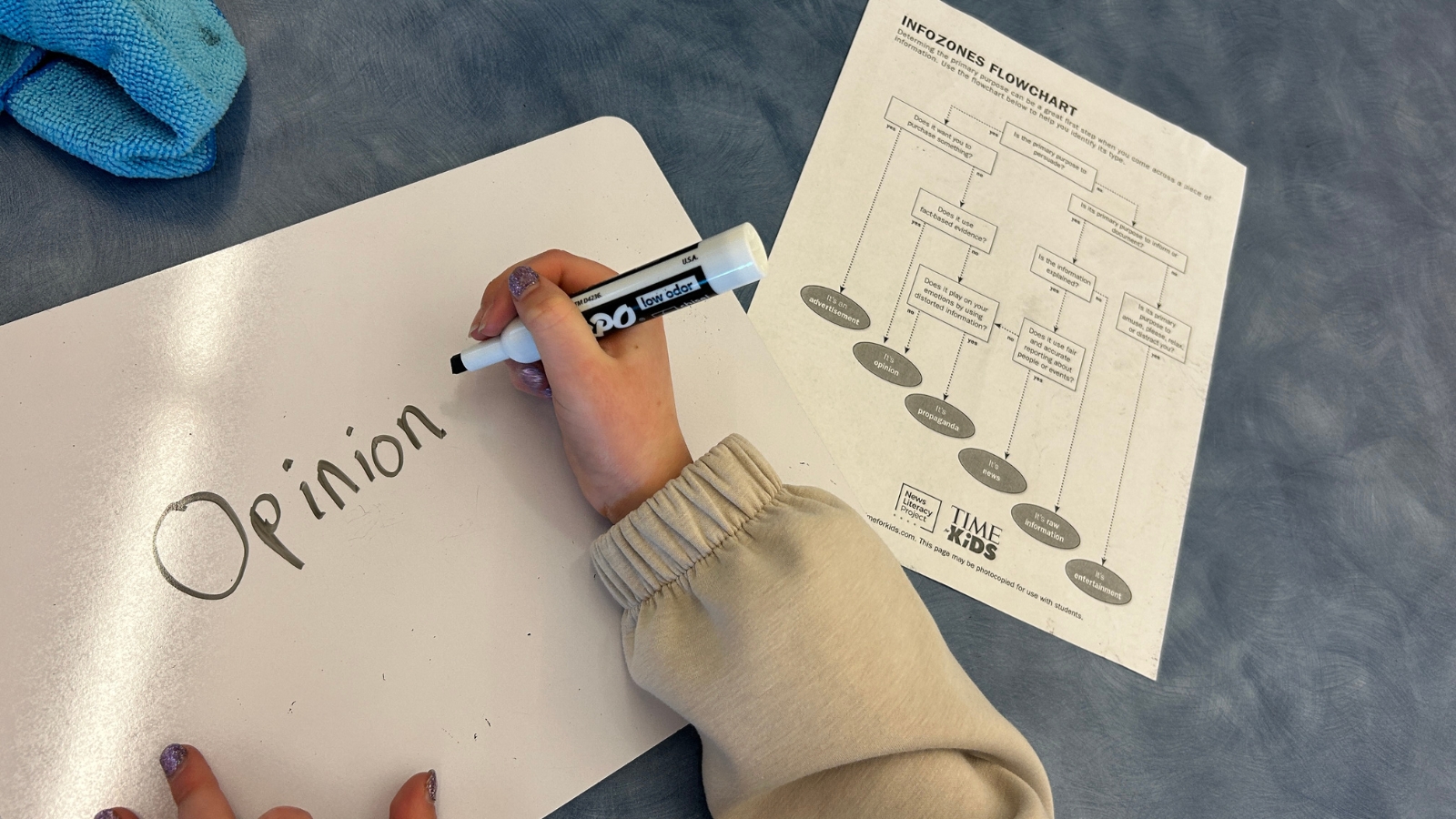
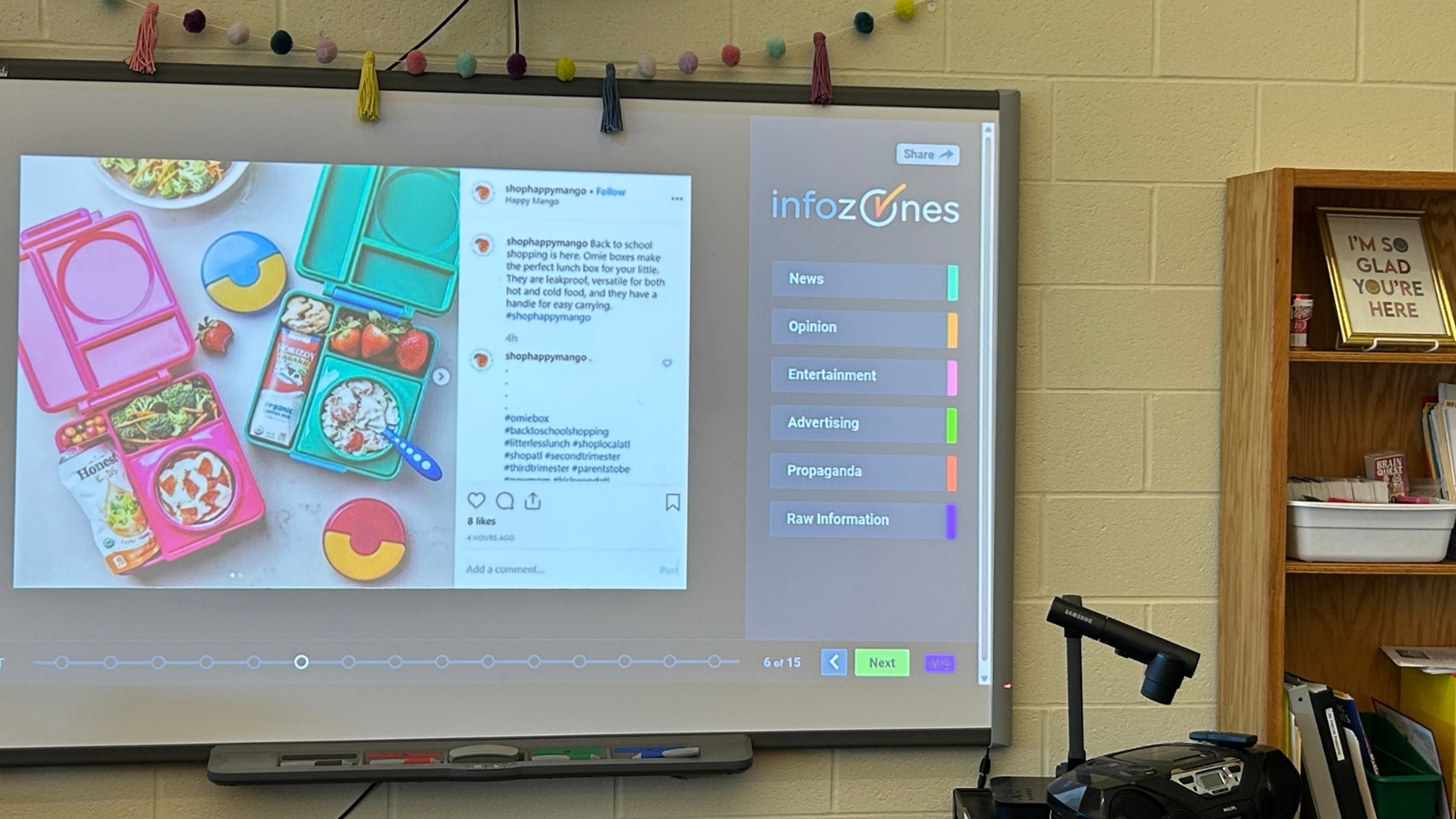
I used the InfoZones activities with 6th graders. This unit teaches the definitions of terms including news, advertising, opinion, propaganda, entertainment, and raw information. The lesson includes a definition anchor chart as well as a flowchart to support students as they determine which type of information is included in each example.
How did your students react to the lesson?
They loved the interactive elements in Checkology and really responded to the authentic, real-world examples of ads and social media posts. They were really drawn to the videos and wanted to watch them over and over. Some students even asked if they could use Checkology during their free time, which speaks highly of the engaging content.
How would you sum up your overall experience with Checkology?
I loved using Checkology resources because they are high-quality, low-prep, and engaging for students. Determining the purpose and credibility of online information is an essential part of everyday life, and Checkology leads the way in helping students learn this vital skill.
I was surprised to see how many students had trouble identifying advertisements. It really reinforced the importance of teaching news literacy lessons.
On a scale of 1 to 5 (1 = very difficult, 5 = very easy), how easy was it to use Checkology in your classroom and/or lesson? Why did you give it that rating?
I rate Checkology as 5/5 as it was very easy to implement in my classroom. Lesson plans are detailed and include all the pieces you need to implement the lesson right away. Checkology even includes ready-built units that you can assign as a whole, or you can select just the lessons that suit your needs.
What were the top two features you liked most about Checkology?
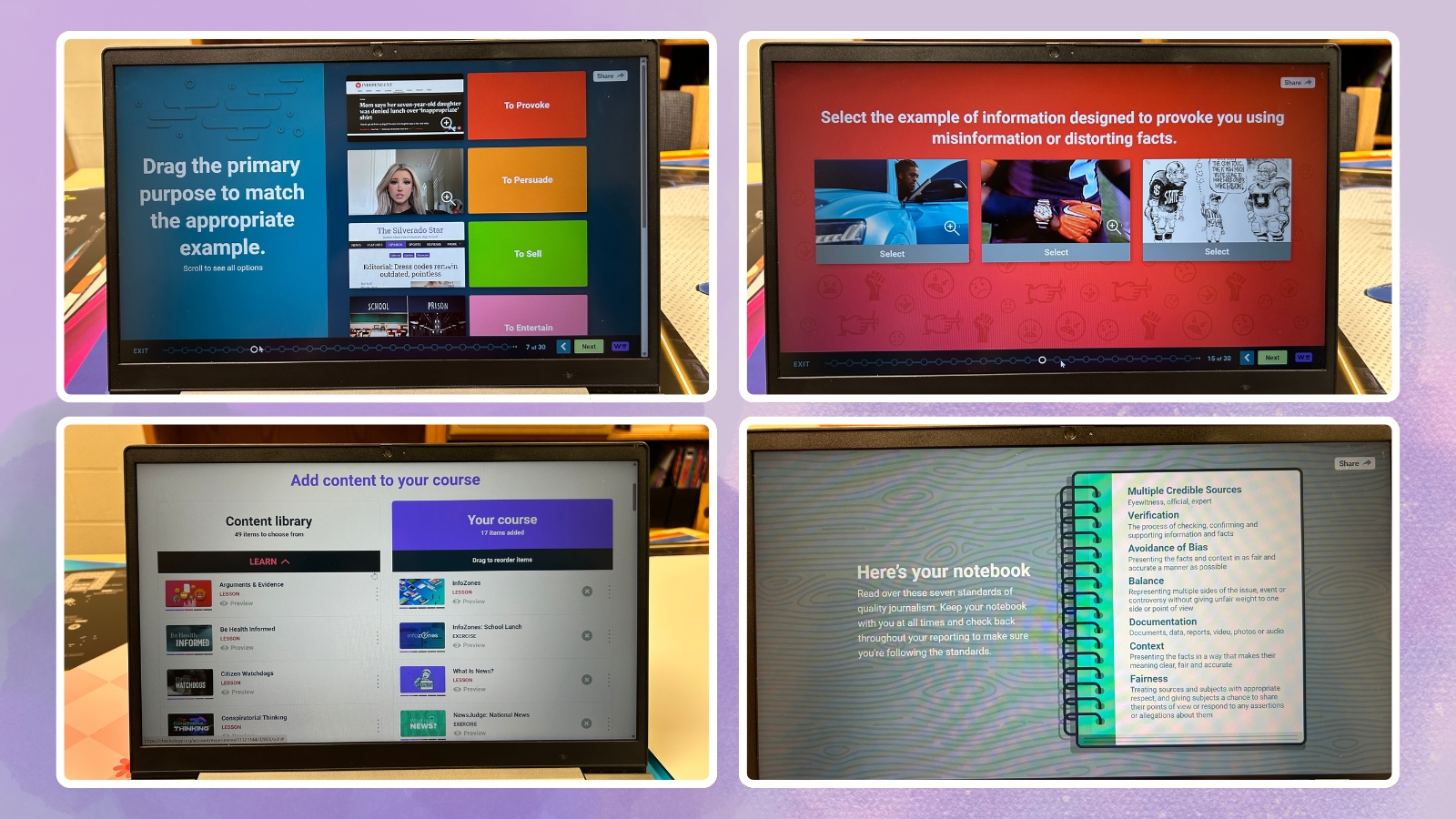
I really like the detailed, high-quality, ready-to-use lesson plans and the interactive activities that can be used individually by students on their own devices or whole-group through projecting the teacher’s screen.
Checkology is unique because it uses real videos, ads, articles, and social media posts. Students immediately engage with the real‑life examples. The examples are also up-to-date and relevant to students.
With other resources, students can get bogged down in text-heavy content, but Checkology is highly interactive and holds students’ attention.
How will Checkology save you time or make teaching easier?
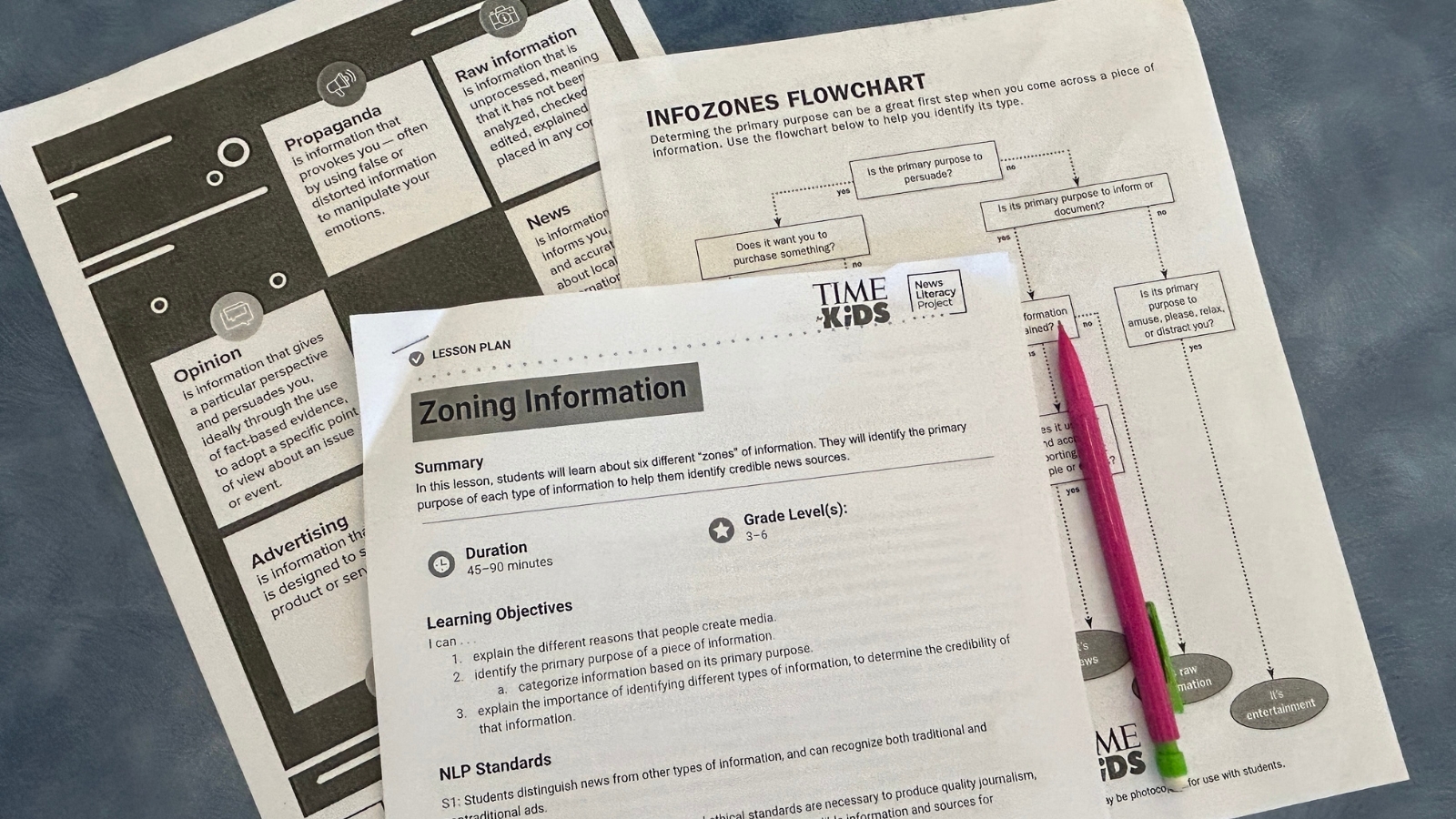
Checkology includes all the elements needed for the lesson. They provide high‑quality materials that require no prep. The single sign-on option makes it easy for students to log in using Google, Microsoft, or Clever credentials.
How do you plan to use Checkology again in the future?
I will definitely continue to use the InfoZones lessons and the Practicing Quality Journalism activity with students in the future. Both cover important standards in a highly engaging way.
Watch Amy’s review of Checkology below:
They reinforce the skills students practice in Checkology and provide an easy, visual way to keep news literacy, source evaluation, and critical thinking front and center all year long.
Teacher Picks is a sponsored program available from We Are Teachers. All opinions shared in the review are honest and based on the teacher’s direct experience. To learn more about our guidelines and review process, click here.

