

In 1997-8, a powerful El Niño event spread across the Pacific Ocean, driving record-breaking sea surface temperatures and triggering the first documented global coral bleaching event. Reefs from the Indian Ocean to the Caribbean experienced widespread stress, and in some regions, significant coral mortality followed.
According to the National Oceanic and Atmospheric Administration (NOAA), this event marked a turning point in how scientists understand the relationship between ocean temperature anomalies and coral reef survival.
What is El Niño vs. a Super El Niño?
El Niño is a naturally occurring climate pattern defined by warmer-than-average sea surface temperatures in the central and eastern tropical Pacific Ocean. It disrupts circulation, which shifts weather patterns, rainfall, and ocean conditions across the globe. As described by NOAA, El Niño events typically develop every two to seven years and vary in intensity.
A “super” El Niño is a particularly strong event with unusually high ocean temperature anomalies and widespread global impacts.
These stronger events amplify the stressors reefs already experience.
Corals live within a narrow temperature range, and even sustained increases of 1 to 2 degrees Celsius above normal can disrupt the symbiotic relationship between corals and the algae that provide them with energy (zooxanthellae). This disruption leads to coral bleaching.
Learn more about coral bleaching here >
The International Coral Reef Initiative (ICRI) notes that elevated sea temperatures remain the primary driver of mass coral bleaching events worldwide, with El Niño conditions often acting as a trigger.
When Was the Last Super El Niño and What Happened?
The most recent super El Niño occurred from 2015 to 2016 and triggered the longest global coral bleaching event on record. Prolonged heat stress affected reefs across multiple ocean basins, and in some areas, repeated bleaching led to significant coral loss.
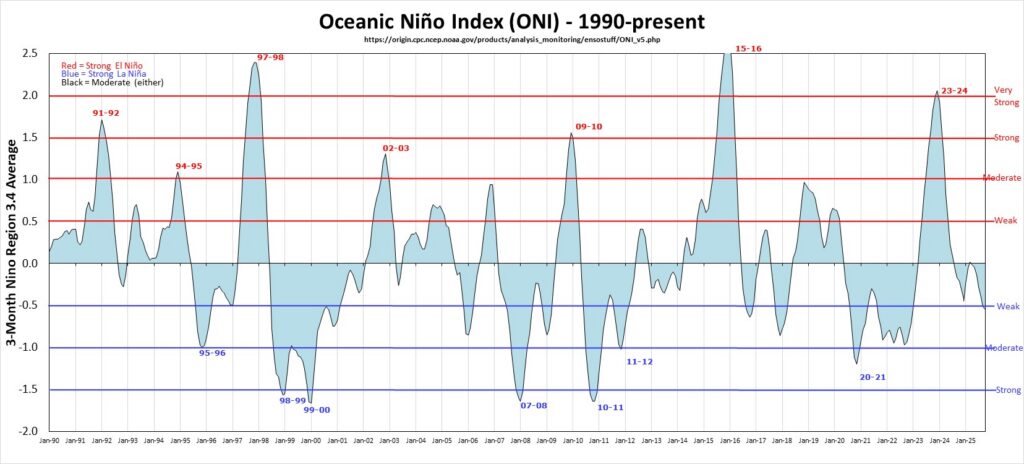
The scale and duration of this showed how recovery becomes more difficult when extreme heat events happen too close together.
What Can We Expect to See with This Super El Niño on the Horizon?
Forecasts from NOAA point to above-average ocean temperatures during strong El Niño conditions, and therefore likely widespread coral bleaching.
Bleached corals can survive this stress in the short term, but prolonged exposure reduces their ability to recover. At the same time, stressed corals are less likely to reproduce, limiting recovery and reducing resilience over time. ICRI notes that repeated or severe bleaching leads to long-term reef decline.
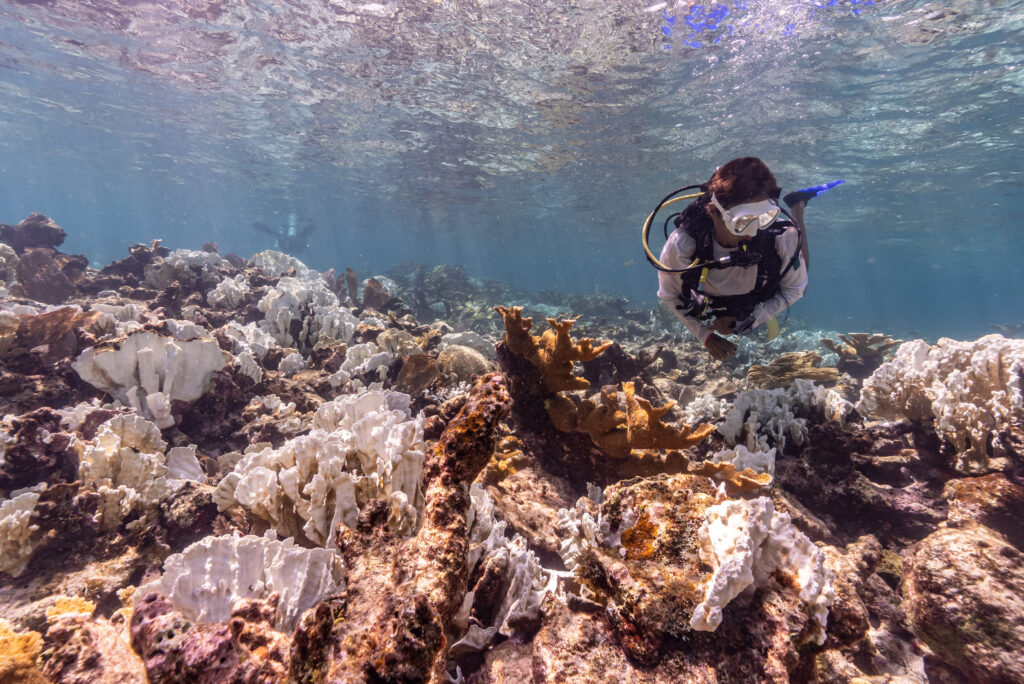
El Niño also shifts weather patterns. In the Atlantic and Caribbean, fewer hurricanes may reduce physical damage but also remove a natural cooling effect, resulting in persistent heat stress. None of this is guaranteed, but around the world, we’ve seen some corals surviving heat stress. At the Coral Reef Alliance (CORAL), we are working to understand corals’ potential to adapt.
Learn more about the science of adaptation here (don’t miss the video) >
What Action Can We Take to Minimize the Impact?
At CORAL, we also work to reduce local stressors, which remains one of the most effective ways to support reefs during heat events. Because healthier reefs are more likely to withstand and survive bleaching.
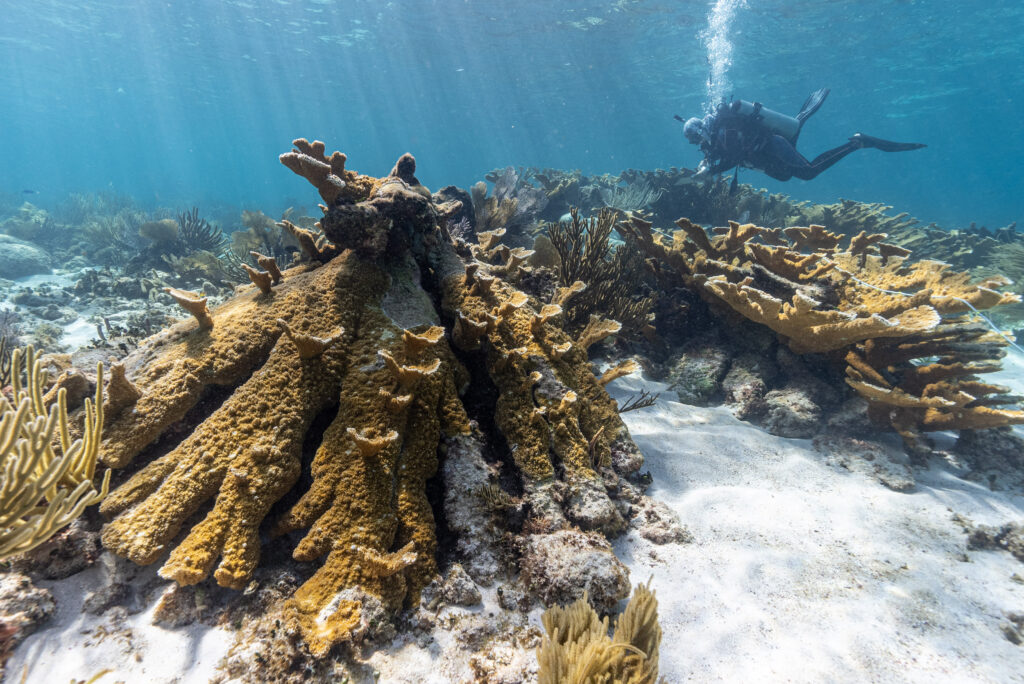
For reef managers and operators, preparedness matters. Monitoring temperature thresholds, improving water quality, and managing tourism pressure can reduce additional stress.
Download the bleaching checklist here >
Reducing carbon emissions and supporting conservation efforts remain essential, as climate change continues to intensify bleaching risk.
Are Coral Reefs Doomed?
No. Coral reefs are under increasing pressure, but they are not universally doomed. Outcomes vary widely depending on local conditions, heat exposure, management, and evolutionary traits, like heat-tolerant genes.
Some reefs have experienced severe losses after repeated bleaching, while others have shown the ability to recover, particularly where local stressors are reduced. Some coral species and reef systems are more tolerant of heat, shaping which reefs persist.
Stay in the Know
Ocean conditions are changing quickly, and staying informed matters. We share the latest developments in coral reef conservation through our monthly newsletter, the eCurrent. It’s designed to keep you informed, connected, and aware of happenings around our blue planet.


