

By Tening Cissé, Head of funding and partnerships, adansonia.green
During the most recent round of the plastic pollution talks, INC-5.2 held in Geneva in August 2025, decision making by consensus which – a rule that not only symbolizes unity but imposes unanimity – once again became an obstacle to progress. Unsurprisingly, a minority group of oil and plastic producing countries blocked substantive measures from being achieved in the global plastics treaty, leaving the world waiting yet again for the urgent action needed to confront the plastic pollution crisis.
Consensus becomes a veto when it is interpreted as unanimity – in other words, when any country, including the ones benefiting from the industries we need to revamp, can block needed collective progress. A single country can block a decision, even if the majority is ready to act. In the context of the global plastics treaty, some states demand that all decisions, even the most substantive, be made by consensus. The result: procedural rules stall and key treaty obligations remain in limbo.
If nothing changes, supplementary sessions, INC-5.3, INC-5.4, etc or an alternate pathway, may be necessary to move forward provided the majority voting mechanism outlined in the rules of procedure is finally activated. The time to act is now!
Since INC-2, a coalition of oil and plastic-producing countries has consistently stalled the most ambitious proposals to end plastic pollution, specifically on: global measures that reduce plastic production from the source, a strong dedicated mechanism for means of implementation, and phasing out of the most problematic or harmful plastic products, including those containing chemicals of concern. Their strategy relies on an obstinate commitment to consensus. Yet, Articles 37 and 38 of the draft rules of procedure agreed by the negotiators clearly state that if consensus fails, decisions can be made by a two-thirds majority vote. These legitimate and agreed provisions are being ignored, granting disproportionate power to a loud minority and setting a dangerous precedent in international environmental negotiations, which goes against everything that multilateralism stands for!
Obstruction tactics go beyond refusing to vote: quorum challenges, excessive accreditation checks, dilatory motions – procedural maneuvers introduced solely to stall or delay the process – and appeals to legal issues that have already been settled. These maneuvers delay debates, exhaust small delegations, and prevent the adoption of ambitious texts urgently needed to end plastic pollution across its full lifecycle. This scenario echoes historical blockages in other environmental conventions, where the insistence on consensus has paralyzed decisions for decades The UN Framework Convention on Climate Change is a particularly stark example of how over-reliance on consensus hampers treaty effectiveness.
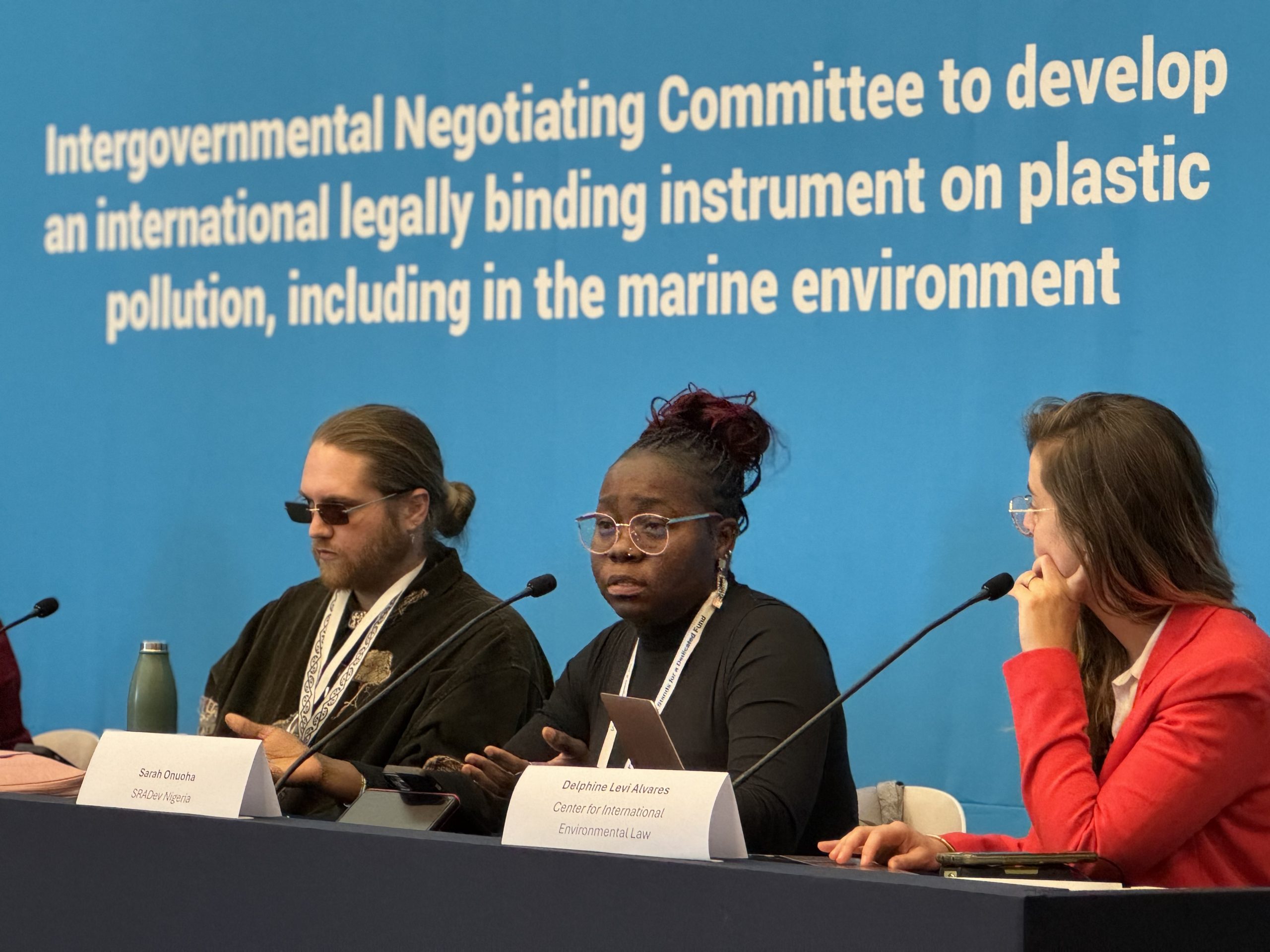
The consequences of this power game are felt by those most vulnerable and affected on the ground daily by the wrath of plastic pollution. In Senegal, plastic pollution is an urgent environmental, health, and economic crisis. Local communities, women, youth, and fishers are the first affected, yet their voices remain marginalized in negotiations. Senegal has been one of the countries in the region on clarity on procedural issues, and strongly supports majority voting when consensus cannot be reached. Dakar emphasizes that requiring unanimity grants a veto to a small minority and stalls progress on urgent issues. Senegal insists that Articles 37 and 38, which allow decisions by a two-thirds majority in the absence of consensus, be respected. By advocating for majority voting, Senegal ensures that negotiations reflect the majority view, enable ambitious, enforceable commitments, and that the voices of the Global South are not sidelined. As Senegal’s representative Cheikh Ndiaye Sylla stated during INC-2, “consensus kills democracy.”
The lifecycle of plastics, from extraction to disposal, is a major source of pollution and injustice. Made from 99% fossil fuels, plastics emit greenhouse gases and release toxic substances. Their breakdown produces microplastics that contaminate soils, waters, and food chains. Additives such as BPA, phthalates, and flame retardants are linked to cancer, hormonal and neurological disorders, and developmental harm. African frontline communities, in South Durban, Odimodi, Kabale already suffer these impacts: respiratory illnesses, soil and water contamination, and forced displacement.
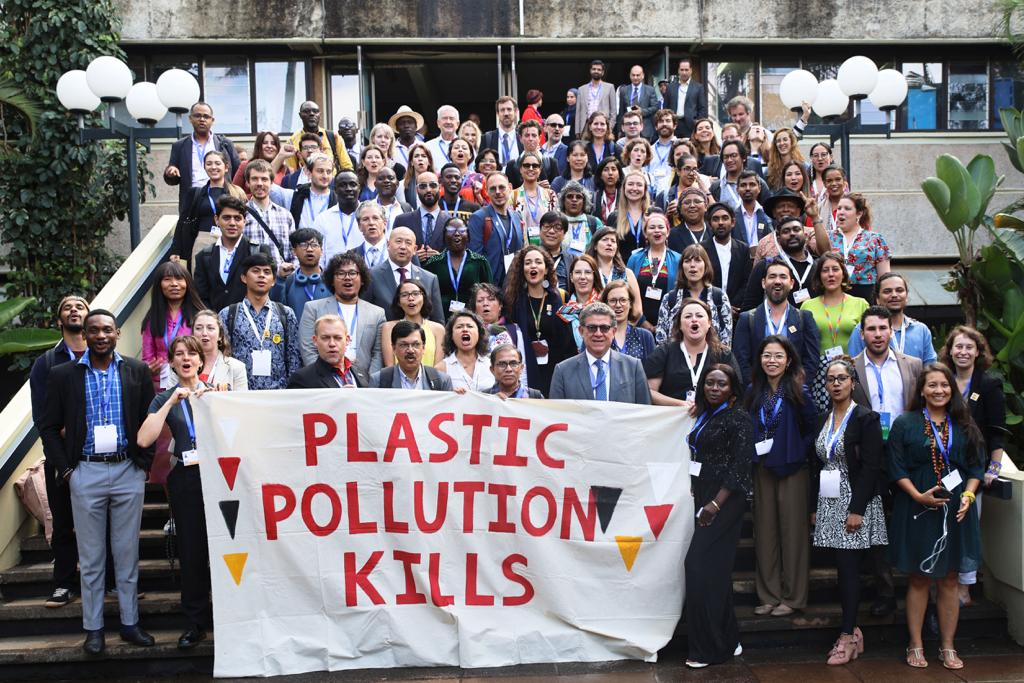
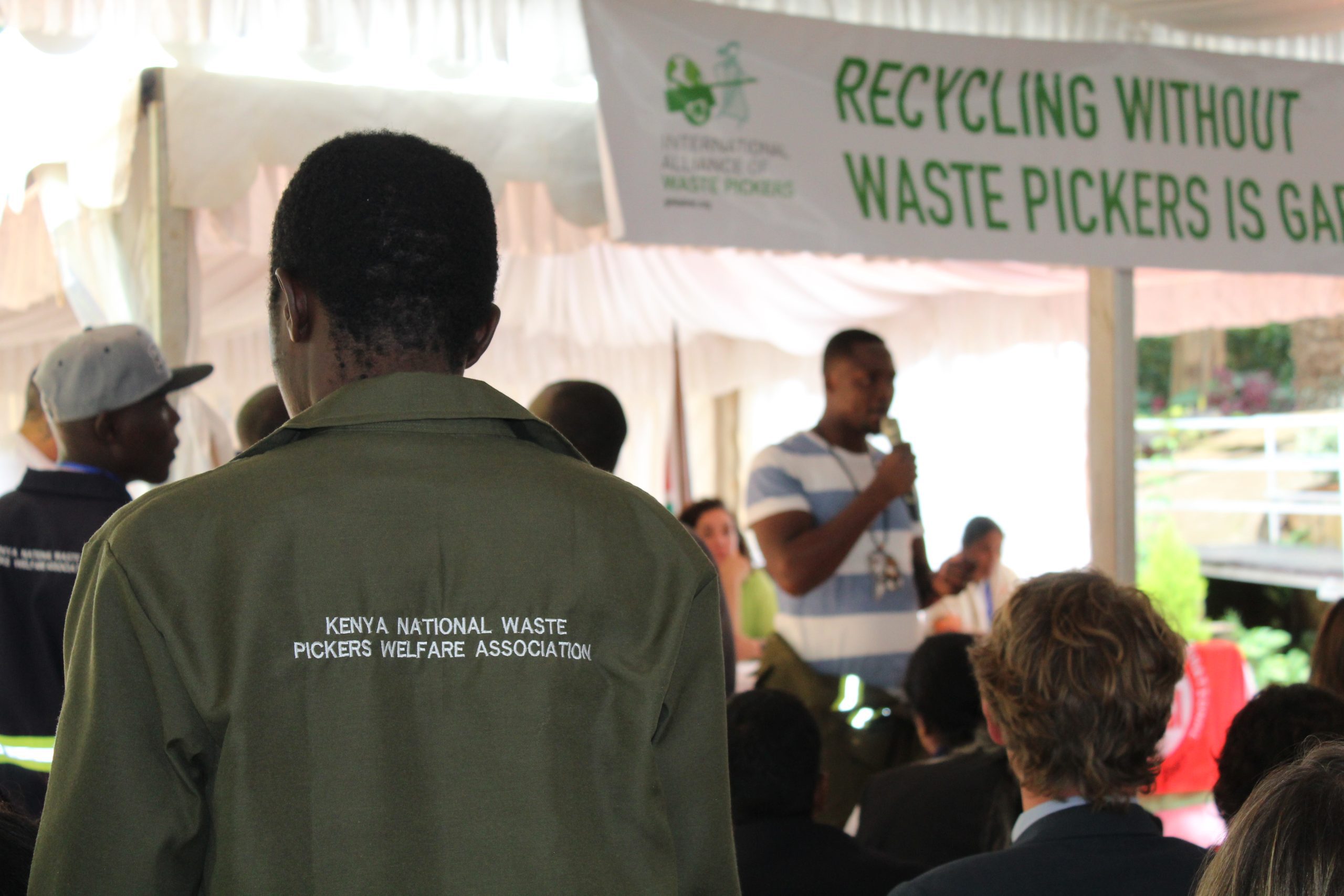
At the last Geneva session, civil society sent a clear message: fix the process, keep your promise, end plastic pollution. Waste pickers, scientists, youth, women, and NGOs called on negotiators to show courage and invoke majority voting when consensus is impossible. A strong treaty, backed by the majority, is better than a weak treaty dictated by a minority. The credibility of multilateralism and the future of the planet are at stake.
The treaty’s priorities are clear: reduce plastic production at the source, eliminate toxic chemicals, ensure transparency and traceability across the lifecycle, implement binding global rules, secure stable and predictable financing, and support a just transition for affected communities. These elements are non-negotiable; they determine the treaty’s effectiveness, fairness, and sustainability.
It is time to dare. Dare to activate the voting mechanisms already in place. Dare to recognize that ambition cannot be sacrificed for the sake of a paralyzing consensus. Dare to unlock a multilateralism that works. Dare to defend a treaty that protects people and the planet. Without reductions in plastic production or dedicated financing, the treaty would be an empty shell. By overcoming the consensus deadlock, the international community can finally adopt an instrument commensurate with the ecological emergency, a treaty the people of the world, particularly those in the Global South, can be proud of.

As environmental ministers and other world leaders gather at UNEA-7, the seventh session of the United Nations Environment Assembly, from December 8–12, 2025, in Nairobi, Kenya, under the theme “Advancing sustainable solutions for a resilient planet,”it is essential to remind them that the plastic pollution crisis continues to threaten our health and the health of our planet. We cannot talk about planetary resilience without addressing the growing plastic pollution crisis, a major contributor to creating the planetary crisis.
Sustainable solutions for a resilient planet must have a science-based and human rights-centered approach that also aims for just transition and environmental justice. These are fundamental to ensuring that sustainable solutions have the interests of people and the planet at their core.
Countries must continue calling for the urgency of delivering a global instrument to regulate plastics, one that can save us and the planet from plastic pollution. They must follow through on the commitment that helped pass Resolution 5/14 at UNEA 5.2 and create an effective Plastics Treaty once and for all.
The world is still waiting for an ambitious treaty that addresses the full life cycle of plastics, protects human health, and the environment!
ENDS.

