

Stomach ulcers affect millions worldwide, often going unnoticed until they worsen. Recognizing these subtle cues early can prevent serious health risks and lead to quicker relief.
What Is a Stomach Ulcer?
A stomach ulcer, also called a gastric ulcer, forms as an open sore on the stomach’s inner lining. This erosion happens when digestive acids overpower the protective mucus layer, creating raw, painful spots. The condition falls under peptic ulcers, which include similar issues in the upper small intestine. Unlike minor indigestion, these sores expose sensitive tissue to harsh stomach juices, sparking discomfort that persists. Medical experts note that about 10% of people develop one at some point, with higher rates in those over 50.
Statistics from health authorities show untreated cases lead to over 6 million diagnoses yearly in the U.S. alone. This damage disrupts normal digestion, as the lining fails to shield against acid’s corrosive effects. Patients often describe it like a persistent internal scrape that flares unpredictably. Early awareness empowers you to act before it escalates.
What Causes Ulcers?
Helicobacter pylori bacteria trigger most cases by inflaming the stomach lining and weakening its defenses. Frequent use of NSAIDs like ibuprofen erodes protection too, letting acid dominate. Smoking doubles risk by impairing healing, while excessive alcohol irritates tissue directly. Stress and spicy foods don’t create ulcers but aggravate them once present.
Consider Sarah, a busy professional who popped painkillers for chronic headaches; her habit unknowingly fostered an H. pylori-friendly environment. That infection, present in half of global adults, thrives silently until symptoms emerge. Rare causes include Zollinger-Ellison syndrome, boosting acid overproduction. Identifying triggers like these helps tailor prevention.
Burning Stomach Pain After Eating
Burning stomach pain after eating often signals a gastric ulcer irritating the stomach lining as digestion ramps up acid flow. This distinct flare differs from duodenal ulcers, where discomfort typically eases with food; here, meals provoke the raw sore directly, peaking 30-60 minutes later. Many adults overlook it as overeating until patterns persist, as seen in prior sections on adult symptoms.
Food stimulates gastric juices, bathing the eroded spot in acid without enough protective mucus—especially in H. pylori cases or NSAID users. The upper central abdomen burns like fire between breastbone and navel, sometimes radiating to the back. Unlike reflux’s chest focus, this gnaws deeper, lasting 30 minutes to hours and recurring daily.
Antacids offer short relief by neutralizing briefly, but pain rebounds as acid rebounds. Studies note 70-80% of gastric ulcer patients experience this timing, contrasting hunger pangs that fade with intake. The sensation Sarah described earlier, flaring after lunch salads, matches this classic profile.
Bloating follows swiftly, with early fullness making second bites tough. Nausea or belching joins as motility slows around the inflammation. Nighttime echoes amplify if supper lingers undigested.
Women in early stages, as discussed before, might tie it to cycles, delaying checks.
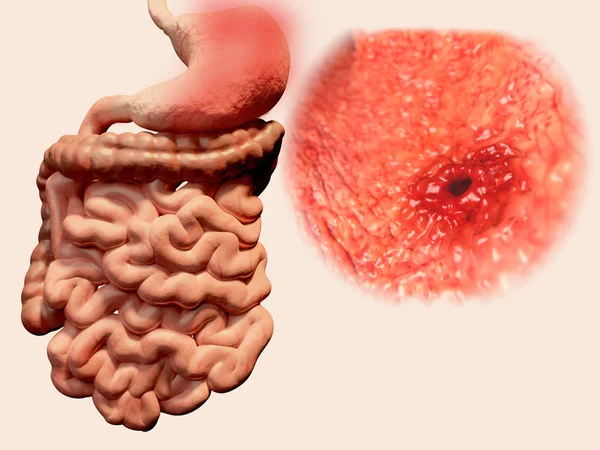
This diagram pinpoints the gastric ulcer’s spot, explaining post-meal centrality over diffuse aches.
Distinguishing from Gas or Indigestion
| Feature | Ulcer Burn Post-Eating | Gas Pain |
|---|---|---|
| Onset | 30-60 min after food | Immediate bloat |
| Feel | Gnawing fire, deep | Sharp cramps, shifting |
| Relief | Antacids temporary | Burps/walking fast |
| Duration | Hours, repetitive | Minutes, episodic |
| Extras | Nausea, weight dip | Loose stools optional |
Gas passes quickly; this ulcer ache lingers, hinting erosion per earlier diagnostic steps. Track if it wakes you or ignores OTC fixes—endoscopy confirms as outlined previously.
Ulcer Symptoms in Adults
Stomach ulcer symptoms in adults vary but center on upper abdominal discomfort that persists beyond typical indigestion. These open sores on the stomach or duodenal lining irritate with acid exposure, affecting daily life for millions yearly. Many dismiss early signs, yet patterns like those described earlier—burning after meals or at night—reveal the issue in 70-80% of cases.
Gnawing Upper Abdominal Pain
Adults report a burning or aching sensation midway between breastbone and navel, often worsening on an empty stomach or 1-3 hours post-meal. This hallmark flares at night, disrupting sleep as acid contacts the raw spot directly. Unlike fleeting cramps, it radiates to the back and responds briefly to food or antacids before recurring.
That persistent gnaw, which John ignored during work lunches, signals erosion in most sufferers. It differentiates from heartburn by depth and timing.
Bloating and Belching Excess
Feeling overly full after small portions comes with frequent burps and gas buildup from slowed motility around the sore. Indigestion mimics overeating, yet persists empty-stomached. This duo prompts skipped meals in 40-50% early on.
Nausea and Vomiting Patterns
Queasiness hits post-fasting or with irritants like coffee, escalating to vomiting in half of cases. Sour burps or retching after spicy foods underscores inflammation. Appetite wanes as unease dominates.
Dropped pounds stem from pain-deterring eats, with poor nutrient uptake worsening fatigue. This silent shift affects over 30%, especially smokers or NSAID users.
Diagram illustrating a gastric ulcer, showing its location in the stomach and a magnified view of the lesion.
Dark, tarry stools or coffee-ground vomit flag bleeding in 15-20%, demanding ER care. Sudden rigidity or dizziness hints perforation.
This diagram shows a gastric ulcer’s location, explaining centralized pain in adults.
| Symptom | Traits in Adults | Red Flag? |
|---|---|---|
| Burning ache | Night/empty stomach | Common (80%) |
| Bloating/belching | Post-small meals | Frequent |
| Nausea/vomiting | Morning peaks | 50% |
| Weight loss | Unexplained | Monitor |
| Bloody stools | Black/tarry | Emergency (15%) |
Track these over two weeks; endoscopy confirms as discussed before. Early meds heal most fully.
Early Stage Woman Ulcer Symptoms
Early stage stomach ulcer symptoms in women often mimic hormonal or stress-related issues, delaying diagnosis by weeks or months. These subtle cues arise as the stomach lining erodes initially, exposing nerves to acid before full-blown pain sets in. Recognizing them promptly averts progression, as studies show women face higher misattribution rates compared to men. A study found 25% of female cases were initially misdiagnosed as gynecological. Unexplained iron deficiency anemia emerges from slow bleeds. Listening to these whispers prevents oversight.
Subtle Fatigue and Weakness
Unexplained tiredness dominates early phases, stemming from minor internal bleeding that depletes iron stores. Women notice it during daily tasks, blaming busy schedules or perimenopause rather than the slow leak. This anemia precursor affects up to 30% initially, with pale skin or shortness of breath joining as hemoglobin dips.
Lisa, a 38-year-old teacher, felt drained mid-mornings despite coffee; her ulcer’s micro-bleeds surfaced on bloodwork months later. Unlike general fatigue, it pairs with tummy unease.
Mild Nausea Mimicking Cycles
Queasiness strikes mornings or mid-cycle, easily confused with PMS or early pregnancy. The irritated lining sparks gentle retching after fasting, easing briefly with crackers. About 40-50% of female cases report this before sharper pain, per clinical observations.
Hormonal gut sensitivity amplifies it, as estrogen fluctuations slow motility around ovulation.
Bloating and Early Fullness
Feeling stuffed after small bites brings persistent bloating, like overeating on an empty stomach. Belching follows as gas traps from sluggish digestion. Women link it to water retention pre-period, overlooking the inflammation’s role.
This curbs appetite subtly, nudging weight down unnoticed.
Back or Pelvic Pressure
A dull ache radiates to the lower back or pelvis, resembling cramps or sciatica. The ulcer’s upper position refers pain downward via shared nerves. Early tenderness on tummy palpation confirms it over musculoskeletal woes.
Heartburn and Mood Shifts
Reflux-like burn flares post-meal, with irritability from disrupted eating. Nutritional gaps thin hair or brittle nails over time. These overlap GERD but persist daily.
| Symptom | Why Overlooked in Women | Frequency |
|---|---|---|
| Fatigue/Anemia | Blamed on hormones | 30% early |
| Nausea | PMS mimic | 40-50% |
| Bloating/Fullness | Cycle bloat | Common |
| Back Pain | Menstrual cramps | Frequent |
| Mood Changes | Stress | Secondary |
These whispers demand tracking if lasting over 10 days—see a doctor for H. pylori tests or endoscopy. Early intervention heals fully, sidestepping bleeds.
Signs of Gastric Ulcer
Gastric ulcers present distinct signs that differ slightly from other peptic ulcers due to their location in the stomach lining. These open sores often start subtly, mimicking everyday indigestion, but recognizing them early prevents progression to bleeding or perforation. That burning discomfort many dismiss as stress-related could signal the condition affecting about 4-5% of adults worldwide annually.

Burning Upper Abdominal Pain
The hallmark of a gastric ulcer is a gnawing or burning sensation in the upper tummy, typically between the breastbone and navel. This pain often worsens soon after eating, as food stimulates acid production that irritates the raw sore directly. Unlike duodenal ulcers, where discomfort eases with meals, this one flares with intake, peaking 30-60 minutes later and sometimes lasting hours.
Patients describe it as a persistent fire that radiates to the back, especially at night when the stomach empties. Antacids might offer brief relief, but the ache returns relentlessly. Studies show 70-80% of cases report this as the primary indicator, often ignored until it disrupts sleep.
Bloating and Frequent Belching
Diagram illustrating a gastric ulcer, showing its location in the stomach and a magnified view of the lesion.
Excessive gas buildup leads to bloating, making even small meals feel heavy and uncomfortable. Belching becomes frequent as the body tries to release trapped air from the irritated stomach. This stems from slowed digestion, where the ulcer hampers normal motility.
That full sensation, even on an empty stomach, prompts many to skip food, risking weight loss. Women may link it to hormonal shifts, delaying diagnosis in up to 30% of female cases per clinical reviews.
This diagram highlights a gastric ulcer’s precise spot on the stomach wall, clarifying why symptoms localize upper centrally.
Morning nausea hits hard, often with retching or outright vomiting after fasting overnight. Indigestion, or dyspepsia, brings heartburn and a sour taste, as acid refluxes upward. These overlap with common reflux but persist daily, affecting appetite steadily.
Take John, a 45-year-old office worker; his “morning sickness” turned out to be an H. pylori-driven ulcer after months of chalking it up to coffee. About 50% of sufferers experience this queasiness early on.
Early Fullness and Appetite Loss
Feeling stuffed after just a few bites signals the ulcer disrupting stomach expansion. This leads to unintended weight drop, as meals become ordeals. The sore’s inflammation reduces hunger signals effectively.
Serious Warning Indicators
Watch for black, tarry stools from slow bleeding or vomiting coffee-ground material, hinting at hemorrhage in 15-20% of untreated gastric ulcers. Sudden sharp pain or difficulty breathing demands immediate ER care, as perforation affects 2-5% yearly.
Tenderness on pressing the upper abdomen confirms irritation. Pale skin or fatigue points to anemia from chronic loss. Heeding these averts the 5-10% mortality risk in complications.
| Symptom | Frequency | Key Distinction |
|---|---|---|
| Burning pain post-meal | 80% | Worsens with food |
| Bloating/belching | 60% | Persistent fullness |
| Nausea/vomiting | 50% | Morning dominant |
| Black stools | 15% | Emergency bleed sign |
Gastric ulcer signs demand attention over fleeting tummy woes. Consult a doctor if patterns hold beyond two weeks for tests like endoscopy.
Stomach Ulcer Warning Signs
Stomach ulcer warning signs often start subtle but can escalate quickly if ignored. These red flags signal open sores eroding the stomach lining, urging prompt medical checks to avoid bleeding or rupture. About 10% of people face this issue lifetime, per health data, yet many dismiss early cues as mere indigestion.

Burning Upper Abdominal Discomfort
That gnawing burn between breastbone and navel strikes when stomach acid hits the raw spot. It flares between meals or at night on an empty stomach, lasting minutes to hours. Antacids may ease it briefly, but recurrence points to deeper trouble.
This differs from hunger by radiating to the back, waking sufferers around 2 a.m. Studies note 70-80% report it first, often after skipping breakfast. The one Sarah ignored during late nights? It turned into bleeding weeks later.
Persistent Bloating and Belching
Feeling bloated after tiny meals stems from slowed digestion around the sore. Frequent burps release trapped gas, mimicking overeating yet persisting empty. This ties to inflammation blocking normal flow.
Heaviness lingers hours, curbing appetite and dropping weight unnoticed. Unlike one-off meals, it daily disrupts routines.
Nausea or Vomiting Episodes
Morning queasiness builds to retching, especially fasting overnight. Vomit may look coffee-grounds if blood mixes in early. Half of cases show this, per reviews, as irritation sparks contractions.
It worsens post-spicy food, confusing with flu. Track if it pairs with the burn above.
Unexplained Appetite Drop and Weight Loss
Sudden disinterest in food leads to pounds shed without diet changes. The sore dulls hunger signals while pain deters eating. This silent shift affects 40-50% early on.
Black, tarry stools or red blood signal bleeding in 15-20% untreated. Sudden severe pain hints perforation; dizziness or fainting means shock—rush to ER now. These claim lives in 5-10% severe cases.
| Warning Sign | Why Urgent | Frequency |
|---|---|---|
| Burning pain at night | Acid peaks empty | 80% |
| Bloody vomit/stools | Internal bleed | 15% |
| Sharp pain spike | Possible rupture | 2-5% |
| Rapid weight loss | Malnutrition risk | 40% |
These cues demand doctor visits if lasting over two weeks. Endoscopy confirms; early catch heals 90% fast.
How to Know If You Have an Ulcer
Determining if you have a stomach ulcer involves tracking patterns in discomfort and seeking targeted tests. These open sores in the stomach lining often mimic indigestion but reveal themselves through consistent clues and medical confirmation. Early detection heals over 90% of cases without surgery, sparing you from complications like bleeding.

Track Persistent Burning Pain
Notice if a dull ache or fire hits your upper abdomen, especially when hungry or at night. This classic sign flares between meals for duodenal types or right after eating for gastric ones, lasting from minutes to hours. Unlike gas, it doesn’t shift with position and wakes you around 2-3 a.m., as acid peaks on an empty stomach.
Antacids might soothe it temporarily—under an hour—but if pain rebounds quickly, suspect erosion. Log timing: Does it ease with milk or food briefly? That pattern, seen in 70-80% of sufferers, differentiates it from reflux. The one Maria dismissed as overtime stress? Endoscopy later confirmed H. pylori damage after months.
Monitor Bloating, Nausea, and Fullness
Feeling stuffed after small bites, paired with belching or nausea, signals slowed digestion from inflammation. Morning queasiness or vomiting—sometimes coffee-ground-like from early blood—hits half of cases. Appetite fades, shedding pounds unintentionally as eating becomes unappealing.
These persist beyond a day or two, unlike viral bugs. Women often attribute nausea to cycles, delaying checks by weeks.
Spot Bleeding or Anemia Clues
Dark, tarry stools or pale fatigue hint at slow leaks, affecting 15% early. Vomiting bright red or black material screams urgency—ER stat. Shortness of breath from low oxygen follows anemia in severe spots.
Self-Assessment Steps
-
Does pain last over two weeks despite diet tweaks?
-
Family history of ulcers or heavy NSAID use?
-
No relief from OTC remedies long-term?
Yes to these ups odds significantly. Keep a symptom diary: intensity (1-10), triggers, relief methods.
Confirm with Doctor Tests
Start with history and exam; your doc probes NSAID habits or smoking. H. pylori checks via breath (drink urea, exhale tagged CO2), stool antigen, or blood draw catch 95% of culprits non-invasively. Upper endoscopy—thin tube with camera—views sores directly, biopsying if needed; gold standard for 100% visuals.
Barium X-ray outlines issues if scopes unavailable. These pinpoint type and rule out cancer mimics.
| Symptom/Test | What It Reveals | Accuracy |
|---|---|---|
| Night pain | Likely duodenal | 80% indicative |
| Breath/stool test | H. pylori | 95% |
| Endoscopy | Visual sore/bleed | 99% |
| Black stools | Active bleed | Emergency flag |
Don’t self-diagnose forever—these cues warrant a pro within days if ongoing. Most heal fast with pills once confirmed.
How Serious Are Stomach Ulcer Complications?
Stomach ulcer complications can turn serious fast if ignored, ranging from internal bleeding to life-threatening perforation. While most heal with treatment, untreated cases risk severe outcomes like infection or even death in 5-10% of advanced scenarios.

Bleeding Risks
The most common issue, upper GI bleeding, hits 15-20% of cases, causing black tarry stools or vomiting blood that looks like coffee grounds. Slow leaks lead to anemia, with fatigue and dizziness from oxygen shortages. Acute bleeds drop blood pressure, risking shock—hospital data shows 10% need transfusions.
That gradual drain weakens you over weeks; sudden gushes demand ER trips, where survival hinges on speed.
Perforation Dangers
A hole tears through the stomach wall in 2-5% untreated, spilling acid and bacteria into the abdomen for peritonitis—a raging infection. Pain shifts from gnawing to knife-like rigidity across the belly. Mortality climbs to 20-50% here, especially over age 65, per studies on emergency admissions.
Surgery patches it, but delays kill; historical rates topped 40% before antibiotics.
Obstruction Effects
Scarring blocks food passage in chronic spots, causing vomiting after meals and bloating. Weight plummets as nutrition fails. This rarer issue (under 5%) needs dilation or surgery if meds fail.
Cancer Links
Persistent H. pylori raises gastric cancer odds 1-3%, with chronic sores morphing over years. Globally, ulcers contributed to 267,500 deaths in 2015, down from prior decades thanks to better detection.
Mortality Stats
Overall death rate sits at 1 per 100,000 cases yearly, but jumps in elderly or perforated ones—up to 20% post-op in frail patients. Cancer comorbidities spike risks further, like 10x in liver disease.
| Complication | Incidence | Mortality Risk |
|---|---|---|
| Bleeding | 15-20% | 5-10% severe |
| Perforation | 2-5% | 20-50% |
| Obstruction | <5% | Low with intervention |
| Cancer link | 1-3% | Varies by duration |
Prompt antibiotics and acid blockers slash these odds to near zero in 90% of early catches. See a doctor at first red flags—don’t let subtle burns escalate.
Ulcer Pain vs Gas Pain
| Aspect | Ulcer Pain | Gas Pain |
|---|---|---|
| Location | Upper abdomen, gnawing burn | Mid-belly, crampy sharpness |
| Timing | Night/empty stomach, post-meal flare | After meals, shifts with movement |
| Relief | Antacids temporary; food mixed | Burping, walking, heat pads quick |
| Duration | Hours to days, persistent | Minutes, episodic |
| Extras | Nausea, weight loss | Bloating eases fast |
Ulcer discomfort gnaws relentlessly; gas bloats and passes. Mistaking one delays healing.
Management and Treatment
Stomach ulcer management and treatment effectively heal most cases within 4-8 weeks when started early. Doctors tailor plans to root causes like H. pylori infection or NSAID overuse, combining meds, lifestyle tweaks, and follow-ups for 90% success rates.

Eradicate H. pylori Infection
If bacteria drive the sore—as in 70-90% of instances—dual antibiotics like amoxicillin plus clarithromycin pair with a proton pump inhibitor (PPI) for 10-14 days. This “triple therapy” wipes out the bug in over 85% of patients, halting erosion. Finish the full course despite feeling better; resistance rises otherwise.
PPIs such as omeprazole or lansoprazole slash acid by 90%, letting the lining mend. Retest via breath or stool 4 weeks post-treatment confirms clearance. The regimen Tom followed after his endoscopy? It closed his ulcer completely in six weeks.
Reduce Stomach Acid Production
H2 blockers like famotidine curb acid signals, easing burn while PPIs dominate for deeper healing. These OTC options bridge gaps until prescriptions kick in fully. Antacids neutralize acid fast for symptom flares but don’t repair tissue long-term.
Cytoprotectives like sucralfate coat the sore, shielding it from juices. Bismuth subsalicylate (Pepto-Bismol) adds antibacterial punch and soothes mildly. Studies back layered approaches for quicker relief.
Lifestyle Adjustments
Quit NSAIDs or switch to acetaminophen; limit alcohol and smoking, which delay repair by 50%. Eat smaller, frequent meals—bland over spicy—to minimize irritation. Probiotics restore gut balance post-antibiotics, cutting recurrence 20-30%.
Stress management via walks aids indirectly, though it doesn’t cause ulcers.
Handle Complications Surgically
Bleeding needs endoscopic cauterization or clips in 10-20% cases; perforation demands emergency stitching. Rare obstructions require dilation. Post-op, meds continue to prevent repeats.
Follow-Up and Prevention
Repeat endoscopy verifies healing in high-risk folks. Maintain low-NSAID habits and screen for H. pylori if family history looms.
| Treatment | Targets | Success Rate |
|---|---|---|
| Triple Therapy | H. pylori | 85-90% |
| PPIs (e.g., Omeprazole) | Acid reduction | 90% healing |
| H2 Blockers | Mild symptoms | 70% relief |
| Lifestyle Changes | Recurrence | Cuts 50% |
Follow your doctor’s plan diligently—these steps restore normalcy fast for most.
Natural Remedies and Probiotics for Stomach Ulcer Healing
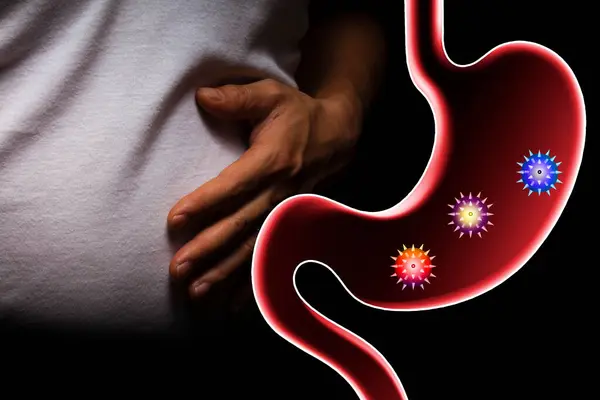
Natural remedies and probiotics offer supportive roles in stomach ulcer healing, aiding meds by boosting gut balance and mucus protection. While not standalone cures—doctors stress PPIs and antibiotics first—these evidence-backed options reduce symptoms and recurrence in studies, especially against H. pylori.
Probiotics for Gut Restoration
Live strains like Lactobacillus rhamnosus GG or Bifidobacterium bifidum restore beneficial bacteria, countering H. pylori’s dominance. Animal and human trials show they accelerate healing by upregulating mucus, prostaglandins, and anti-inflammatory cytokines, cutting ulcer size 30-50% faster when added to therapy. Rat studies with Lactobacillus acidophilus even restored full mucosal integrity histologically.
Consume via yogurt, kefir, or supplements (10-20 billion CFUs daily); Saccharomyces boulardii shines for ethanol-induced damage. A review notes 85% H. pylori eradication boost alongside antibiotics. Start post-meal to shield strains; consult docs for strains matching your needs.
Flavonoid-Rich Foods
Honey (especially Manuka) coats sores with antibacterial methylglyoxal, inhibiting H. pylori growth 20-30% in lab tests. Flavonoids in berries, apples, and green tea neutralize free radicals, enhancing antioxidant enzymes like SOD by 40% in ulcer models. Cranberry juice blocks bacterial adhesion, mirroring UTI benefits.
Turmeric’s curcumin curbs inflammation, speeding rat ulcer closure via NF-kB suppression.
Soothing Herbal Options
Aloe vera juice (1/4 cup daily) boosts mucus secretion, easing burn in preliminary trials. Deglycyrrhizinated licorice (DGL) chews stimulate protective coating without blood pressure risks. Garlic’s allicin fights H. pylori directly, though fresh raw maximizes potency—1 clove daily.
Ginger-encapsulated probiotics showed zero inflammation remnants in studies.
Dietary Supports
Fermented foods like sauerkraut deliver natural probiotics; probiotic-rich miso aids Japanese cohorts. Avoid irritants—caffeine, spice—but embrace oats for beta-glucan barrier strength.
| Remedy | Key Benefit | Evidence Level |
|---|---|---|
| Probiotics (L. rhamnosus) | Eradicates H. pylori, heals mucosa | Strong (animal/human trials) |
| Manuka Honey | Antibacterial coating | Moderate (in vitro/human) |
| Cranberry/Flavonoids | Blocks adhesion, antioxidants | Moderate (studies) |
| Aloe Vera | Mucus boost | Preliminary |
These complement—not replace—prescribed care; H. pylori demands antibiotics. Track symptoms; see pros if no relief in weeks, as self-treatment risks delays.
When to See a Doctor
Seek care for unrelenting pain, bloody vomit/stools, or sudden worsening. Vomiting blood or black stools signal emergency—call now. Weight loss or swallowing trouble warrants a same-day visit.
Family docs triage; ER handles shocks. Early action heals most fully. Don’t wait—these sores respond best swiftly.
Also Read | How To Minimize The Risk Of Gastric Cancer? Stomach Cancer Awareness Month
Soundhealthandlastingwealth.com offer the most up-to-date information from top experts, new research, and health agencies, but our content is not meant to be a substitute for professional guidance. When it comes to the medication you’re taking or any other health questions you have, always consult your healthcare provider directly.

