

May 27, 2026 by Nadira Kabir
Rethinking Summer Break: School Meals, Hunger, and American Families
Earlier this month, I saw a news segment about public schools in Loudoun County, Virginia — a large suburban school district near Washington, D.C. — exploring the possibility of moving to a year-round academic calendar. The discussion reflected a broader debate taking place across parts of the United States as educators and policymakers continue searching for ways to address lingering COVID-19-era learning loss and the “summer slide” that can leave students academically behind when they return to school in the fall.
As I read more about the issue, I found strong opinions on both sides. Some families and educators see year-round schooling as a valuable tool that could provide greater consistency for students while also helping working parents who struggle with long summer childcare gaps. Others worry it could limit opportunities for teenagers to work summer jobs, attend camps, travel, or simply experience a traditional summer break.
But there is another question that deserves far more attention: What would a year-round school calendar mean for hunger in America?
For millions of children in the United States, school is not just a place for learning. It is also where they receive some of the most reliable and nutritious meals of their day. Nearly 30 million children participate in federally funded school breakfast and lunch programs during the academic year. Depending on the school district, students may receive breakfasts such as cereal, fruit, yogurt, eggs, or milk, while lunches often include sandwiches, pasta, rice dishes, vegetables, fruit, and protein options designed to meet federal nutrition standards.
When schools close for summer vacation, many families suddenly face a sharp increase in grocery expenses. During the summer months, parents are responsible for providing additional meals each day while also managing higher childcare costs. Many families quietly describe summer as one of the hardest financial stretches of the year, especially as food prices continue to rise across the country.
Government-funded summer meal programs do exist and play a critical role, but access can be inconsistent. In 2024, the U.S. Department of Agriculture’s Summer Food Service Program reached 2.8 million children at approximately 36,000 meal sites nationwide — far fewer than the number of students served during the regular school year. Transportation barriers limited operating hours, lack of nearby meal sites, and the expiration of some pandemic-era flexibilities have all reduced participation for many families.
That is why newer initiatives like Summer EBT (Electronic Benefit Transfer), also known as SUN Bucks, are so important. Created as a permanent federal program in 2024 after being piloted during the COVID-19 pandemic, SUN Bucks provides eligible families with grocery assistance during the summer months when school meals are unavailable. The U.S. Department of Agriculture estimates that 21 million children could benefit from the program, which provides families approximately $120 per child over the summer to help purchase food. Research has shown these programs can reduce child hunger, improve diet quality, and help stabilize household budgets during one of the most financially difficult periods of the year.
This conversation is also unfolding at a time when policymakers are increasingly recognizing schools as an essential part of America’s broader nutrition safety net. In recent years, several U.S. states have expanded access to universal free school meals, while the federal government has strengthened summer nutrition programs introduced during the pandemic. Rising concern about inflation, childhood food insecurity, and family economic stress has pushed school meal policy more prominently into national discussions about public health and poverty reduction.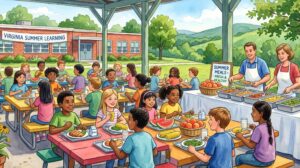
A more balanced year-round school calendar could potentially reduce the long gaps during which children lose access to dependable meals. It could also provide additional stability for working parents, reduce learning disruption, improve student routines, and lessen periods of heightened food insecurity that many families quietly experience each summer.
The debate over year-round schooling should not focus solely on academics or childcare. It should also include food security, child well-being, and the growing role schools play as part of the nation’s social safety net.
If designed thoughtfully, changes to school calendars could become one important part of a broader strategy to reduce childhood hunger, support working families, and strengthen child well-being in the United States.

