

If I stopped you on the street today and offered you a million dollars to improve your health or fitness, you’d probably immediately think diet and exercise. Of course you’d be right—but only to a degree. Those two factors are fundamental to health, fitness, vitality, and longevity. However, if you only focused on diet and exercise, you wouldn’t reach your full potential. Not by a long shot.
As important as food and movement are, they are only two of the inputs that affect gene expression. There is a bigger picture to consider, another pillar encompassed within the Primal Blueprint—one that is often overlooked even by individuals who have made a sincere commitment to building healthy habits and taking care of their bodies for the long haul. These are the Primal Blueprint Lifestyle Laws.

If I had to nominate the Primal Blueprint Law that is most neglected in the modern world—and it would be hard to pick just one—it would probably be sleep. At least with diet and exercise, most people pay lip service to how important they are, recognizing that they should care about them even if their day-to-day choices say otherwise. Yet how many times have you seen uber-successful people boasting about how little sleep they get on a nightly basis?
Too many folks glorify an “I’ll sleep when I’m dead” mentality, ignoring the fact that too sleep is, ironically, pushing them toward an early grave.
Our genes expect and need consistent, restful sleep, and plenty of it. Our ancestors got lots of sleep. Even after the discovery of fire, it wasn’t as if they stayed up all night partying. From sunset to sunrise it was safer to huddle together and rest. Long days of hunting and gathering and otherwise working hard for every bite of food also required sufficient time to repair and recover. Studies of modern hunter-gatherers suggest it wasn’t necessarily always an uninterrupted nine or ten hours, either. It’s likely that they slept together as families or as small tribes, keeping a watch out for predators, breastfeeding the baby or just dozing in and out throughout the night.
Of course, a restorative afternoon nap was also available when the urge hit, with no guilt about what else they really should have been doing. Our modern tendency toward poor quality, insufficient sleep has catastrophic consequences for physical, cognitive, and emotional health. Yet better sleep is almost always within reach with some simple (and sometimes not-so-easy) behavior modifications.
Read more about Primal Law #6.

(Primal Law #7 is Play. You can read about it in the Primal Movement post.)
Cavemen weren’t really men (or women) who lived their lives in caves all the time. Most of the day, they were in the great outdoors pursuing their various survival tasks. Regular exposure to sun provided lots of vitamin D, an all-important vitamin (really more like a hormone) which they could not easily obtain from food and which their bodies could not manufacture without direct sunlight.
Fast forward to today, and most people spend almost all their time inside—at home, at work, in the car or subway, at the grocery store, mall, movie theaters, bowling alleys, and on and on. Even most of exercise is now done inside gyms, dance studios, or garages. The net result is that an alarming proportion of the population does not get enough sun exposure. Couple that with widespread public health messages about avoiding the sun and using sunscreen every time you go out, and vitamin D deficiency is now widespread.
Not to mention, we are missing out on the other benefits of being in nature. While it’s never a good idea to burn, I think the far greater danger to most people is too little sun, not too much. Respect basic sun safety practices, but embrace the sun as the life-giving force that it is.
Read more about Primal Law #8.

You’re doing all these other things to live a long, healthy life—eating right, exercising, getting plenty of sleep, nurturing your social relationships—but it can all be cut short in the blink of an eye with one silly, preventable misstep. That’s why Primal Law #9 reminds you to exercise appropriate caution when navigating this dangerous world.
In our ancestors’ time, this mostly meant avoiding trauma that could lead to immediate death or serious injury that would prevent them from being active, participating members of their hunter-gatherer clan. Today it still means essentially the same thing, except the dangers we face are a far cry from the rogue tiger or poisonous mushroom that might have taken out Grok.
This doesn’t mean wrap yourself in bubble wrap and never take any risks whatsoever. Rather, this law exhorts you to use that highly evolved human brain of yours to calculate risk and take wise precautions as needed.
Read more about Primal Law #9.
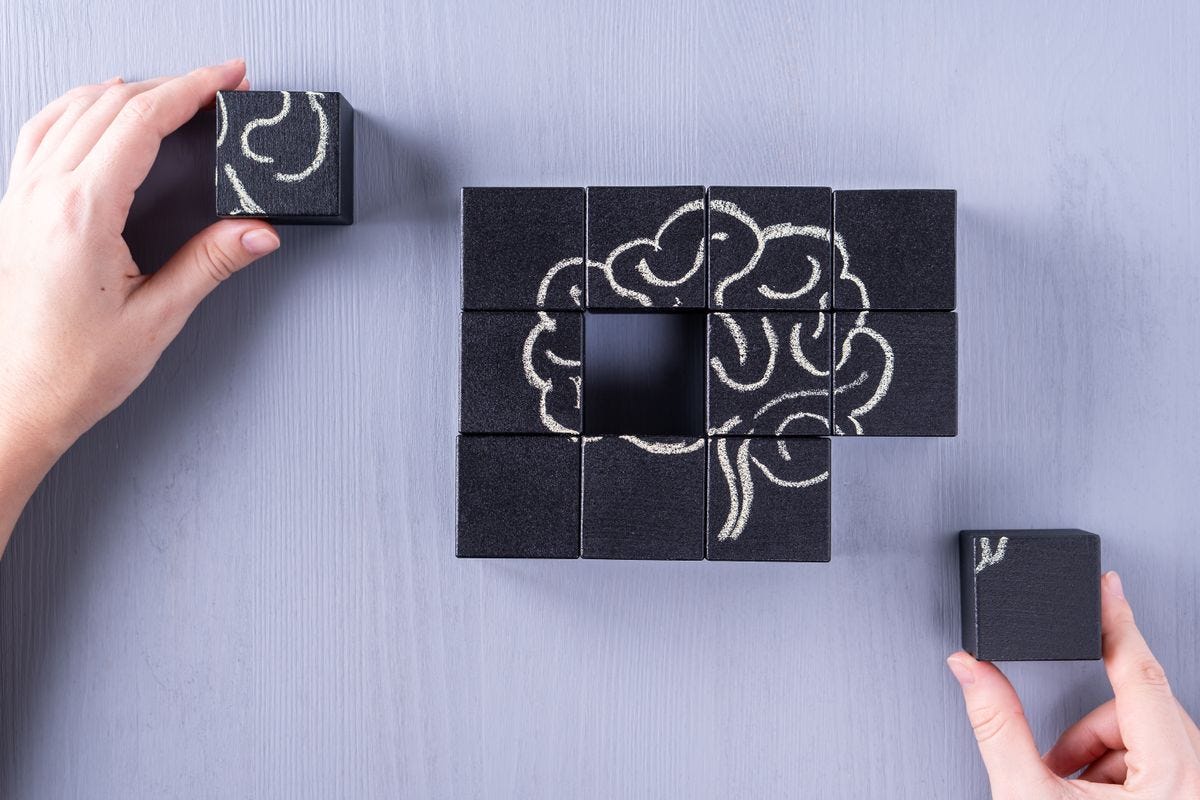
Speaking of your big brain, the final Primal Law reminds you to use it. Use it to problem solve. Use it to create. Use it to imagine. Use it to dream big dreams and make them come true. Use it to reminisce about the past. Use it to learn from past mistakes. Use it to create the wild and wonderful life that is your birthright as a human.
Read more about Primal Law #10.
Mark’s Daily Apple is still under construction. My team and I are actively working to repost the archives. Check back regularly to find posts that are new to you and revisit old favorites. Looking for a specific post? Let us know here.
You can help more people find us by spreading the word:
* This blog reflects my personal views and opinions and isn’t intended as medical advice, but I hope it will be informative and inspiring as you pursue a healthy, fulfilling life.

