

Yasuní National Park is a wildlife haven like no other.
In eastern Ecuador, where the air carries an earthy scent of vanilla, towering kapok trees rise in a dense, unbroken canopy, their branches heavy with vines and epiphytes. Branches flash with colorful birds, while a vast river teems with pink dolphins, giant river otters and hundreds of species of fish.
This richness doesn’t stop at the park’s boundaries — and neither do the pressures on it. Oil deposits drew companies into the region, and the roads built to reach them opened land that was once remote. Settlers followed those roads, clearing forest for farmland in the fertile soil left behind. The result is a fragmented landscape: protected areas cut off from each other, increasingly isolated as the forest around them disappears.
In response, Ecuador is pursuing an ambitious strategy: stitching these parks back together.
Today, the Ecuadorian government, with the support of Conservation International, World Wildlife Fund and the Global Environment Facility, announced the creation of the Yasuní-Limoncocha-Cuyabeno Corridor, a new conservation corridor more than 173,000 hectares (427,000 acres) of Amazon rainforest — an area larger than the city of London.
“A protected area is only as strong as what surrounds it,” said Carolina Rosero, who leads Conservation International in Ecuador. “This corridor knits three protected areas back into a single, connected landscape so wildlife and the people who depend on this forest aren’t confined to isolated islands, giving both room to thrive.”
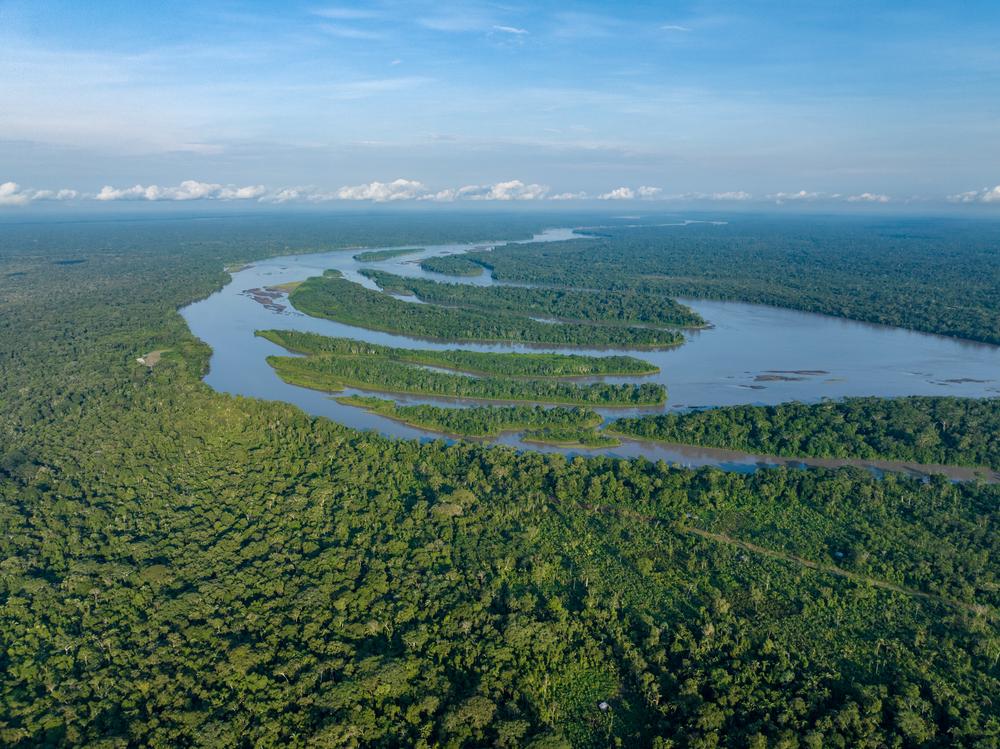
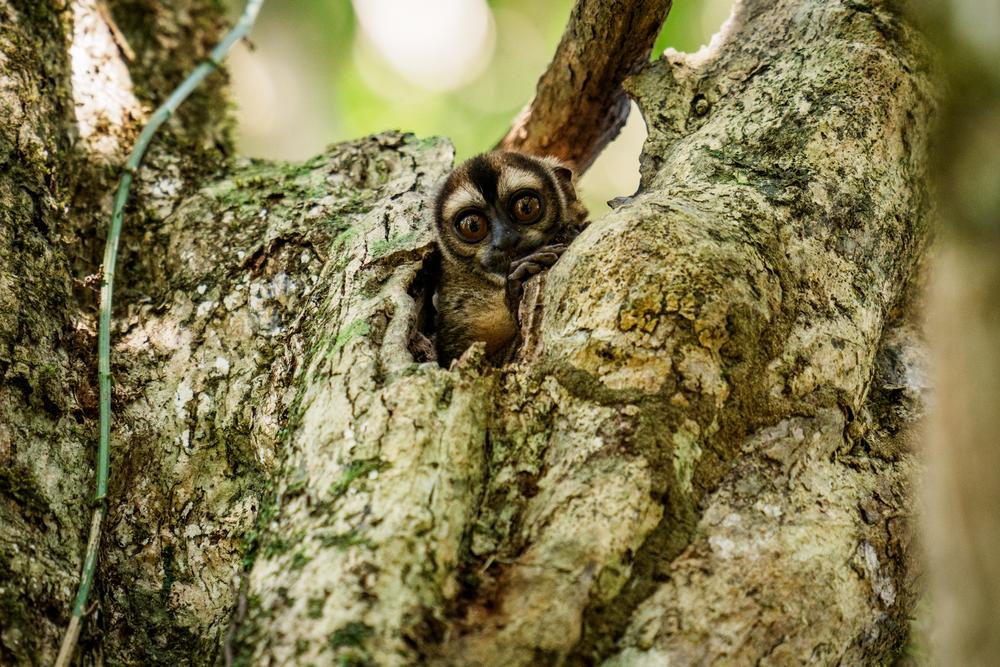
The corridor brings together Yasuní National Park, Limoncocha Biological Reserve and Cuyabeno Wildlife Reserve, creating a lifeline for wildlife like jaguars, tapirs and monkeys in search of food, mates or space.
Protected areas are one of conservation’s most effective tools, but by design, they can create disconnected silos of healthy habitat. Corridors help bridge these gaps, linking fragmented ecosystems and providing safe routes for wildlife.
Though protected areas typically limit human activity, connectivity corridors are different: They’re designed to support wildlife and people, allowing sustainable land use while giving animals room to roam.
The corridor protects a biodiverse landscape from unsustainable agriculture, development and climate change — and the people whose stewardship has helped keep it that way.
The Kichwa, Siona and Siekopai peoples have lived in and around the corridor for generations and will lead much of its management, alongside local government agencies and NGOs. These communities rely on fishing, hunting and agriculture, guided by ecological knowledge developed over generations — knowledge that community leaders say will be central to how the corridor is protected going forward.
The Sani Isla Kichwa community, for example, draws on that same generational knowledge to guide visitors through the forest — turning their understanding of the land into an ecotourism program that generates income while keeping it intact.
Examples like this matter because Ecuador has little land left to designate as new protected areas, said Joy Woolfson of Conservation International-Ecuador, a leader in the effort to create the corridor. Nearly everywhere left to protect is land where people already live.
“The starting point has to be trust — trust that people already living on this land know how to care for it,” she said. “A corridor takes that local knowledge and gives it a structure to work within. The goal isn’t protection that excludes people. It’s a landscape where wildlife and communities prosper together.”

