

Guest writer and filmmaker Ben Masters shares his experience and thoughts on recent flood recovery efforts across the Southwest.
There is a specific smell that lingers after a river tops its banks and scours the floodplain. It is the heavy, fertile scent of overturned earth, snapped timber, and raw sediment—the smell of a landscape that has just been violently, fundamentally rearranged.
When the Guadalupe River surged out of its banks in the devastating flash floods of July 2025, it left behind tragedy beyond comprehension and a path of destruction. Seeing these floods in New Mexico and Colorado makes my heart break to everyone who’s been affected. The power of moving water is humbling, a stark reminder that our orderly roads, fences, and infrastructure can be swept away by the power of nature.
In the days following a major flood, the absolute best of human nature reliably emerges. Neighbors check on neighbors. Fences are mended, livestock are secured, and communities rally to pull each other out of the mud. I witnessed this firsthand along the Guadalupe. The outpouring of support, the sheer grit of local Texans, and the willingness of strangers to drive hundreds of miles just to lend a hand is a testament to the enduring strength of our communities.
But as the floodwaters recede and the initial shock wears off, a second, quieter phase of the disaster often begins. It is driven by the very best of intentions, yet it can cause ecological damage that outlasts the flood itself. I am talking about the “recovery effort”—specifically, the rush to clean up the riverbanks and floodplains by bringing in heavy machinery to clear away the debris.
Right now, landowners and managers in the Four Corners region are looking out over their own altered rivers and battered properties. The urge to immediately fix it, to make it look “normal” again, is overwhelming. If you are standing on your porch looking at a floodplain tangled with uprooted trees, twisted limbs, and deposited silt, I want to offer a word of caution born from hard lessons learned on the Guadalupe: take a breath, give it time, and don’t rush to pick everything up immediately.
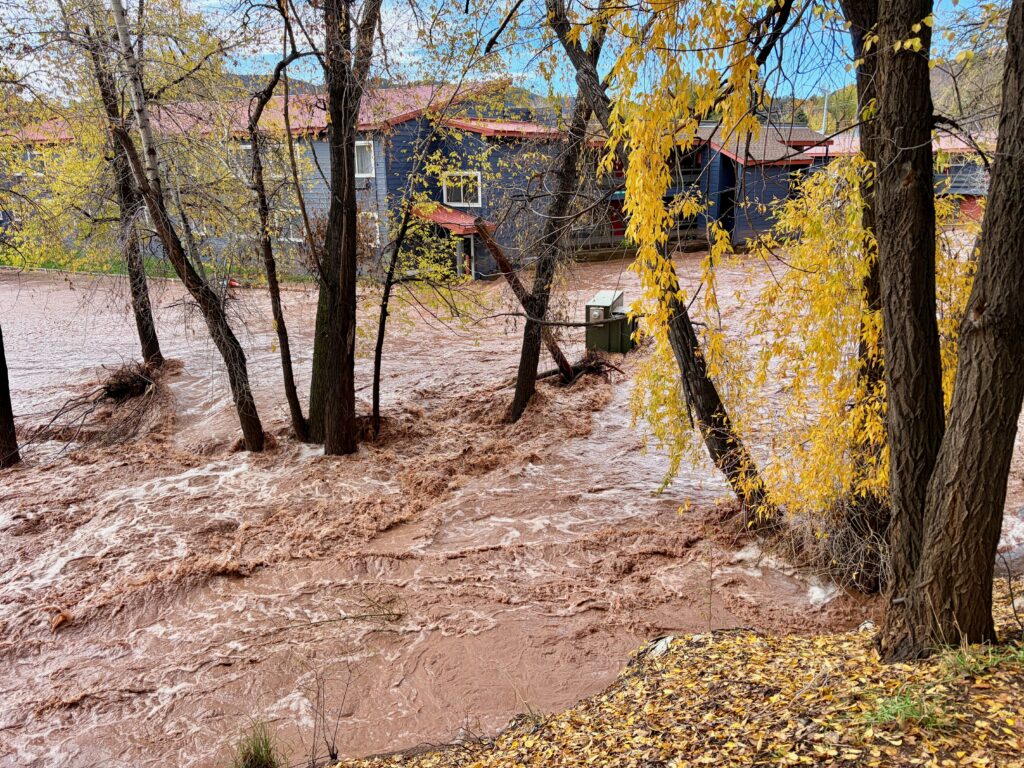
The Aesthetic of a “Clean” River vs. a Healthy One
Most landowners and land managers take deep pride in the appearance of their land. When a flood leaves our beautiful riparian zones looking like a bomb went off, the immediate instinct is to fire up the bulldozers and skid steers and clear it all out. We want to remove the snapped branches, haul off the massive root wads, and scrape away the sediment to find the familiar ground underneath.
During the Guadalupe recovery, I watched fleets of tractors and heavy equipment roll into the Guadalupe’s floodplains. They were crucial during the search and rescue efforts, along with the search and recovery efforts later on. They were also necessary in removing mangled vehicles, tangled fences, and the pieces of shattered homes from the floodplain.
During this river pickup stage, the tractor operators worked with the best of intentions and often stayed on properties for several days on end until most of the logs, debris, trees, and sediment loads had been tidied up or moved off and there were small roads up and down the river.
The result was visually tidy, but these efforts greatly set back the rivers’ ability to quickly recover.
When floodplains and riverbanks are denuded of its vegetation and natural debris by mechanical means, the river system loses many of its natural defenses, its resiliency, and is often left exposed to invasive or undesirable plants that can forever change the river. Heavy machinery causes soil compaction, tires and treads destroy the surviving root systems of native grasses and grasses, and when operators remove downed logs, driftwood, and brush, the destabilized banks and exposed soil that will simply wash away during the very next high-water event.
The Ecological Value of “Debris”
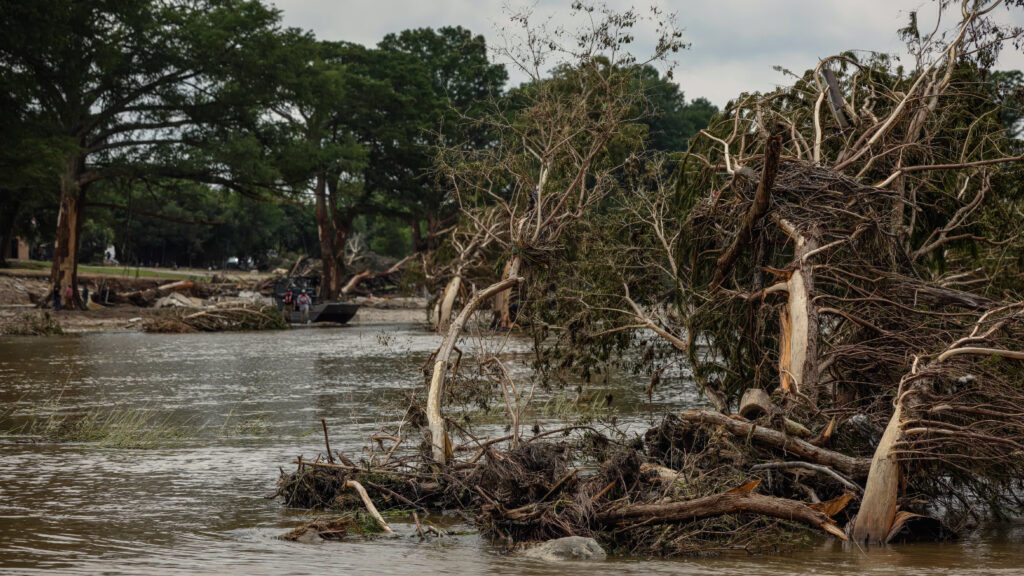
To understand why we must resist the urge to bulldoze our riverbanks, we have to look at the landscape not through the lens of landscaping and orderliness, but through the lens of river function, hydrology, and the succession stages of riparian habitat. . What looks like a catastrophic mess to the human eye is, to the river, a vital delivery of building materials.
Those massive, tangled log jams? They are the structural rebar of the riverbank. When a large tree falls and lodges into the bank, it immediately goes to work. It slows the velocity of the water during the next flood, dissipating the river’s destructive energy. The water that rushes over and around these logs can create deep, cool pools that are used by fish for holding out during the hot, dry summer months.
That chaotic layer of sediment and silt that buried your favorite walking path? That is the new topsoil. It is incredibly rich in nutrients, gathered from miles upstream, deposited exactly where the next generation of cottonwood, willow, and sycamore trees will germinate.
The brush piles, and smaller woody debris become immediate sanctuaries for wildlife. They provide critical cover for turkeys, nesting habitat for songbirds, and a booming environment for the insects that form the base of the entire riparian food chain. When a tractor scoops up all that woody debris and hauls it to a trash pile, it isn’t just removing an eyesore; it is hauling away the shelter, the food, and the structural integrity of the ecosystem.
A healthy river is meant to be messy. It thrives on complexity, roughness, and the slow, natural decay of organic matter. When we completely sanitize the floodplain, we interrupt a cycle of renewal that has sustained these waters for millennia.
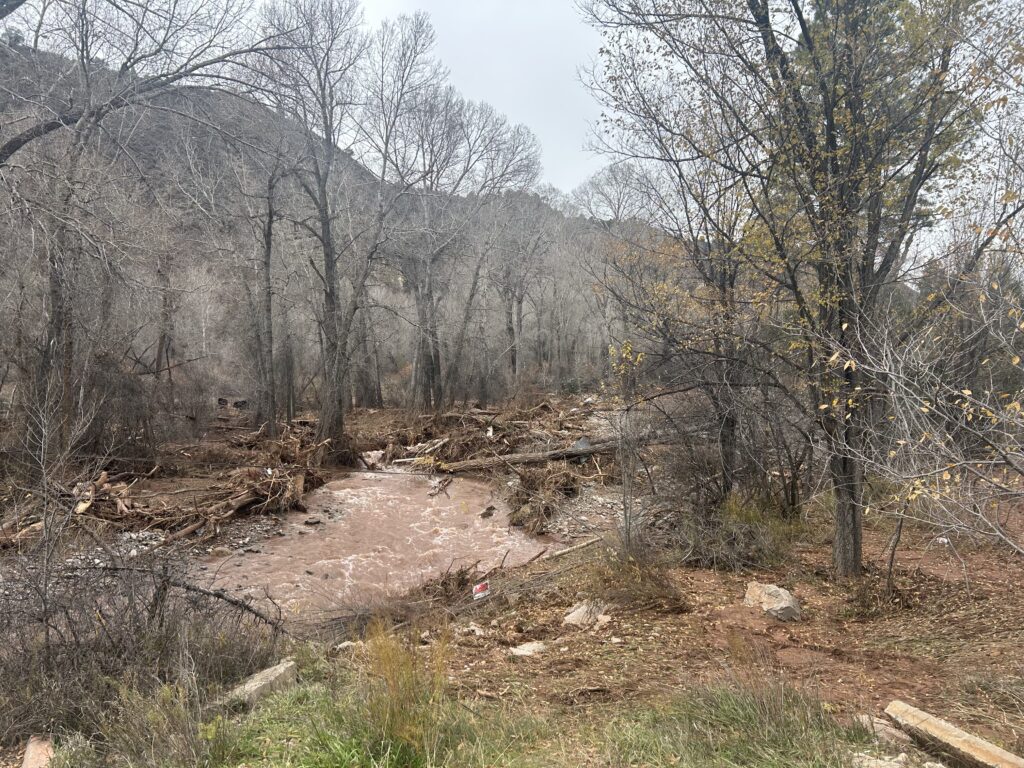
After the Flood:
For river-loving people in any region currently tasked with responding to and recovering from floods, your role as a steward has never been more important. Stewardship is not just about what we do to the land; quite often, true stewardship is defined by what we have the wisdom and restraint not to do.
Here is what I’ve learned can be valuable for navigating the weeks and months ahead:
- Pick up the human trash, leave the natural debris. There is a massive difference between human refuse and natural material. After a flood, the trees and brush will be choked with plastics, tires, twisted sheet metal, roofing materials, and potentially toxic household chemicals. This is where your energy should go. Walk the property and manually remove the synthetic garbage. Pack out the plastic. But when it comes to the logs, the branches, and the sediment—leave as much as you can. Let the downed logs be. Let the sediment settle. Let the river naturally recover.
- Manage the volunteers and foot traffic. After a disaster, well intentioned people will want to help clean up. Church groups, neighbors, and volunteer organizations will show up with work gloves and boundless energy. It is a beautiful thing to witness. However, you must direct that energy carefully. I suggest funneling that incredible volunteer spirit toward repairing structures, mending fences, and removing synthetic garbage, rather than “clearing brush” from the wild areas.
- Minimize heavy machinery in riparian zone. This can be difficult, especially when a contractor offers a quick fix. If a massive tree has fallen across your driveway or is threatening a structure, absolutely use the equipment needed to make your property safe and accessible. But do not let heavy machinery roam the banks just to tidy up the aesthetics. The compaction and vegetation loss can set back the recovery.
- Take the time to observe. The river is traumatized, and it needs time to reveal how it will respond. Watch where the water naturally wants to flow now. See which native plants push up through the new sediment next spring. You will be amazed at how quickly a riverbank can heal itself if given the chance.
Closing Thoughts
Flooding – in the Four Corners or on the Guadalupe or anywhere else – is a devastating event. It tests our resilience, our finances, and our spirits. But the river will heal. The fish will return to the new pools, the native grasses will stabilize the fresh sediment, and cottonwood saplings will shoot skyward. By setting the stage for rivers to heal naturally, our beloved waterways will bounce back quickly and vibrantly. Our job is to clear the plastic, metal, and trash out of the way, be there for our neighbors, and have the patience to let the river do its work.
Ben Masters is a filmmaker and writer specializing in wildlife and adventure stories. His latest films, Hope for the Guadalupe, Deep in the Heart Two: A Texas River Story and The American Southwest have rivers at their heart.

